Caribbean Developments
A curated look at the developments Dan represents and follows most closely. Full details are shared privately.
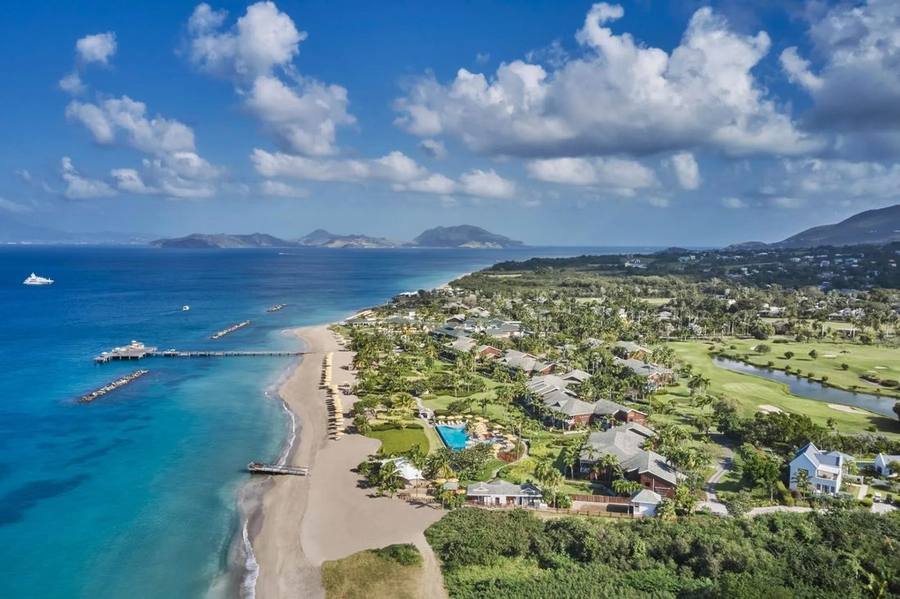
Nevis Peak Residences at Four Seasons Nevis
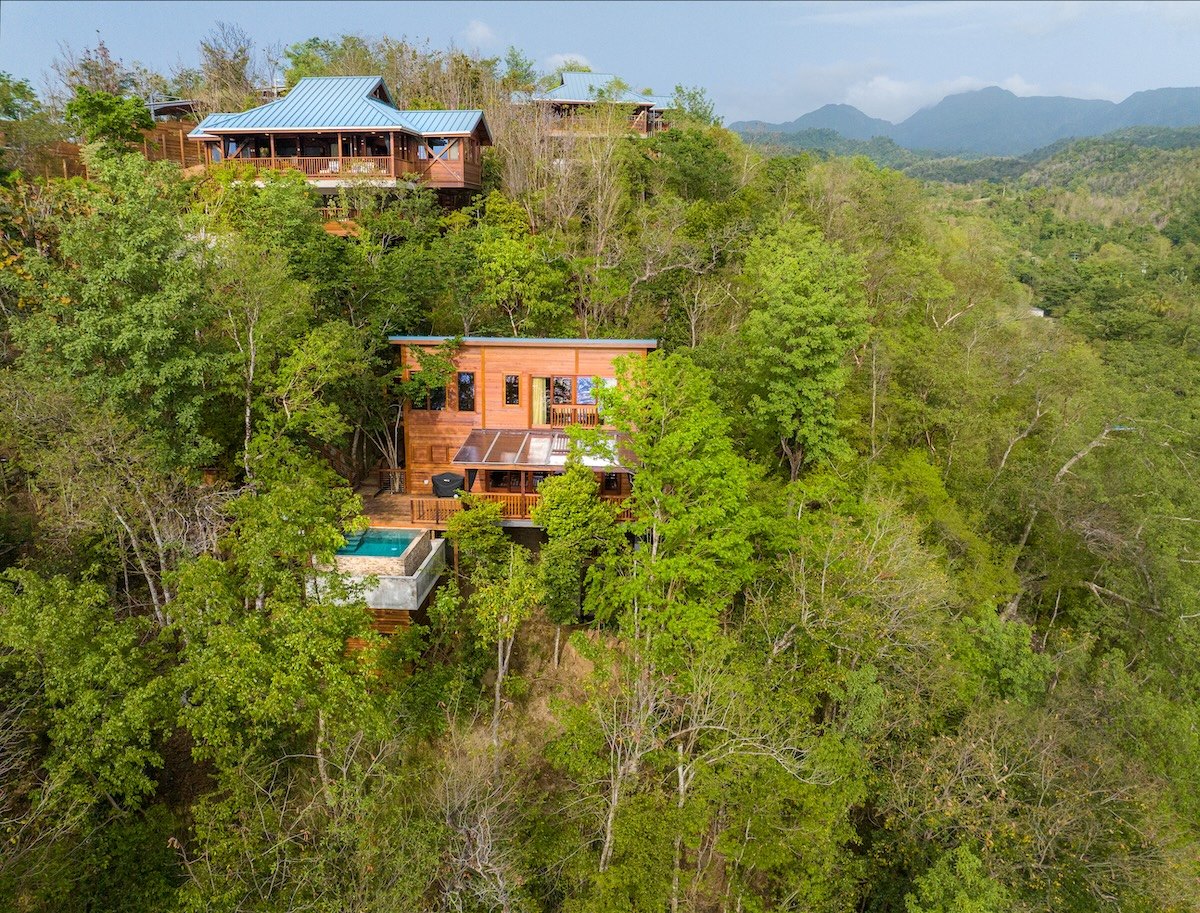
The Cliffside Residences at Secret Bay
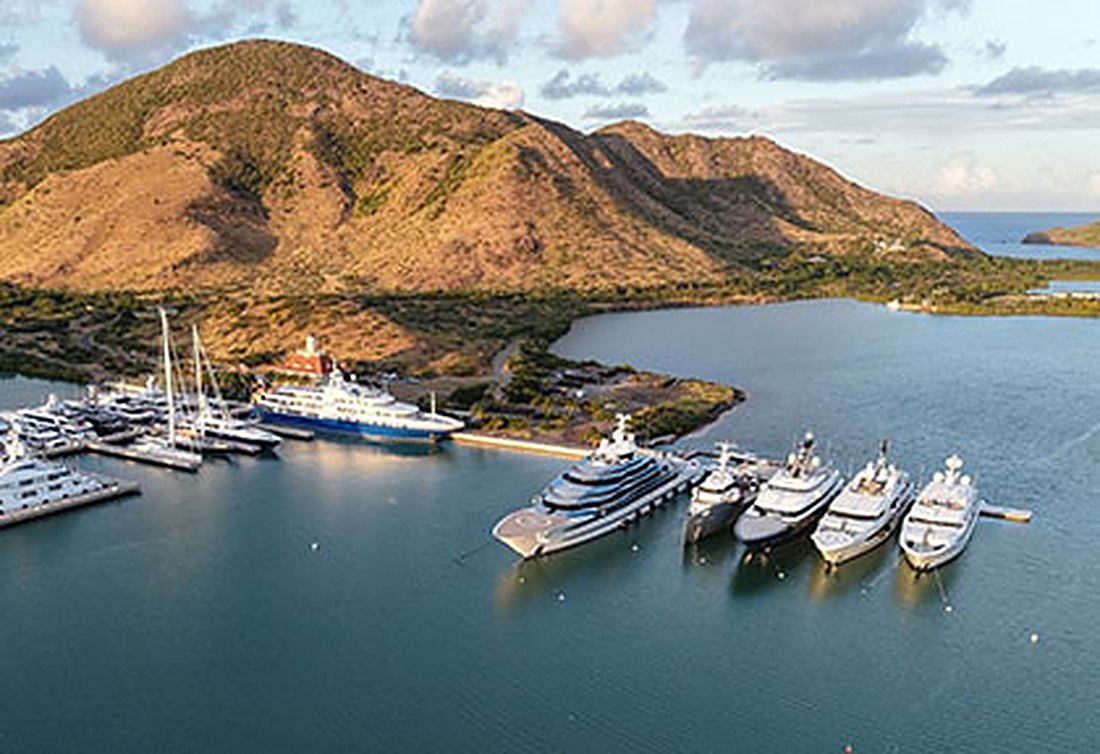
Christophe Harbour
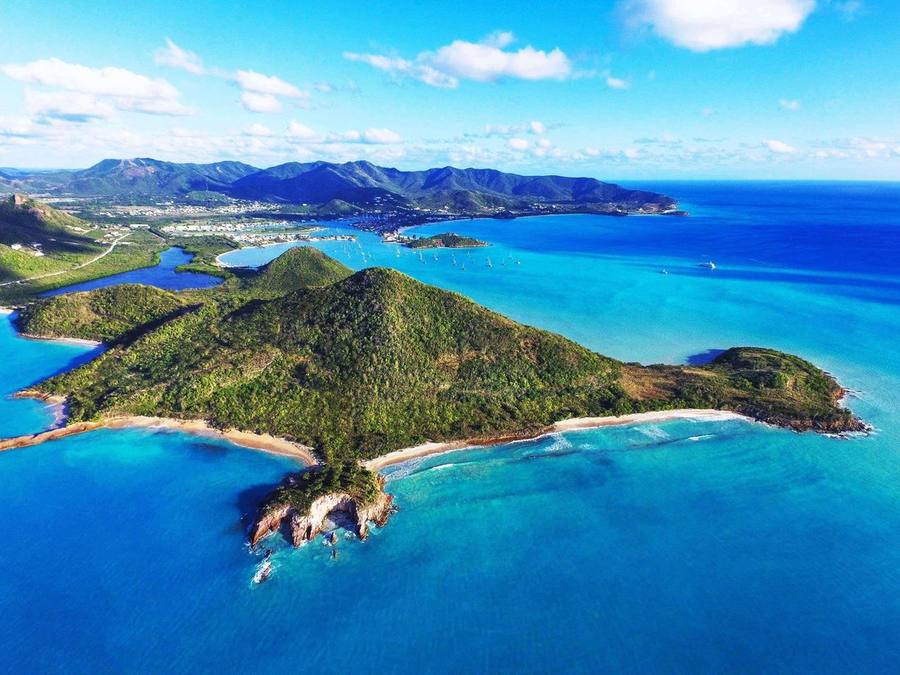
Jolly Harbour Beachfront Residences
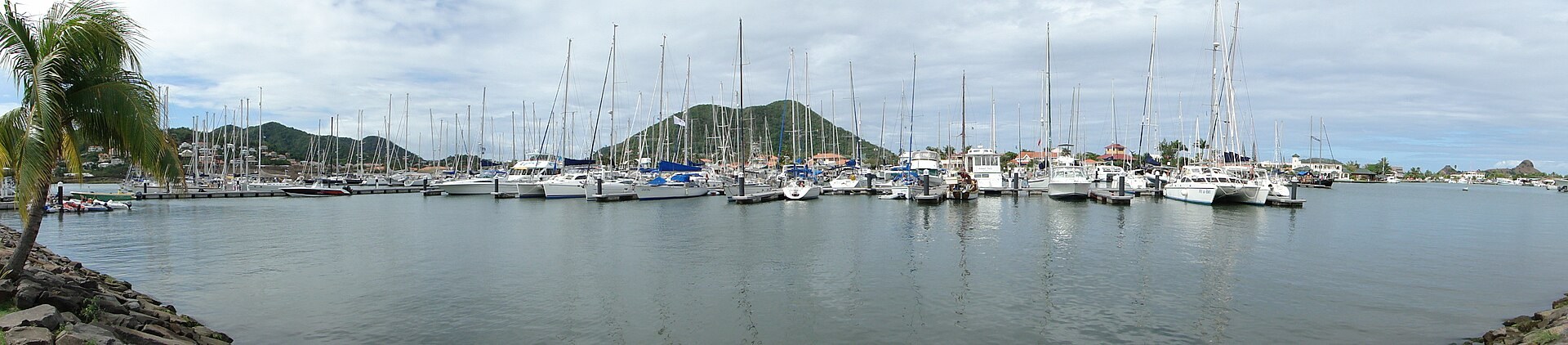
Rodney Bay Marina Condos
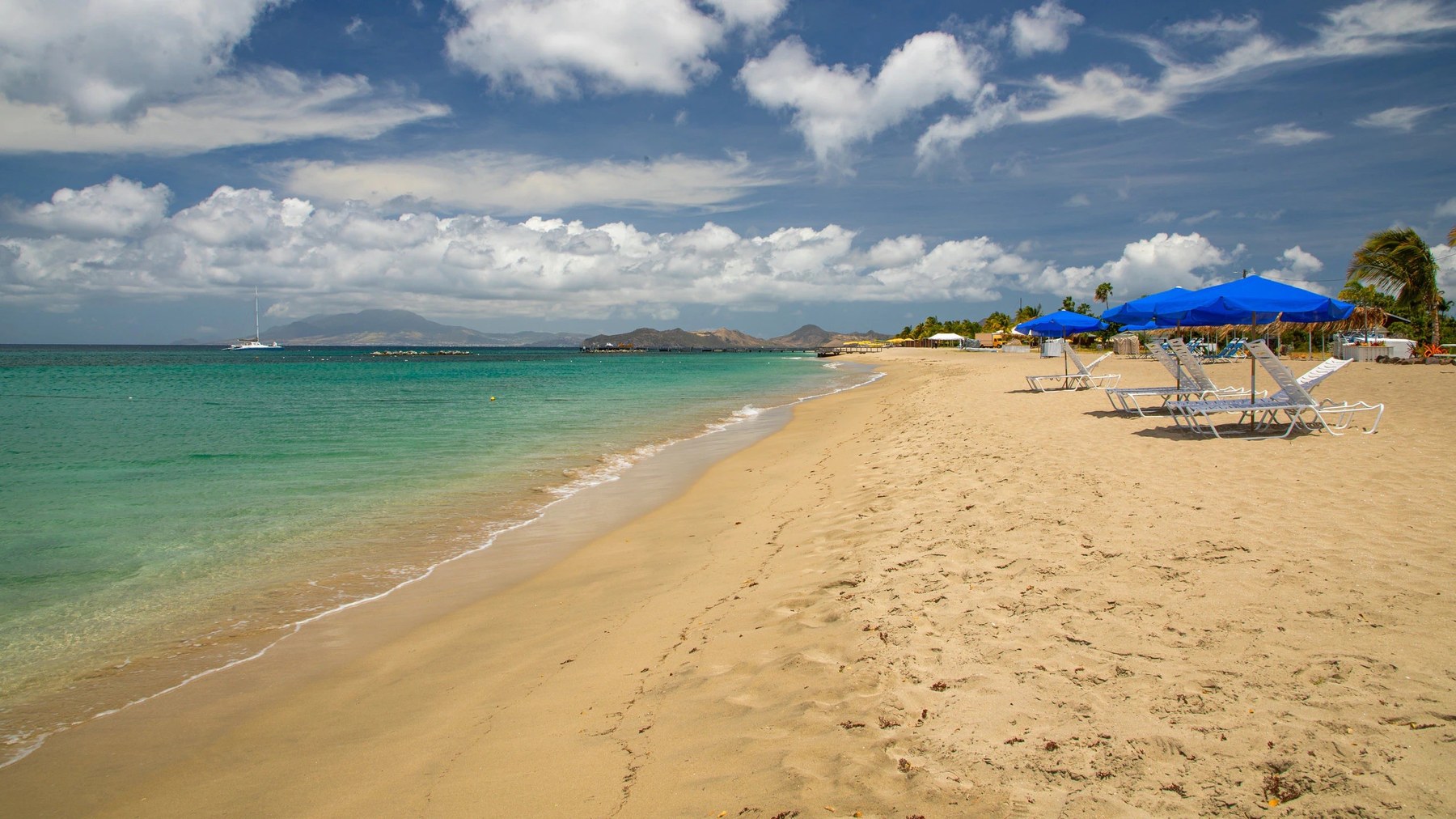
Villas at Pinney's Beach, Four Seasons Nevis
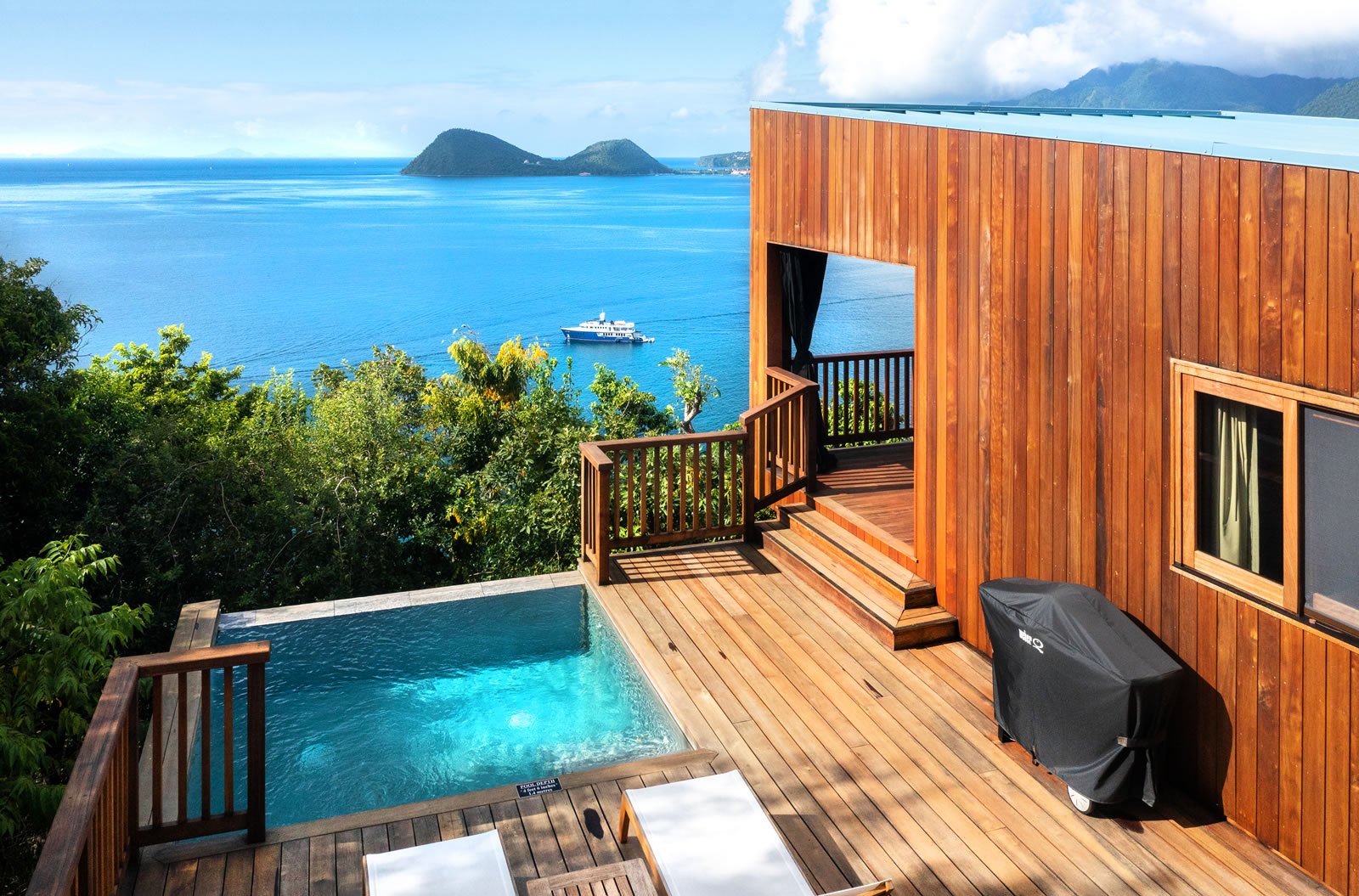
The Waterfront Residences at Secret Bay
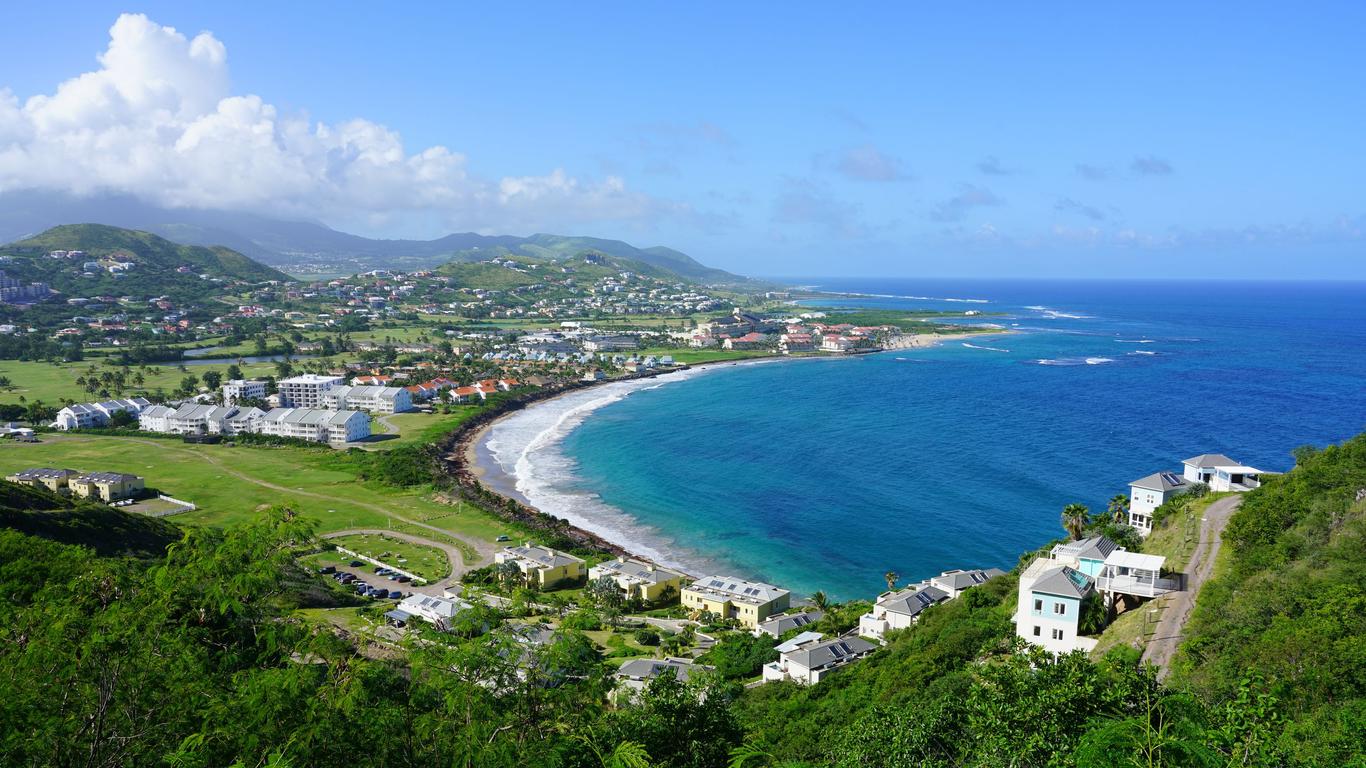
Marriott Residences St Kitts
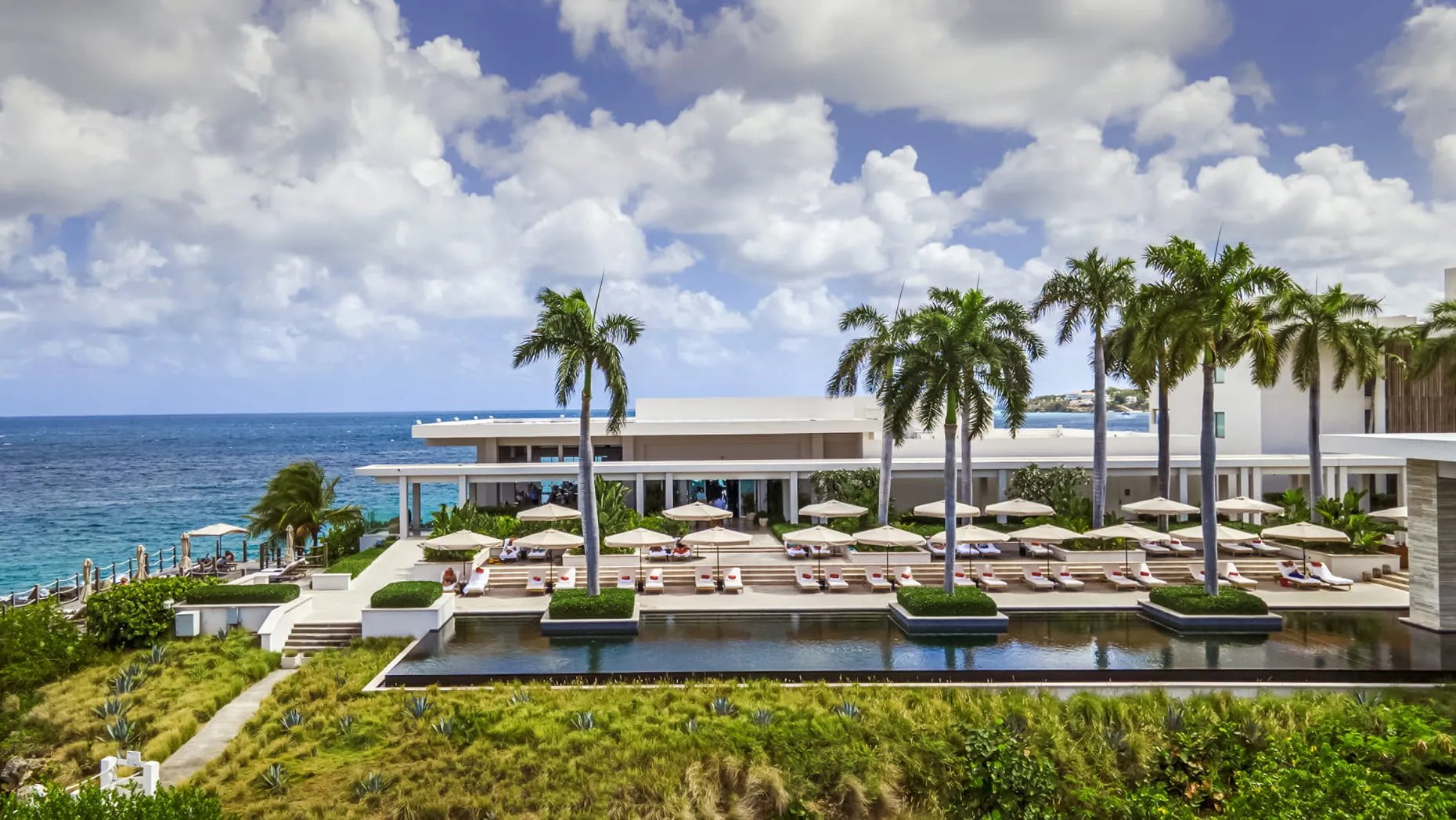
Four Seasons Anguilla
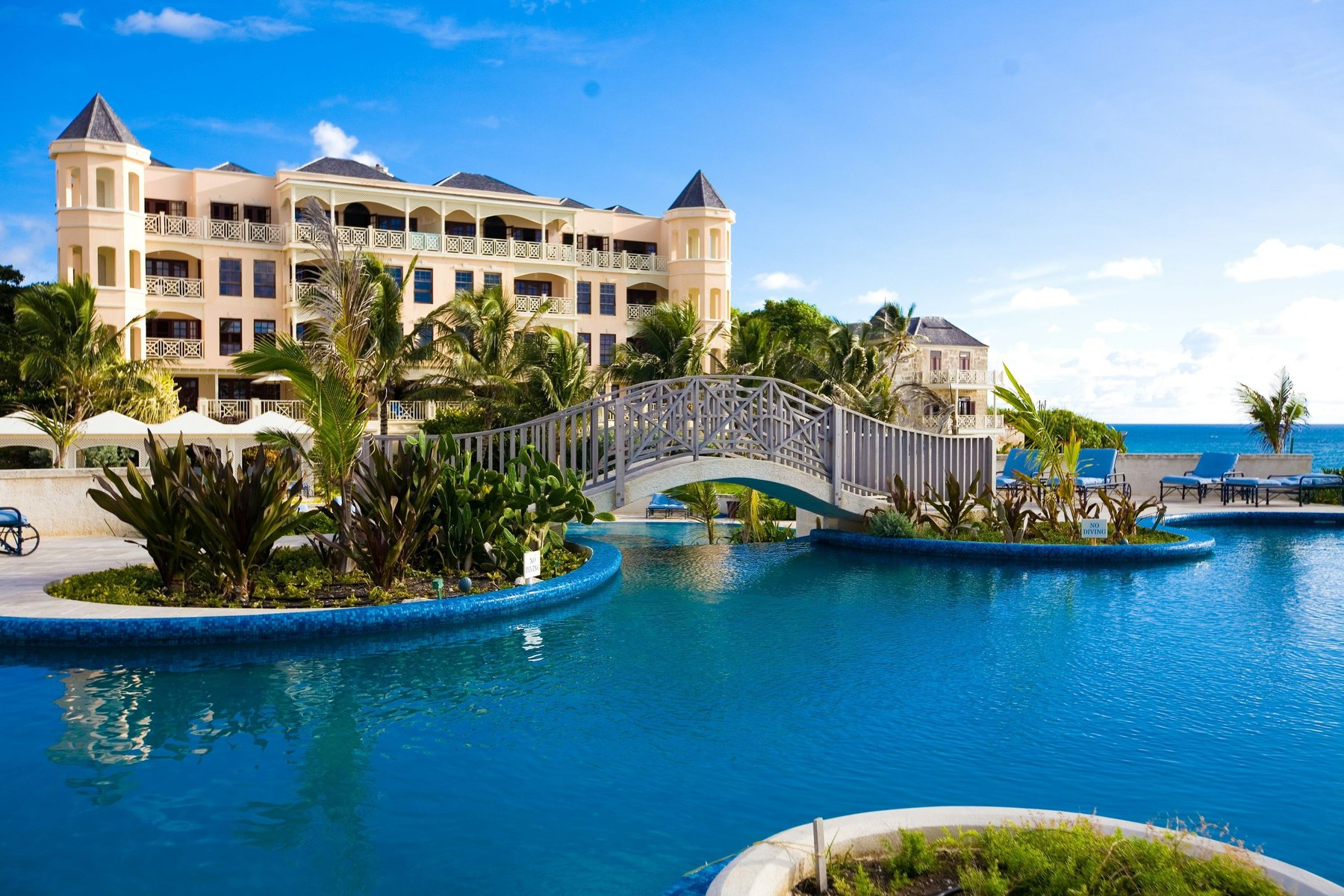
The Crane Private Residences
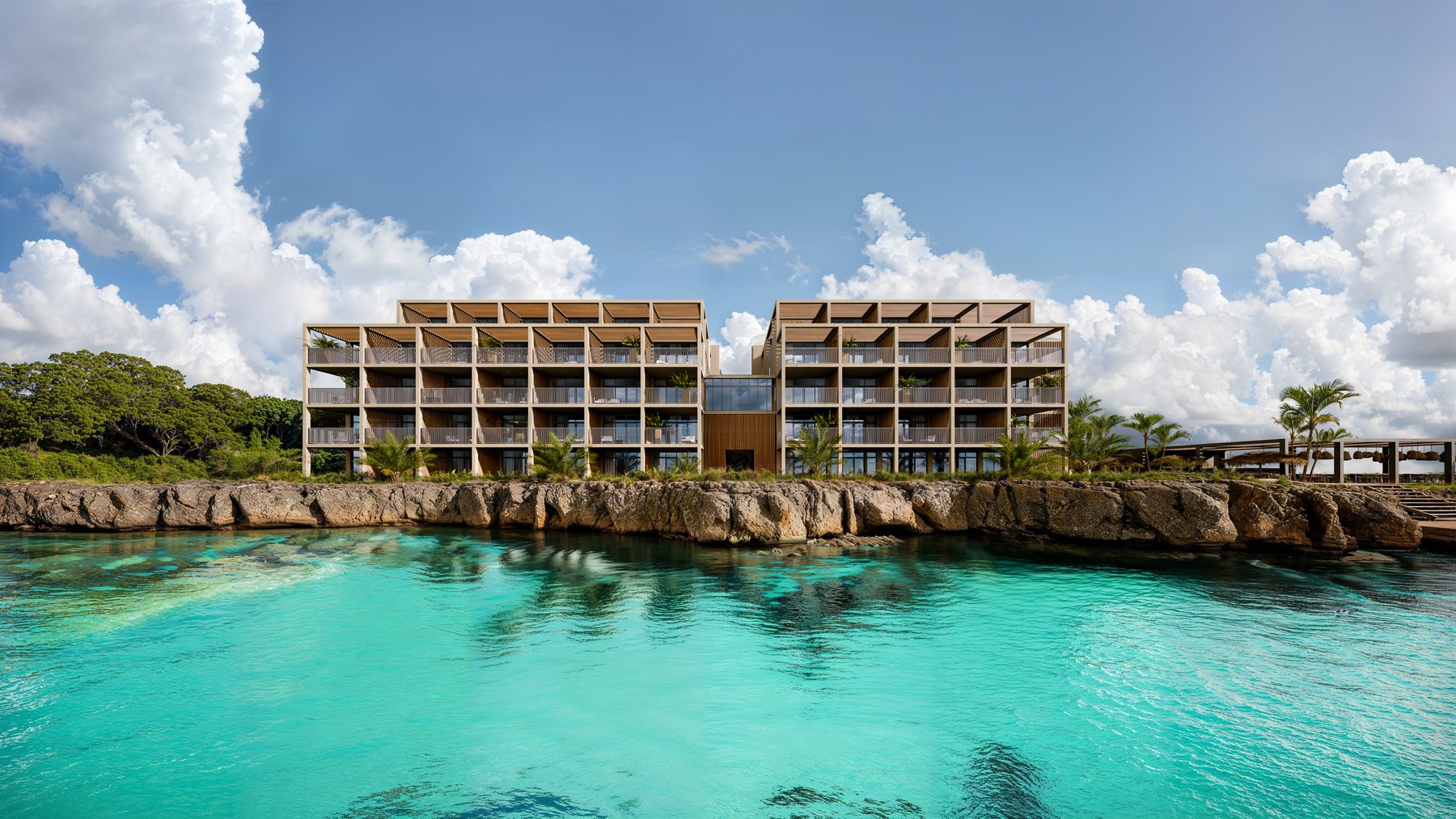
Hilton Condo Residences
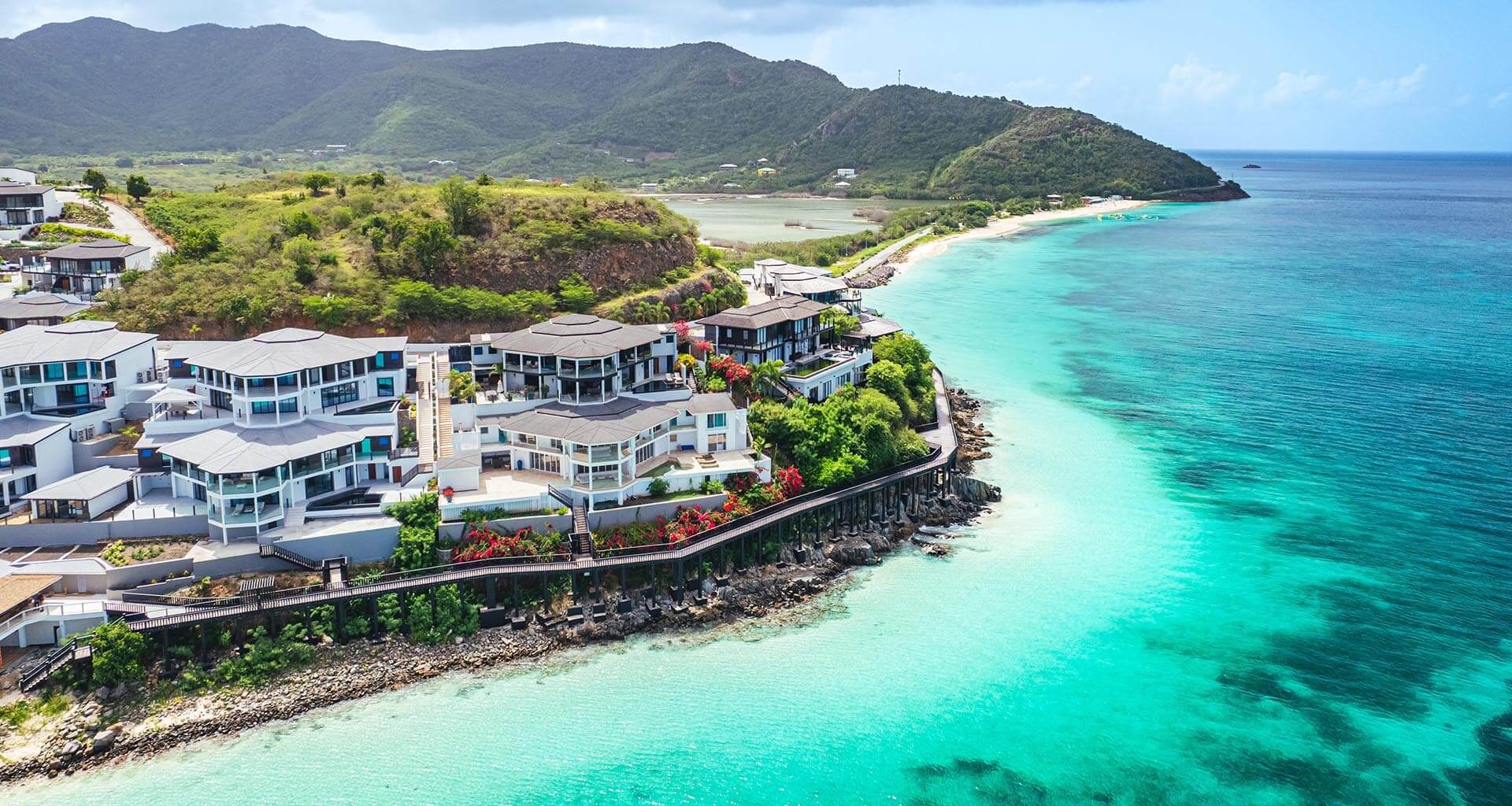
Coco Beach Condos
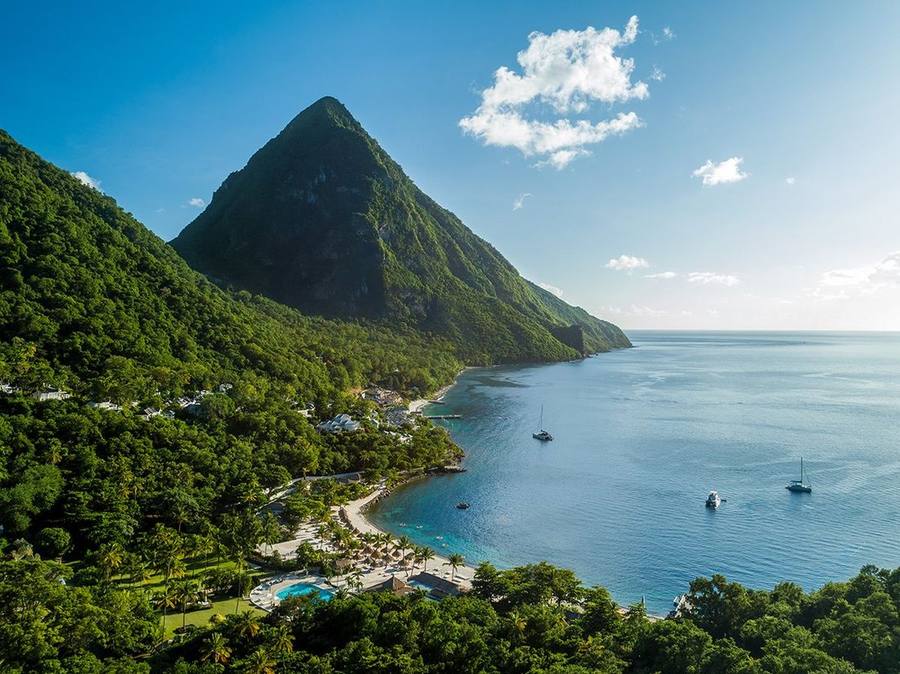
Luxury Golf Residences in St. Lucia
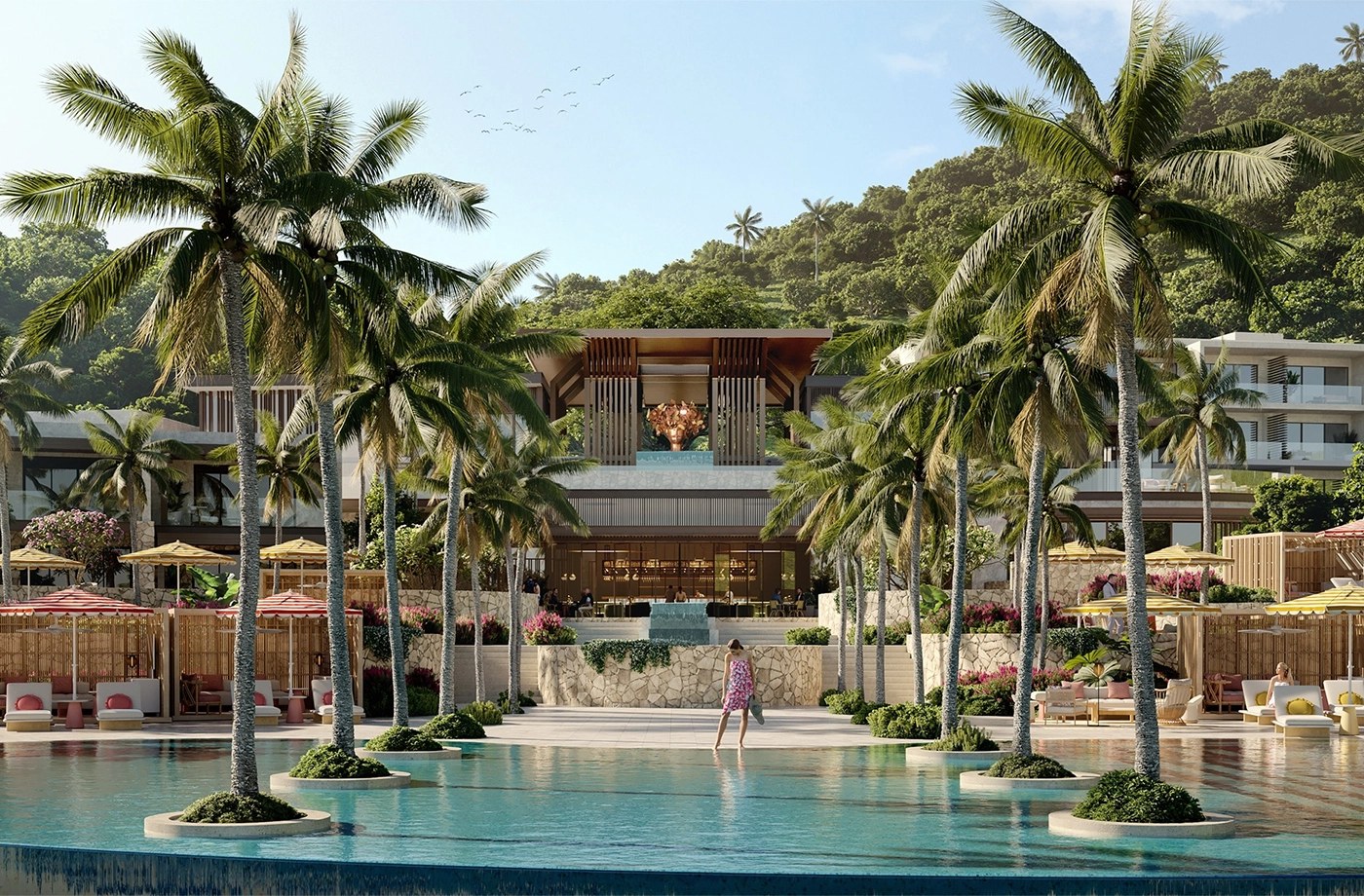
The Setai, St. Maarten
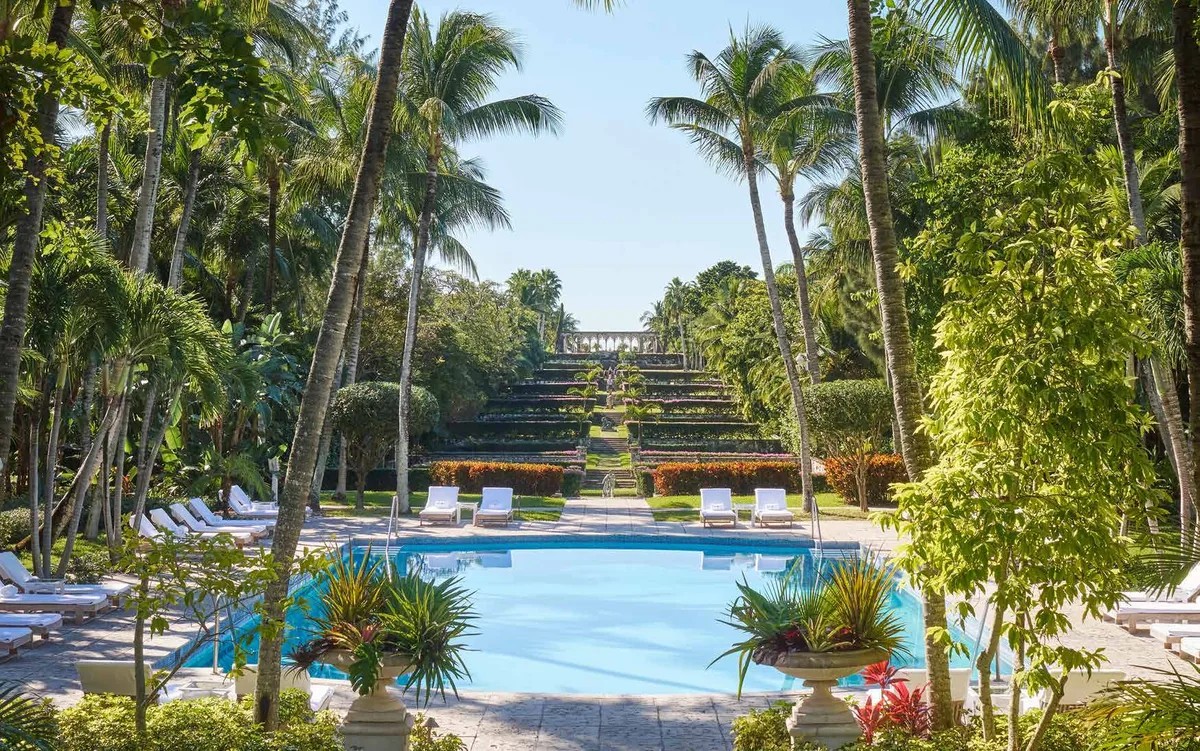
Four Seasons Ocean Club

Kittitian Hill / Belle Mont
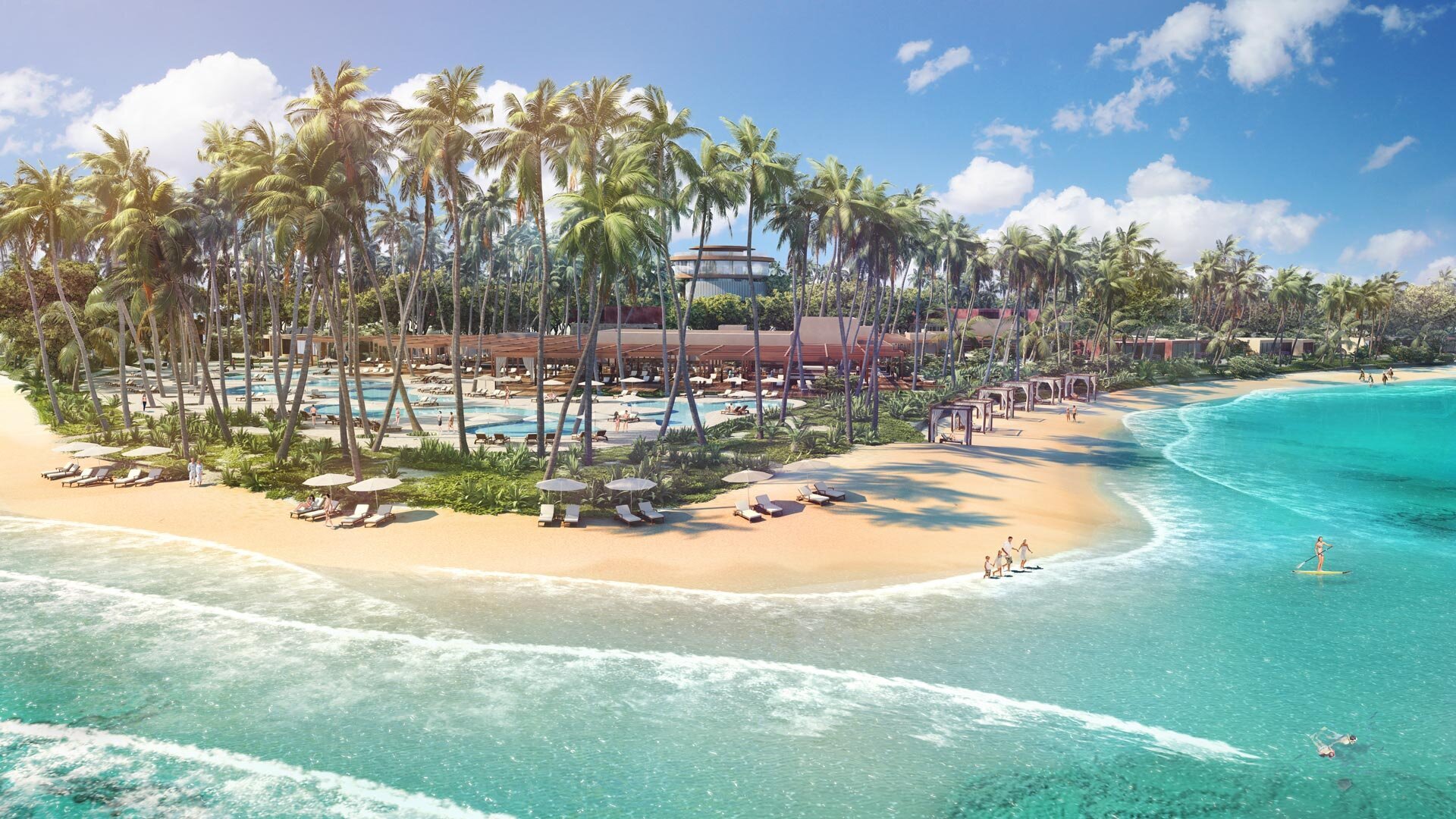
Four Seasons Tropicalia
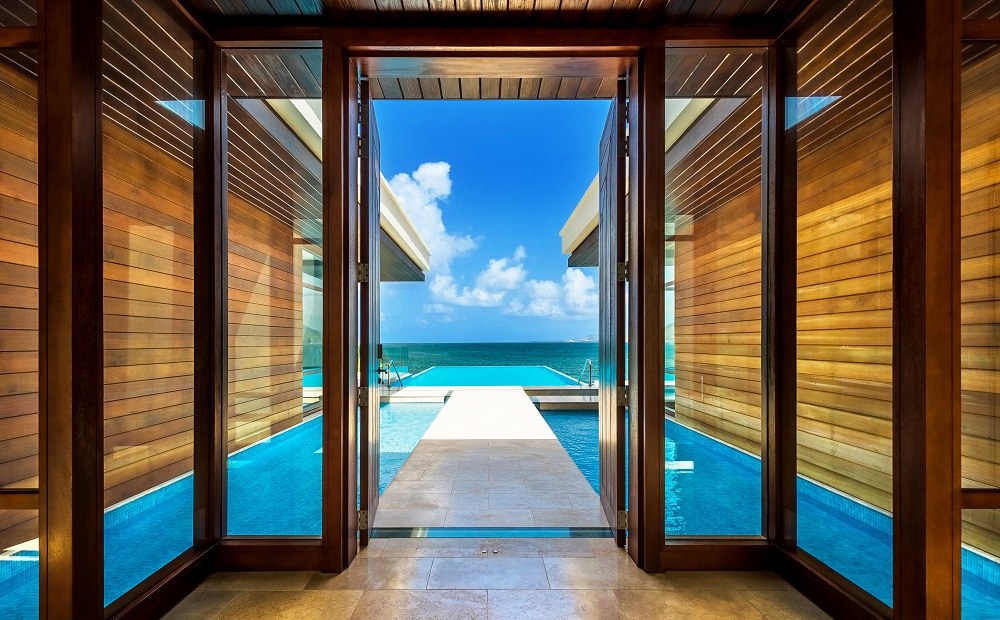
Park Hyatt St Kitts
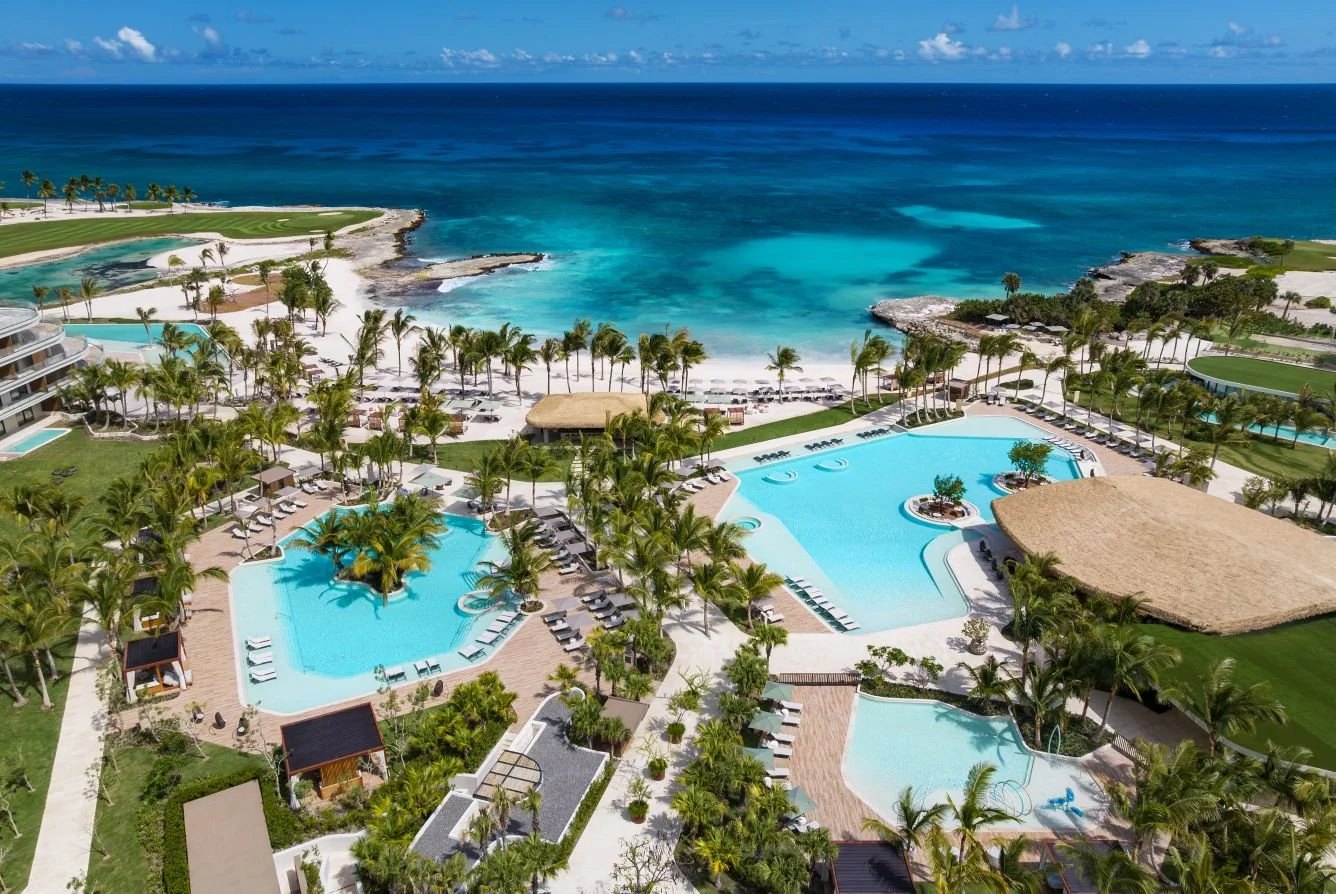
Cap Cana
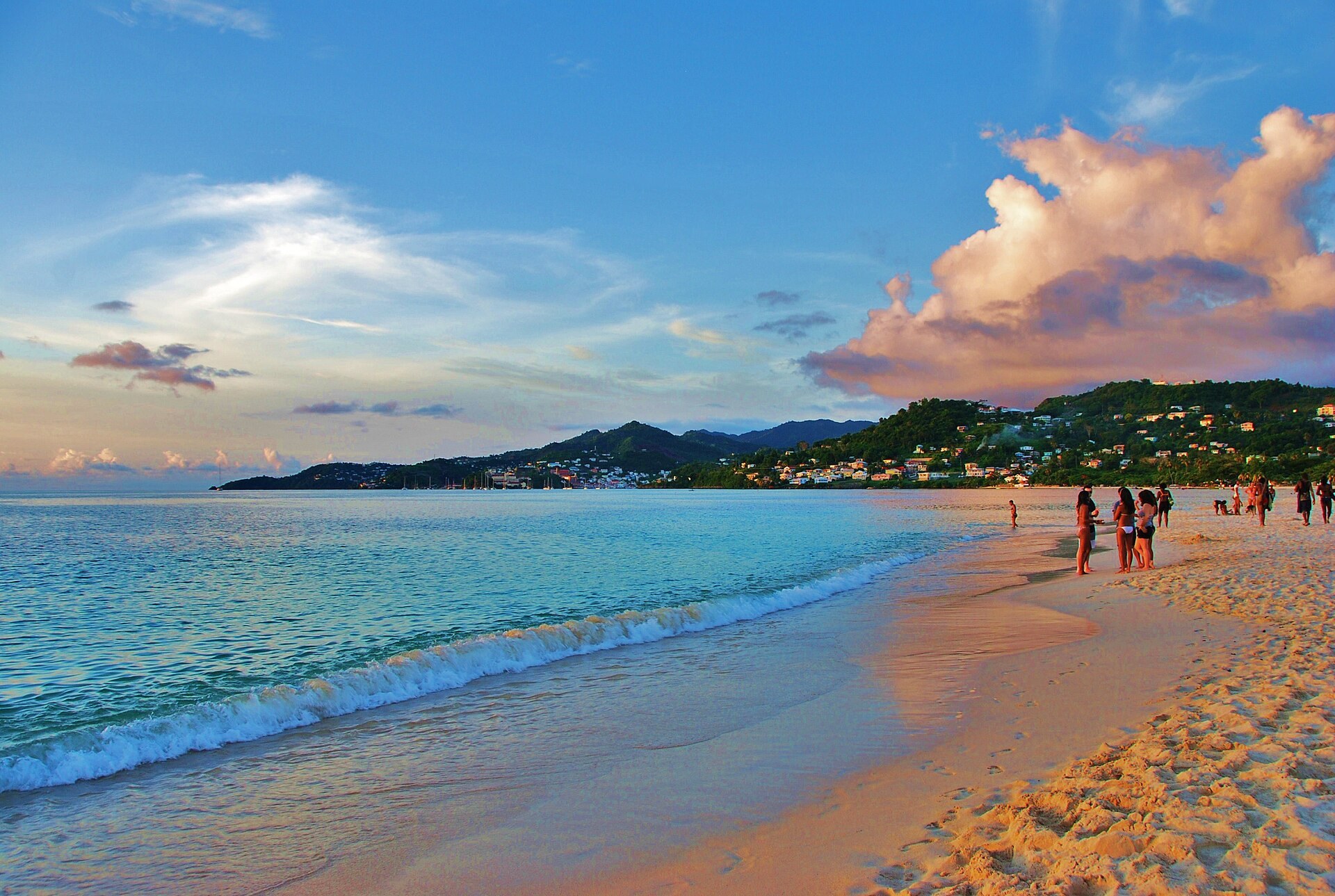
Mount Cinnamon
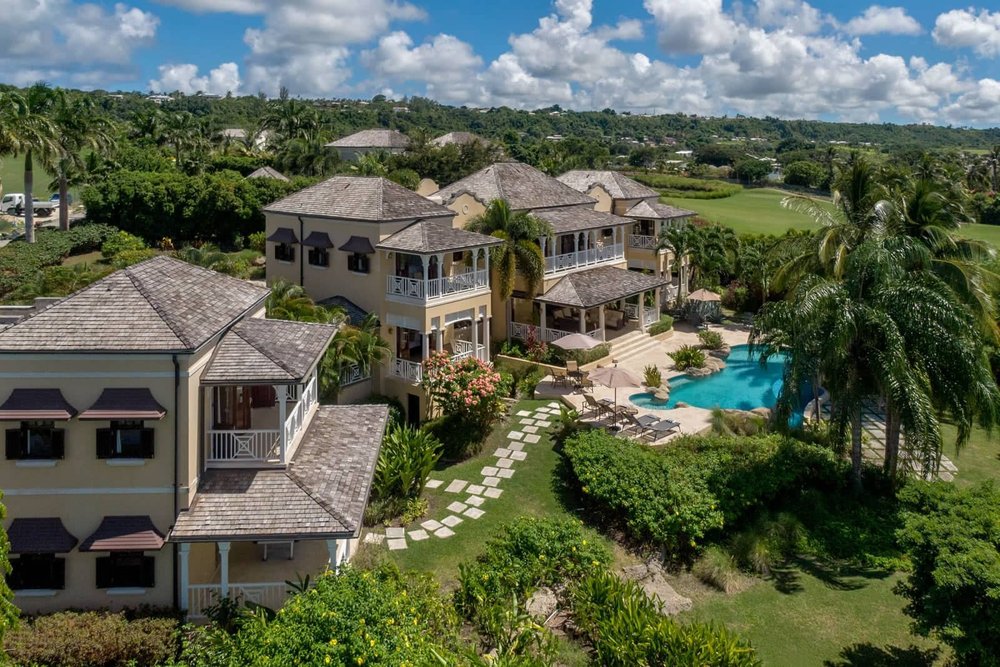
Royal Westmoreland
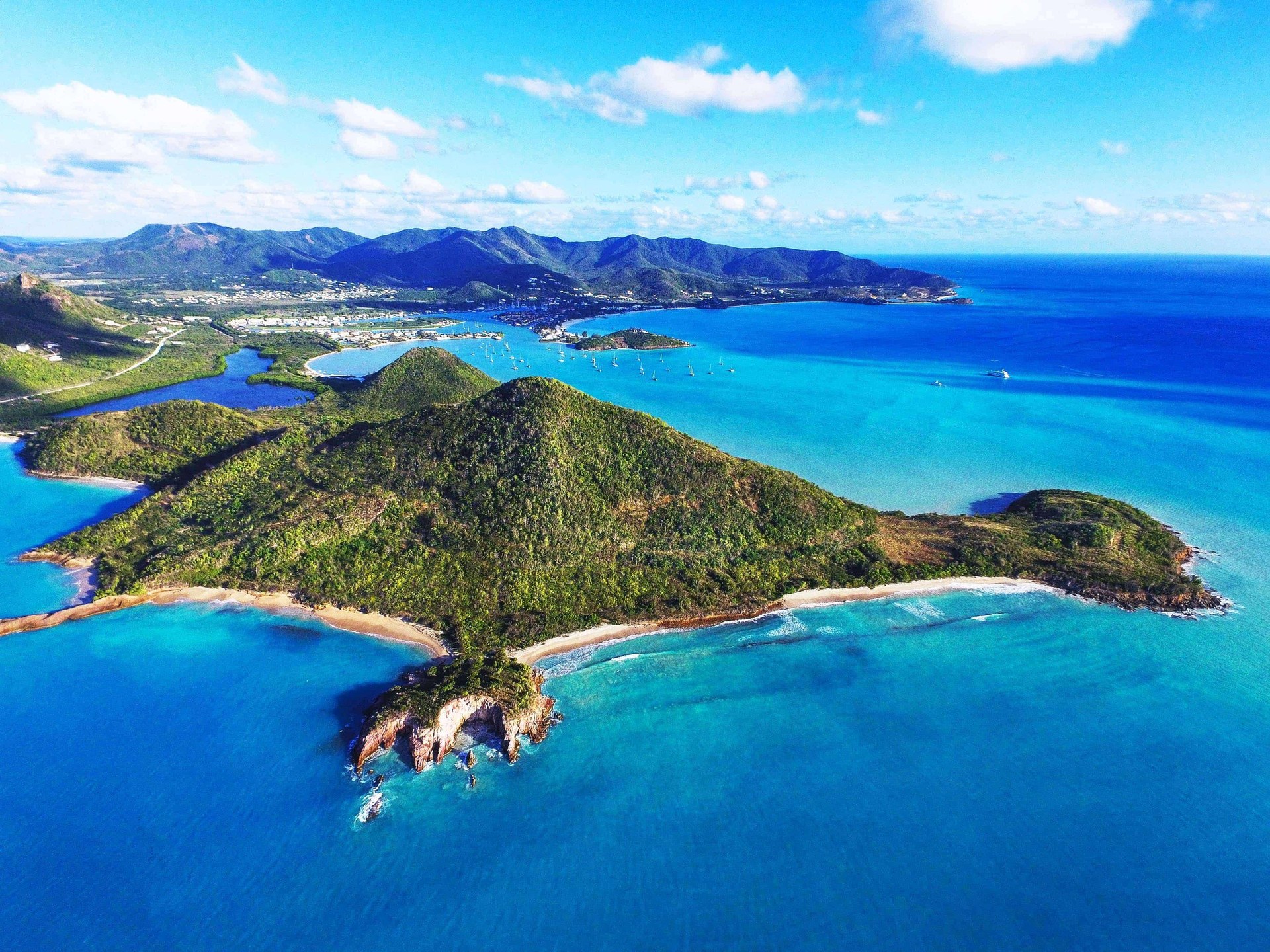
Antigua Waterfront Lots
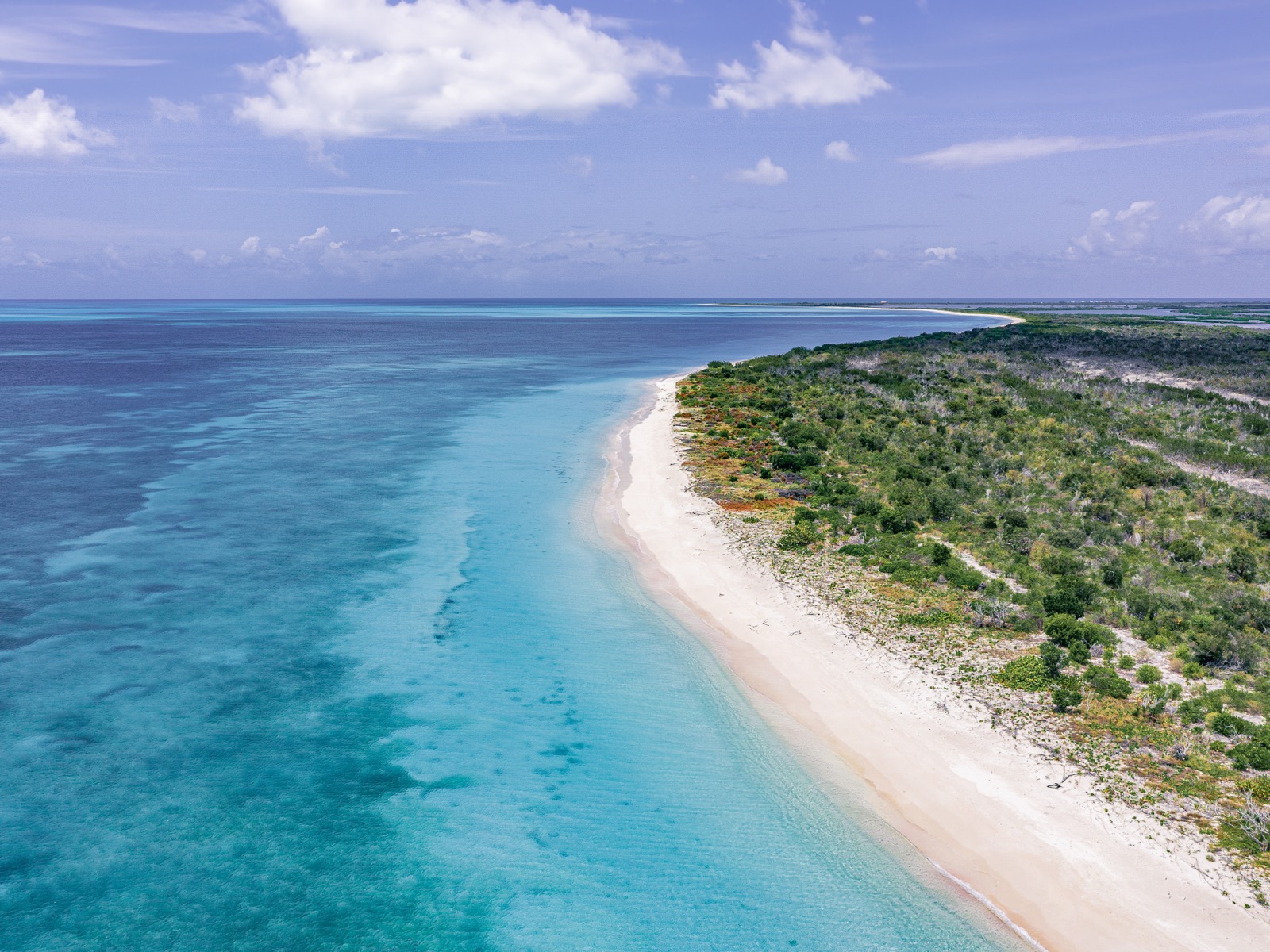
Rosewood Barbuda
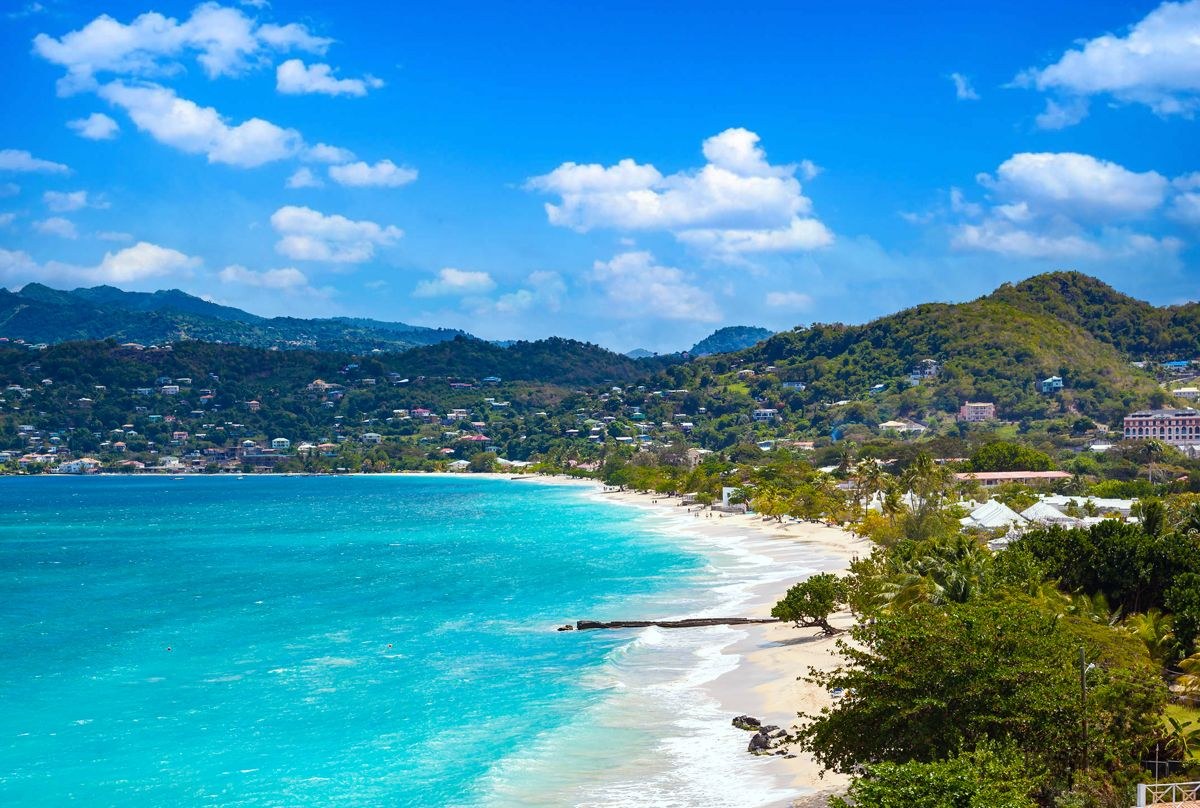
Grand Anse Villas
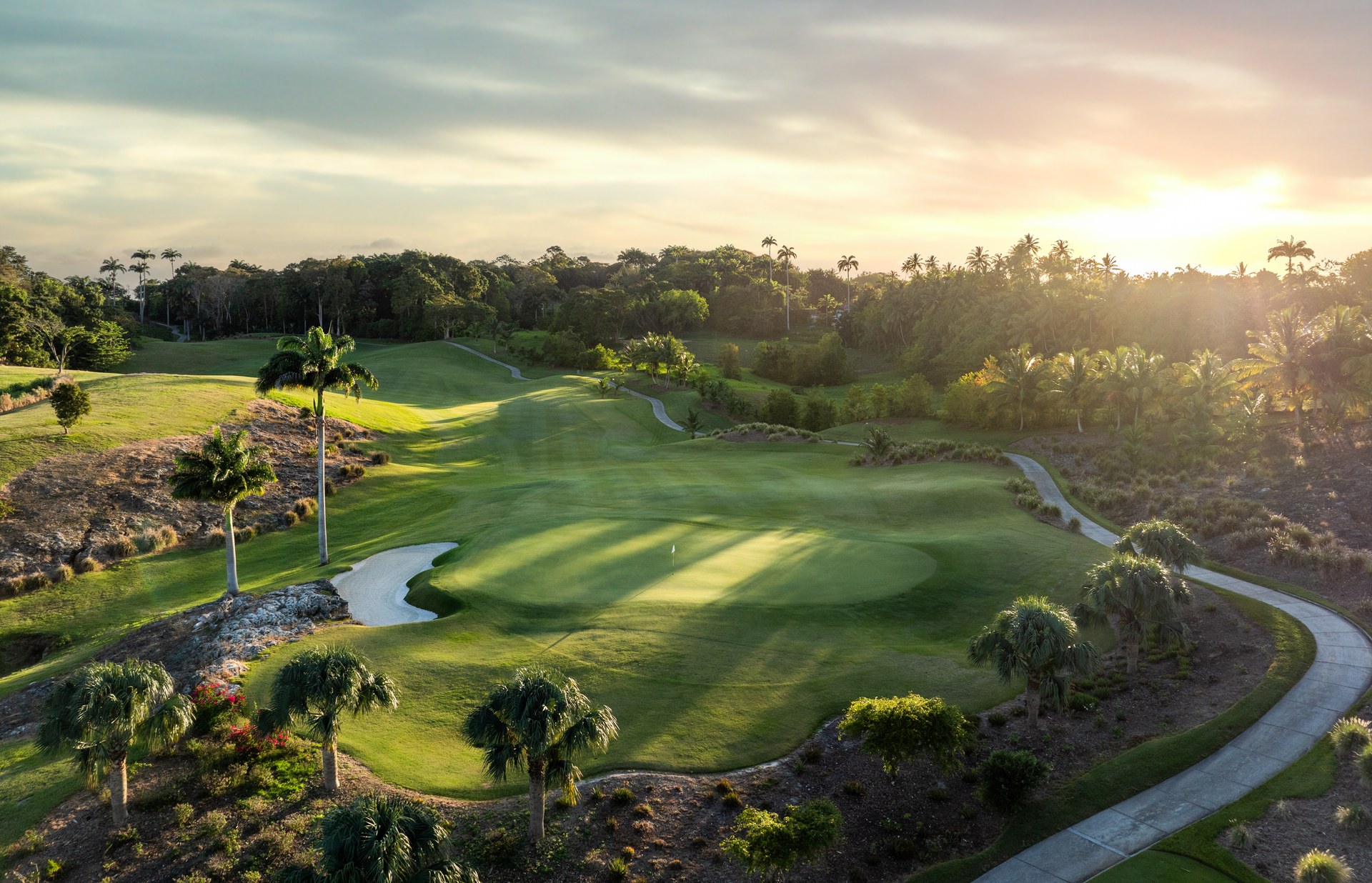
Apes Hill
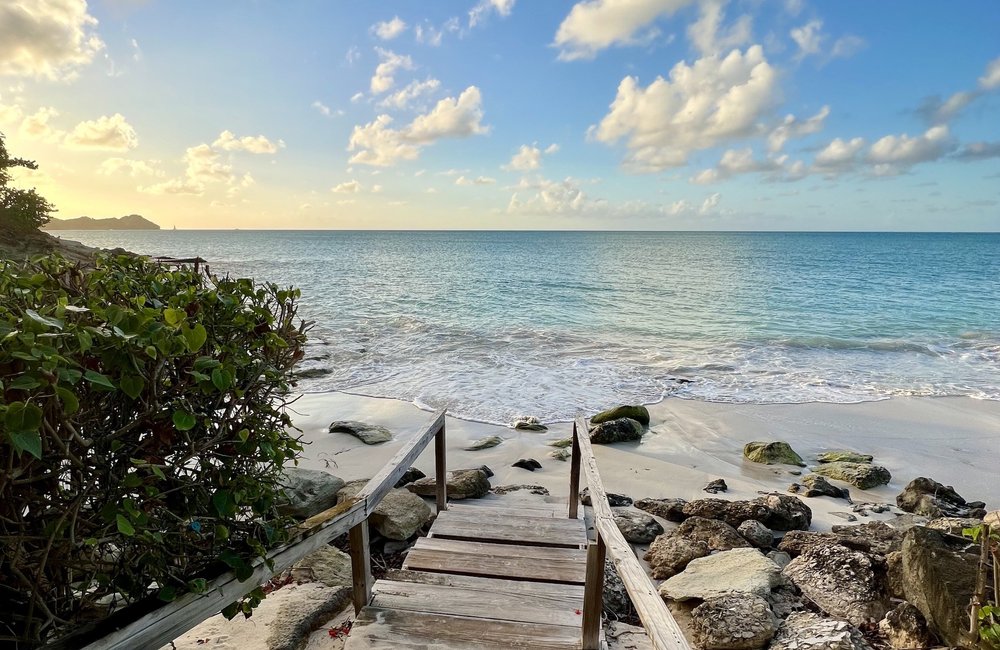
Valley Church Condos
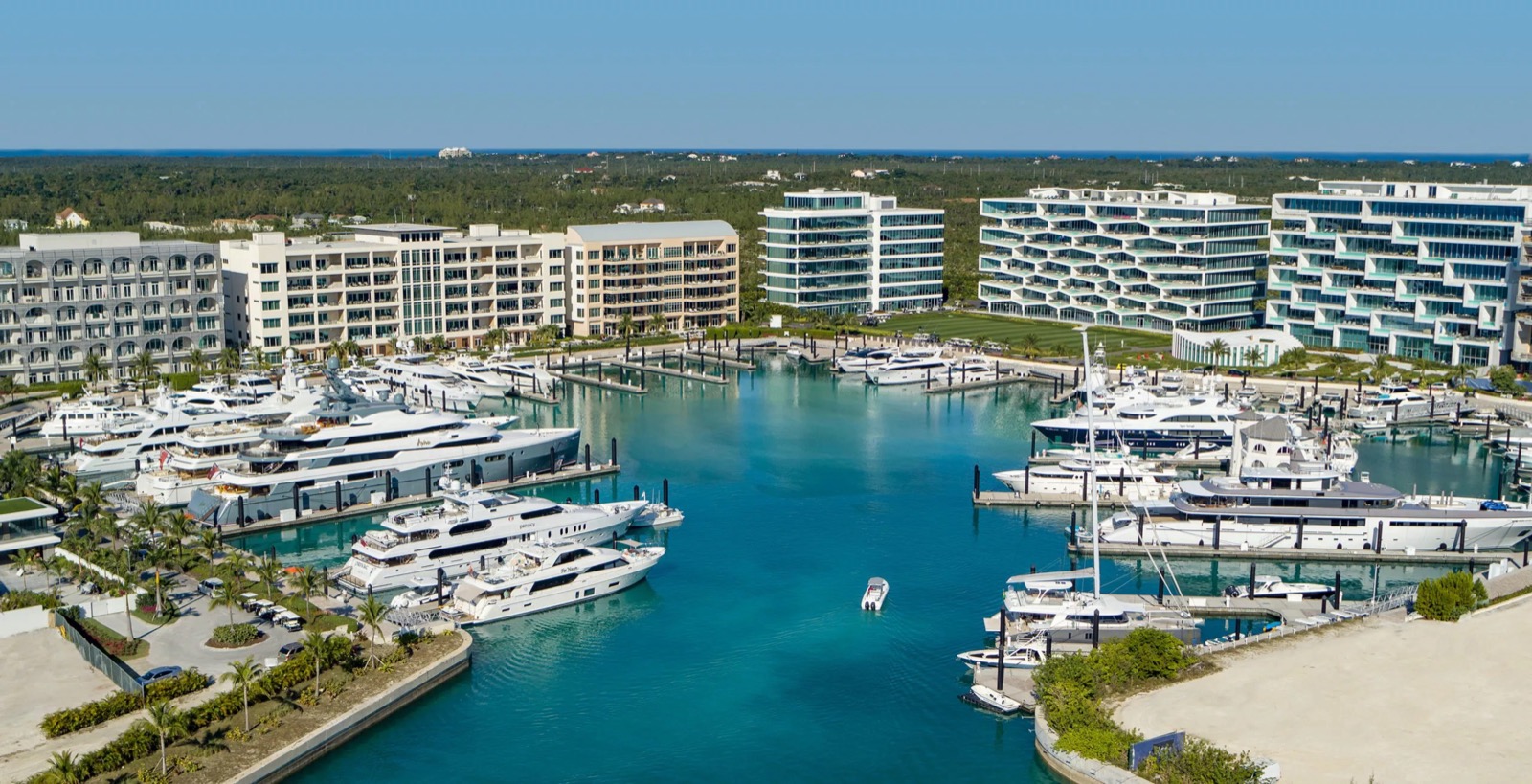
Albany
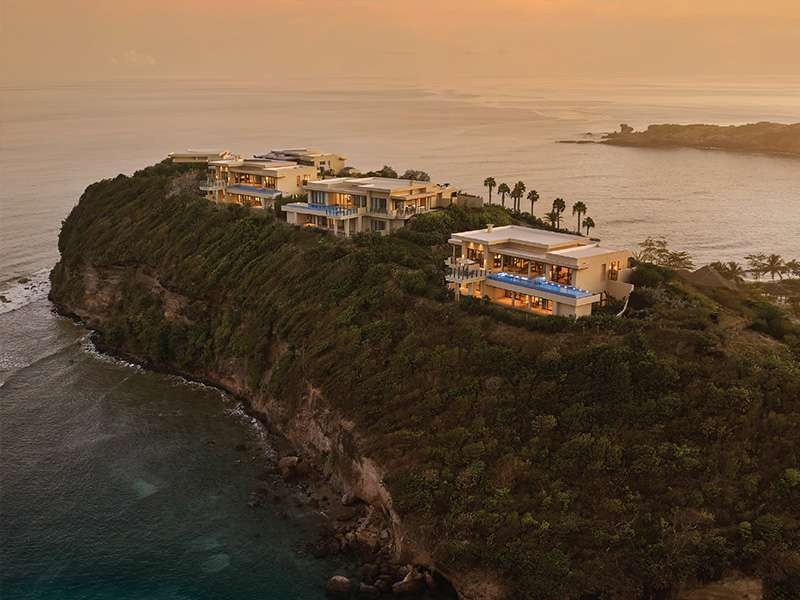
South Coast Beachfront Condos
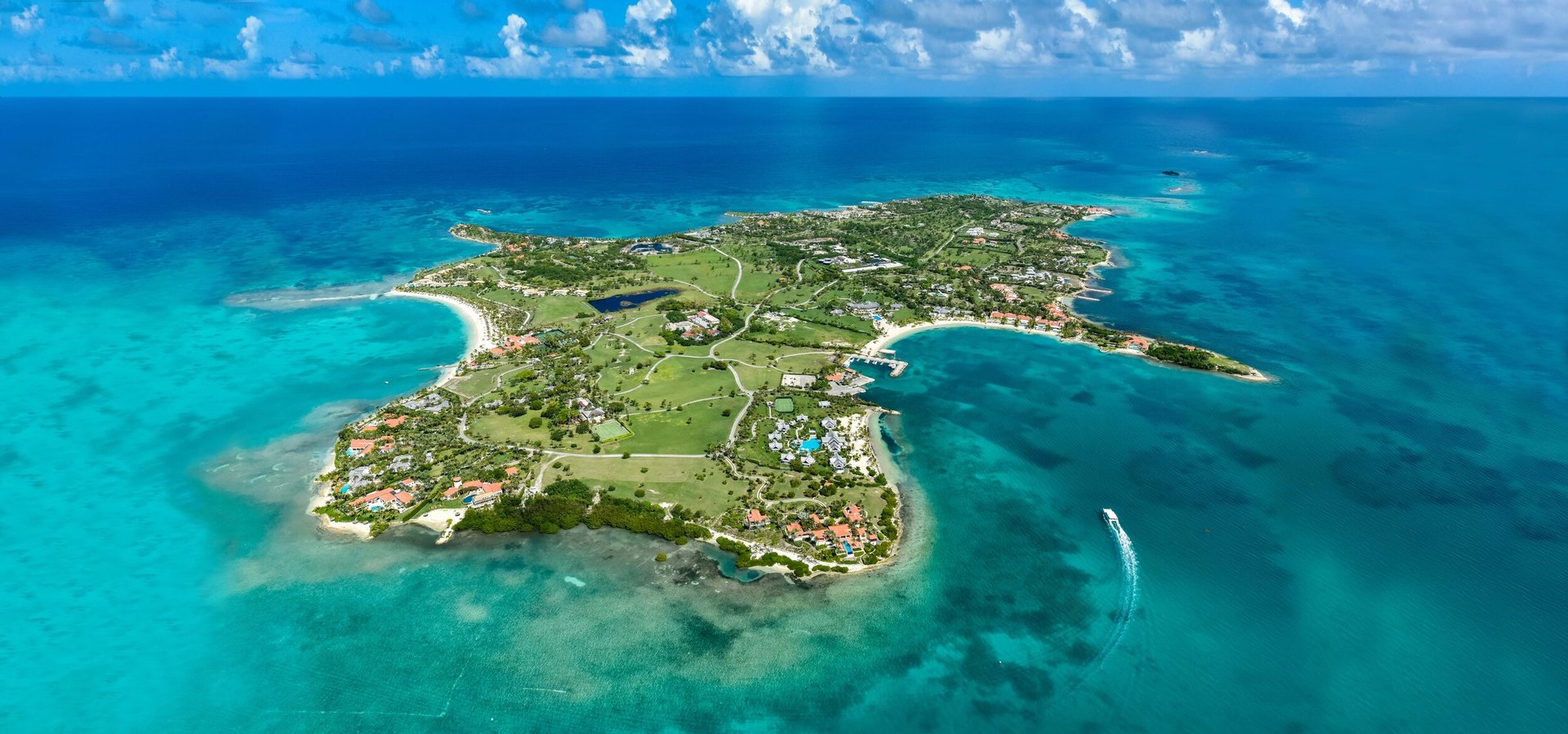
Jumby Bay
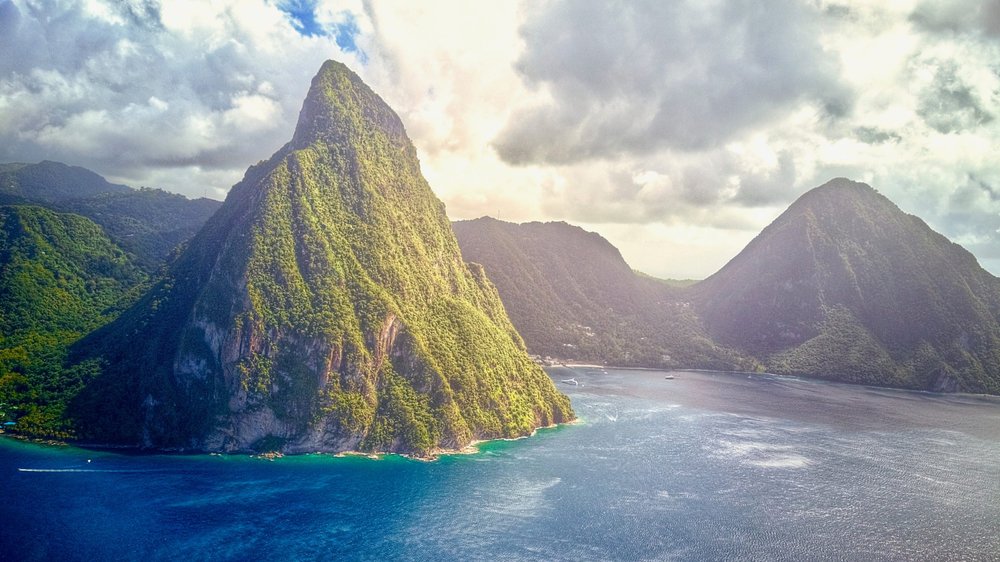
Sugar Beach
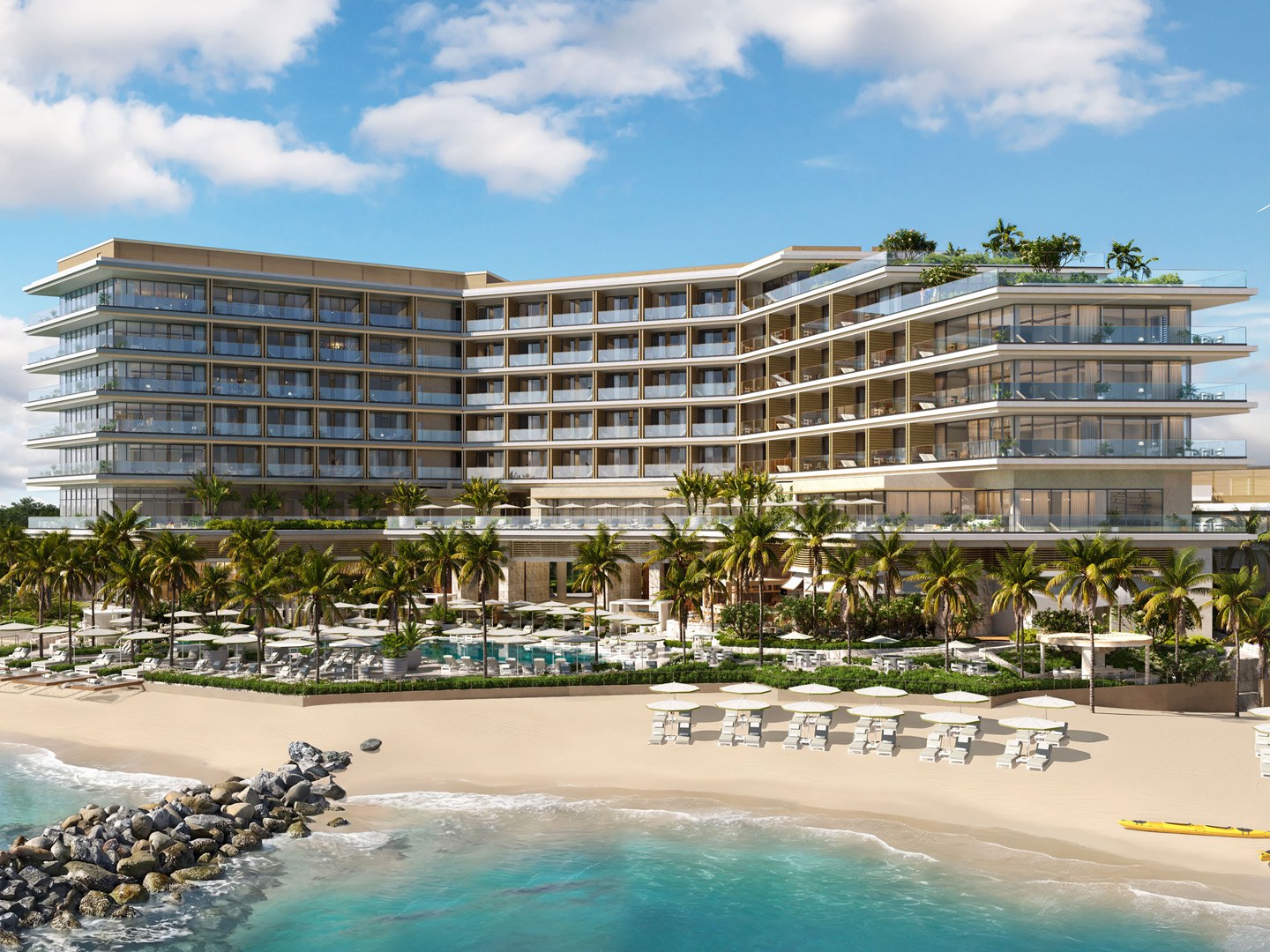
Pendry Residences Barbados
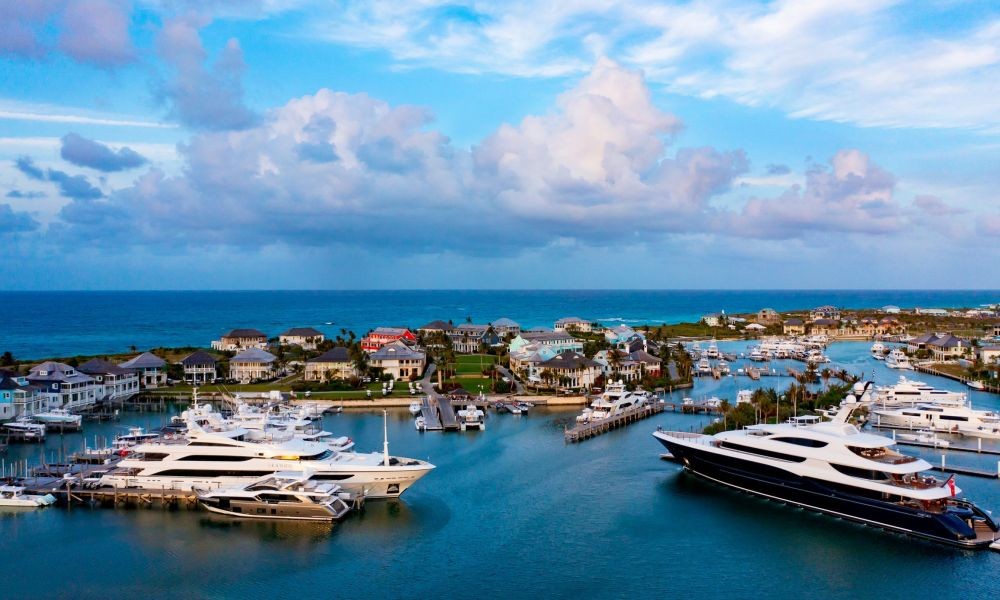
Baker's Bay
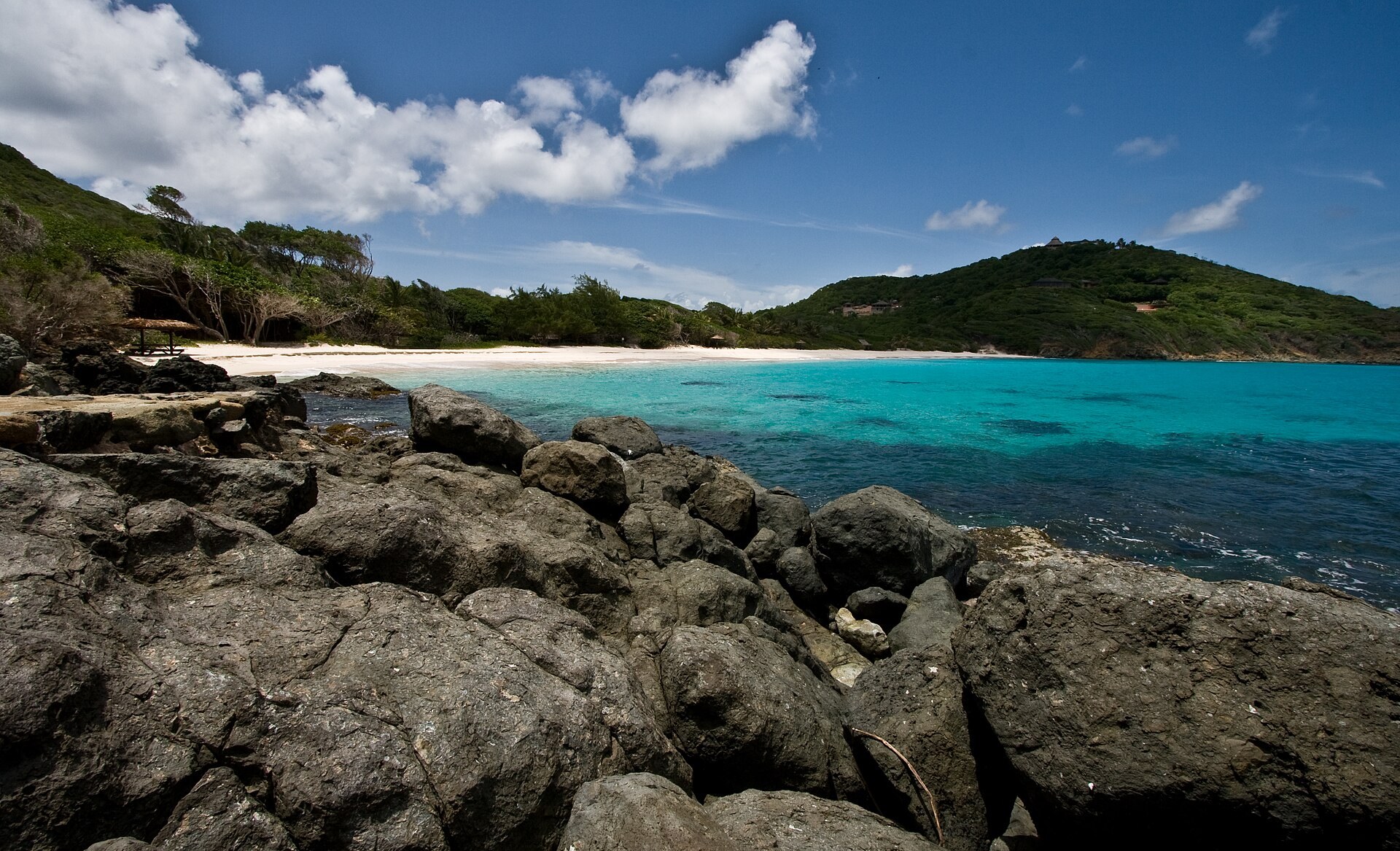
Mustique
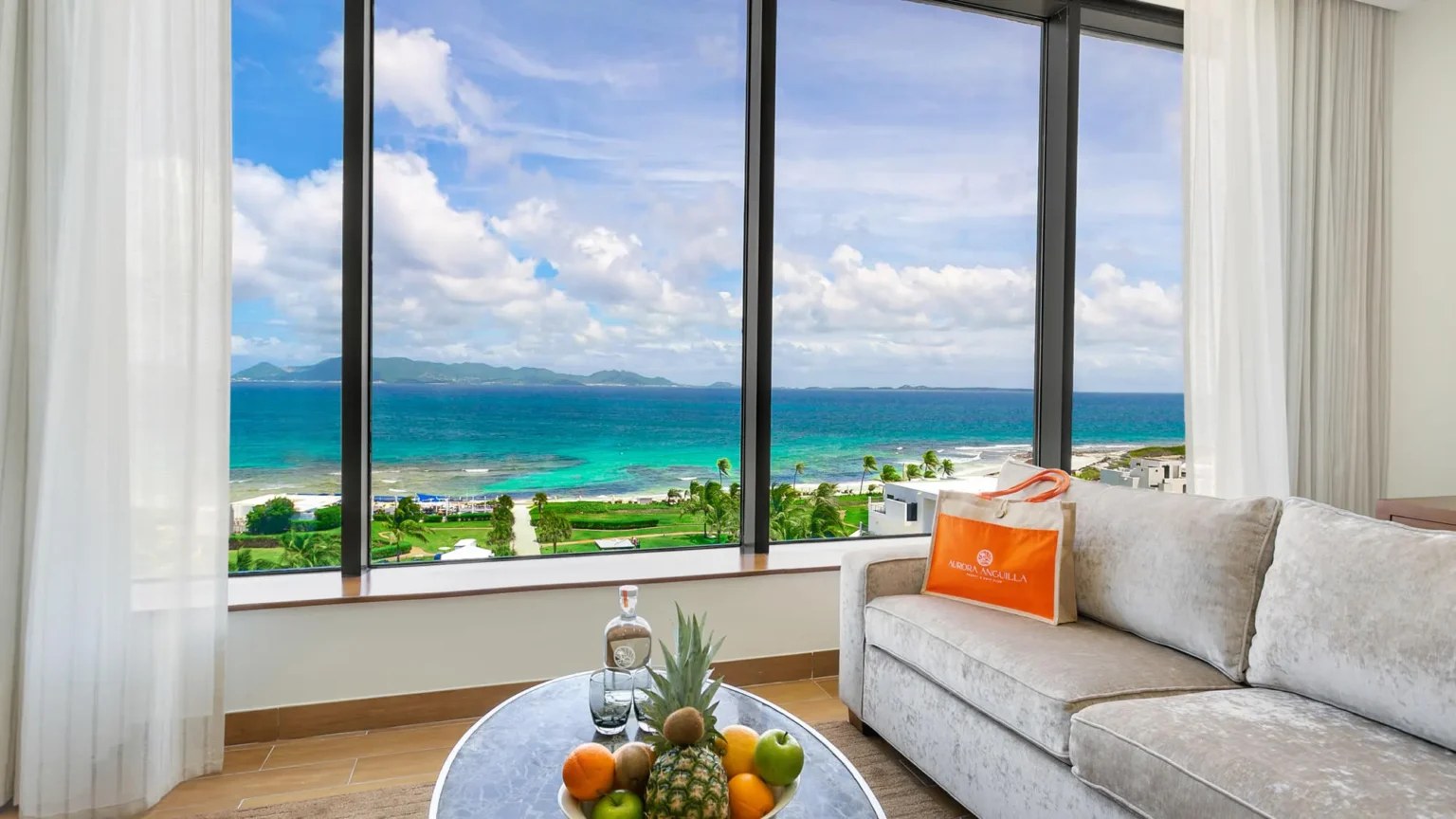
Aurora Anguilla
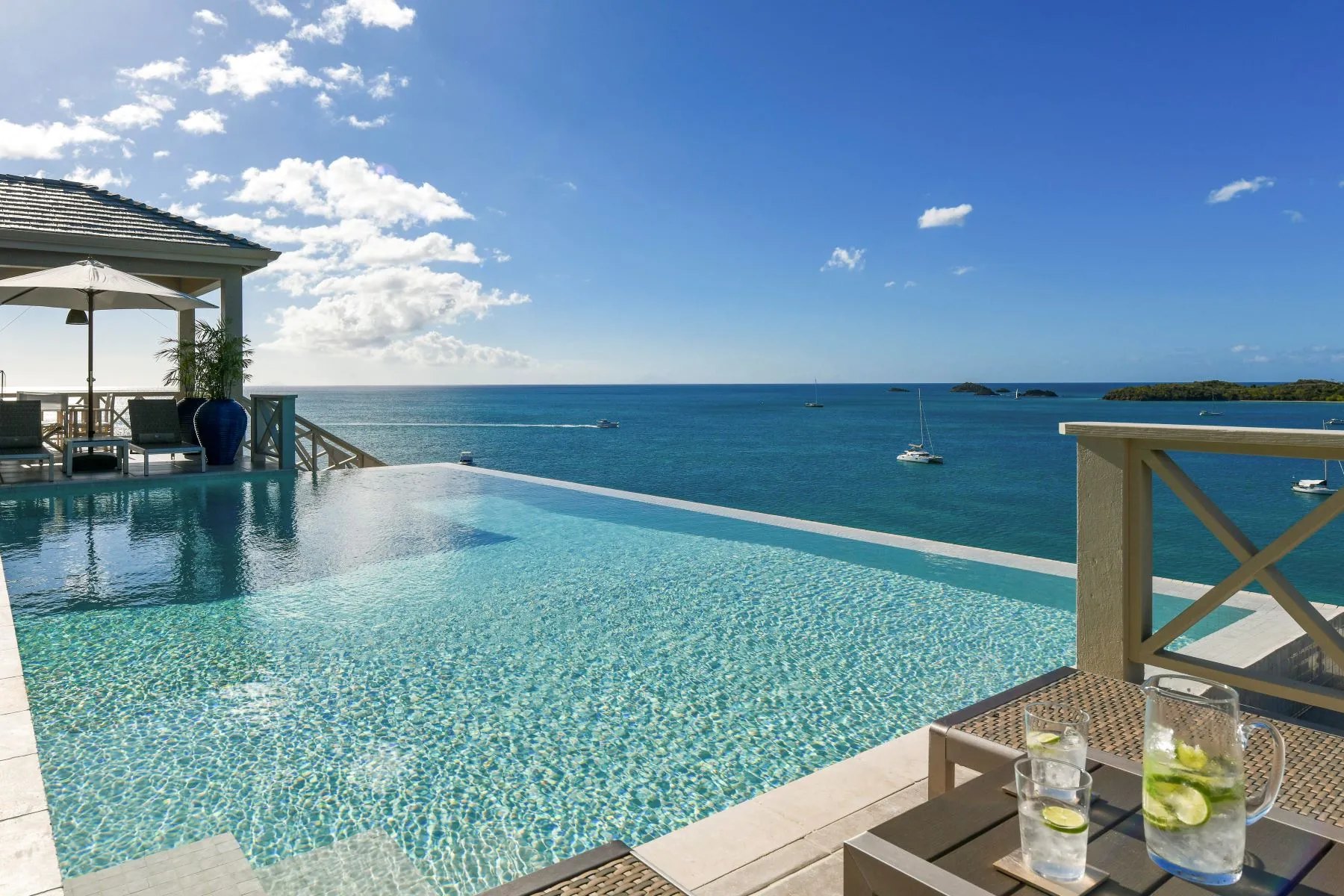
Luxury Developments in Antigua

Barbuda Beachfront Residences
Global capital used to skip this region
In May 2025 a St. Kitts government press release named Blackstone as a counterparty. Safe Harbor Marinas — the 138-marina platform Blackstone Infrastructure had just acquired for US$5.65 billion, closing on 30 April 2025 — bought the marina at Christophe Harbour outright, with plans to expand it for superyachts up to 350 feet. For most of the past two decades, development in the Eastern Caribbean was funded from three places: family developers with generational patience, regional banks willing to carry debt for years rather than force a sale, and citizenship-program money recycled through real-estate thresholds. An infrastructure fund of that size was not one of them.
What changed is the asset type doing the attracting. A marina produces recurring, largely dollar-denominated revenue — berthing, fuel, storage, superyacht servicing — that reads to an infrastructure investor more like a toll road than a beach house. Once one category of Caribbean hard asset became underwritable at institutional scale, the rest of the board moved with it.
Branded residences are now the default at the top of the market
Savills counted roughly 910 branded residential schemes operating worldwide at the end of 2025 — up 19% in a single year from 764, and close to triple the 323 that existed in 2015 — and names the Caribbean a leading cluster in the Americas. That is one of the fastest-growing categories in global real estate. At the top of the Caribbean market, unbranded is now the exception.
The reason is practical rather than aspirational. A brand solves three problems specific to owning here: management at a distance, when salt, storms and vegetation work on a house for the forty-eight weeks a year the owner is somewhere else; trust in a market with thin comparable-sales data and a real history of unfinished projects; and a resale pool that is defined and recognisable rather than whoever happens to be looking at that stretch of beach.
The cost is a premium at purchase, ongoing fees, and rules about when you may use your own property. Savills puts that premium at roughly 33% over comparable unbranded stock worldwide, rising to about 39% at resort locations — the category nearly every Caribbean branded scheme sits in. It is defensible for an owner who is genuinely absent ten or eleven months a year. It is much harder to defend for someone who will be there half the year and run the place themselves, and Dan says so. The trade-off is set out on branded residences and graded property by property in an honest ranking of six of them.
Where the capital is actually going
The projects below are the ones with disclosed or developer-stated figures attached. Read the wording carefully: only the Blackstone number is an audited, arm’s-length price. The rest are what the developer has said, which is useful as direction and useless as a valuation.
- Range Developments — Six Senses La Sagesse in Grenada opened in April 2024, an InterContinental Grenada targets 2026, and in Dominica the InterContinental Cabrits is open with the first phase of Port Cabrits Marina targeted for June 2026
- Atlas Group’s A’ila at Rodney Bay, St. Lucia — a developer-stated US$1.3 billion across all phases, not audited; the wellness component opened in spring 2026
- Canelles Resort at Micoud, St. Lucia — 380 oceanfront apartments across eleven buildings, cited at US$740 million, managed by AMResorts
- The Palace Company in Turks & Caicos — US$1.2 billion for two resorts on a 40-acre Providenciales site, agreed in August 2025 and described as the largest private investment in the territory’s history
- Windward Development’s South Bank, anchored by the Arc tower — more than US$300 million in developer-reported sales, completion scheduled for 2026
- Beaches Turks & Caicos — a US$150 million, 101-suite Treasure Beach Village expansion, opened in spring 2026
One pattern there matters more than the totals. Three of the projects above are in Turks & Caicos, which runs no citizenship program at all. If this capital were chasing passport demand it would cluster in the five program islands, and it does not. It is underwriting tourism demand, superyacht traffic and hard-asset fundamentals that exist with or without citizenship by investment — the full deal board, dated and sourced, is in the institutional wave.
Airlift is the variable that reprices whole islands
Caribbean values track flight access more tightly than almost anything else, because access sets the size of the buyer pool, the depth of the rental market and how often an owner actually turns up. Barbuda’s jet-capable airport opened in 2024, three years after the Privy Council ruling that made the land buyable, and the buyers followed in that order. Nevis broke ground on 1 July 2026 on an eighteen-month runway extension, from roughly 4,000 feet toward a reported 5,500 to 6,000, with an apron sized for up to fifty executive jets. Dominica’s international airport, with a runway sized for widebodies, is targeted for 2027. Barbados carried a record 2.4 million passengers in 2025 across roughly 36 nonstop destinations. American is adding a second daily Miami nonstop to St. Kitts for winter 2026–27.
Each of those is more consequential to its market than any individual development on it. An announced airport is not a finished one, and Dan plans around the longer end of any published timeline — but this is where the region reprices, and it is why the practice weights airlift ahead of almost every other input. The wider picture is mapped in the future of luxury Caribbean real estate.
What a boom does to a private buyer
Three effects, and only one is unambiguously good for an owner. New capital arrives as inventory, and inventory is competition: 380 units at Canelles, two full resorts on forty acres in Providenciales, 101 more suites at Beaches. Each is a room competing for your guest and, eventually, a unit competing with your resale listing — landing in concentrated bursts on small islands rather than drifting into a large market.
The competition also gets better, not just bigger. IHG, Six Senses, AMResorts and the Sandals family bring revenue management, global loyalty distribution and marketing budgets an individually owned condominium will never have. A stronger destination lifts everyone’s occupancy; it also closes the era when a well-placed private rental could quietly out-earn the resort down the road. Anyone quoting a yield percentage on a project that has not been built is reading a developer’s pro forma.
The genuine upside is the infrastructure. A marina rebuilt for 350-foot yachts, a longer runway, a branded hotel that fills seats on the route you fly — that is durable value accruing to every owner nearby, including the ones who paid nothing for it. In this region that is where institutional money has actually moved prices: not by bidding up villas, but by lifting the ceiling that was capping the whole market.
One further change sits underneath the list above. In March 2024 four of the five program governments signed a Memorandum of Agreement setting a US$200,000 floor under every citizenship-by-investment option, with St. Lucia joining that June and the floor effective from 1 July 2024. It ended a discounting war and repriced the entry point of every approved development in the region. Where a project on this page is approved, that changes both what it costs and who the eventual resale buyer has to be — the mechanics are on CBI-approved real estate.
Dan Merriam & Associates keeps five offices — Four Seasons Nevis, Marriott St. Kitts, Jolly Harbour in Antigua, Castries in St. Lucia and Portsmouth in Dominica — which is how the team walks a site before a client flies. Pricelists, floorplans, current availability and the underwriting behind each project are shared privately — start with a short call, or see the individual units on current listings.
Figures on this page are dated and sourced, and the values marked developer-stated are not audited. Route networks and construction timelines move every season here, so anything load-bearing is re-confirmed before it is acted on.
What I actually do at pre-construction
Buying off-plan in this region is a different exercise from buying a finished home, and it is where the money is genuinely at risk. The questions worth answering before a deposit moves:
- Where does the deposit sit? A deposit held in a regulated escrow account is a different instrument from one paid directly to the developer's operating account. Ask which it is, in writing, and who the escrow agent is.
- What triggers each stage payment? Payments tied to certified construction milestones behave very differently from payments tied to calendar dates. Calendar-linked schedules transfer delay risk to you.
- What happens if the brand leaves? Operator agreements have terms and they end. This region has already seen flags change on delivered projects. Ask what your contract says if the name on the building changes before or after completion.
- What is the remedy for late delivery? A long-stop date with a defined exit is worth more than a penalty clause you would have to litigate offshore to enforce.
- Who is the developer, on previous projects? Delivery history in the Caribbean is the single most predictive fact available, and it is public if you know where to look.
None of this is a reason not to buy off-plan — the best pricing in the region is pre-completion, and that is precisely why the discount exists. It is a reason to have the contract read by someone whose fee does not depend on the sale closing.
Where citizenship fits
Several of the developments below sit inside a citizenship-by-investment program; several deliberately do not. A project being CBI-approved tells you it clears a government threshold — it tells you nothing about whether it is a good asset, and the two questions should be underwritten separately. Where a program is involved, read the qualifying figure carefully: the headline number and the number a sole buyer needs are not always the same, and the holding period runs from completion, not from contract.
Want the full picture?
Book a call to access pricelists, floorplans and underwriting in the private dataroom.
Book a Private CallDan Merriam & Associates acts for the buyer. Our advice is independent, not contingent on any sale, and we hold no brokerage or developer mandate.