Caribbean Real Estate
Every market on this page is one I work myself. What separates them is not the beaches — it is the paperwork: which islands make a foreign buyer apply for a landholding licence, which ones tax the transfer and at what rate, and which citizenship programs have approved inventory at the threshold today.
I live in Nevis, my own office is at Four Seasons Resort Estates and my team works from four more across the region, and I went through the citizenship process myself in 2022 as an applicant rather than an advisor. This is the briefing I would otherwise give you on a first call.
Start with what surprises people who have closed deals everywhere else. In almost every jurisdiction here a non-citizen must ask the government’s permission before holding land. The fee ranges from a few thousand dollars to ten per cent of the price and the wait from six weeks to well over a year — getting either wrong is the commonest reason a closing slips.
The landholding licence is the first fact, not the last
Across the five citizenship islands the licence generally runs 5–10% of the price and takes three to six months. St Kitts & Nevis charges 10%, usually approved in around three months. Antigua & Barbuda charges 5%. Grenada charges 10% net of contents and asks for a police record, two character references and a banker’s reference. Dominica’s statute is written around acreage, but the Invest Dominica Authority applies its 10% fee to foreign purchases generally. St. Lucia charges flat statutory fees instead of a percentage — a Certificate of Eligibility at US$3,000 for one year or US$10,000 for ten, then a licence tiered by acreage.
The exemption is what gets misquoted, in both directions. Buy citizenship-approved real estate in St Kitts & Nevis, Antigua & Barbuda or Grenada and the licence is usually waived entirely, fee included. Dominica and St. Lucia have no equivalent blanket carve-out. I have watched a buyer budget a full 10% against a purchase that never needed it, and the opposite mistake costs more. The licence-by-licence detail for every jurisdiction I work in sits in its own guide.
Outside the citizenship five it gets harder, not easier — Anguilla adds a government interview and a two-month window to collect the licence once granted. Barbados, Cayman and Turks & Caicos impose none at all, which is part of why they price the way they do. The Bahamas is not licence-free: an owner-occupied single-family home is registered after closing, but undeveloped land, larger holdings and anything bought to rent need a permit first.
Closing costs, currency and financing
Two identical villas at US$800,000 on different islands can land a buyer six figures apart at closing. Dominica carries the heaviest buyer stack of the five — roughly 16.5% all-in on the Invest Dominica Authority’s own figures, once the 10% alien fee, stamp duty, judicial and assurance-fund charges, solicitor’s fees and VAT on those fees are added. Antigua is cleaner at about 7.5% to government before legal fees, and Grenada runs its 10% licence plus roughly 1% stamp duty and 2% legal. In St Kitts & Nevis stamp duty is vendor-paid and the rate is genuinely disputed between sources I otherwise trust, so I confirm it with the attorney on the file rather than quote it. And Grenada’s widely cited 15% property transfer tax is vendor-side on a non-national seller, not a buyer cost — I have seen it budgeted as one.
The unlicensed markets have their own arithmetic. A non-Bahamian pays a flat 10% VAT on the conveyance regardless of price. Cayman charges a one-time 7.5% stamp duty, rising to 10% above CI$2 million from 1 January 2026. Barbados applies no foreign-buyer surcharge, but purchase funds must be registered with the Central Bank of Barbados to preserve the right to take them out again — the most-missed step I see on a Barbados file.
Currency is the dull part, which is how you want it: the Eastern Caribbean dollar has been fixed at EC$2.70 to US$1 since 1976. Financing is not dull — expect 50–70% loan-to-value, rates near 5–7% in Barbados, the Bahamas and Cayman and materially higher across the smaller islands, and three to six months to funding. A villa you cannot finance is, in practice, a cash purchase.
Hurricanes, insurance, and what it costs to hold
I sell property here and I still open with this. Hurricane Beryl became the earliest Category 5 ever recorded in the Atlantic when it struck Grenada’s Carriacou on 1 July 2024, and preliminary assessments found 98% of structures on Carriacou and Petite Martinique damaged or destroyed — on an island long marketed as sitting below the hurricane belt. Melissa hit western Jamaica as a Category 5 in October 2025, after which CCRIF, the region’s catastrophe risk facility, made the largest payouts in its history.
Insurers have repriced accordingly — double-digit premium increases in the more exposed markets, several carriers withdrawing from the highest-risk islands. The response is unglamorous: concrete, elevation above surge, rated roofs and shutters, and a written insurance quote on the actual building before you sign. On some islands the line between insurable and uninsurable is the line between an asset and a liability.
Then the island keeps charging you. Association dues in comparable resort communities typically run US$1,000–4,500 a year, north of US$10,000 once club dues stack on, with condominium fees commonly US$400–900 a month, and electricity averages around US$0.25 per kilowatt-hour — more than double the US average. “There is no property tax in the Caribbean” is an overclaim: true in Cayman, false in the Bahamas, Barbados, Antigua and most of the region.
Rental yield, honestly
The most misreported number in Caribbean rental marketing is occupancy, because platforms measure booked nights against available nights rather than the calendar. Block a month for your own use and it leaves the denominator. Against a real year, the Bahamas has recently run near 52% occupancy at a US$249 average daily rate and median revenue around US$48,000, and Providenciales sits in the same band despite far higher nightly rates. Barbados is the honest outlier at roughly 68%.
Full-service management typically takes 20–35% of gross revenue, and governments keep closing the gap that made self-management pay. What produces dependable income is branded, professionally managed product, where the operator carries distribution, staffing, institutional-scale insurance and compliance. Savills puts the average global premium for branded residences at 33% over comparable non-branded homes, rising to 39% in resort locations. I think that premium is rational rather than vanity, and the entry price for a genuine rental program starts north of US$1 million. The full arithmetic is here; the short version is buy the flag, or buy for reasons other than income.
What US$300,000, US$1 million and US$5 million actually buy
Around US$300,000. Citizenship-threshold territory, and these are government figures rather than asking prices. Antigua & Barbuda sets a flat US$300,000 real-estate minimum whether one buyer takes it or several. St Kitts & Nevis qualifies approved developments from US$325,000 with a seven-year resale hold. St. Lucia sits at US$300,000 and Dominica at US$200,000, the lowest in the region. Grenada asks US$350,000 from a sole buyer, or US$270,000 per share on a qualifying joint purchase totalling US$540,000 or more, plus a US$50,000 government contribution either way. That buys a share in a resort condominium or a deeded fraction — on the villas I represent, a one-tenth interest from US$325,000 with roughly 12 days of guaranteed annual use.
Around US$1 million. Where a branded residence with a real rental program begins, and where the operator starts absorbing the problems above. One-bedroom residences at Four Seasons Resort Estates Nevis have started around US$1.4 million and Secret Bay’s new waterfront villas near the same — phased releases move, so my team confirms pricing with the sales office rather than a printed list.
Around US$5 million. Whole-villa ownership in the best-located schemes. A whole villa at Pinney’s Beach on Nevis has run close to US$4 million; waterfront lots in Antigua start around US$1.75 million, beachfront residences on Barbuda from around US$7 million. At this level price stops being the constraint; insurability, title and the developer’s completion record become it.
If you are a US person, read this before the price list
US citizens and green-card holders remain taxed by the United States on worldwide income regardless of a second citizenship, and none of the five Caribbean programs has a US income tax treaty. Rental income is reportable, the foreign accounts opened to run the property are reportable, and the ownership structure belongs with your own cross-border counsel before title is taken, not after. Buying here changes your cost base and where you spend your winters. It does not change your filing obligation.
The region is not uniformly tax-free either: of the five citizenship islands, only St Kitts & Nevis and Antigua & Barbuda levy no personal income tax on residents, while Dominica taxes up to 35%, St. Lucia up to 30% and Grenada up to 28%. Where tax is genuinely the objective, Act 60 and Anguilla’s flat tax are what I price against everything else, alongside your own advisers in international tax planning.
What I actually do on a file
- Walk the site before you fly, and photograph what the renderings leave out
- Read the developer’s completion record and capital position — the off-plan checklist, in order
- Confirm a development’s citizenship-approved standing the week you close, not the year the price list was printed
- Get the licence, stamp duty and legal stack quoted in writing by local counsel, and a written insurance quote on the building itself, before an offer goes in
- Say no — where a rental projection does not survive the occupancy math, you hear it before you wire
Where I represent a development it is named as such on its own page; where I do not, I have no relationship with the developer or its selling agent — Fees and thresholds change, and every figure above is confirmed with local counsel before anything is signed.
Who it’s for
Families buying a second home they will actually use
Applicants whose citizenship route runs through property
Anyone handed a rental projection who wants it stress-tested
The markets I work myself.
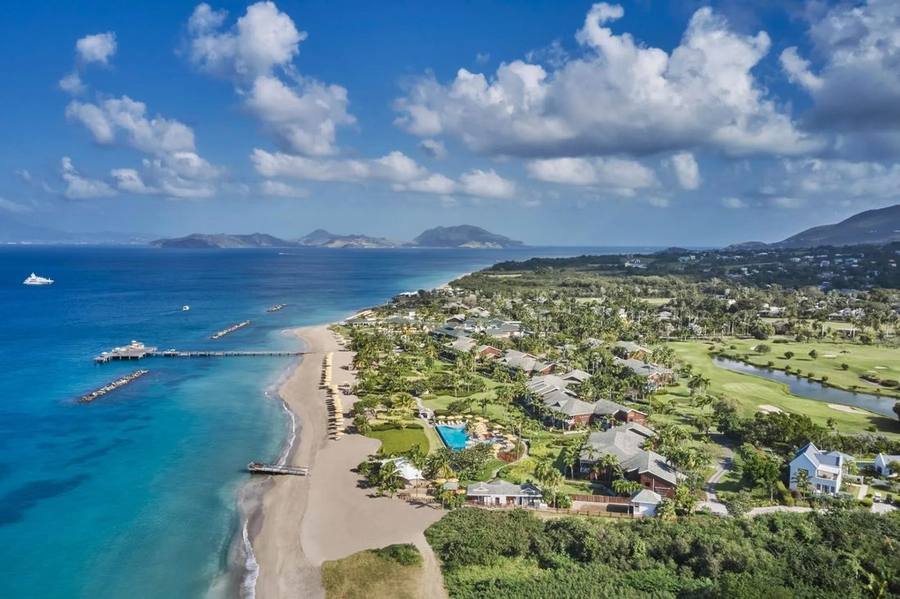
Nevis
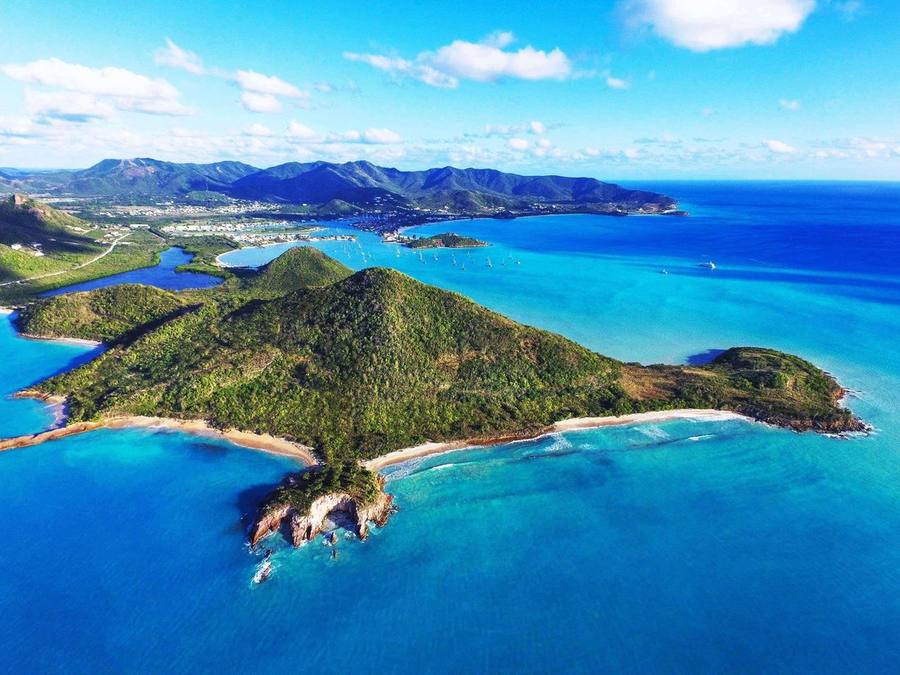
Antigua & Barbuda
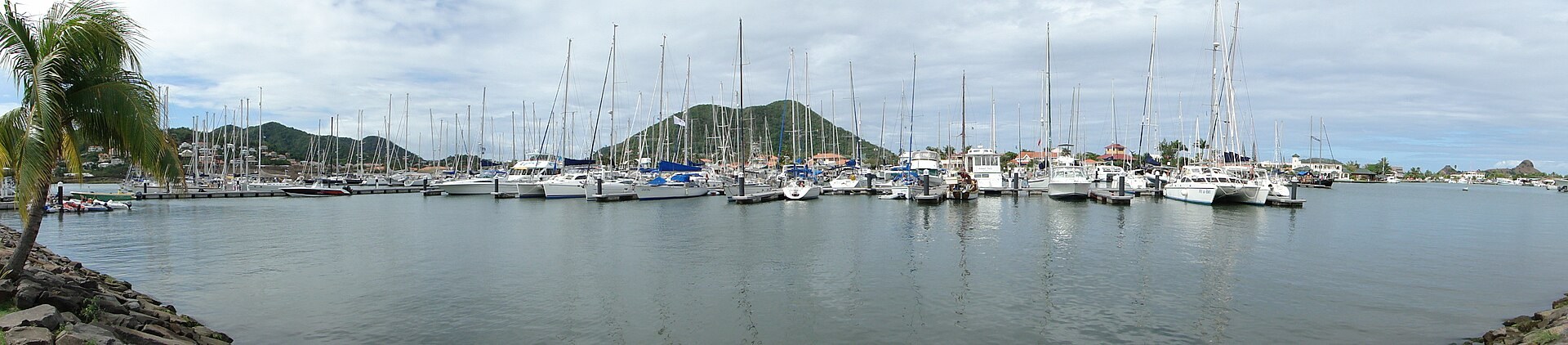
St. Lucia
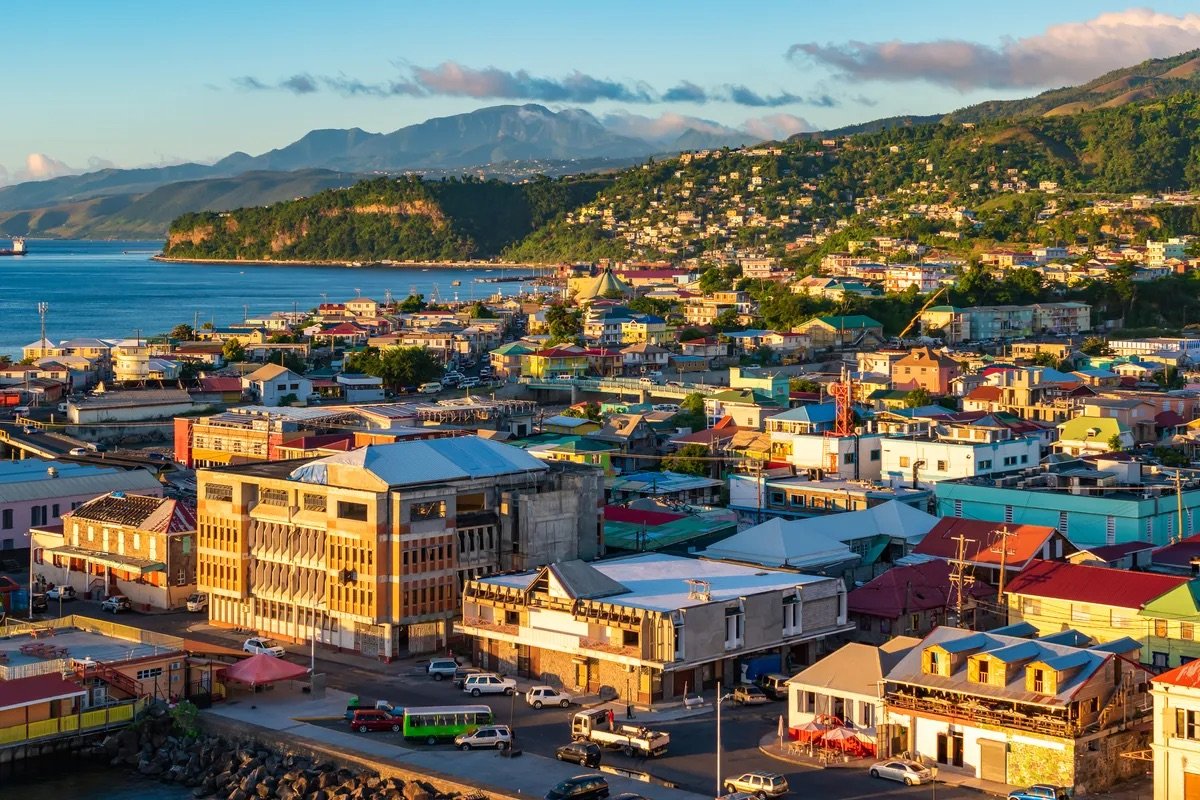
Dominica
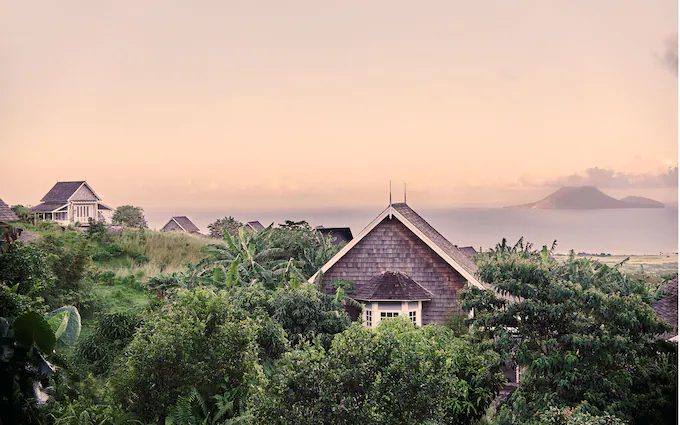
St. Kitts
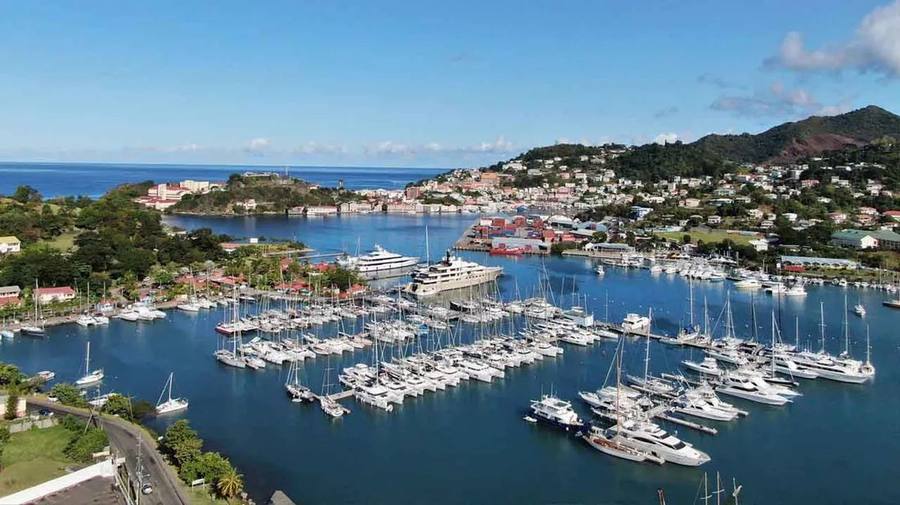
Grenada
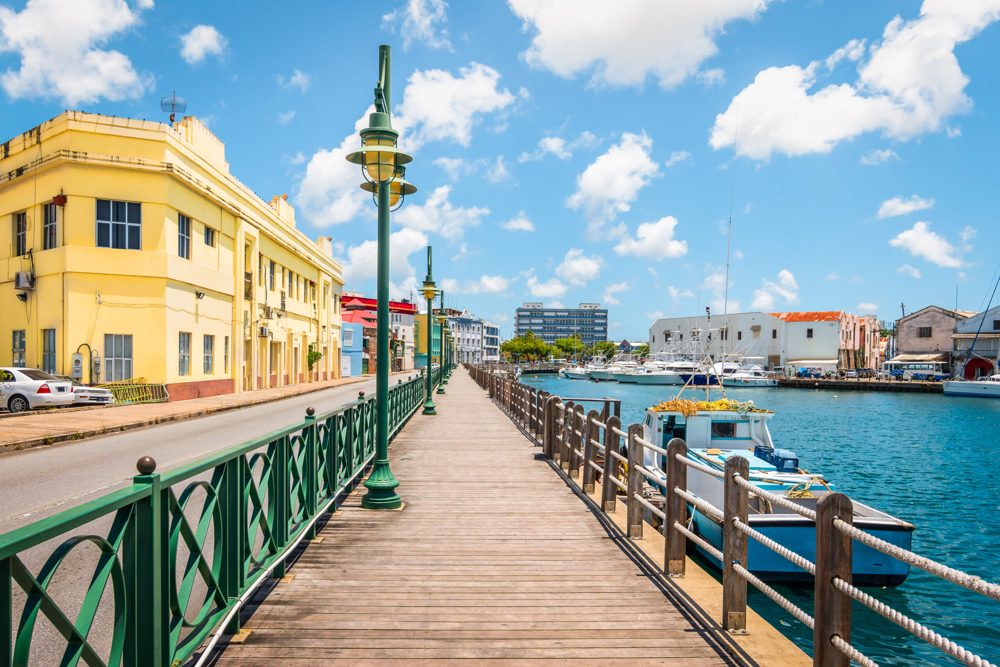
Barbados
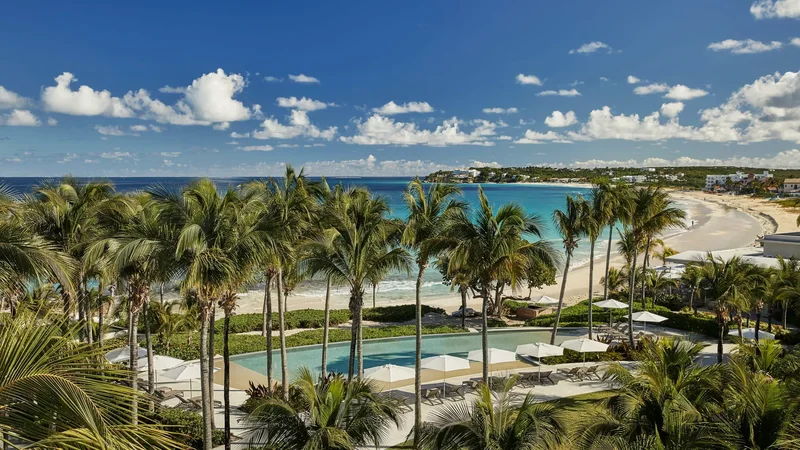
Anguilla
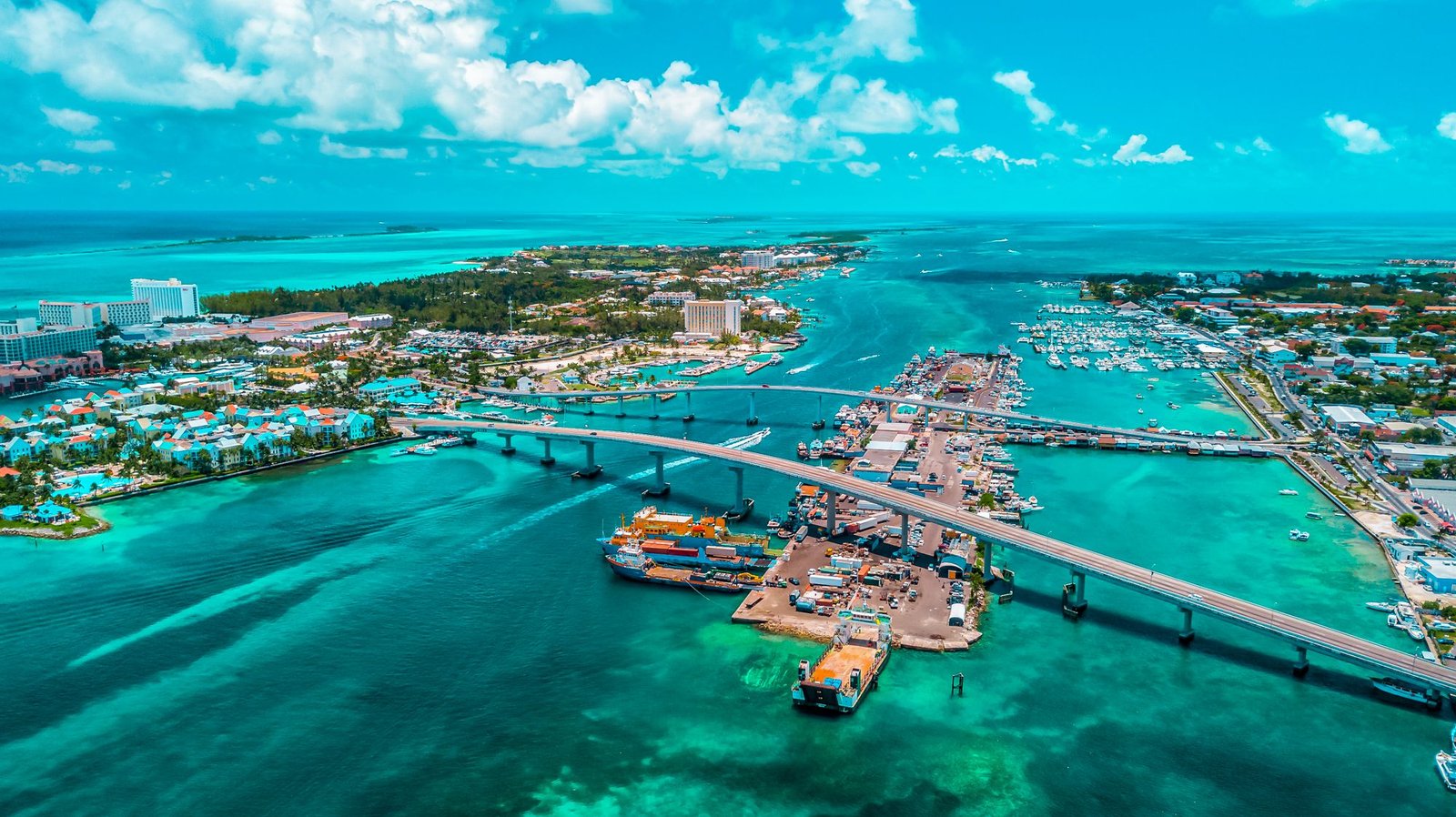
The Bahamas
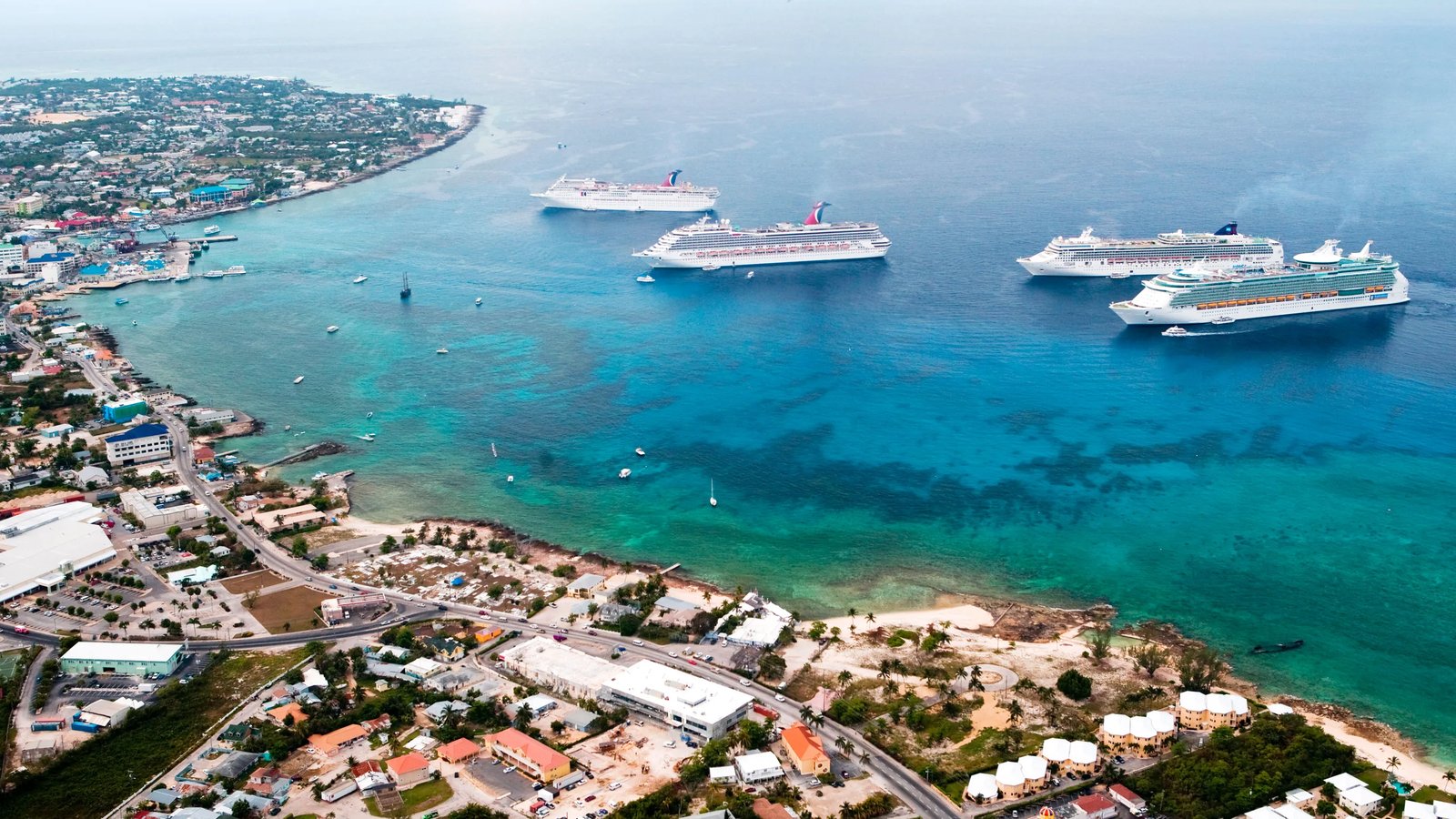
Cayman Islands
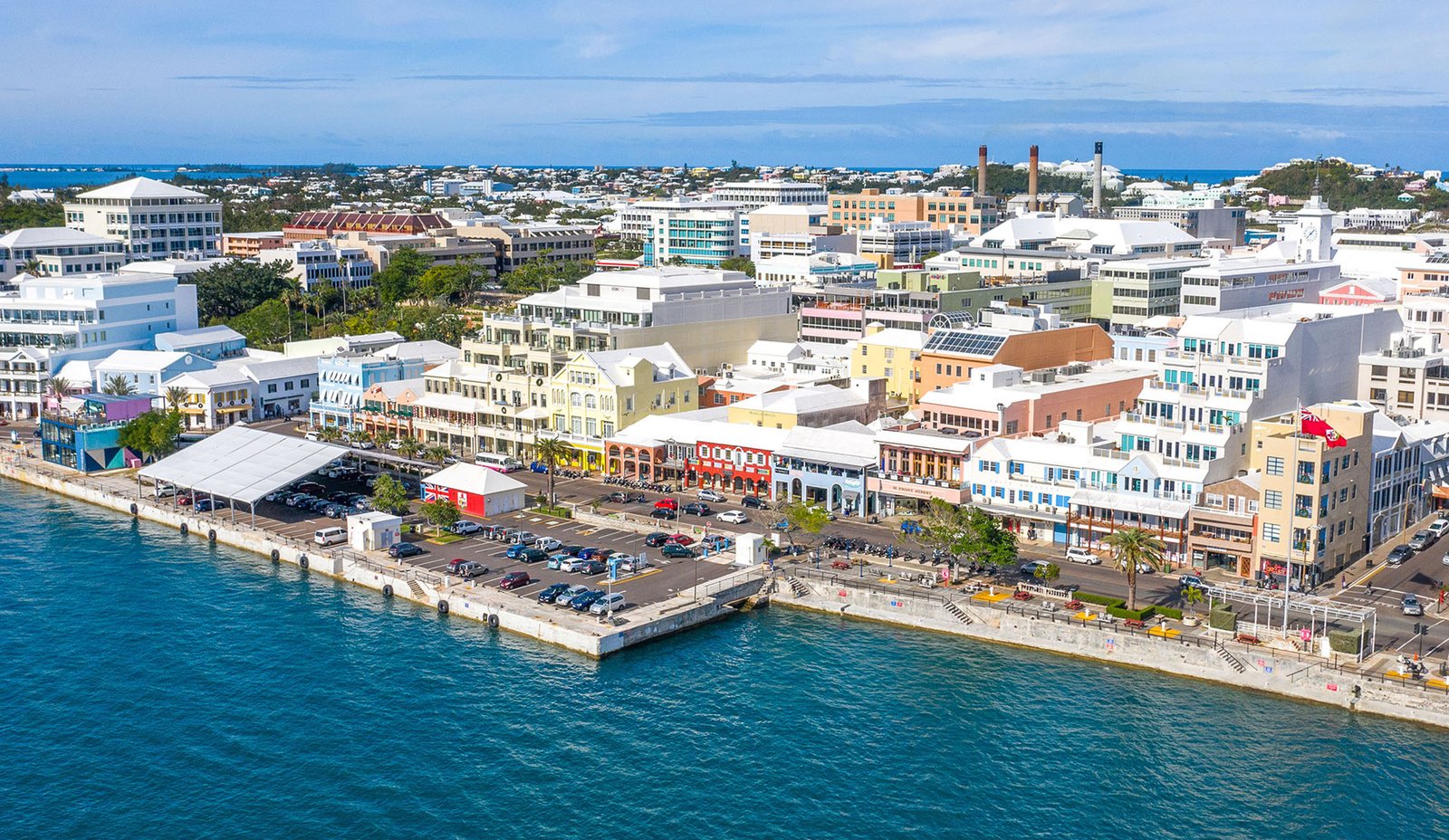
Bermuda
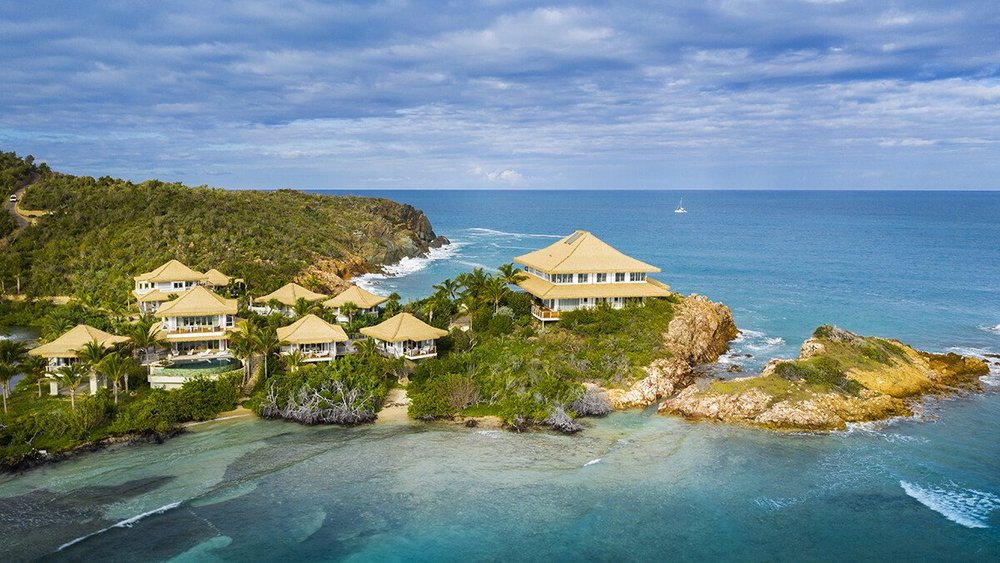
British Virgin Islands
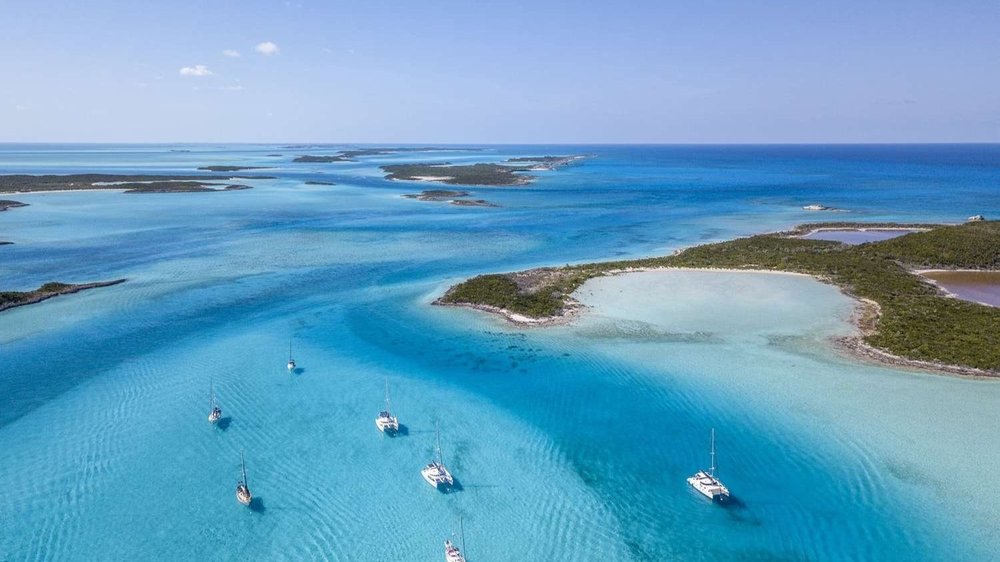
St. Vincent & the Grenadines
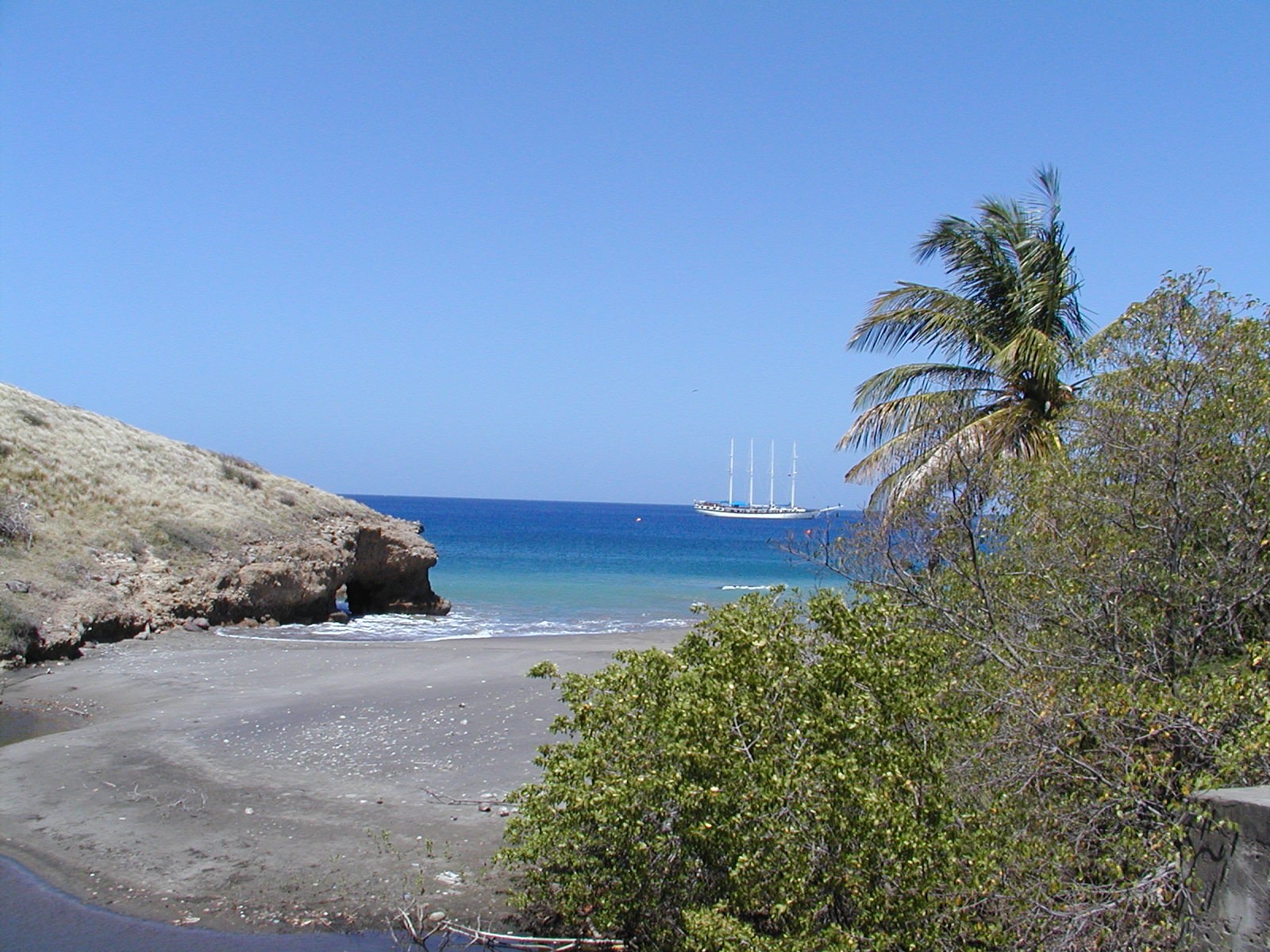
Montserrat
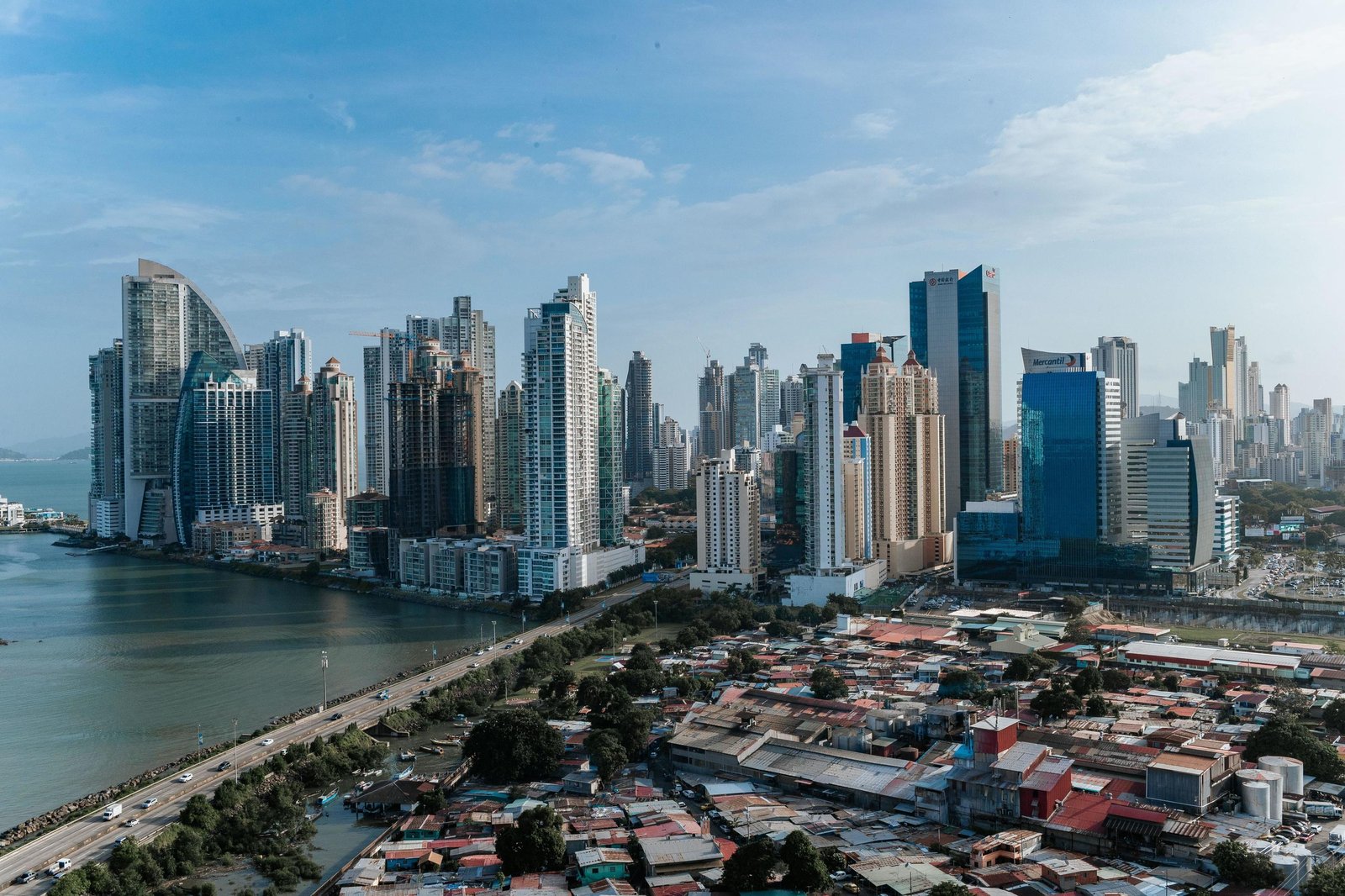
Panama
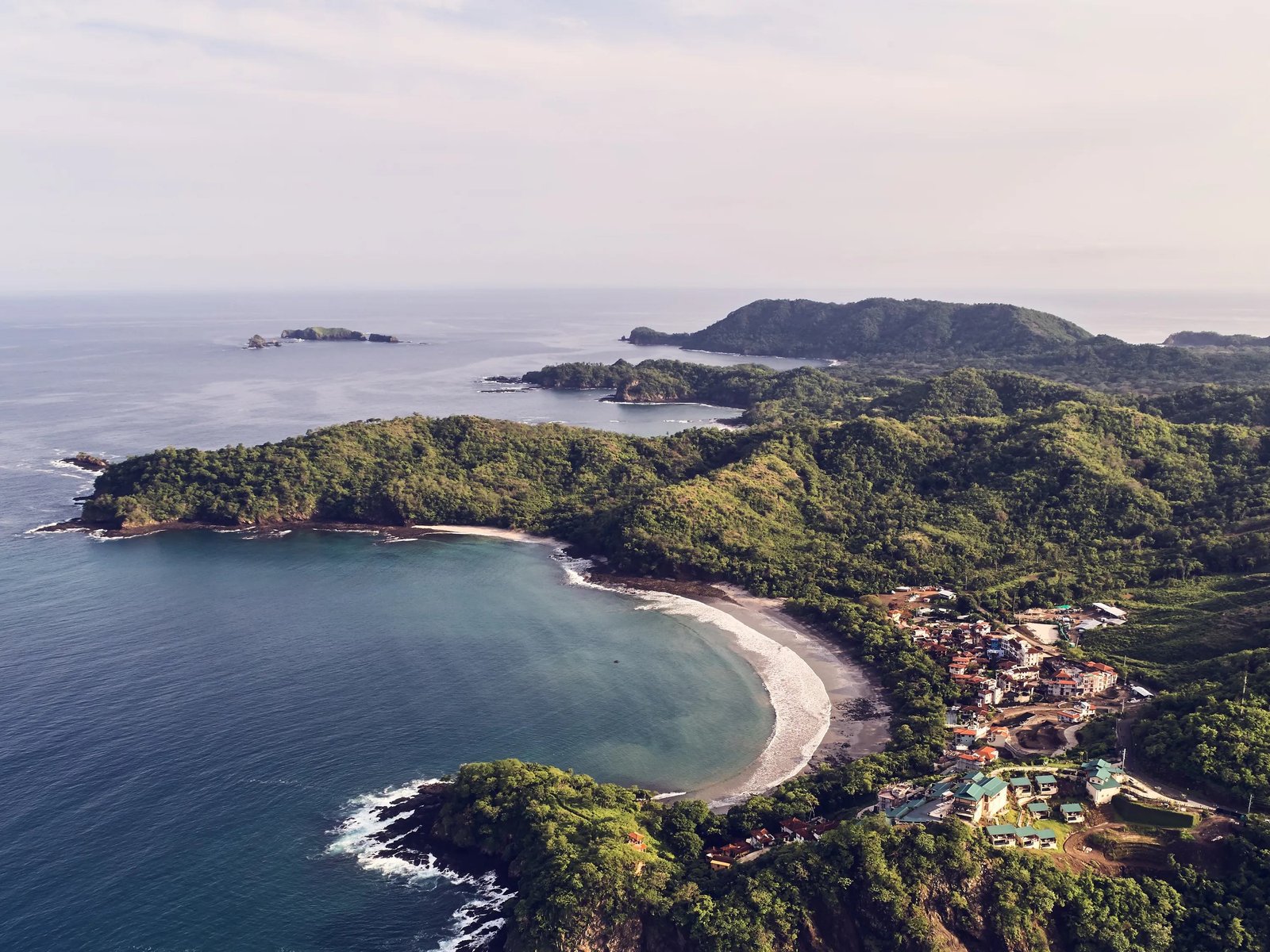
Costa Rica
A note on the tax lines above: they describe the island, not you. Cayman, the Bahamas and Anguilla levy no personal income tax — but a US citizen is still taxed on worldwide income wherever the property sits. Buying here changes your cost base, not your filing obligation.
Featured developments.
Full pricelists and floorplans are shared privately through the dataroom.
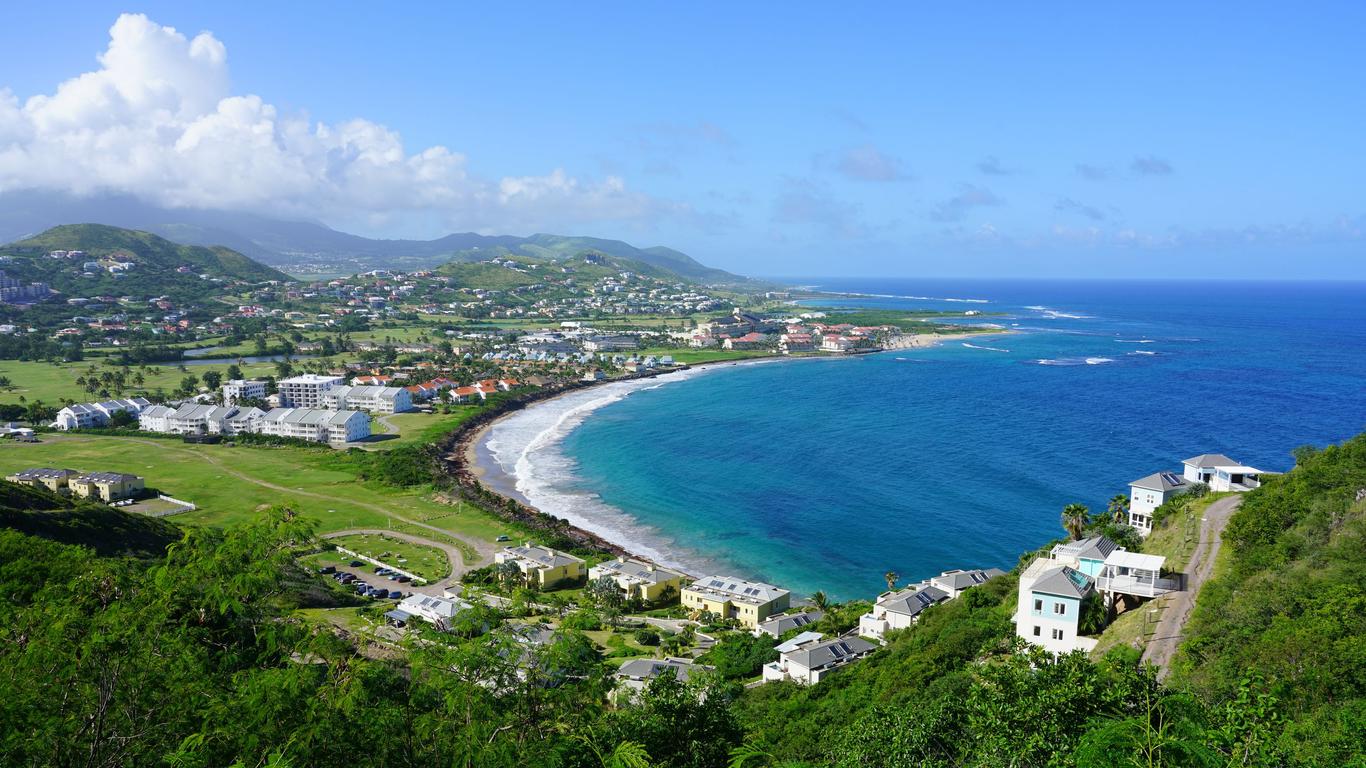
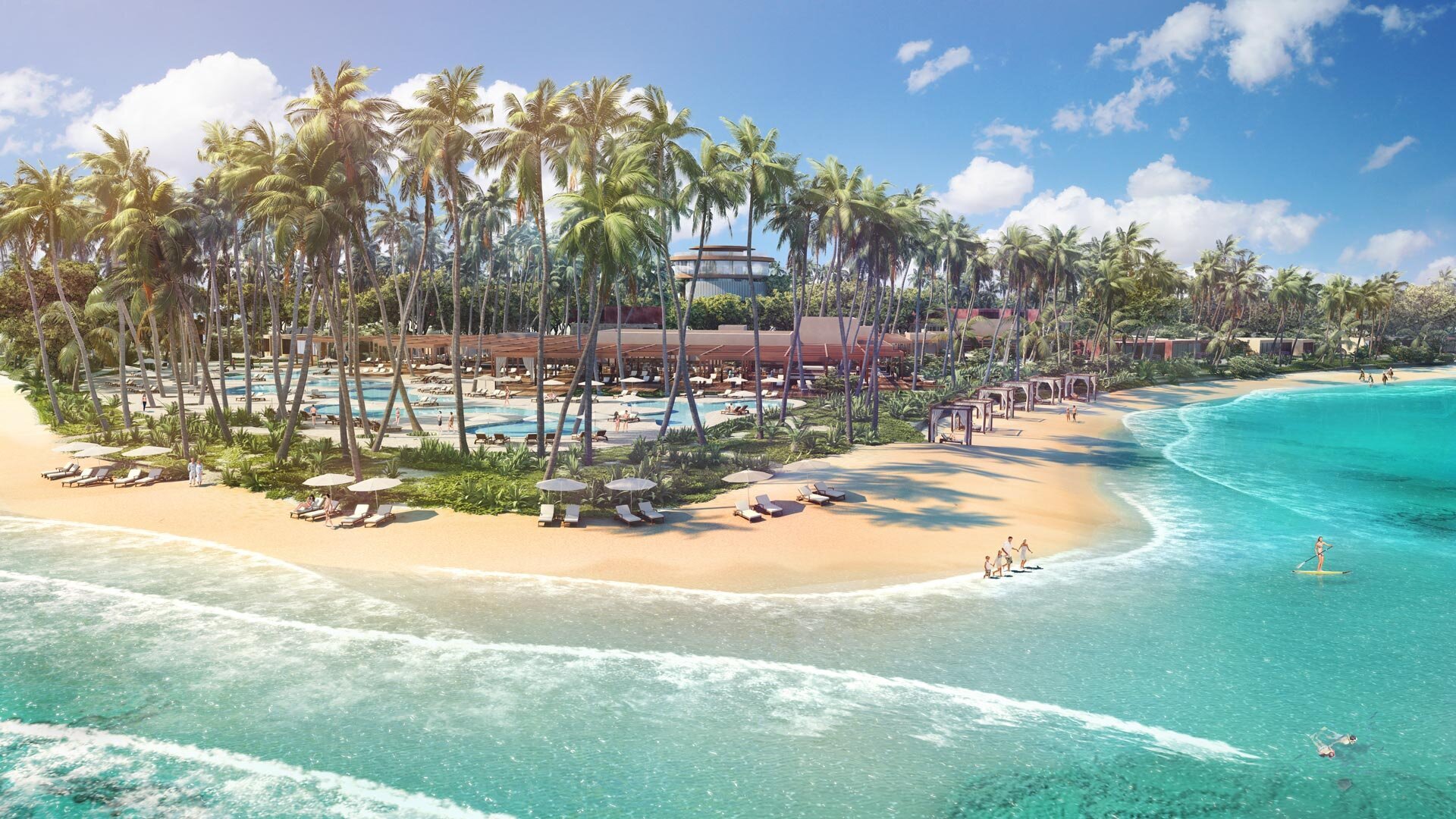
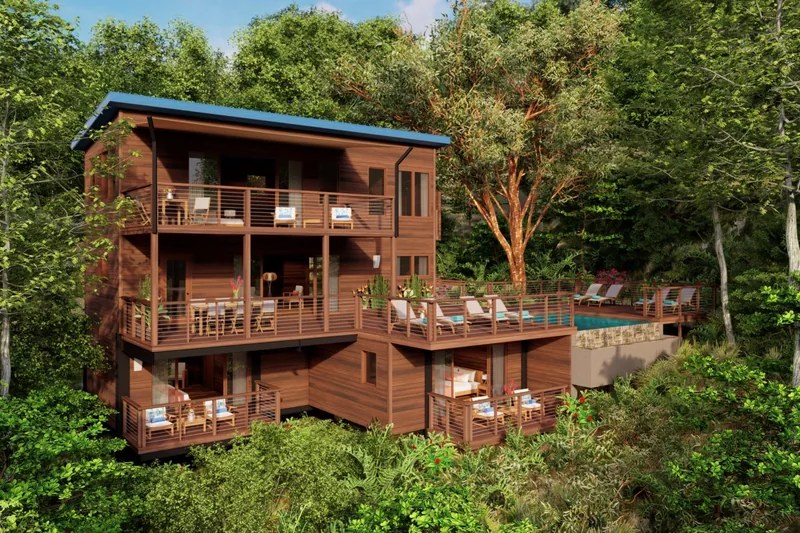
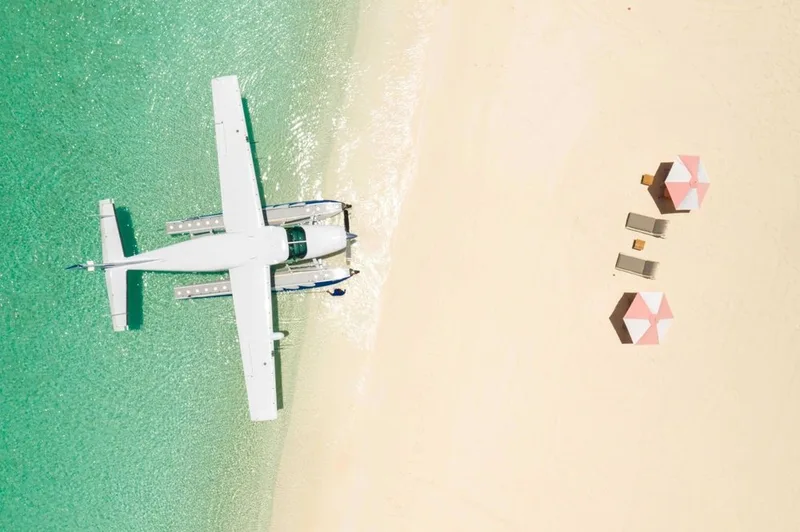
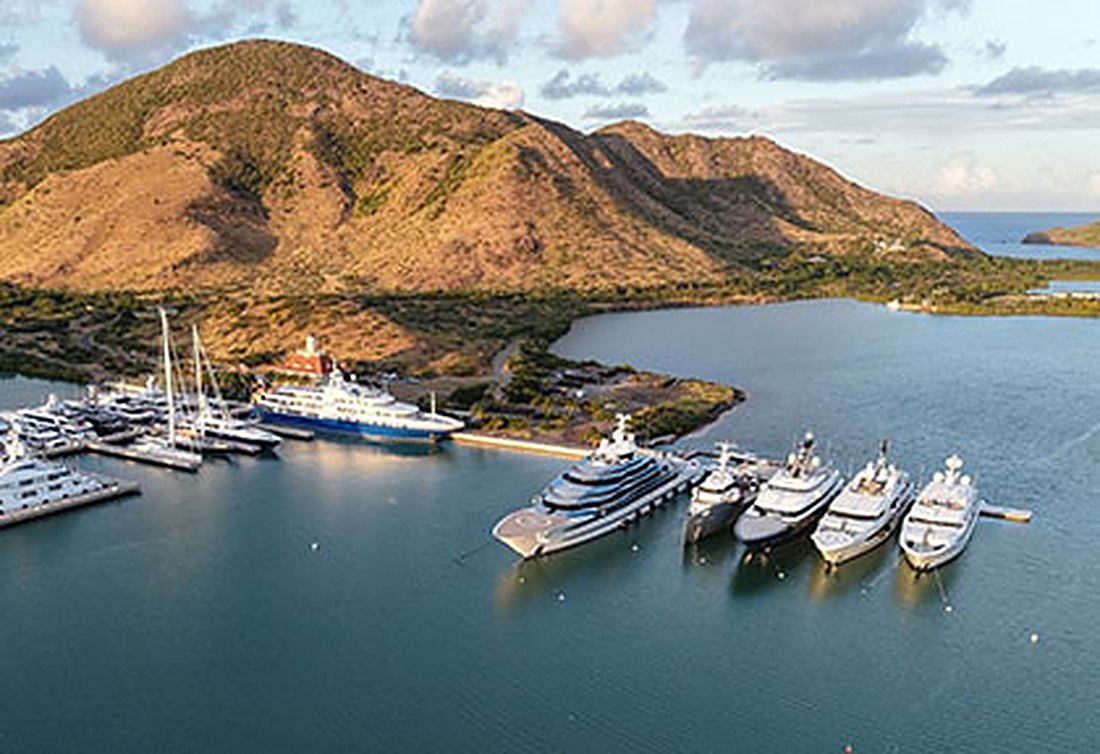
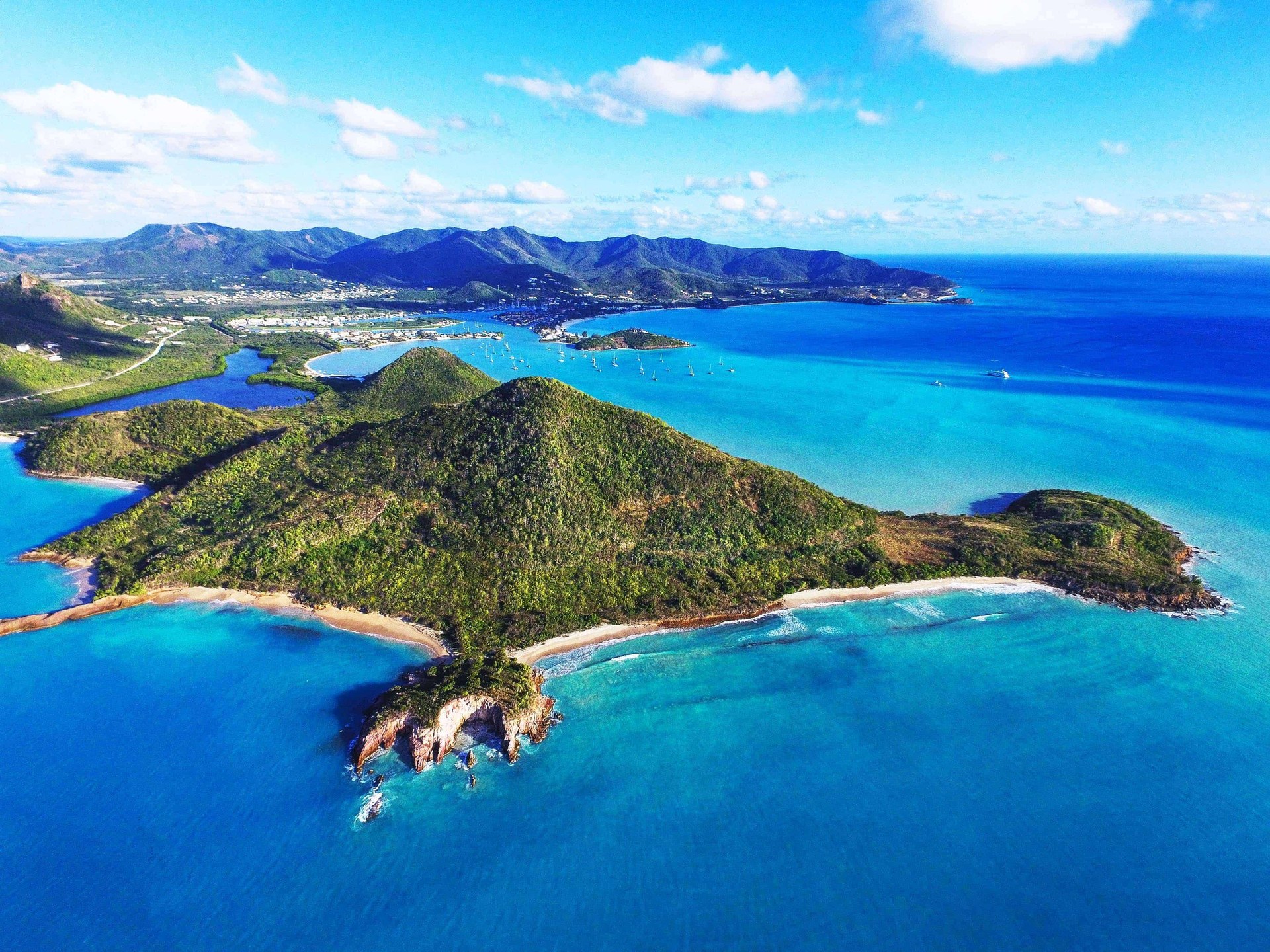
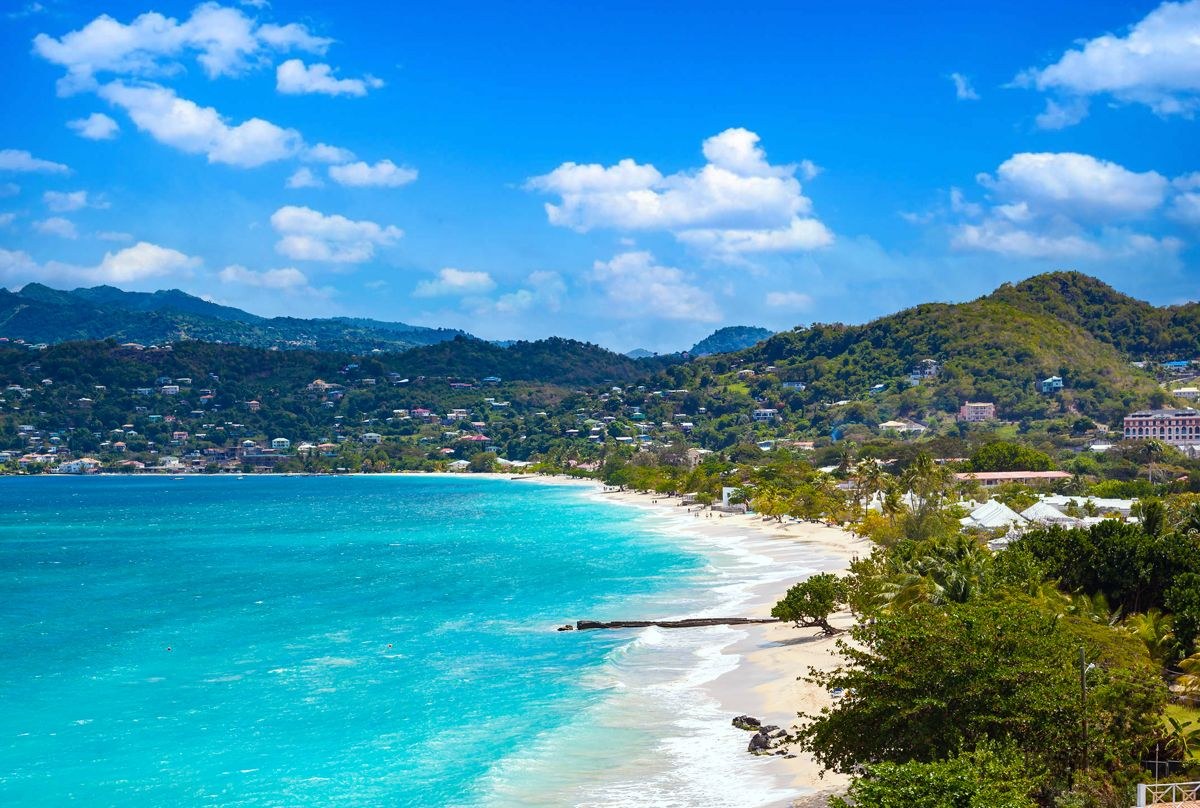
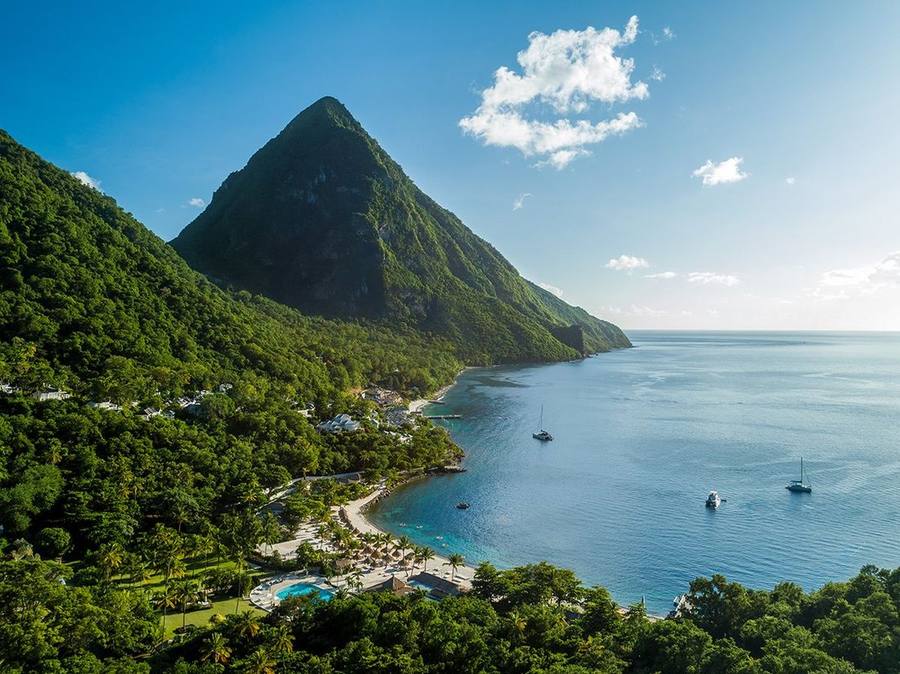
Three ways to own.
CBI-Approved Real Estate
The real-estate route to citizenship — and why “approved” is a government list, not a marketing word.
Branded Residences
Resort-managed ownership under a hospitality flag, at a 33–39% premium the operator earns back in insurance, staffing and occupancy.
Fractional Ownership
A deeded one-tenth interest with roughly 12 days of guaranteed annual use, from US$325,000 on the villas I represent.
What buyers ask before the first call.
Which market should I focus on?
The short version of what I tell people. If citizenship is the point, start with St Kitts & Nevis or Dominica, where approved inventory is deepest at the threshold. If you want the property to earn while you are away, Barbados and Antigua have the rental depth and the airlift. If you want quiet and can be patient about resale, Nevis and Dominica are where price still sits behind product. Where those pull against each other is the conversation — but you should not need a call to get this far.
Do I need a landholding licence as a foreign buyer?
In most of the region, yes: 5–10% of the price across the five citizenship islands, three to six months, with St. Lucia charging flat fees instead. Citizenship-approved property in St Kitts & Nevis, Antigua & Barbuda or Grenada is usually exempt. Barbados, Cayman and Turks & Caicos have no licence regime at all. The Bahamas registers an owner-occupied home after closing but requires a permit for undeveloped land, larger holdings or rental use.
Is Caribbean real estate a route to citizenship?
On an approved development, yes — the purchase satisfies that island’s real-estate route and you still own the asset. Thresholds run from US$200,000 in Dominica to US$350,000 for a sole buyer in Grenada, and approved standing can change, so we confirm it the week you close.
Will the property cover its own costs from rentals?
Rarely, unless it is branded and professionally managed or you run it yourself as a second job. Advertised occupancy measures booked nights against available nights rather than the calendar, management takes 20–35% of gross, and insurance, electricity and service charges run high.
Does buying here change my US tax position?
No. US citizens and green-card holders remain taxed by the United States on worldwide income regardless of a second citizenship, and none of the five Caribbean programs has a US income tax treaty. Rental income and foreign accounts are reportable.
One call, once you have read this.
Bring the shortlist, the budget and the deadline. My team opens the dataroom once I know what is actually relevant to you.
Book a Private Call