Royal Westmoreland
Barbados's established gated golf estate on the west coast — resale villas, building plots and a managed rental program.
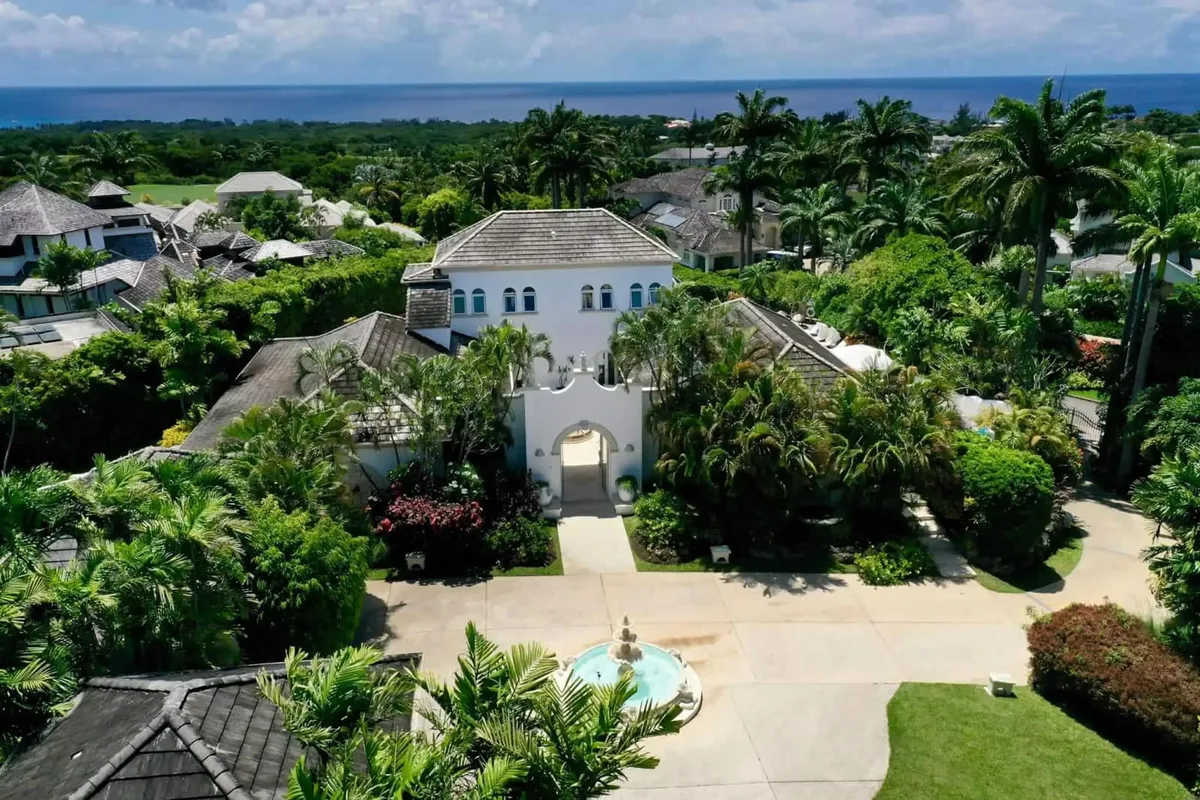
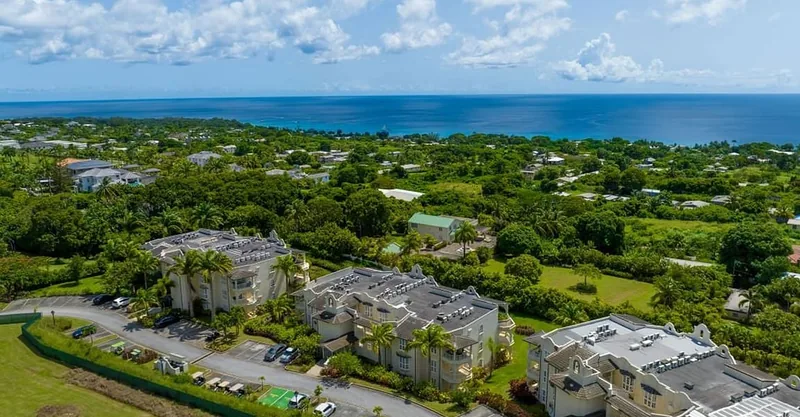
Royal Westmoreland is one of Barbados's most established gated communities — a golf estate on the west coast with a genuine resale market of villas and apartments, building plots for a bespoke home, and a resort-managed rental program. It's a proven, liveable community rather than a launch.
Barbados offers residency rather than citizenship, so this is about lifestyle, a stable west-coast asset and a straightforward base a short flight from the US East Coast. Dan advises on which product — finished villa, apartment or plot — fits the way you'd actually use it.
Royal Westmoreland is a gated golf estate in the parish of St James, on the west coast of Barbados, built around a par-72 Robert Trent Jones Jr. course that Top 100 Golf Courses ranks first in Barbados and seventh in the Caribbean. Title in Barbados is freehold, and non-residents buy here as a matter of routine. In a region where a great deal of "ownership" turns out to be a share in a company that holds a lease, that plainness is worth real money.
The thing buyers get wrong is what the freehold actually includes. It includes a house and the land under it. It does not include the golf, it does not include the beach club — the estate is not beachfront, and the sand is a shuttle ride away at Mullins — and it does not include unrestricted run of the estate in the months you are most likely to be there. Those are membership and pass products, priced separately, and the winter rules are materially tighter than the summer ones. I have watched buyers work the purchase price down to the last pound and then meet the operating side of the estate for the first time after completion. Royal Westmoreland can be a perfectly sound purchase. It is simply not a bundle, and nothing in the sales material goes out of its way to tell you so.
What you actually own at Royal Westmoreland
You are buying freehold title to a house and its plot. Nothing about the estate's amenity offer travels with that title automatically.
The transaction economics favour you on the way in and cost you on the way out, which is the reverse of what most buyers assume:
- Transfer tax and stamp duty are the seller's, not the buyer's. Transfer tax runs at 2.5% and stamp duty at 1% — together 3.5% — and both are paid by the vendor. Where the sale includes a building, the first BBD 150,000 falls outside the transfer tax. Budget that 3.5% against your eventual exit, not your entry.
- Barbados charges no capital gains tax. Whatever the property appreciates, the gain is not taxed locally. Your home country will have its own view.
- Legal fees follow a published scale. For unregistered land: BBD 1,000 up to BBD 25,000, then 2.5% on the next BBD 75,000, 1.5% on the next BBD 100,000, 1.25% on the next BBD 300,000, and 1% thereafter. Conveyancing on registered land is one third of that scale — worth establishing which category your title falls into before you instruct.
- Exchange control governs what comes back out. This is the step people skip and regret. The regime permits repatriation of the original purchase price plus a mark-up of 4–8%, with the balance released in instalments of US$100,000 a year. If you sell well, your gain does not come home in a single wire. Have your attorney deal with the registration of the inbound funds at the time of purchase, not at the time of sale.
This is why non-resident purchasers frequently hold Barbados property through an offshore company rather than personally. Withers notes that the structure is used so that transfer tax and stamp duty are not payable on a subsequent sale — the shares in the company change hands rather than the land — and that it sidesteps the exchange control regime, because the proceeds are collected outside Barbados. That is a real advantage and it is not free: there are formation and maintenance costs, and the answer turns entirely on your own tax residence. If you are a US person, an offshore holding company carries a heavy US reporting burden of its own and should not be entered into on the strength of a sales brochure. Ask a Barbados attorney to model both routes, in writing, before you exchange.
The carrying costs, honestly stated
This is where the estate becomes expensive in a way the purchase price does not signal.
- Resort Facilities Charge. From 1 May 2026 this is US$100 per week for one- and two-bedroom properties, US$125 for three-bedroom, and US$150 for four-bedroom and above. It is charged per villa and per week rather than pro-rated, so it accrues whether you are in residence or not. Annualised, that is roughly US$5,200 to US$7,800 depending on size.
- Land tax. Residential rates are banded on improved value: nil on the first BBD 150,000, 0.10% on the slice from BBD 150,000 to 450,000, 0.70% from BBD 450,000 to 850,000, and 1% on everything above BBD 850,000, with the total bill capped at BBD 100,000. The bands are marginal, so the 1% applies to the top slice rather than the whole value — but at the prices this estate trades at, the top slice is most of the value.
- Golf is a separate purchase. It is not attached to the title and it does not transfer automatically with the house. See the next section.
What I could not source, and what you should therefore demand in writing before you commit: the current annual dues and any joining cost for golf membership; whether your specific neighbourhood levies a service charge on top of the Resort Facilities Charge; the buildings insurance premium for your particular villa; and the cost of pool, garden and housekeeping cover. On a west-coast Barbados villa those four lines together are not a rounding error. Any seller or agent who cannot produce twelve months of actual invoices is asking you to guess.
Golf, the beach club, and the seasonal fine print
The published rates make the structure clear enough once you read them side by side.
- Guests of full members, between 1 October and 30 April, pay US$325 for 18 holes, or US$175 for twilight from 2:30pm, and play within set windows: 9:10am–11:50am and 1:10pm–4:30pm.
- Visitors with no membership or social membership pay a green fee of US$350 per round including a cart, with tee times limited to a single daily slot at 10:30am.
- Guests of a social membership villa are limited to four rounds of golf per person, per year.
The restaurant and bar operate on the same seasonal logic. Through the winter season, 1 November to 30 April, access requires a paid Resort Pass. Through the summer season, 1 May to 31 October, they are open to resort guests generally. In other words, the six months when a Barbados villa is most valuable are the six months when the estate's amenities are most rationed.
On the beach: the estate is not beachfront. Royal Westmoreland owns the beach club at Mullins and currently operates it directly, reached by a complimentary shuttle from most estate properties, with estate residents receiving complimentary access. Access terms have changed over time — the club has moved between members-only and admitting non-members — so get the current position for your villa in writing rather than relying on what an agent remembers. And if your mental picture is stepping off a terrace onto sand, this is the wrong estate; you should be looking at the beachfront strip instead, at a considerably higher price per square foot.
Renting it out, after the levies
Villas here do let. Just do the arithmetic net of government levies rather than gross of them, and make sure whoever is projecting your yield is using the current rates — the tourism levies were increased with effect from 1 April 2019, and stale 2018 figures still circulate in agents' spreadsheets.
- Room Rate Levy for vacation rental properties is 3.75% of the rate charged per night; where that exceeds BBD 35 per night, the charge is BBD 35 per bedroom per night.
- Product Development Levy is 3.75%.
- Then 10% on top, one way or the other. A Shared Economy Levy of 10% applies to tourism accommodation supplied by persons not registered for VAT. If you are registered — and the VAT registration threshold is BBD 200,000 — the concessionary VAT rate on tourist accommodation is 10% instead. Either way, budget 10%; which mechanism applies is a question for your accountant.
- Income tax. A non-resident is taxed on income arising in Barbados and is not entitled to personal deductions. Rates are 12.5% on the first BBD 50,000 of taxable income and 28.5% above that.
Then subtract your management commission, which varies by agent and which I would negotiate rather than accept as published. What is left is your actual yield.
Two points a letting agent will not raise. First, the seasonal restrictions travel to your guests: someone paying peak winter rates for your villa inherits the same Resort Pass requirement at the restaurant and the same tee-time windows, which affects what you can honestly advertise and what your reviews will say. Second, the favourable residential land tax banding attaches to residences, while a building other than a residence is assessed at 0.95% of improved value with no cap. Put the villa into commercial rental use and you should confirm with the Barbados Revenue Authority how it will be classified, because the answer can move your annual tax bill in a direction nobody warned you about.
Residency, not citizenship — and the American problem
Barbados runs no citizenship-by-investment program. Buying at Royal Westmoreland, at any price, buys you no passport. If a second citizenship is the actual objective, you are in the wrong jurisdiction and should be looking at St Kitts and Nevis, Antigua and Barbuda, Grenada, Dominica or St. Lucia, each of which runs a legislated program with its own thresholds. Barbados offers residency, and it is a genuinely good residency — but the two are not interchangeable and I have had to correct that assumption more than once.
The route that matters here is the Special Entry and Reside Permit. Category 2 is built around an investment of US$300,000 and grants a renewable five-year permit. Category 1 requires a US$2 million investment from funds sourced outside Barbados plus net worth in excess of US$5 million, and carries indefinite permanent residence. Application fees are US$3,500 for applicants over 60 and US$5,000 for those under 60. Most Royal Westmoreland stock clears the Category 2 investment threshold comfortably — but confirm two things in advance: that your specific purchase qualifies as the investment, because the definition is not always as broad as buyers expect, and what each category does and does not permit by way of working in Barbados, which is a separate question from the right to reside.
If you are a US citizen or green card holder, read this twice. The United States taxes its citizens and permanent residents on worldwide income regardless of where they live, and a Barbados permit does nothing to change that. You will continue to file with the IRS, report foreign accounts, and pay US tax on your Barbados rental income subject to whatever credit relief applies. The only exit from US worldwide taxation is renunciation of citizenship, which is a serious, largely irreversible step with its own expatriation tax consequences. Anyone selling you Caribbean residency as a US tax solution is either mistaken or not being straight with you.
How it compares, and what I would raise unprompted
On one agency's books at the time of writing, the estate shows 32 properties, ranging from US$1,650,000 for a three-bedroom to US$9,400,000 for a six-bedroom. Inventory and asking prices move, so treat that as a shape rather than a quote.
Watch the fractional products carefully. Shared-ownership weeks are marketed at the estate alongside whole villas, at headline numbers a small fraction of a freehold price. Those are not the same asset, they do not behave like one on resale, and a low headline sitting beside seven-figure villas has misled people before. Establish which product you are being shown before you discuss price at all.
The honest comparison is against beachfront on the Platinum Coast. Beachfront costs more per square foot and carries salt exposure, storm surge risk and a heavier insurance premium. Royal Westmoreland trades that away for setback, security, golf and space. Whether that is the right trade depends entirely on whether you will actually play the course — if you will not, you are paying an amenity premium for something you will not use, and inland non-golf Barbados is a great deal cheaper.
What I would put in front of you before you sign:
- Resale takes time. Several current listings carry "Reduced" or "Price Improvement" flags. In my experience golf-estate resale in Barbados runs on a long marketing period. Do not buy this if you might need the money back in three years.
- You do not control the fees. The Resort Facilities Charge is set by the operator with an effective date, not voted by owners. Model it rising, not flat.
- Single-operator concentration. The premium your villa carries rests on one company continuing to fund the course, the clubs and the beach facility to standard — Royal Westmoreland owns and operates the Mullins beach club directly. If that investment slows, the premium goes with it. Ask what has actually been spent in the last five years.
- Currency friction on exit. The exchange control rules mean a strong gain leaves the island slowly unless you have structured for it at the outset. Factor that into your timeline.
- Renderings are renderings. Any off-plan or turnkey imagery you are shown is developer CGI, not a photograph of a finished building. Ask to walk a completed unit by the same builder before you commit to one that does not yet exist.
If the answer after reading all of this is that Royal Westmoreland is not the right fit, that is a perfectly good outcome and it costs you nothing to reach it now rather than after completion.
Frequently asked questions
How much does a property at Royal Westmoreland cost?
At the time of writing, one agency's listings for the estate run from US$1,650,000 for a three-bedroom villa to US$9,400,000 for a six-bedroom, across 32 properties. Inventory and asking prices change, so use that as a range rather than a quote. Shared-ownership weeks are also marketed at the estate at far lower headline numbers, but those are a different product from a freehold villa and should not be compared directly.
Can a foreigner buy freehold at Royal Westmoreland, and what does it cost to sell?
Yes. Title in Barbados is freehold and non-resident purchasers buy there routinely, either personally or through an offshore holding company. On the way out, transfer tax of 2.5% and stamp duty of 1% are paid by the seller, so 3.5% comes off your exit rather than your entry, with the first BBD 150,000 outside the transfer tax where a building is included. Barbados charges no capital gains tax. The step not to skip is exchange control: the regime permits repatriation of the original purchase price plus a 4–8% mark-up, with the balance released in US$100,000 annual instalments, so a strong gain does not come home in one transfer. Holding through an offshore company is the common answer to both the transfer taxes and the exchange control friction, but it has costs and its own reporting consequences, and it should be modelled against your own tax residence before you buy.
What are the annual fees at Royal Westmoreland?
The Resort Facilities Charge from 1 May 2026 is US$100 per week for one- and two-bedroom properties, US$125 for three-bedroom and US$150 for four-bedroom and above, charged per villa and per week rather than pro-rated — roughly US$5,200 to US$7,800 a year. On top of that sits Barbados land tax, which is banded on improved value up to 1% on the portion above BBD 850,000, with the total capped at BBD 100,000. Golf membership, insurance, and pool and garden staff are all additional, and I could not find reliable published figures for those, so ask the seller for twelve months of actual invoices.
Does the freehold at Royal Westmoreland include golf and the clubs?
No, and this is the most common misunderstanding about the estate. Golf membership is a separate product that does not attach to the title. Between 1 October and 30 April, guests of full members pay US$325 for 18 holes or US$175 for twilight from 2:30pm and play within set windows, while visitors without membership pay a US$350 green fee including cart and are limited to a single daily tee slot at 10:30am. Guests of a social membership villa are capped at four rounds per person per year. The bar and restaurant require a paid Resort Pass through the winter season from 1 November to 30 April, which is precisely when most owners and rental guests are there.
Is Royal Westmoreland on the beach?
No, the estate is not beachfront. Royal Westmoreland owns the beach club at Mullins on the west coast and currently operates it directly, reached by a complimentary shuttle from most estate properties, with estate residents getting complimentary access. Access terms have shifted over the years between members-only and admitting non-members, so confirm the current position in writing for your specific villa. The setback from the shoreline does bring advantages in salt exposure and storm surge risk, but if you want to step from your terrace onto sand, this is not that estate.
Can I rent out my villa at Royal Westmoreland, and what will I actually net?
Yes. Model it after government levies rather than before, and make sure the figures are current — the tourism levies were increased with effect from 1 April 2019 and older, lower numbers still circulate. A Room Rate Levy of 3.75% of the nightly rate applies to vacation rental properties, capped at BBD 35 per bedroom per night where that 3.75% would exceed BBD 35 per night. A Product Development Levy of 3.75% applies as well. Then 10% applies one way or the other: a Shared Economy Levy of 10% where the supplier is not registered for VAT, or the 10% concessionary VAT rate on tourist accommodation where they are, the registration threshold being BBD 200,000. Barbados income tax then applies to non-residents at 12.5% on the first BBD 50,000 and 28.5% above, with no personal deductions, before your management commission. Also confirm how the property will be classified for land tax once it is in commercial rental use, since a building other than a residence is assessed at 0.95% of improved value with no cap.
Does buying at Royal Westmoreland give me Barbados citizenship?
No. Barbados runs no citizenship-by-investment program, so no property purchase on the island produces a passport. What a purchase can support is residency through the Special Entry and Reside Permit: Category 2 is built around a US$300,000 investment for a renewable five-year permit, and Category 1 requires a US$2 million investment from funds sourced outside Barbados plus net worth above US$5 million for indefinite permanent residence. Application fees are US$3,500 for applicants over 60 and US$5,000 for those under 60. If a second citizenship is your actual goal, you need one of the Caribbean states that legislates for it, not Barbados. And if you are a US citizen or green card holder, note that the United States taxes you on worldwide income wherever you live; a Barbados permit changes nothing, and renouncing citizenship is the only exit.
Dan advises buyers independently across this community — on which product, ownership structure and price actually fit your goals.
Book a Private Call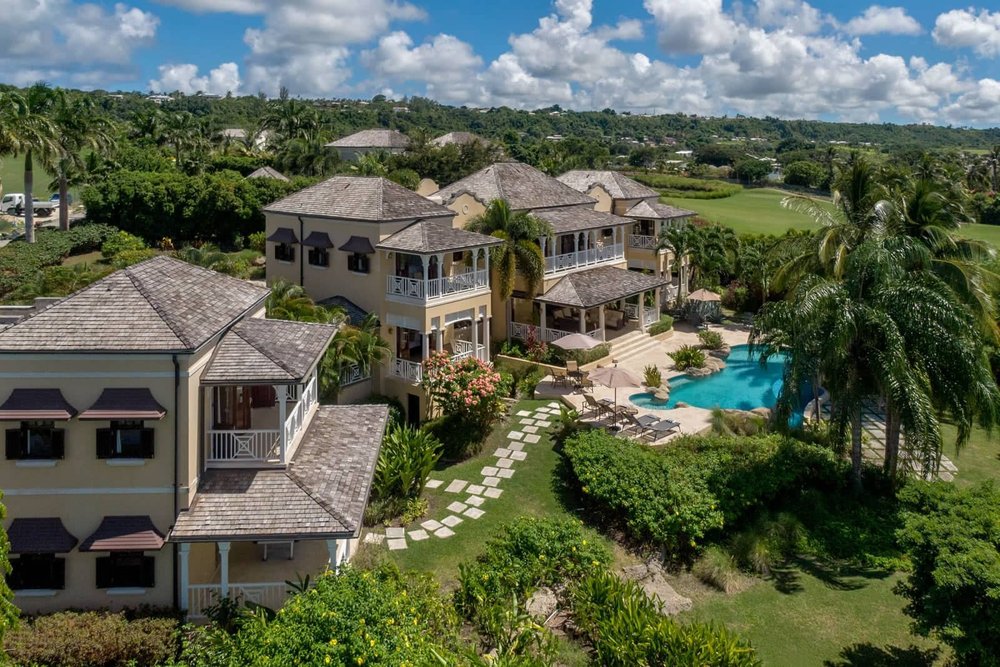
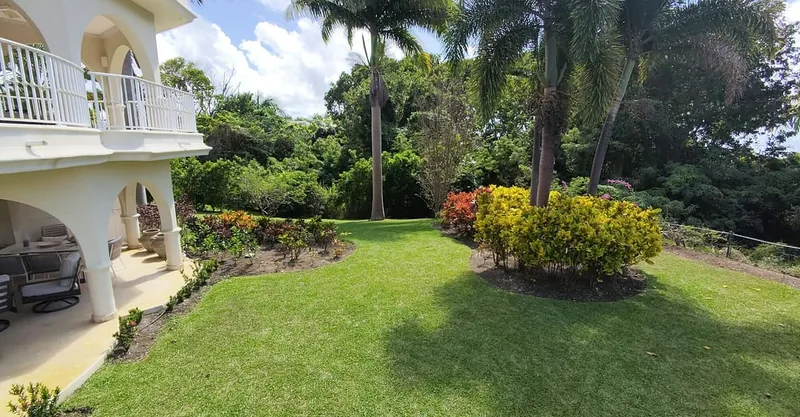
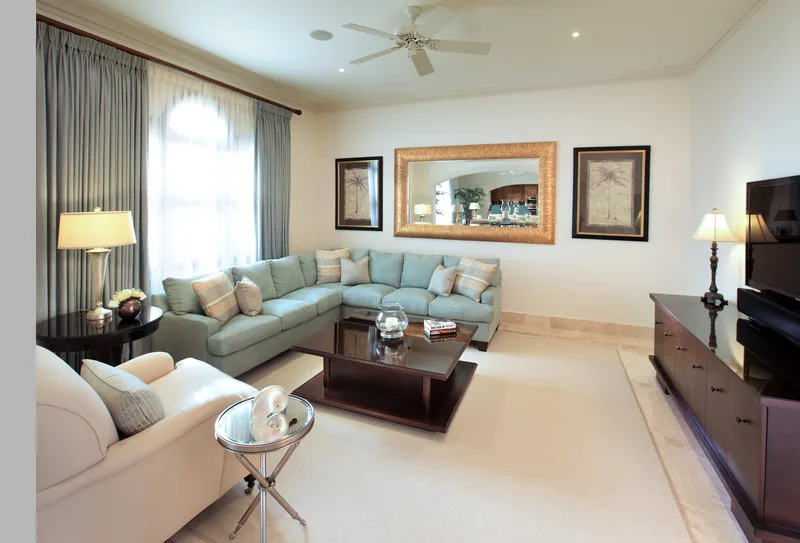
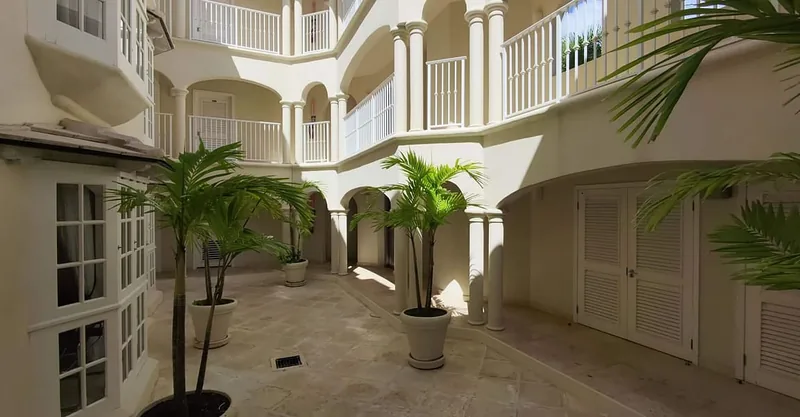
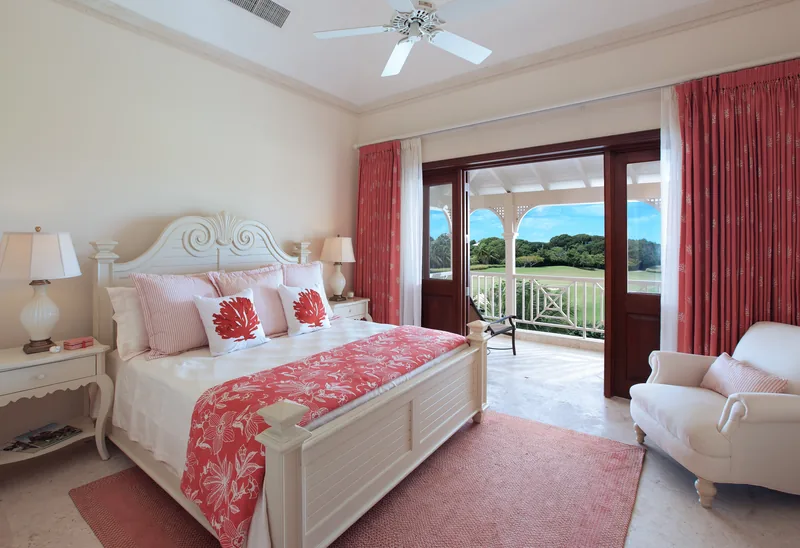
2 listings at Royal Westmoreland.
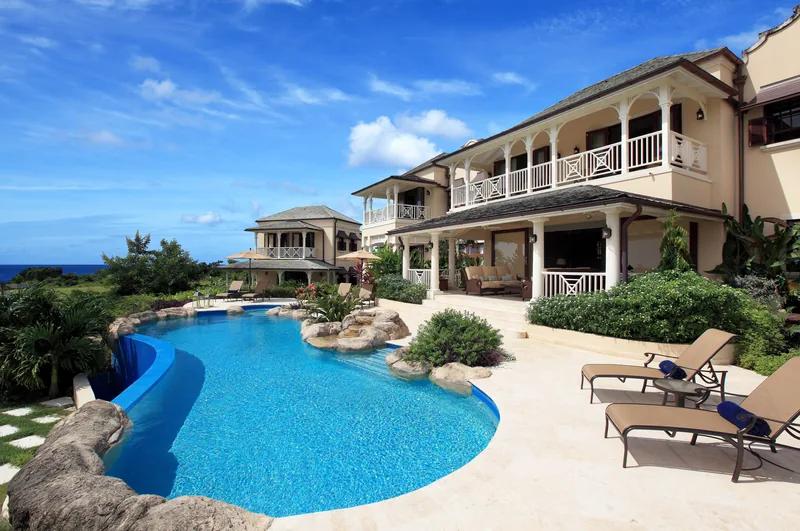
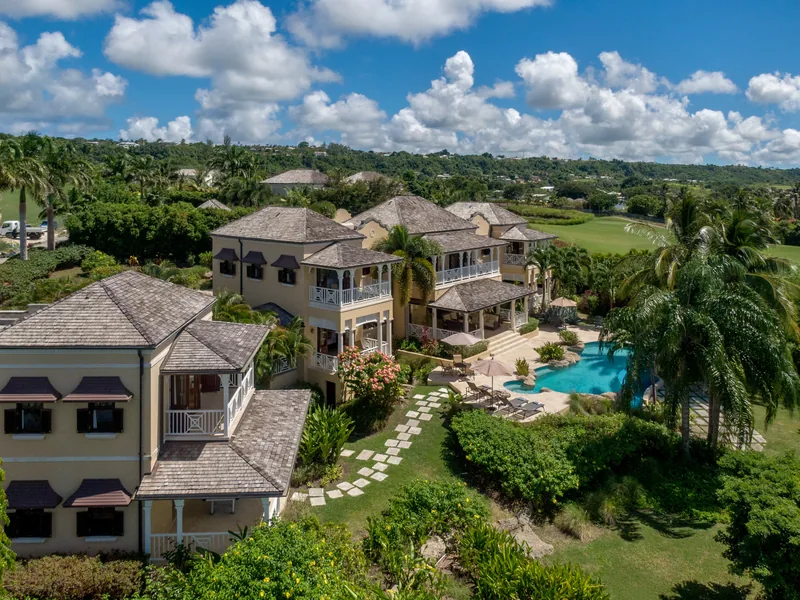
Royal Westmoreland Six-Bedroom Villa, Barbados
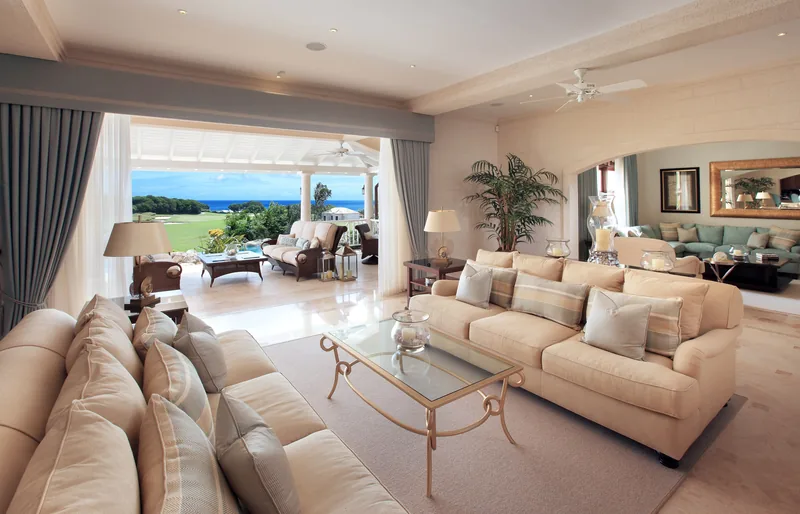
A six-bedroom villa set along the fairways of Royal Westmoreland with golf-course and Caribbean Sea views — pool, mature gardens and full resort…
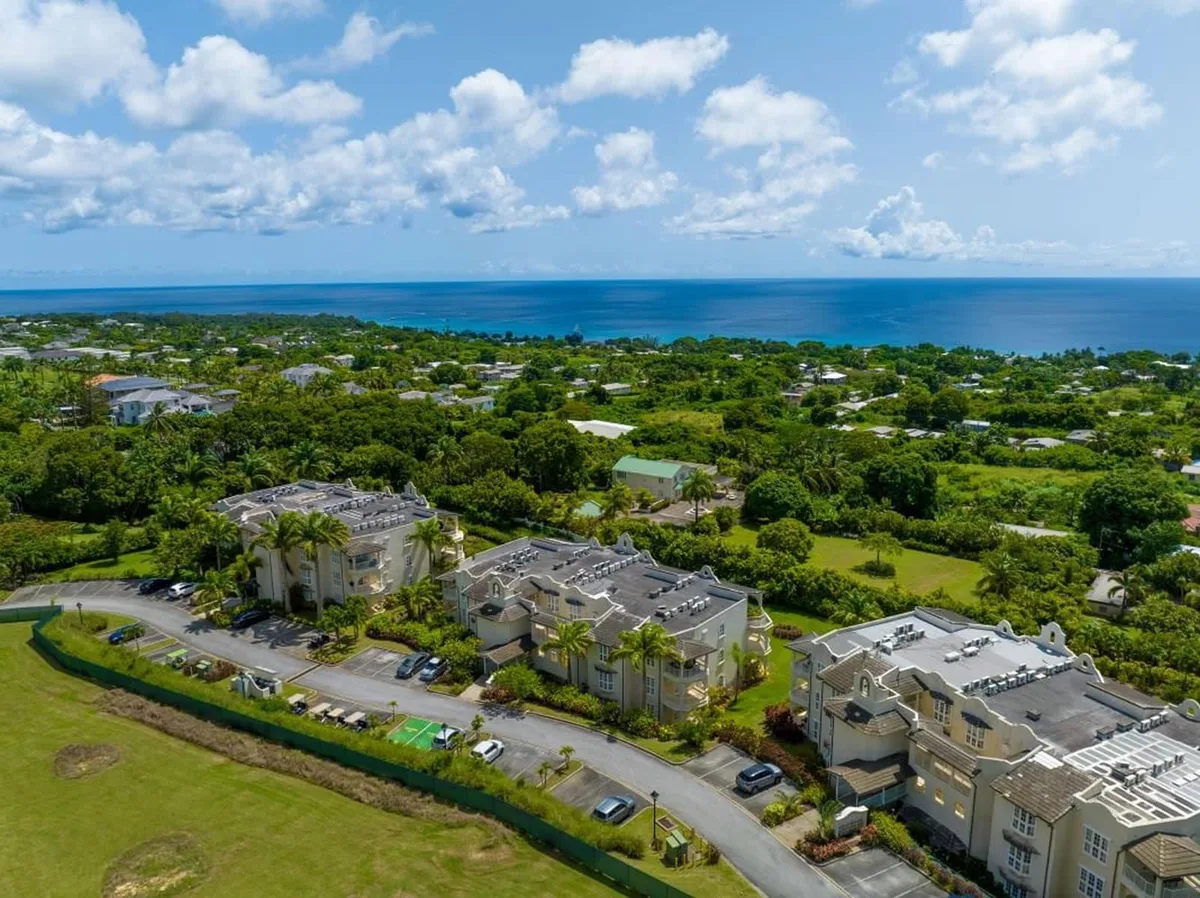
Royal Westmoreland Royal Apartment, Barbados
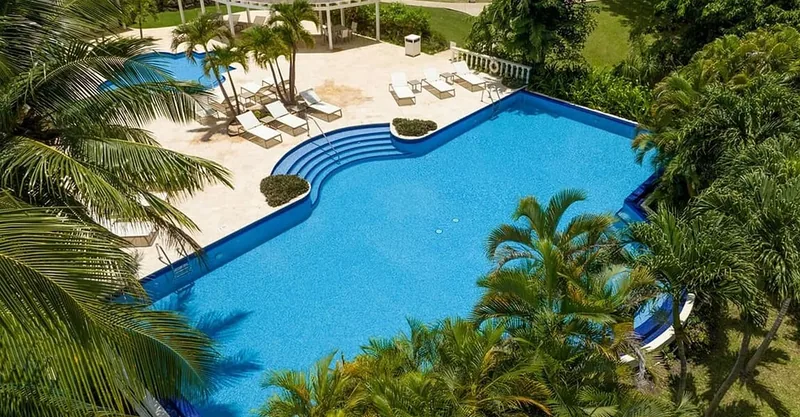
A ground-floor two-bedroom residence inside Royal Westmoreland's gated golf estate — resort amenities with the West Coast beaches minutes away...
Explore Royal Westmoreland with Dan.
Book a private call to see current availability, ownership structure and pricing.
Book a Private CallDan Merriam & Associates acts for the buyer. Our advice is independent, not contingent on any sale, and we hold no brokerage or developer mandate.