Dominica Real Estate
The Caribbean's last true frontier market — eco-luxury and land, early.
Why invest in Dominica
- Lowest entry point in the region
- Eco-luxury led by Secret Bay
- Land-banking & private estates
- Disciplined, long-game governance
Who is buying Dominica now.
Dominica sells what much of the Caribbean has already built over: volcanic peaks, rainforest valleys, rivers, waterfalls and thermal springs, with no cruise terminal shaping the skyline and no race to line the coast with towers. That is policy, not neglect — the Nature Island has chosen low density and environmental integrity over volume. The buyers reaching Dan's desk respond to exactly that: families adding a second flag with a real asset attached, land buyers banking dramatic acreage — cliff edges, river frontage, jungle valleys — for conservation, eco-agriculture or a private estate, and boutique-hospitality operators acquiring existing structures at or below replacement cost while regional construction costs stay low. Dan's shorthand for the terrain is Costa Rica twenty years ago. It is one of the last islands where large tracts still trade with clear title and freshwater sources, at a fraction of what comparable land commands in St. Lucia, the BVI or Grenada — the case Dan lays out in his note on Dominica as the Caribbean's last true frontier market.
The frontier case rests on timing. Neighboring markets have matured while Dominica's prices have not, and the fundamentals are moving: roads, bridges, ports and telecoms are being upgraded, a new international airport is under construction, and geothermal investment underpins the island's stated ambition to become the region's first carbon-negative country. Arrivals set a record in 2025, with stay-overs up 18 percent, even though the island is still reached by connection through neighboring hubs — friction that keeps the casual buyer away and pricing honest. Dan's read is that the window narrows once the airport opens. His discipline does not change with the market: underwrite the purchase as an asset a family would want to own even if no passport were attached. That test is also why many clients treat Dominica as one leg of a wider Caribbean plan B rather than a standalone bet.
Where to buy on the island.
Dominica's opportunities cluster in a few distinct places, and they are not interchangeable. The northwest coast around Portsmouth — the island's second town, on Prince Rupert Bay — is where most of the citizenship-approved product sits. Anichi Resort & Spa, a Marriott Autograph Collection property, occupies a 12-acre beachfront site on Picard Beach here; its completed, freehold one-bedroom suite of 50 sq m is priced at $220,000 and is income-producing. A short distance along the same coast, on the rainforest cliffs near Tibay, sits Secret Bay, the island's flagship, covered in its own section below.
The south, around Soufriere and the Scotts Head Marine Reserve, trades a different lifestyle: dramatic dive sites, sulphur springs and a quieter, more local rhythm. Jungle Bay Resort, an eco- and wellness-led retreat overlooking the marine reserve, offers completed, freehold one-bedroom units of 37 sq m from $200,000 — the lowest-priced approved unit Dan tracks on the island.
Beyond the approved resorts, the real Dominica story is land. The capital, Roseau, and the northern coast around Calibishie hold townhouses, older homes and view lots, but the parcels that draw international buyers are in the interior and along the coast: cliff edges, river frontage and jungle valleys sold by the acre. Those trades sit off-market, and Dan sources them through the private dataroom rather than a public listing.
What your budget buys.
Three product types define the market, and price separates them cleanly. At the entry level — roughly $200,000 to $220,000 — you are buying a completed, freehold or share-owned unit inside an operating resort, income-producing and eligible for citizenship: Jungle Bay at $200,000, Anichi at $220,000, or the completed Residences at Secret Bay, a 128 sq m one-bedroom at $220,000. These are the citizenship-first purchases: modest, managed, designed to clear the program threshold and produce a little yield rather than to live in full-time.
Step up to whole-ownership and the character changes. The freehold Waterfront Residences at Secret Bay — one-bedroom clifftop villas of 85 sq.m — start from $1.4M and the series runs to $4.5M for a multi-villa estate, each fully resort-managed with a managed rental program and personal use of 10–24 weeks a year. This is branded, trophy-grade real estate that happens to also carry citizenship, and it is the tier Dan spends the most time underwriting for whole-ownership buyers.
The third route is raw land and private estates, where Dominica is genuinely exceptional value and where figures are deal-specific rather than listed. A serious land buyer is not comparing per-square-foot condo pricing; they are pricing acreage, water rights, access and clean title. Dan walks through what different budgets actually secure across the region in his breakdown of what $300,000 to $400,000 buys you in the Caribbean, and the full inventory — approved units and off-market land — sits in the listings marketplace and across the developments hub.
The Secret Bay effect.
One resort anchors the top of this market. Secret Bay — a Relais & Châteaux, award-winning six-star all-villa resort on the cliffs near Portsmouth — has proved that Dominica's restraint can command world-class rates, and it leads the island's list of citizenship-approved developments. Open since 2011, it holds Two Michelin Keys, has been named the Caribbean's number-one resort hotel four times in five years, and has paid cash distributions to investors since 2019. It is also the only government-approved real-estate project on the island with a proven rental track record — which, in a thin market, matters more than any brochure.
Ownership runs from fractional and share tiers from $208,000 to the new freehold Waterfront Residences — the resort's first villas built at the water's edge rather than on the clifftop promontory its original 27 villas occupy. One-bedroom residences of 85 sq.m start from $1.4M and the series runs to $4.5M for a multi-villa estate, every villa fully resort-managed and enrolled in the rental program, with 10–24 weeks of personal use a year. Every tier is eligible for citizenship, the whole-ownership mandate sits with the Sotheby's International Realty affiliation Dan works within, and pricelists, floorplans and underwriting sit in the private dataroom. Dan's longer read on the trophy tier — and why waterfront product is so rare here — is in his piece on Secret Bay's waterfront villas, and he ranks the resort against the region's other branded options in his honest ranking of six Caribbean branded residences.
Citizenship, tax and the buying process.
Most transactions here intersect the Dominica Citizenship by Investment program — established in 1993, long regarded as one of the region's most respected, with revenues visibly at work in hurricane-resistant housing, hospitals and climate-proof roads. A qualifying purchase from $200,000 in an approved development carries a family to citizenship in roughly 4–6 months, with visa-free or visa-on-arrival access to 145 countries — the UK a notable exception since 2023 — no tax on worldwide income, capital gains or inheritance, and no requirement to live on the island. The property can be resold after a holding period of three years from the grant of citizenship, or five if sold on to another citizenship applicant, under current rules.
The approved list is deliberately short — Secret Bay leads it, alongside a handful of projects such as Anichi and Jungle Bay — and the program's credentials are earned: the Financial Times' Professional Wealth Management index ranked Dominica the world's best citizenship program for six straight years, 2017–2022. Families should budget beyond the purchase price, too: government fees run from $75,000 for a single applicant, before due-diligence and processing costs. One honest caveat — a new regional regulator now oversees all five Caribbean programs and policy is moving, so Dan confirms the citizenship component against current rules on the first call rather than assuming last year's answer, the context he lays out in his objective audit of every Caribbean CBI program and his history of Caribbean CBI price hikes and the new regulator.
The purchase itself is straightforward for foreigners. There is no ban on non-national ownership, and buying inside an approved development means the title, structure and rental agreement are pre-vetted as part of the citizenship process — one reason most first-time buyers start there rather than with raw land. Off-plan and under-construction product, such as the Waterfront Residences, is bought in stages against a construction schedule, which is where Dan applies the discipline in his off-plan due diligence checklist before any client wires a deposit. Financing is largely a cash market — local mortgage lending to non-residents is limited and slow — so most buyers fund from capital or arrange financing at home. Closing costs, legal fees and government charges sit on top of the headline price, and Dan itemizes them for your specific deal rather than quoting a rule of thumb.
Developments & opportunities.
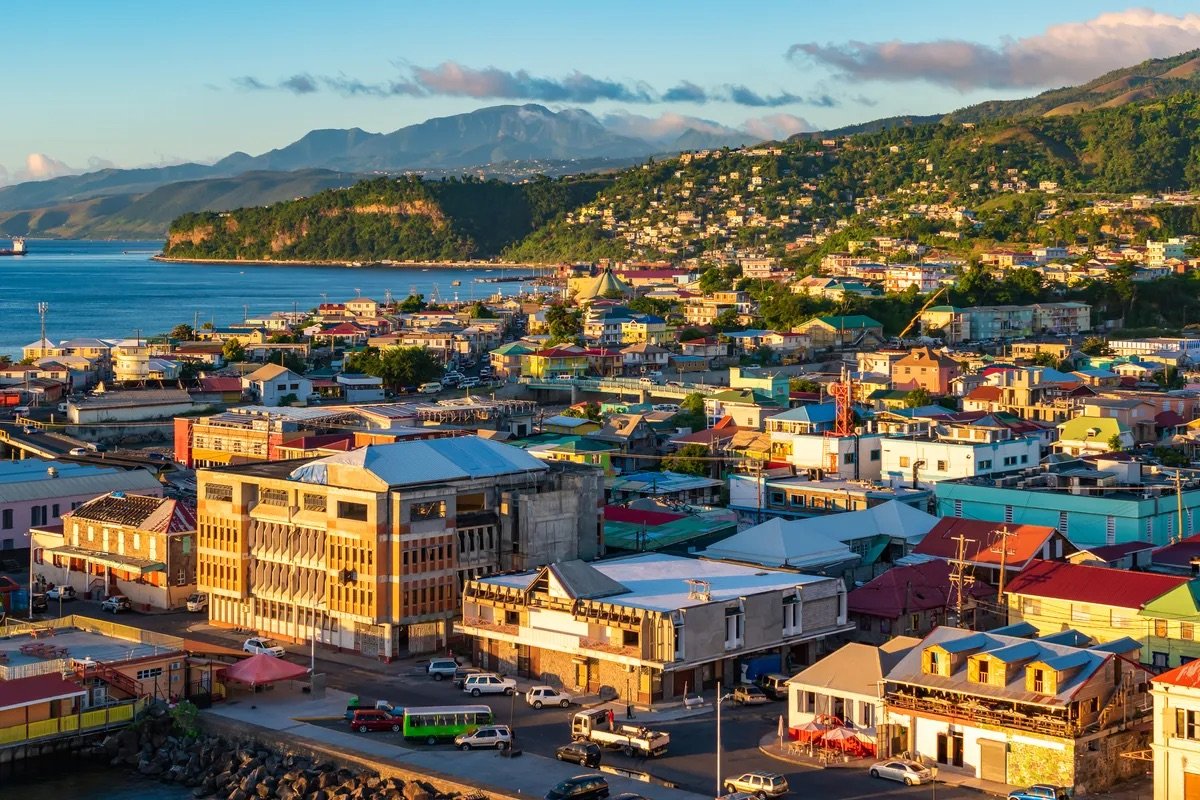
Secret Bay
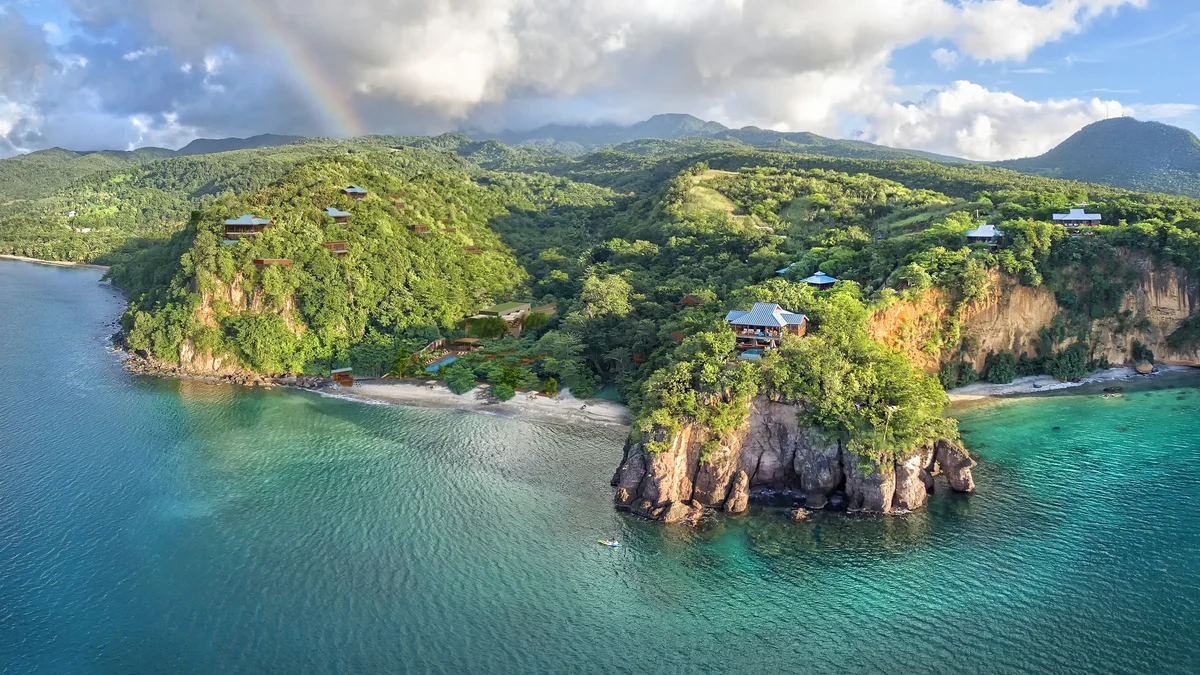
Waterfront Residences at Secret Bay
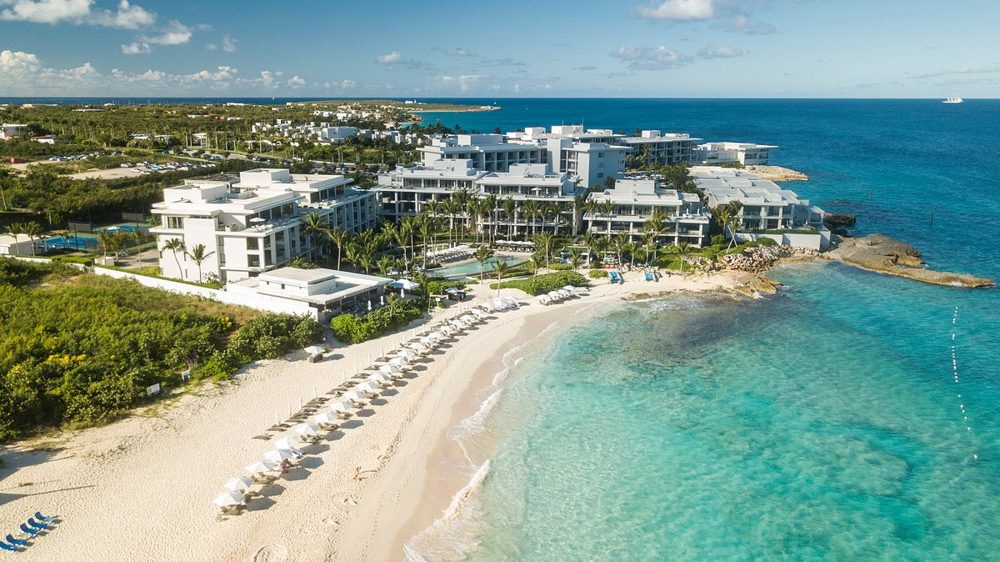
Anichi Resort & Spa
Jungle Bay Resort
Also at the flagship: the completed Residences at Secret Bay from $220K, and the wider Secret Bay community. See every approved unit and off-market opportunity in the listings marketplace.
Risks and trade-offs.
Dominica rewards patience and punishes the buyer who needs an exit. Three trade-offs matter most. Access is the first: until the Wesley airport opens, every arrival routes through a neighboring hub, which suppresses casual demand today and is the single biggest swing factor for values tomorrow — upside if it opens on schedule, a waiting game if it slips. Liquidity is the second: this is a thin resale market with few comparable sales, so the right entry price and a genuine willingness to hold matter more than in St. Lucia or Grenada — a reality Dan covers in the challenges of owning property in the Caribbean. Rental income is the third: resort-managed programs at Secret Bay and Anichi are real, but headline yields rarely survive contact with management fees, occupancy and the off-season, which is why Dan sets expectations with why Caribbean rental cashflow is harder than it looks before anyone underwrites to a rental number. Add the usual island factors — hurricane exposure and insurance, construction timelines on off-plan units, and a small professional-services bench — and the picture is clear: Dominica is a conviction hold for buyers who value the asset and the passport, not a quick trade.
Dominica real estate, answered.
Is Dominica eligible for citizenship or residency by investment?
Yes - Dominica runs a Citizenship by Investment program with a real-estate route from $200,000. See the full Dominica program page for the current process and timeline.
What does real estate in Dominica typically cost?
Entry is around $200,000 to $220,000 for a resort share or freehold hotel unit at Jungle Bay, Anichi or Secret Bay; the freehold Waterfront Residences at Secret Bay run from $1.4M, and land and private-estate opportunities span a wide band. Dan maps the right level to your budget on the first call.
How does the real-estate route to Dominica citizenship work?
A purchase from $200,000 in a government-approved development - led by Secret Bay - qualifies a family for citizenship in roughly 4-6 months, with no requirement to live on the island. The property is a real, resellable asset once the government-set holding period has run.
How does ownership at Secret Bay work?
Ownership runs from fractional and share tiers from $208,000 to the freehold Waterfront Residences - the resort's first villas at the water's edge near Portsmouth - from $1.4M for a one-bedroom of 85 sq.m to $4.5M for a multi-villa estate, with full resort management and a managed rental program. Both routes are eligible for citizenship, and availability is confirmed through the private dataroom.
Is Dominica a good market for land?
In Dan's view it is one of the best-value land plays in the hemisphere on a per-acre basis - dramatic parcels with cliff edges, rivers and jungle valleys suited to land-banking, conservation, eco-agriculture or a private estate. It is a long-game hold, not a trade.
What taxes apply in Dominica?
Dominica levies no capital gains or inheritance tax and does not tax the foreign income of non-residents. A second passport alone does not change where you are tax-resident, though - U.S. citizens in particular remain taxed on worldwide income until residency moves - so Dan coordinates the tax question alongside the purchase.
How do you get to Dominica today?
Today, by connection through neighboring hubs. The new international airport at Wesley - sized for wide-body arrivals direct from North America and Europe - is currently targeted for 2027, and in Dan's read the pricing window narrows once those flights land.
Dominica reading.
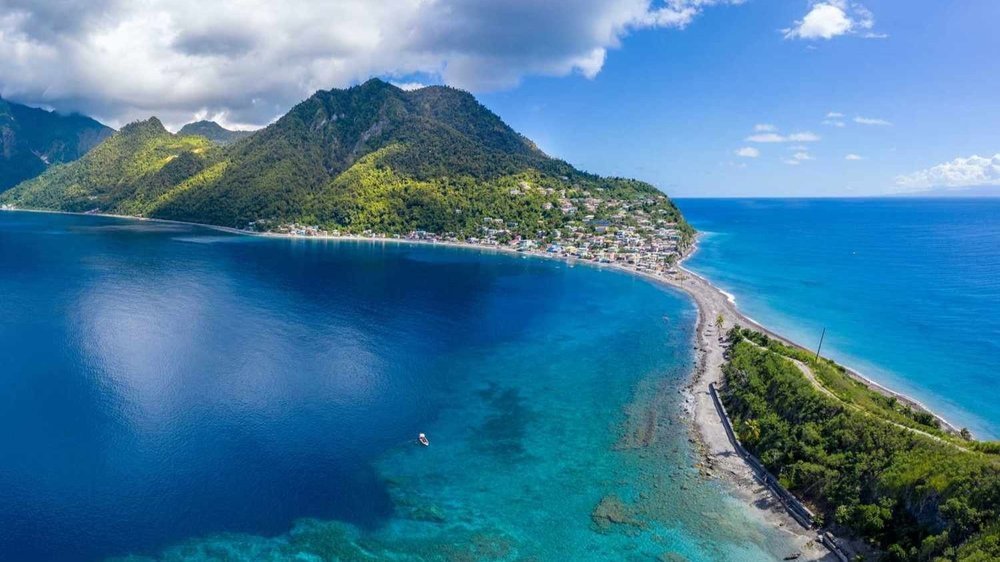
Dominica Real Estate: The Caribbean's Last True Frontier Market
Read →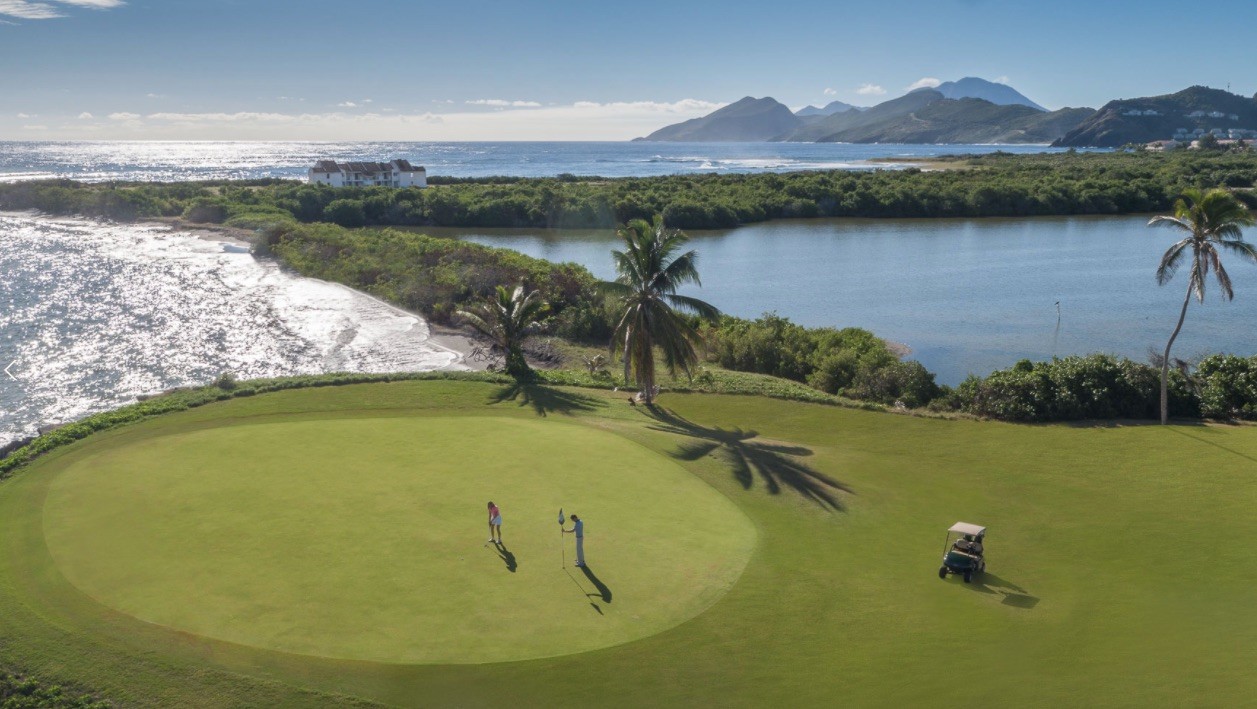
What $300,000 to $400,000 Actually Buys You in the Caribbean
Read →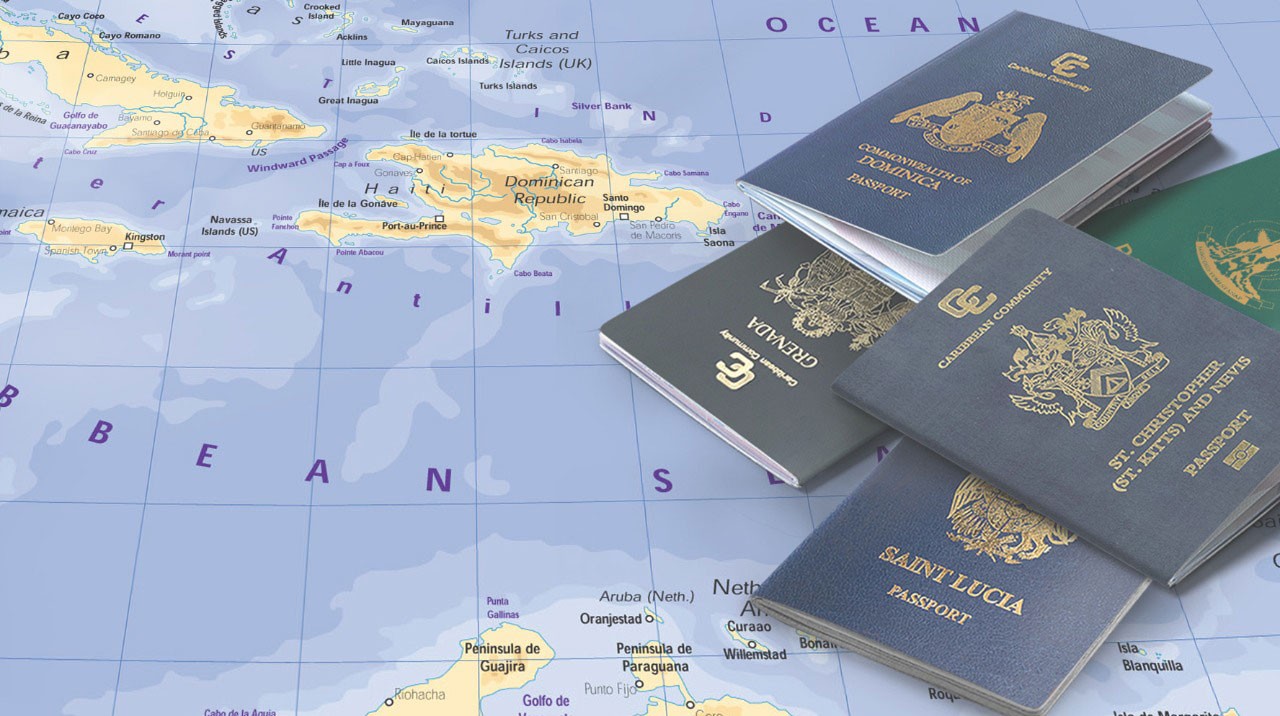
An Objective Audit of Every Caribbean CBI Program
Read →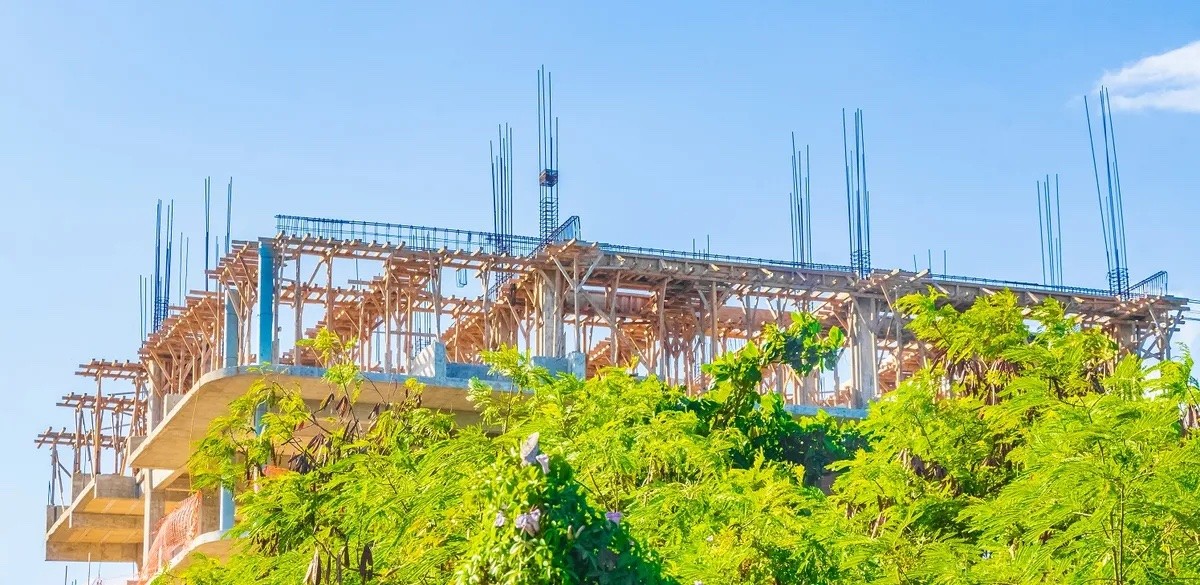
The Off-Plan Due Diligence Checklist I Use
Read →
The Challenges of Owning Property in the Caribbean
Read →
Why Caribbean Rental Cashflow Is Harder Than It Looks
Read →Thinking about Dominica?
Dan lives and works in the region. Book a call for an honest, first-hand read on the market.
Book a Private Call