Caribbean Citizenship by Investment
Five Eastern Caribbean nations grant citizenship for a qualifying investment. How the routes differ, how families actually choose, and what the money buys.
One region, five programs, five different answers.
Each is a formal, statutory route to citizenship. They differ in price, lock-up, speed and what the passport is currently worth. I advise on all five, which is why each entry below leads with what the program costs you rather than what it promises.

St. Kitts & Nevis
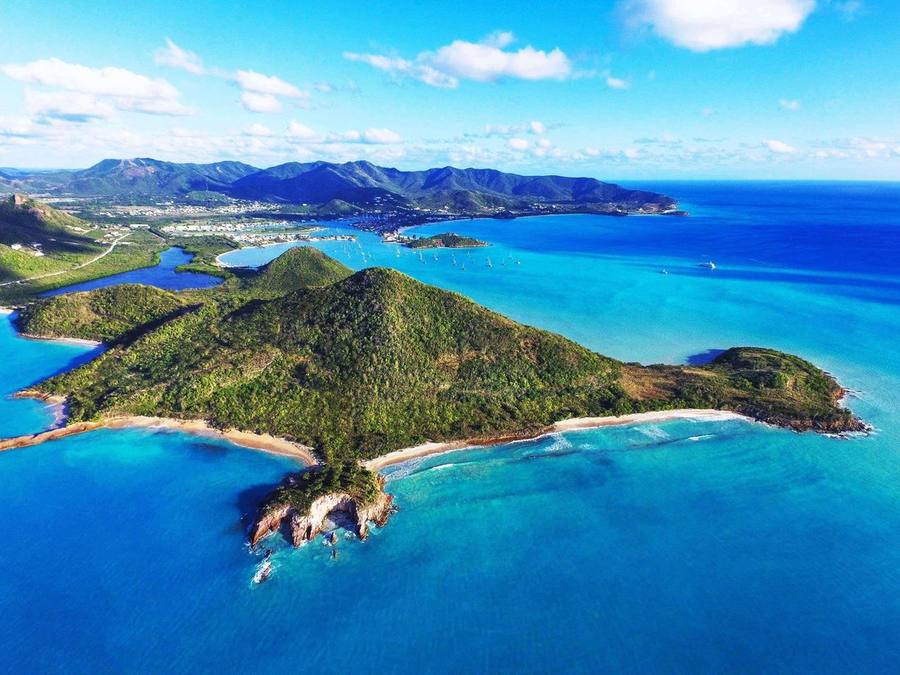
Antigua & Barbuda
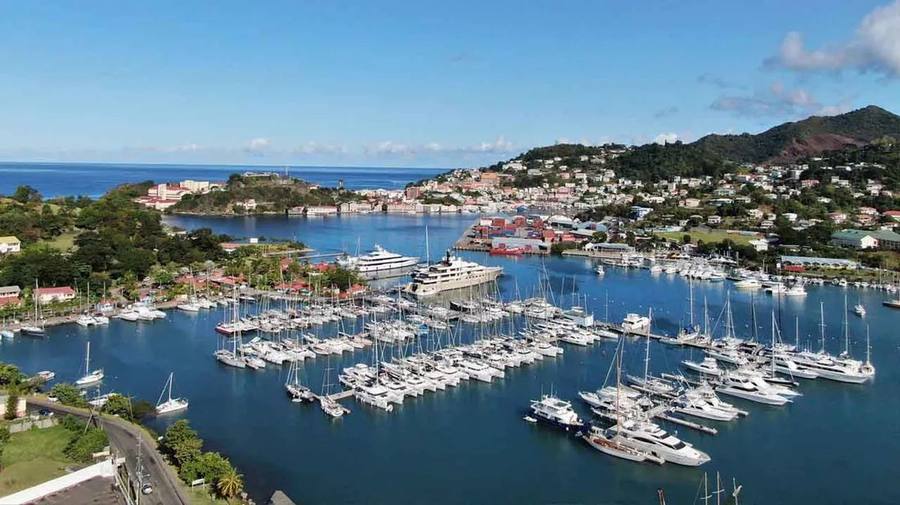
Grenada
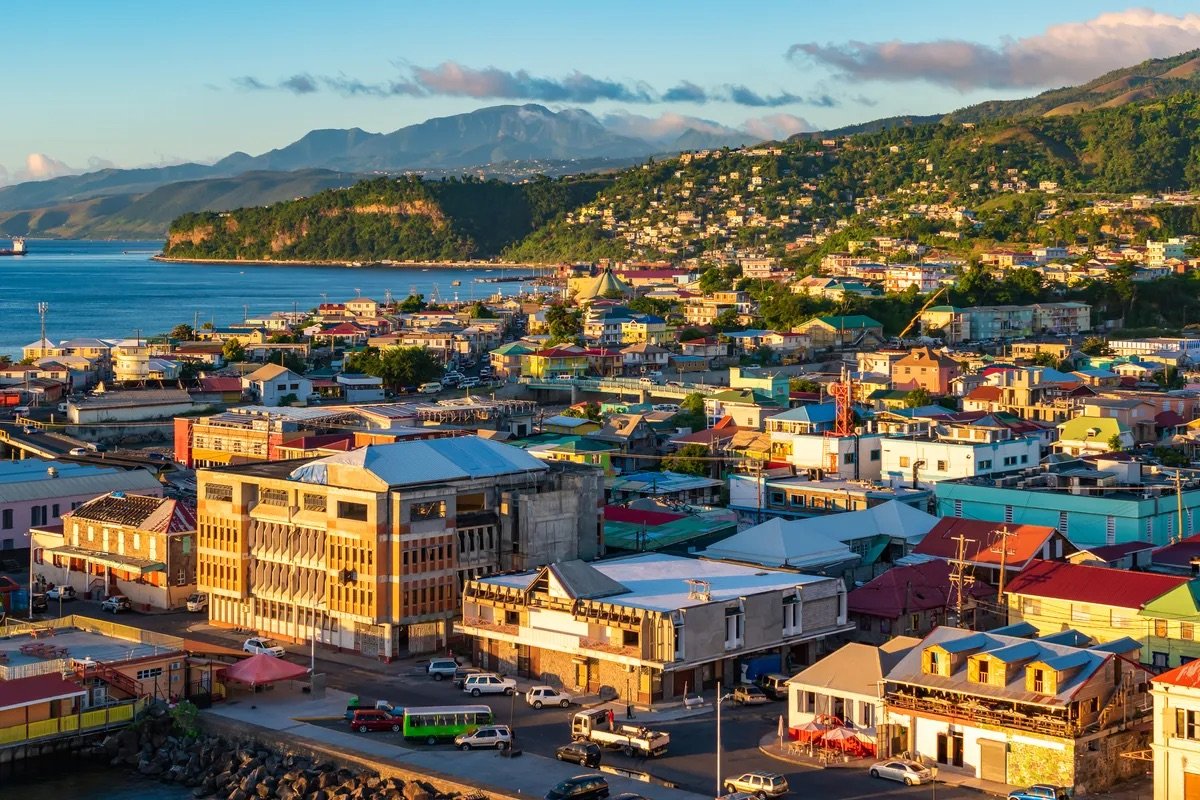
Dominica
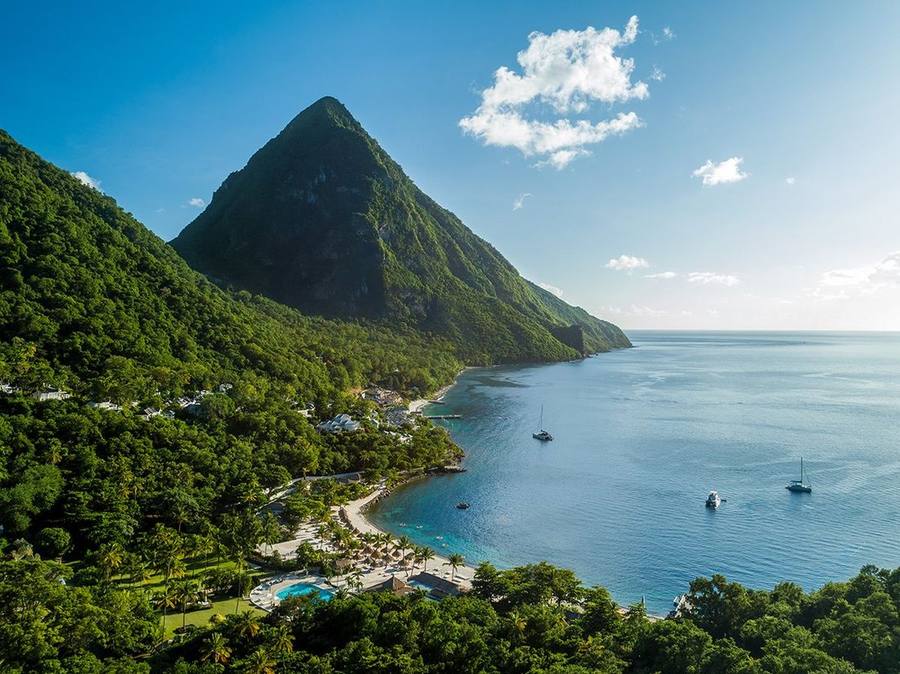
St. Lucia
Destination counts are visa-free or visa-on-arrival access per the Henley Passport Index, 2026. Investment figures are government thresholds, not the cost of a file.
Citizenship by investment is an old instrument here, not a new one. St. Kitts & Nevis has run its program continuously since 1984, the first anywhere in the world; Dominica followed in 1993, Antigua & Barbuda and Grenada in 2013, St. Lucia in 2015. What has changed is who is buying — the files Dan opens now come from families who never expected to need a second option.
Dan advises on all five and guided more than a hundred families through these applications in 2025 alone. I acquired my own second citizenship in 2022, so every trade-off below is one I priced for myself before I priced it for anyone else. Families weighing the region against the Gulf can compare Caribbean citizenship and UAE residency side by side. The condensed grid sits on the Caribbean program comparison, and the long form in the Caribbean Citizenship Guide.
The five programs, side by side
Read the table as the qualifying investment, not the wire amount: due-diligence fees per adult applicant, government processing, legal and agent fees, and on the real-estate route developer and closing costs, all sit on top. Two rows need reading twice. Grenada's $270,000 figure is a per-share minimum, available only on a qualifying joint purchase totalling $540,000 or more (a sole buyer needs $350,000), and it carries a separate, non-refundable $50,000 government contribution for a family of up to four, so the realistic floor is $320,000. Dominica's $200,000 fund figure covers a single applicant; a family of four pays $250,000.
| Program | Contribution from | Real estate from | Real-estate hold | Established | Visa-free (Henley, 2026) |
|---|---|---|---|---|---|
| St. Kitts & Nevis | $250,000 | From $325,000 | 7 years | 1984 | approx. 155 |
| Antigua & Barbuda | $230,000 | From $300,000 | Fixed at application | 2013 | approx. 154 |
| Grenada | $235,000 | $350,000 sole / $270,000 per share | 5 years | 2013 | approx. 147 |
| Dominica | $200,000 | From $200,000 | 3 years | 1993 | approx. 145 |
| St. Lucia | $240,000 | From $300,000 | 5 years | 2015 | approx. 145 |
All five set a US$200,000 regional price floor effective 1 July 2024, so lower figures still online are out of date.
Donation or real estate: the decision that comes first
Every one of the five offers two ways in, and the choice is settled before a file is opened. The contribution route is a payment into a government fund: non-refundable, no asset at the end, and the cleanest file to document. The real-estate route replaces it with a qualifying purchase in a government-approved development — more up front, and the family holds a resellable asset.
Dan's rule of thumb, after more than a hundred families: the higher the opportunity cost of tying capital up in one property for years, the more the contribution route makes sense. Families who were going to buy a Caribbean home anyway are the ones for whom real estate is the easy call, as the donation versus real estate page sets out.
"Approved" is a formal designation, not a marketing phrase: each government keeps its own list, approvals are occasionally paused, and a purchase outside it does not qualify — which is why CBI-approved real estate is worth understanding as a category first.
How families actually choose
St. Kitts & Nevis is the prestige and speed choice: the region's highest contribution floor at $250,000, an agent-reported average near 5.1 months, and a seven-year real-estate hold, the longest in the region.
Antigua & Barbuda is the family program, and that is pricing rather than a slogan — the $230,000 contribution covers one applicant or a household of four identically. It is also the only program with a physical-presence obligation, 30 days across five years.
Grenada is the strategic choice, and the only one of the five never targeted by a US, UK or Canadian restriction. It holds the region's only US E-2 treaty, in force since 1989 — worth nothing to an existing US citizen, and subject since December 2022 to a US domicile requirement.
Dominica is the accessible one: $200,000 on either route and a three-year hold, the shortest in the region. It is also the only CBI country in the CARICOM free-movement group live since 1 October 2025, though the UK withdrew visa-free access in July 2023.
St. Lucia is the most flexible — fund, approved real estate, government bond and enterprise project — and the slowest, at agent-reported averages around 18 months. The UK introduced a visa requirement in March 2026.
Due diligence, and how long a file really takes
Due diligence sets the timeline. Every program checks identity and biometrics, source of funds and source of wealth with documentary support, criminal-record checks across every country of residence, sanctions and adverse-media screening, and every prior visa refusal for every family member. Since 2023 every applicant aged 16 and over also sits a mandatory interview.
What slows a file is almost never the government. Incomplete source-of-funds documentation is the most common holdup by far, followed by undisclosed visa refusals and dependents left off the file. None is disqualifying on its own. Undisclosed, they are.
Marketed timelines and real ones are different documents. Official windows run four to six months across most of the five and eight to twelve for Antigua & Barbuda; agent-reported averages put St. Kitts & Nevis near 5.1 months, Dominica near 9.3 and St. Lucia near 18 — the numbers behind the costs, timelines and due diligence page.
What the money actually buys
Mobility is what gets marketed: visa-free or visa-on-arrival access to approximately 155 destinations for St. Kitts & Nevis, 154 for Antigua & Barbuda, 147 for Grenada, 145 for Dominica and 145 for St. Lucia (Henley Passport Index, 2026). Treat every one of those as perishable — they move with policy.
The access that does not move is regional. Under the Revised Treaty of Basseterre, citizens of the seven OECS protocol states — all five citizenship countries among them — can land in any of the others and receive an indefinite-stay stamp on arrival, with the right to live and work. One passport is a key to an archipelago.
The real-estate route buys a second thing: a registered asset with a resale market, often with resort management attached. Dan's test does not move — underwrite it as something you would want to own with no passport attached, which is the case for real-estate-backed citizenship.
What a Caribbean passport does not do for a US taxpayer
If a US passport is anywhere in the family, this is not a footnote. All five jurisdictions levy no capital gains or inheritance tax and do not tax the foreign income of non-residents. That is a true statement about the jurisdiction and a false one about a US person's global tax position, and the gap between those two sentences is where most of the bad advice in this industry lives.
The United States taxes its citizens on worldwide income no matter where they live. None of the five has a US income tax treaty, and FATCA follows the person rather than the travel document, so the day a naturalization certificate is issued the federal filing position is exactly what it was the day before. If tax is the objective, the honest answer is domestic — Puerto Rico's Act 60.
What it does buy an American is insurance: a permanent right to live and work across the Eastern Caribbean, diversification outside US politics, and exposure to markets American buyers have barely touched. Dan sets it out in why second citizenship for Americans is insurance rather than a tax play and on the guide for US buyers.
The trade-offs worth pricing in
Holding periods are the first real cost: three years in Dominica, or five on a sale to another applicant; five in Grenada and St. Lucia; seven in St. Kitts & Nevis, the longest in the region; and a period fixed at application in Antigua & Barbuda. For anyone who may need that capital back, it is a cost rather than a footnote.
Resale is the second. These are thin markets with few comparable sales and largely cash buyers, since local mortgage lending to non-residents is limited. A share in an approved scheme resells into a narrower market than freehold title does.
Policy is the third. The December 2025 US proclamation placed partial entry restrictions on Antigua & Barbuda and Dominica; the other three were not named. The European Commission has asked all five to phase out their programs by 1 June 2028 — a demand rather than an action, and no program has lost EU access. Dan's read, in his objective audit of every Caribbean CBI program, is that the reform wave favors buyers.
Why families choose the Caribbean
- Five statutory programs, the oldest running continuously since 1984
- Qualifying investment from $200,000, by contribution or approved real estate
- The right to live and work across the OECS protocol states
- No local tax on worldwide income, capital gains or inheritance — though US citizens remain taxed by the United States on worldwide income regardless of a second passport
- Citizenship that passes to future generations
Figures are government thresholds and change with policy and family size — exact costs are confirmed during your consultation.
Frequently asked questions
How do the five Caribbean programs actually differ?
They differ in price, in how long the real-estate investment stays locked up, in how fast files clear, and in standing with Washington, London and Brussels. St. Kitts & Nevis is the oldest and fastest, Antigua & Barbuda is the family price, Grenada holds the only US E-2 treaty, Dominica is cheapest with the shortest hold, and St. Lucia is the most flexible and the slowest.
Should I choose the cheapest program?
Rarely. Family size, timeline, holding period, resale prospects and each program's standing with the US, UK and EU matter more than the headline price. A program that saves $30,000 and costs eighteen months is not a saving.
Will a Caribbean passport reduce my US taxes?
No. The United States taxes its citizens on worldwide income wherever they live, none of the five programs has a US income tax treaty, and FATCA follows the person rather than the travel document. The jurisdictions levy no capital gains or inheritance tax and do not tax the foreign income of non-residents — true of them, not true of a US person's global position.
How long does an application actually take?
Official windows run four to six months for most of the five, and eight to twelve for Antigua & Barbuda. Agent-reported averages differ: near 5.1 months in St. Kitts & Nevis, roughly 9.3 in Dominica and roughly 18 in St. Lucia.
Not sure which program fits?
That's exactly what the first call is for. Dan maps all five to your family's goals.
Book a Private Call