Villas at Pinney's Beach, Four Seasons Nevis
Beachfront villas within the Four Seasons Nevis ecosystem — whole and fractional ownership.
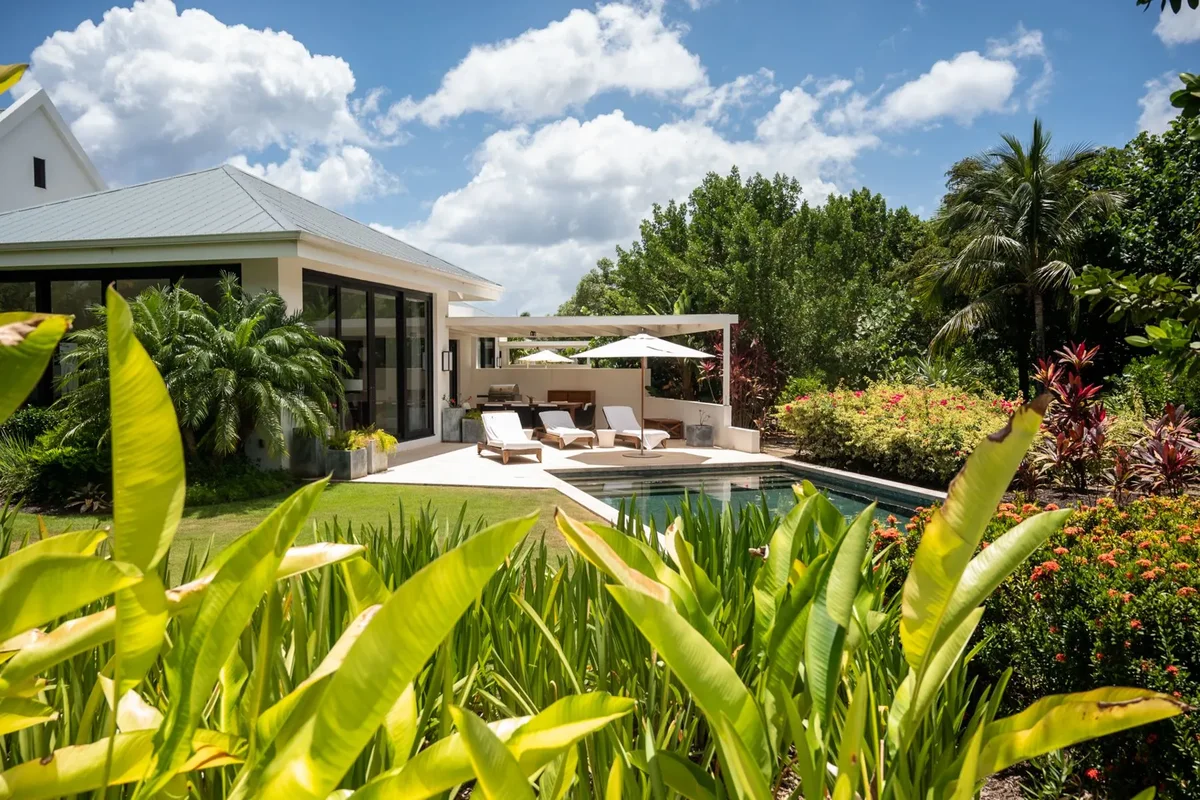
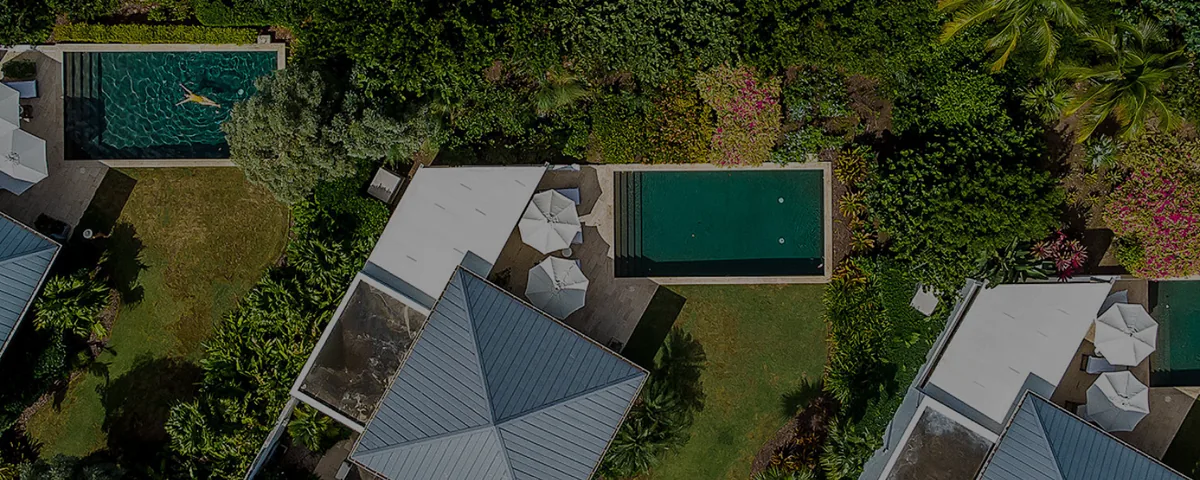
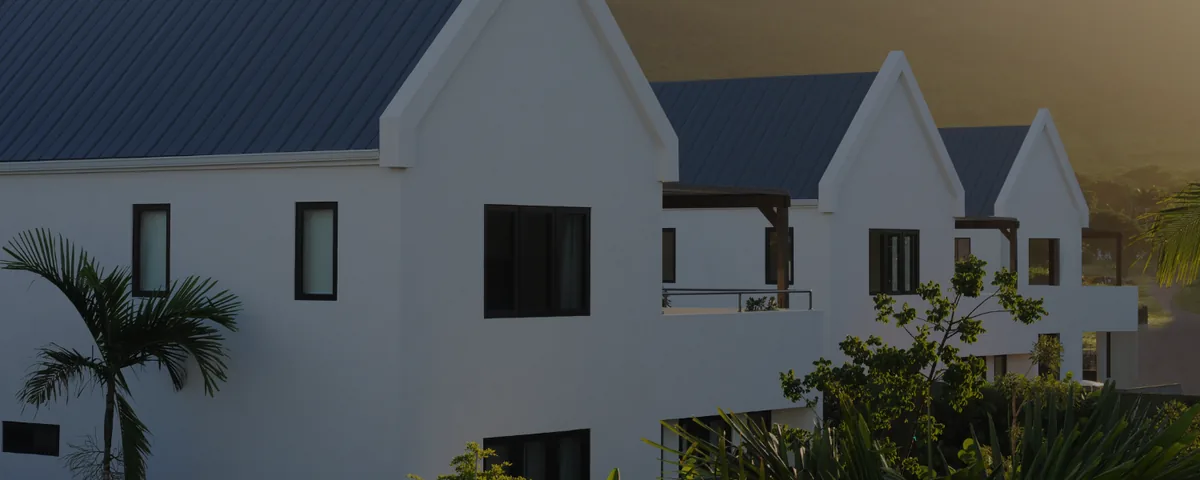
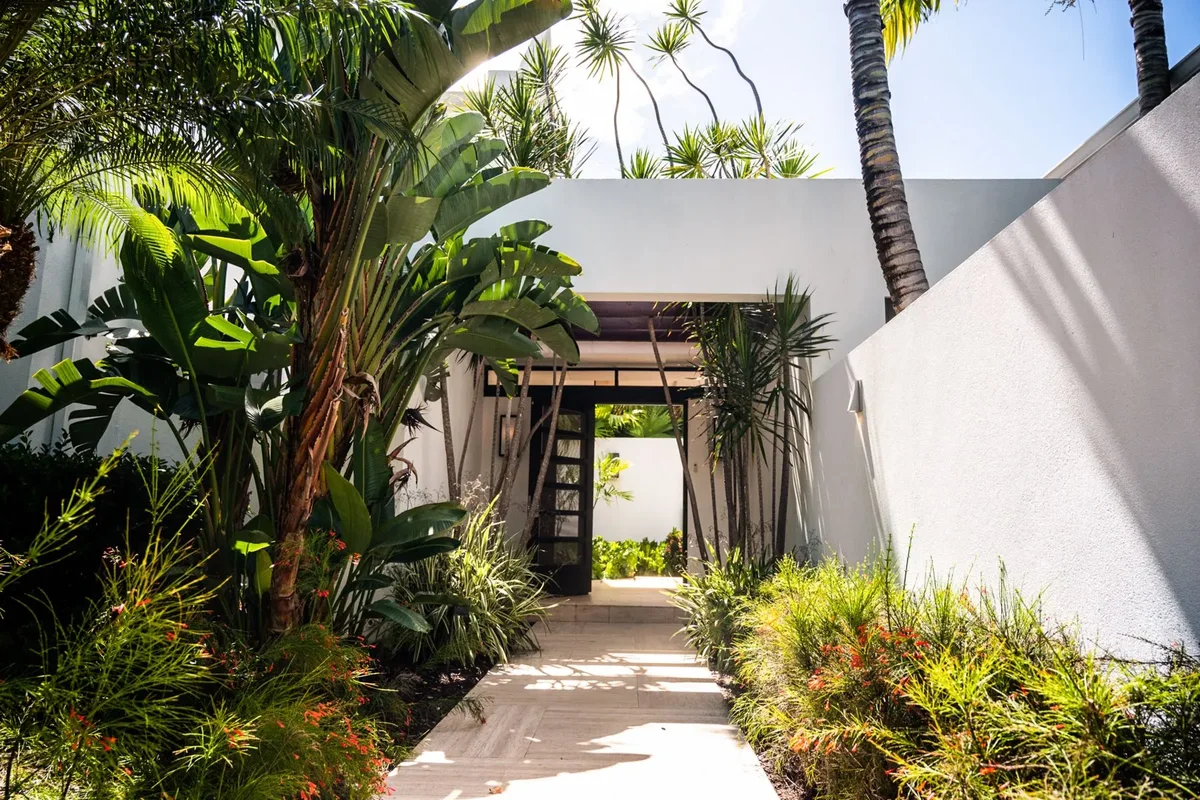
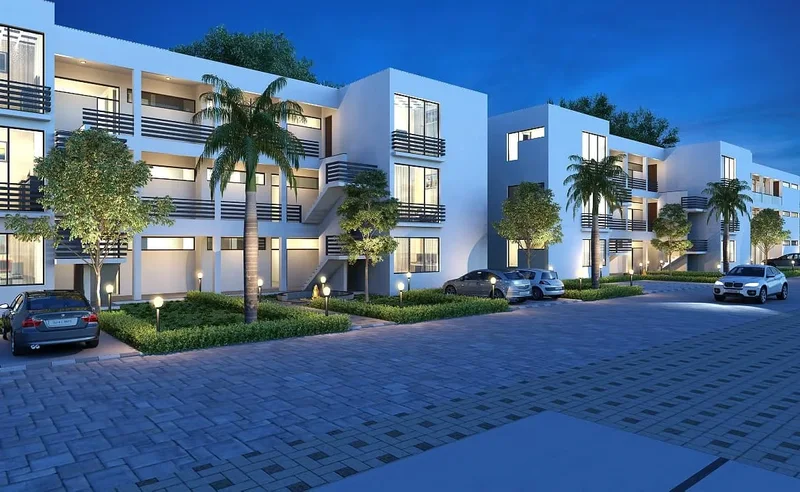
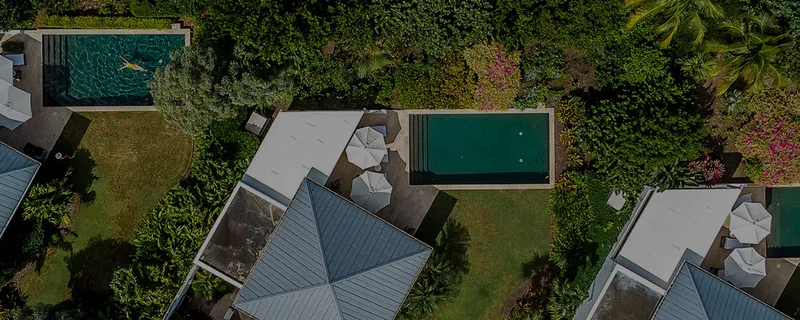
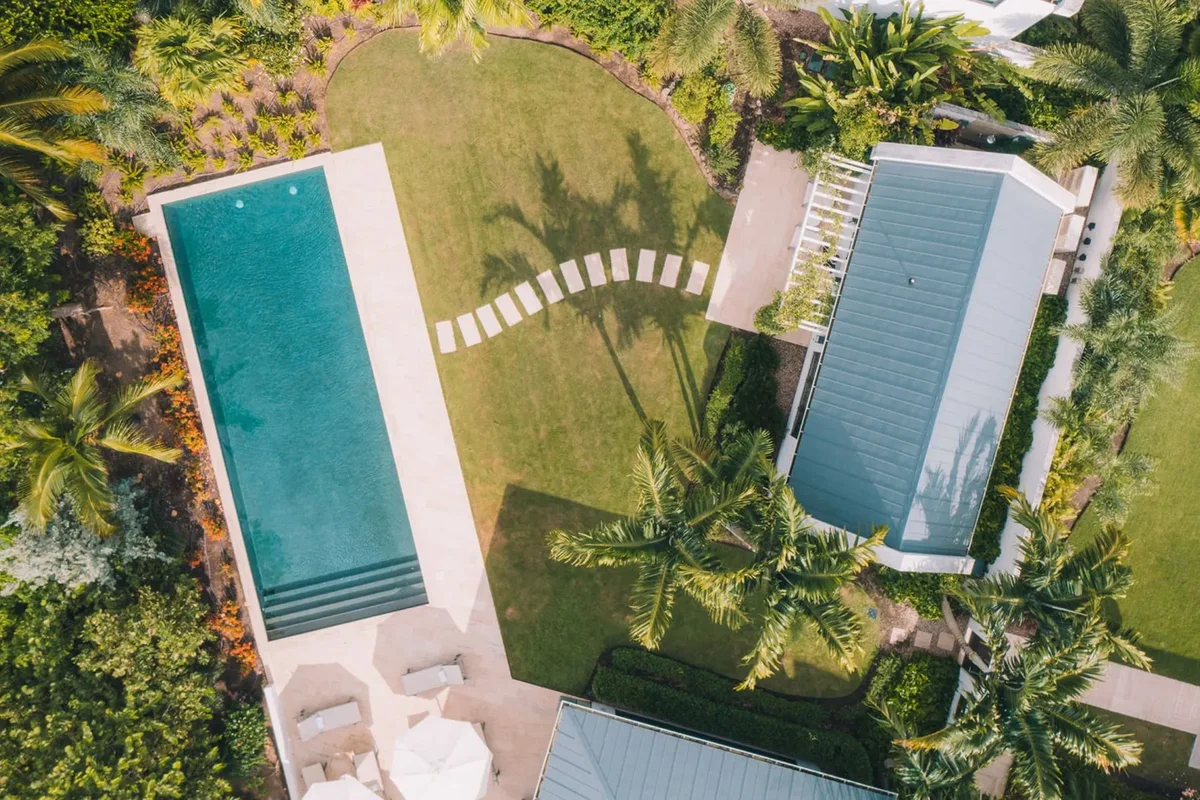
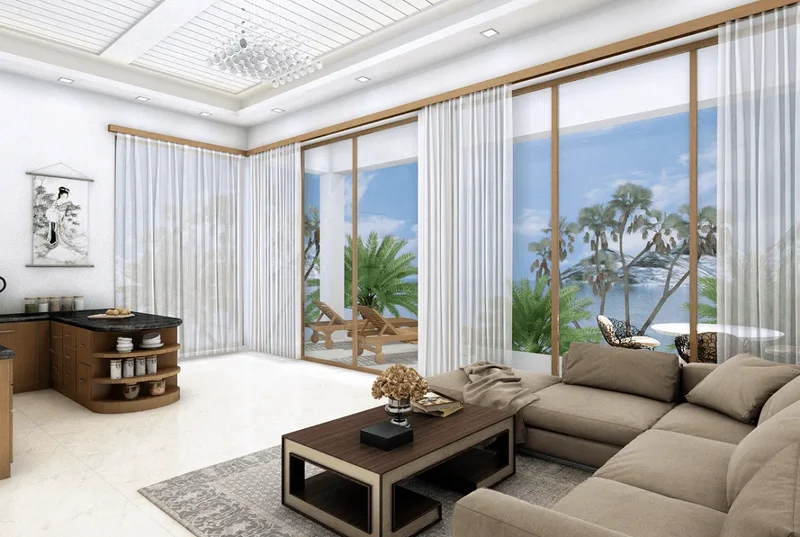
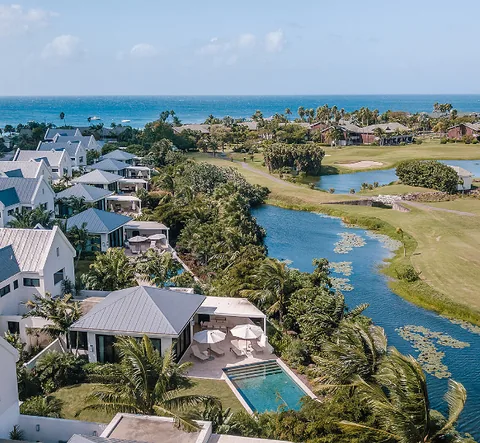
Steps from one of the most desirable stretches of sand in the Eastern Caribbean, with open Caribbean architecture, private pools and full resort integration.
Whole and fractional ownership, with CBI eligibility on qualifying units.
Part of the Villas at Pinney's Beach, Four Seasons Nevis community — the wider estate, its lifestyle and the other ways to own here.
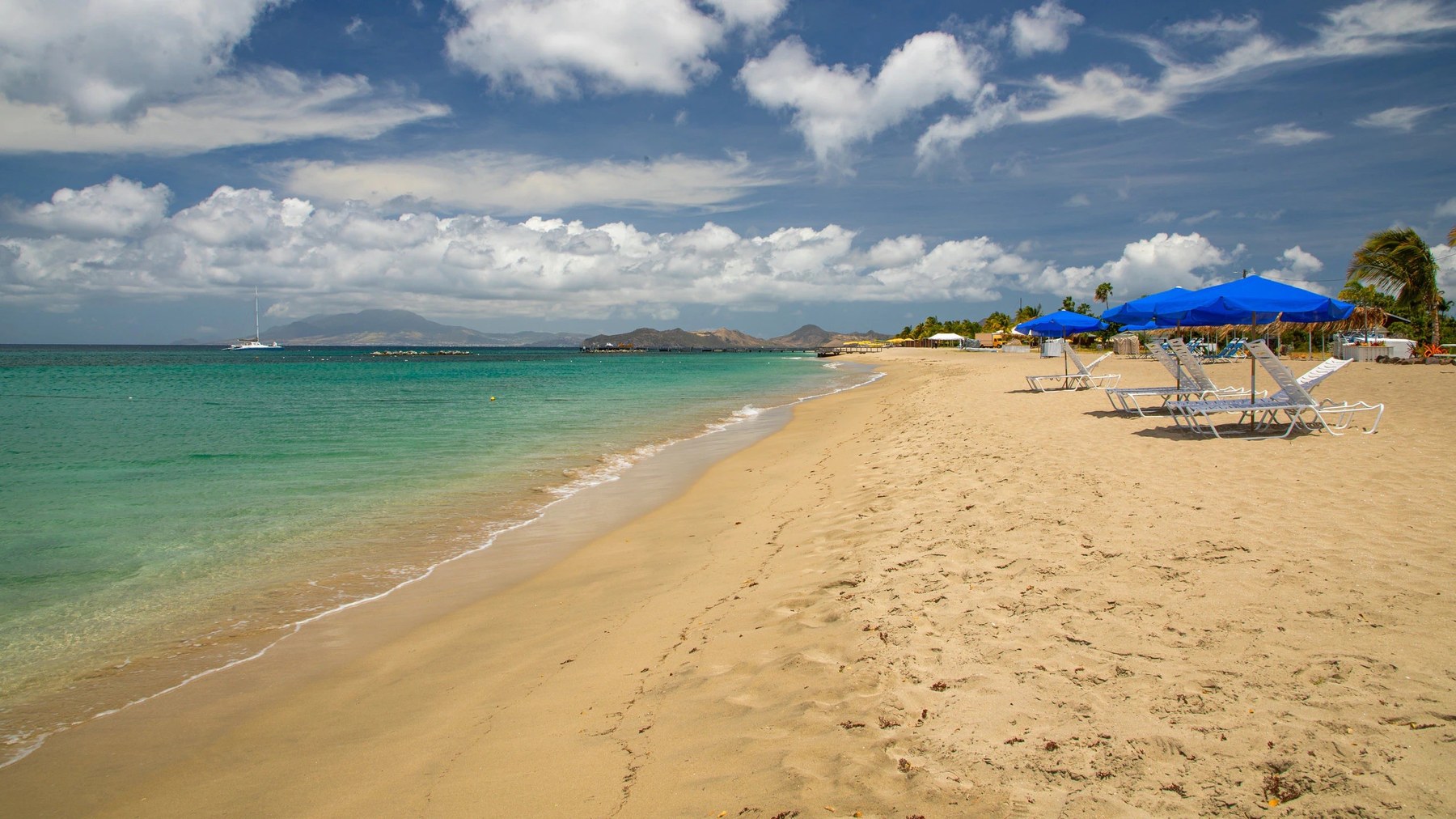
The Villas at Pinney's Beach are four- and five-bedroom homes inside the Four Seasons Resort Nevis estate, set a short walk from Pinney's — the longest beach on Nevis, stretching over three miles north from just outside Charlestown on the calm western coast. They are sold two ways: whole, or in shares. It is the shared side that generates most of the enquiries I get, almost always a one-tenth share carrying five weeks of use a year.
Here is the thing buyers get wrong, and they get it wrong nearly every time. A one-tenth share is not a small piece of a Four Seasons villa the way a small piece of a company is still the company. It is five weeks of occupancy, a proportional share of an operating cost base you do not control, and a resale position in a market where the developer is still selling new shares alongside yours. The house is real and the title is real. But what you are buying behaves much more like an expensive club membership secured against real property than like a Caribbean house. Price it that way and it can make good sense for the right buyer. Price it as a house and you will be disappointed — usually about four years in, when you try to sell.
What you actually own at the Villas at Pinney's Beach
The fractional structure divides each villa among ten owners. One listing for a new-construction four-bedroom, four-and-a-half-bathroom villa on a 0.3-acre plot, built in 2023, puts the one-tenth share at a total investment of $475,000. A separate brokerage quotes a one-tenth share in a four-bedroom at US$465,000, a one-tenth in a five-bedroom at US$525,000, and larger one-sixth shares at US$750,000 and US$860,000 respectively. The selling agent's own material says shared ownership starts at US$465,000, and that the homes are sold fully furnished.
Note that those prices do not agree with each other. That is not necessarily anyone behaving badly — different villas, different vintages, different inventory — but it tells you something useful: there is no single published price list, so the number you are quoted is a starting point, not a fact. Ask which specific villa and which specific share, in writing, before you compare anything.
Whole villas at the Villas at Pinney's Beach — described as four- to five-bedroom, four-and-a-half to five-and-a-half bath, steps from the beach and just off the fourth fairway — have been listed in a range of $3,950,000 to $4,550,000. Do the arithmetic that the brochures do not: ten shares at $465,000 totals $4.65 million, and at $525,000 it totals $5.25 million. The fractional aggregate sits at or above what the whole house asks. I cannot prove those are the identical villas, so treat it as indicative rather than exact — but the direction is not in doubt, and it is not a scandal either. It pays for the furnishing package, the management infrastructure and the developer's margin, and every fractional scheme in the world carries it. You should simply go in knowing you are paying a premium over the whole-ownership price per square foot in exchange for not writing a four-million-dollar cheque.
One trap worth naming, because the names are almost identical. The same brokerage separately lists a share in "Villas at Pinney's" — three bedrooms, three and a half baths, set between the golf course and the southern border of the resort rather than by the sea — at $295,000. That is a different product from the beachfront Villas at Pinney's Beach, and at that price it would sit below the citizenship minimum discussed further down. If someone quotes you a Pinney's share materially under $400,000, establish which development it is in before you get excited.
The five weeks, and how the rental pool actually works
A one-tenth share carries five weeks of annual use, and the split is more structured than most buyers expect: two weeks in the high season months and three weeks in the low season months. A one-sixth share is quoted at eight weeks.
The detail that matters most, and that I have never once seen a buyer raise unprompted: the two-week period around Christmas is placed into the rental pool, expressly to capture the higher holiday rates. The single most valuable fortnight of the Caribbean year is not part of your five weeks. If your mental picture of this purchase is Christmas on Nevis with the family, stop and re-read the use calendar before you go further.
Four Seasons manages the homes and Four Seasons Resort Estates handles reservations, which is genuinely part of what you are paying for. Weeks you do not use are eligible to share rental income from the season in which they went unused.
Read that last sentence the way a lawyer would. "Eligible to share rental income" is not a yield, not a guarantee, and not a projection you can bank. I have not been able to find any published distribution history for this rental pool anywhere in the public record. Before you sign, ask for the actual per-share distributions for the last three to five years, in writing, net of the management fee — not a pro forma, not an average, not a "typical owner" illustration. If nobody will put historic numbers on paper, treat the rental income as zero in your own model and see whether the purchase still works. Frequently it still does. But make that decision with your eyes open.
One more thing to nail down in writing: how weeks are actually allocated between ten owners, and who gets priority in which year. Published material is silent on it, and with ten households competing for the same February, the reservation rules matter as much as the headline number of weeks.
The carrying costs, including the one nobody publishes
There is a published annual figure, and it is reassuringly small: $2,610 for a one-tenth share and $4,350 for a one-sixth. Buyers see that and relax. They should not.
That figure is the Resort Club membership — the thing that buys unlimited golf, tennis, non-motorised water sports and beach club access. It is not the cost of running the villa. Separately, owners "share the operational costs of the villa amongst the ten-owners," and I can find no published figure anywhere for what that share amounts to. It has to cover housekeeping, maintenance, insurance on a beachfront structure in a hurricane belt, utilities, reserves for furniture replacement, and the management fee. On a property of this standard, in this location, it is not a rounding error.
So the first document I would want is not the brochure. It is the last three years of actual billed operating costs per share, plus the reserve study, plus the budget for the coming year. If those do not exist or cannot be produced, that is your answer about how this is being run.
On the transaction itself, the costs commonly cited for foreign buyers in St Kitts and Nevis are an Alien Landholding Licence at around 10% of the purchase price and legal fees of 1–3%, with stamp duty of 6–10% typically falling to the seller. One buyer's guide estimates total closing costs at 13–16% or more on a non-citizenship transaction. I will flag plainly that the sources conflict on whether a citizenship-route purchase escapes the Alien Landholding Licence: one guide says the licence is in many cases not required for approved citizenship-program purchases, while another states that every non-citizen acquiring an interest in land needs one — citizenship applicants included — and describes the 10% itself as a commonly cited rate rather than a settled statutory one that you should confirm with local counsel. On a $465,000 share, that single question is worth roughly $46,000. Get it answered by a St Kitts and Nevis attorney you instructed yourself, in writing, before exchange — not by whoever is selling you the share.
Citizenship: what a share does and does not buy
Both "Four Seasons Resort Estates" and "The Villas at Pinneys Beach" appear by name on the Citizenship by Investment Unit's own list of approved developments, so a purchase here can be used to apply. The Unit sets the minimum at US$325,000 for a condominium unit or a share in an approved development, and US$600,000 for a single-family private dwelling. Henley publishes the same two thresholds. The current framework took effect on 25 October 2024, replacing higher minimums.
Now the advocate's point. The threshold is US$325,000 and the shares here start around $465,000. You are paying roughly $140,000 above the minimum — and you are paying it for the Four Seasons brand, the beach and the management, not for the passport. The passport is identical whichever approved development you buy in, and there are more than thirty of them on that list. So if citizenship is genuinely your only objective, you are overpaying here by a wide margin and I would tell you to look elsewhere. If you want the villa and the citizenship is a bonus that happens to fall out of a purchase you wanted anyway, the maths is entirely different and this can be a sensible way to do it. Be honest with yourself about which buyer you are, because the two answers point in opposite directions.
The holding rule is not negotiable and it is worth quoting exactly. Under the private real estate option, a property "shall not be resold for a period of at least seven (7) years." Where a property is resold before that period ends, it generally cannot support a later citizenship application unless the Federal Cabinet is satisfied that substantial further investment was injected by way of further construction, renovation or otherwise. Seven years is a long time to be locked into an illiquid asset.
The St Kitts and Nevis passport carries visa-free or visa-on-arrival access to 155 destinations on the Henley 2026 index — the strongest of the Caribbean programs.
If you are a US citizen, read this twice. A second citizenship changes nothing about your US tax position. The United States taxes its citizens on worldwide income no matter where they live, hold property or hold another passport. Filing obligations, FBAR and FATCA reporting all continue unchanged. The only exit from US worldwide taxation is formal renunciation of US citizenship, which is a serious, largely irreversible step with its own exit-tax consequences. Anyone who implies that a Caribbean passport reduces your US tax bill is either confused or selling.
The obvious alternative, and the risks I would raise unprompted
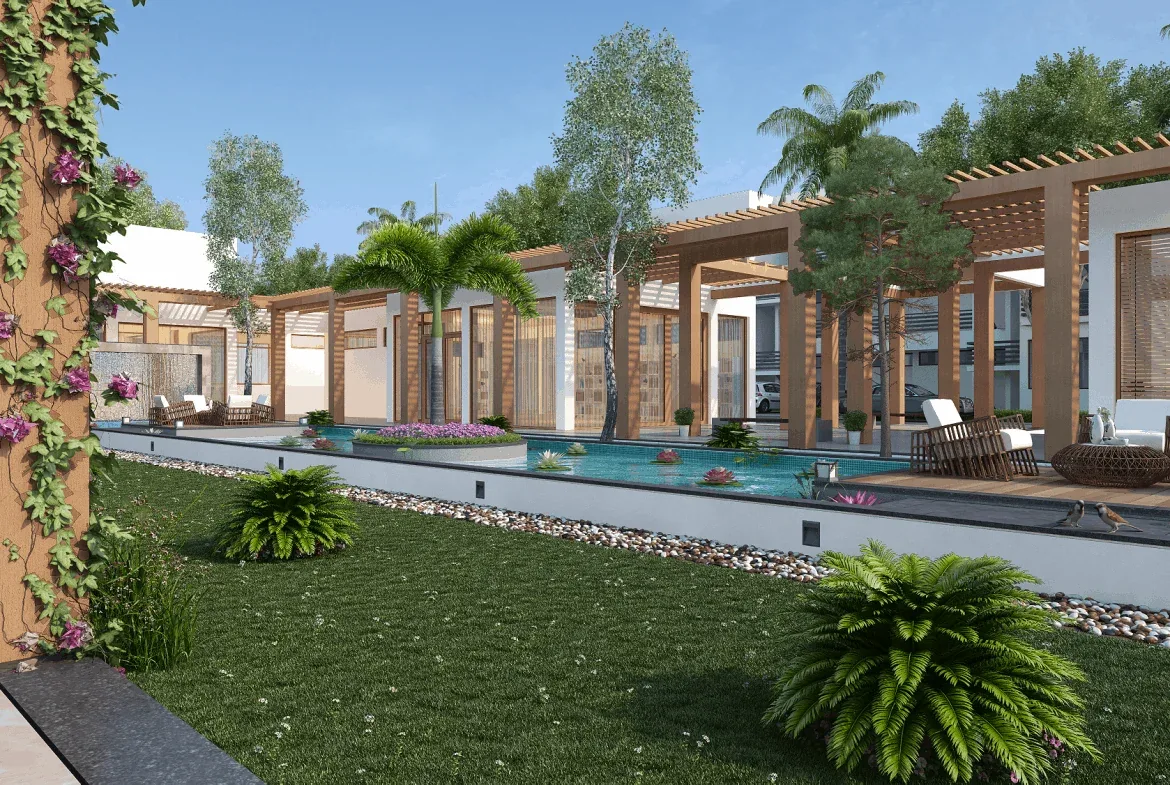
The comparison most buyers should be making sits inside the same estate. In 2024 Four Seasons announced Nevis Peak Residences — 58 new-build residences in one-, two- and three-bedroom configurations, ranging from 1,725 to 3,730 square feet, across six low-rise buildings of four to ten homes each along the seventh and eighth fairways of the Robert Trent Jones II course, priced from USD $1.43 million and expected to welcome homeowners from 2025. The chief executive of the selling agency, St. Kitts & Nevis Sotheby's International Realty, called it "the last available property for development at Four Seasons Resort Nevis." I have not independently confirmed current completion or availability, and any marketing imagery you are shown for it is developer CGI — renderings, not photographs.
That reframes the decision honestly. Roughly $1.43 million buys a whole residence you own outright, use whenever you like, and can sell to any buyer at any time — on the golf course, not the beach. Roughly $465,000 buys five weeks a year near the beach, two of them in high season, with Christmas going to the rental pool. Neither is wrong. But "Four Seasons ownership from $465,000" and "whole ownership from $1.43 million" are not competing on the same axis, and the fractional number is the one that gets quoted.
Then the risk nobody volunteers. This resort has been out of service for long stretches more than once in the last twenty-five years. Hurricane Lenny struck on 18 November 1999 and severely damaged the Nevis coastline and the Four Seasons hotel; waves along the coasts of St Kitts and Nevis reached 20 feet and washed up to 600 feet inland. Hurricane Omar closed the resort in October 2008 — that time for two years and two months, reopening on 15 December 2010 after roughly $120 million of work, split about $80 million of reconstruction and $40 million of upgrades, with all 196 rooms refurbished. It closed for a further four months in 2019 for major upgrades.
Understand what that history means for a fractional owner specifically. Your entire asset is the right to occupy for five weeks and to share rental income. If the resort is shut, both of those go to zero, potentially for two years running. So the questions I would put in writing before signing are these: during a closure, do the operating cost assessments and club dues keep running, or do they abate? Who carries the deductible on a beachfront structure in a hurricane zone, and how is it apportioned among the ten owners? What are the reserve balances today?
The same history is worth holding in mind about the beach itself. Nevis sits in the hurricane belt and Lenny's surge reached hundreds of feet inland; shoreline here moves. "Beachfront" is a description of the present, not a warranty about the future. And since Nevis is a volcanic island, sand tone varies from the bright coral white of places like Anguilla — walk the stretch in front of the villa yourself rather than judging it from photography.
Finally, resale. You will be selling a one-tenth share into a market where the developer is still selling new shares in the same villas, and where a citizenship-route buyer cannot resell for seven years. I could find no public evidence of secondary-market pricing for these shares at all — which is itself information. Ask your agent for the last five completed resales of shares in this development, with dates, asking prices and achieved prices. If that list cannot be produced, assume liquidity is poor and buy only what you are content to hold for a decade and use.
Full pricelists, floorplans and underwriting are shared privately. Book a call to request access.
Request Dataroom AccessInterested in Villas at Pinney's Beach, Four Seasons Nevis?
Book a private call with Dan to explore availability, ownership options and CBI eligibility.
Book a Private CallDan Merriam & Associates acts for the buyer. Our advice is independent, not contingent on any sale, and we hold no brokerage or developer mandate.
4 listings at Villas at Pinney's Beach, Four Seasons Nevis.
Five-Star Beachfront Villas at Pinney's Beach, Nevis
Four-bedroom beachfront villas of 365 sq.
Zen Pinney's Beach Designer Condos
Completed one-bedroom freehold residences steps from Pinney's Beach, Nevis, blending Japanese Zen minimalism with Caribbean design.
Villas at Pinney's Beach 2014 (Fractional), Four Seasons Nevis
A deeded fractional interest in a four-bedroom beachfront villa at Villas at Pinney's Beach, Four Seasons Resort Nevis.
Villas at Pinney's Beach 2003 (Fractional), Nevis
A deeded fractional interest in a three-bedroom beachfront villa at Villas at Pinney's Beach, Four Seasons Resort Nevis.
Frequently asked questions
How much does a share at the Villas at Pinney's Beach cost?
Quoted prices vary by villa and by broker, which is why you should always confirm which specific villa and share you are being offered. One new-construction four-bedroom villa is listed with a one-tenth share at a total investment of $475,000. Another brokerage quotes a one-tenth share in a four-bedroom at US$465,000, a one-tenth in a five-bedroom at US$525,000, and one-sixth shares at US$750,000 and US$860,000. The selling agency's own material says shared ownership starts at US$465,000. Whole villas in this development have been listed between $3,950,000 and $4,550,000. Note that ten one-tenth shares add up to more than the whole-villa asking price — that premium pays for furnishing, management and developer margin, and is normal in fractional schemes, but you should know you are paying it. Be careful too with the near-identical name: a share in "Villas at Pinney's", a three-bedroom golf-side product rather than the beachfront villas, has been listed at $295,000.
What do I actually get with a one-tenth share — how many weeks?
Five weeks of annual use: two weeks in the high season months and three weeks in the low season months. A one-sixth share is quoted at eight weeks. The detail buyers most often miss is that the two-week period around Christmas is placed into the rental pool rather than allocated to owners, expressly to capture holiday rates, so the peak fortnight of the year is not part of your five weeks. Read the full use calendar and the reservation priority rules before you commit — with ten owners per villa, how weeks are chosen matters as much as how many you get, and the allocation rules are not published anywhere I can find.
What are the annual fees at the Villas at Pinney's Beach?
There is a published annual membership figure of $2,610 for a one-tenth share and $4,350 for a one-sixth, which covers Resort Club access including unlimited golf, tennis, non-motorised water sports and the beach club. That is not the full carrying cost. Separately, the ten owners share the villa's operating costs — housekeeping, maintenance, insurance, utilities, reserves and the management fee — and I cannot find any published figure for that share anywhere in the public record. Ask for three years of actual billed operating costs per share, the current year's budget and the reserve study before you sign. If those cannot be produced, that tells you something.
Does a share at the Villas at Pinney's Beach qualify for St Kitts and Nevis citizenship?
Yes in principle. Both Four Seasons Resort Estates and The Villas at Pinneys Beach are named on the Citizenship by Investment Unit's list of approved developments, and the Unit sets the minimum at US$325,000 for a condominium unit or a share in an approved development, so the beachfront shares clear the threshold comfortably. But be clear about what you are paying for: at roughly $465,000 and up, you are spending well above the US$325,000 minimum, and that extra buys the villa, the beach and the Four Seasons management — not a better passport. The citizenship is identical from any of the thirty-plus approved developments. If a second citizenship is your only goal, this is an expensive way to get one and I would point you elsewhere. If you are a US citizen, note separately that a second passport does nothing for your US tax position: the US taxes citizens on worldwide income wherever they live, and only renunciation ends that.
Can I rent out my weeks, and what income should I expect?
Weeks you do not use are eligible to share rental income from the season in which they went unused, and the homes are managed by Four Seasons with reservations handled by Four Seasons Resort Estates rather than by you. What I cannot tell you is what that has actually paid, because no distribution history appears in the public record. Ask for the last three to five years of actual per-share distributions, in writing and net of fees — not a projection or a pro forma. Until you have seen real numbers, model the purchase assuming zero rental income and check whether it still makes sense to you. Often it will. Just make sure the decision does not depend on a figure nobody will commit to paper.
What happens to my weeks and my fees if the resort closes after a hurricane?
This is the question I most want fractional buyers at this resort to ask, because the history is unusual. Hurricane Lenny severely damaged the Nevis coastline and the Four Seasons hotel on 18 November 1999. Hurricane Omar closed the resort in October 2008 for two years and two months; it reopened on 15 December 2010 after roughly $120 million of reconstruction and upgrades, with all 196 rooms refurbished. It then closed for four months in 2019 for major upgrades. When the resort is shut, both your use weeks and your rental income are gone. Get written answers on whether operating assessments and club dues abate during a closure, who carries the insurance deductible and how it is apportioned among the ten owners, and what the reserves currently stand at.
Can I sell my share later, and how easily?
If you bought through the citizenship program, the rule is explicit: the property "shall not be resold for a period of at least seven (7) years," and an early resale generally cannot support a later citizenship application unless the Federal Cabinet is satisfied that substantial further investment was made through construction, renovation or otherwise. Beyond that lock-in, expect resale to be slow. You would be selling a one-tenth share while the developer is still marketing new shares in the same villas, and I could find no public evidence of secondary-market pricing at all. Ask for the last five completed resales with dates, asking prices and achieved prices; if that list does not exist, assume poor liquidity and buy only what you are happy to hold for ten years and genuinely use.