Panama
A dollarized mainland base, two investor residency routes, and a territorial tax system read honestly.
About Panama
In brief. Panama grants residence, not citizenship. Two routes carry almost every file: the Qualified Investor Visa, which confers immediate permanent residence from US$300,000 in titled real estate — a tier running to 15 October 2026, after which it rises to US$500,000 — and the Friendly Nations Visa, from US$200,000 in titled real estate or a fixed bank deposit, open only to citizens of listed nationalities. Qualified Investor approval runs roughly 30 to 45 business days, filed remotely, with one trip afterwards for biometrics. The permit sets no minimum annual stay, though permanent residence is cancellable after two consecutive years outside the country. Panama taxes territorially: income arising in Panama is taxed there, foreign-source income is generally left outside the net — Panama’s claim, not an American’s position, since US citizens are taxed by the United States on worldwide income regardless of residence or a second citizenship. It suits the entrepreneur or remote-income earner who wants a dollarized mainland base with banking, logistics and hub-airport depth no small island matches.
Panama is the mainland exception in a practice built on islands — Dan Merriam & Associates works from offices in Nevis, St. Kitts, Antigua, St. Lucia and Dominica — and it earns its place by answering what the citizenship islands cannot: where a globally mobile family banks, incorporates, schools its children and catches a flight home. The Canal, the Colón Free Zone and a container-and-aviation logistics network made Panama the region’s crossroads, and one of Latin America’s deepest banking sectors grew up to finance it. The result is professional depth: bilingual lawyers and bankers, international schools, private hospitals. The dollar has been legal tender for more than a century, which removes a category of risk for a North American buyer.
Key advantages
- Two investor routes — Friendly Nations from US$200,000, Qualified Investor from US$300,000
- Permanent residence conferred immediately on the Qualified Investor route, filed remotely
- Fully dollarized economy, and titled freehold ownership on the same footing as nationals
- Territorial taxation of foreign-source income — though US citizens remain taxed by the IRS regardless
Figures are indicative and move with government policy — the position in force is confirmed in writing before anything is filed.
The honest verdict
Two profiles should look elsewhere, and the practice says so before a file is opened. Anyone who needs a travel document is buying the wrong instrument: Panama sells no passport at any price, while Caribbean citizenship by investment clears in four to six months from US$200,000. Anyone whose whole thesis is a zero rate should go where there is one — the Cayman Islands at US$1.2M for the 25-year certificate, or The Bahamas from US$1,000,000 in real estate. Territorial is not zero, and for a US person neither word governs the federal bill. Panama is bought for the base, the banking and the dollar; the tax question is priced separately, and against Costa Rica and the wider residency shortlist.
Residency
The two qualifying routes
Qualified Investor Visa — from US$300,000. The single-investment fast track, restructured under Executive Decree No. 722 of 15 October 2020. It confers permanent residence immediately, not a temporary permit that matures into one, against US$300,000 in titled real estate held five years, US$500,000 through a licensed Panamanian brokerage, or a US$750,000 fixed-term deposit. Approval runs roughly 30 to 45 business days on a file lodged remotely under an apostilled power of attorney. The US$300,000 tier began as a promotional window, has been carried forward twice, and currently runs to 15 October 2026, after which it rises to US$500,000.
Friendly Nations Visa — from US$200,000. The older route, and the one that has changed most: the lightest-touch version that made its reputation is gone. What stands asks titled real estate or a fixed bank deposit from US$200,000 — the lowest entry on the residence shortlist after Costa Rica’s inversionista route at US$150,000, but a real commitment rather than a formality. Eligibility turns on nationality: the visa is open only to citizens of the countries on Panama’s friendly-nations list. Where the qualifying capital sits in a deposit rather than in property, the bank account becomes the critical path, so banking introductions are sequenced ahead of the visa file.
Presence, and what the permit does not do
The permit sets no minimum annual stay — the most misread fact about Panama. It carries a condition instead: residence is cancellable after two consecutive years outside the country, and the qualifying investment must be proven to stand. Against Anguilla’s 45 days a year or the Cayman Islands certificate’s 30, that is light, and the lightness is the trap. A permit that asks nothing of a family also does nothing for it in tax terms.
The tax position, read cautiously
Panama runs a territorial system: income arising inside Panama is taxed there, while foreign-source income is generally left outside the net — a structural feature of the code, not a time-limited incentive. For a non-US earner who genuinely relocates, it is the single largest reason Panama appears on relocation shortlists.
It is far weaker for an American. US citizens are taxed by the United States on worldwide income regardless of residence or a second citizenship, so Panama’s territorial system describes Panama’s claim and not the IRS’s. The Foreign Earned Income Exclusion shelters US$132,900 for 2026, and only earned income qualifies — salary does; capital gains, dividends, interest and rent do not.
The second confusion is structural: a residence permit is not tax residence. Panama can issue the card while a family’s centre of life, and therefore its tax home, stays where it was. Panamanian tax residence generally turns on more than 183 days in a year alongside a genuine centre of life there, and the certificate evidencing it is a separate application to the Dirección General de Ingresos, reviewed case by case, with waits practitioners routinely report at five months or more. The exit from the system being left is the harder half, and sits on the tax residency page.
The path to a passport
There is one, and it is long. Naturalisation opens after five years of permanent residence — three where the applicant is married to a Panamanian — and requires a Spanish-language and civics examination. It is discretionary, and rarely achieved by an investor who appears every other year. Families who need a document rather than a base pair Panama with a Caribbean citizenship instead: St. Kitts & Nevis reaches approximately 155 destinations on the 2026 Henley Passport Index and imposes no presence obligation. The two are compared in second residency versus second citizenship.
Sequencing, the position in force on the 15 October 2026 date and the structuring underneath are settled on a private strategy call, with Panamanian counsel and the family’s own advisors. The practice coordinates and takes no filing position.
Frequently asked questions
What residence routes does Panama offer investors?
Two. The Qualified Investor Visa confers immediate permanent residence from US$300,000 in titled real estate held five years; the alternatives are US$500,000 through a licensed Panamanian brokerage or a US$750,000 fixed-term deposit. The Friendly Nations Visa asks US$200,000 in titled real estate or a fixed bank deposit, and is open only to listed nationalities.
Does Panama offer citizenship by investment?
No. The investor routes lead to residence, not a passport. Naturalisation opens only after five years of permanent residence, three where the applicant is married to a Panamanian, with a Spanish-language and civics examination and a discretionary decision at the end.
How many days a year does Panama require?
Two different questions. The permit sets no minimum annual stay, though permanent residence is cancellable after two consecutive years outside the country. Tax residence is separate: more than 183 days in a year, alongside a genuine centre of life there.
How does Panama tax foreign income?
Income arising in Panama is taxed there; foreign-source income is generally left outside the net. That describes Panama’s regime, not an American’s position. US citizens are taxed by the United States on worldwide income wherever they live, and the Foreign Earned Income Exclusion shelters US$132,900 for 2026 on earned income only.
How long does approval take?
Roughly 30 to 45 business days on the Qualified Investor route, on a file lodged remotely under an apostilled power of attorney; one trip follows approval, for biometrics and the residency card. The position in force is confirmed in writing before filing.
What happens to the US$300,000 threshold?
It began as a promotional window, has been carried forward twice, and currently runs to 15 October 2026, after which it rises to US$500,000. Plans are built around the date closing.
Can the practice coordinate the whole move?
Yes. Residence, the qualifying property and the structuring beneath them are coordinated together, alongside Panamanian counsel and the family’s own tax advisors.
Real Estate
On the Qualified Investor route the property is the qualifying instrument, and that is where files go wrong: a qualifying property a family would not otherwise want is an expensive way to buy a visa. The asset is underwritten on its own merits first and against the threshold second; the five-year hold is a condition of the residence, not a market view.
Ownership is straightforward. Foreigners take titled freehold in their own name, on the same footing as nationals, with closing through a Panamanian attorney and a public deed recorded at the property registry. The discipline worth borrowing is to insist on properly titled land over the coastal and island possession-rights parcels that catch out unadvised buyers.
Three markets under one flag
Panama City — the condo tier. The only genuinely urban property market between the United States and northern South America, and the one with resale depth enough that a well-chosen home can be sold again. Punta Pacifica carries the landmark waterfront towers; Costa del Este is the quieter master-planned district east of the centre; Casco Viejo is a heritage-restoration market of its own.
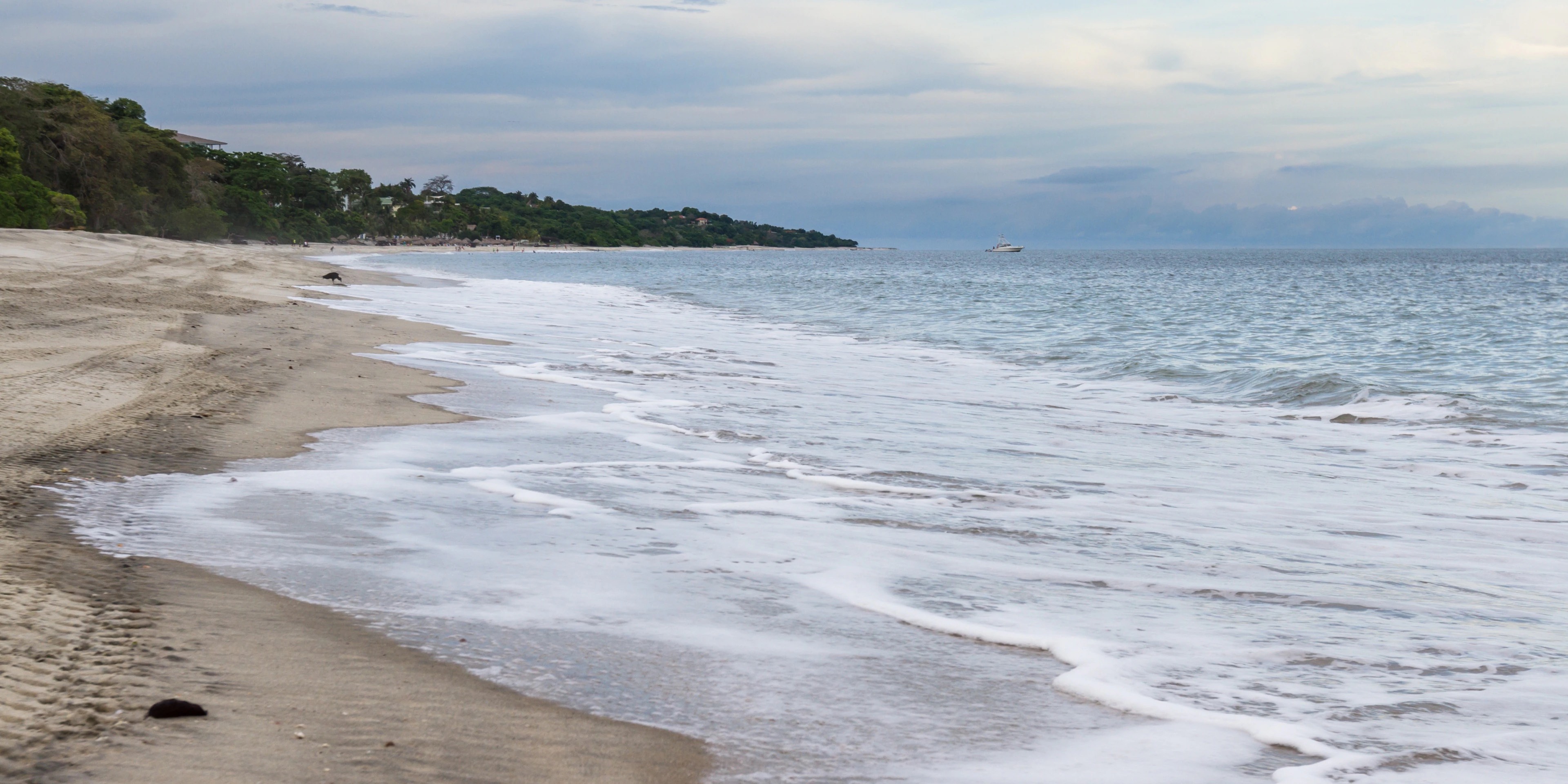
The Pacific beach corridor. West of the city within an easy drive. Coronado is the established year-round expatriate town; Pedasí, further out on the Azuero Peninsula, trades convenience for authenticity. On the Caribbean side, Bocas del Toro is an archipelago market with thinner services.
The Chiriquí highlands. Boquete is the benchmark — a coffee town at altitude, spring-like year-round, where a long-settled North American community built the clinics and restaurants around it.
The lifestyle tiers carry lighter services and slower resale than the capital: underwrite a beach or mountain home as somewhere the family genuinely intends to spend time. The neighbourhood-level read is in the Panama real estate market guide. There are no public Panama listings on this site by design: property is sourced against a family’s brief through the Sotheby’s International Realty network and local counsel. The wider regional book is public in current listings, and the Panama file opens by appointment.
Dan represents property across the Eastern Caribbean. View current listings →
The tax line describes Panama's own system, not an American family's global position — US citizens are taxed by the IRS on worldwide income wherever they live.
Explore Panama with Dan.
Book a private call to see whether this route fits your family's goals.
Book a Private Call