Caribbean Residency by Investment
Second residency and tax-residency routes for globally mobile families — from the Cayman Islands to Puerto Rico's Act 60, with the day counts and the US tax reality attached.
Two instruments, two different problems.
They are sold as one product and they are not. Citizenship by investment delivers nationality and a passport — a travel document, held for life, that no government can quietly decline to renew. Residency by investment delivers the right to live somewhere. One decides where you may go; the other decides where you actually are, and usually where you are taxed. Most families reach Dan asking about the passport and leave having bought both, in a deliberate order.
The practical gap is wider than the marketing suggests. A Caribbean citizenship program asks from US$200,000 in Dominica up to US$325,000 for approved real estate in St. Kitts, clears in four to six months on a complete file, and today carries no obligation to set foot on the island. A residency route generally asks more capital — US$1.2M for the Cayman Islands' 25-year certificate, US$2.5M for Bermuda's Economic Investment Residential Certificate — and expects you to turn up.
Neither converts into the other by itself. Anguilla's residency confers the right to live there, not a travel document; a St. Kitts passport confers mobility, not a tax home. Dan treats them as two allocations in one plan, and the side-by-side comparison of every Caribbean program is where the conversation usually starts.
| Dimension | Residency by investment | Citizenship by investment |
|---|---|---|
| What it grants | The right to live in the jurisdiction — and often to be taxed there | Nationality and a passport, held for life |
| Travel document | No | Yes — St. Kitts & Nevis reaches approximately 155 destinations (Henley Passport Index, 2026) |
| Entry point | From $150,000 (Costa Rica inversionista) up to $2.5M (Bermuda) | From $200,000 (Dominica) up to $325,000 (approved real estate, St. Kitts) |
| Timeline | 3–6 months in Cayman; varies elsewhere | 4–6 months on a complete file; 8–12 months in Antigua & Barbuda |
| Physical presence | Real, and program-specific — 90 days a year in Bermuda, none to hold a Barbados permit | None today; a mandatory 30-day requirement is slated under the region's ECCIRA reforms |
| Effect on a US tax bill | None by itself — only a genuine change of tax residence moves it | None. Americans are taxed on worldwide income regardless |
Where global families are basing themselves.
Nine routes I cover directly: four tax-neutral island jurisdictions, two territorial-tax options, one treaty jurisdiction, Puerto Rico for the family that intends to keep the passport, and one that sells nothing yet.
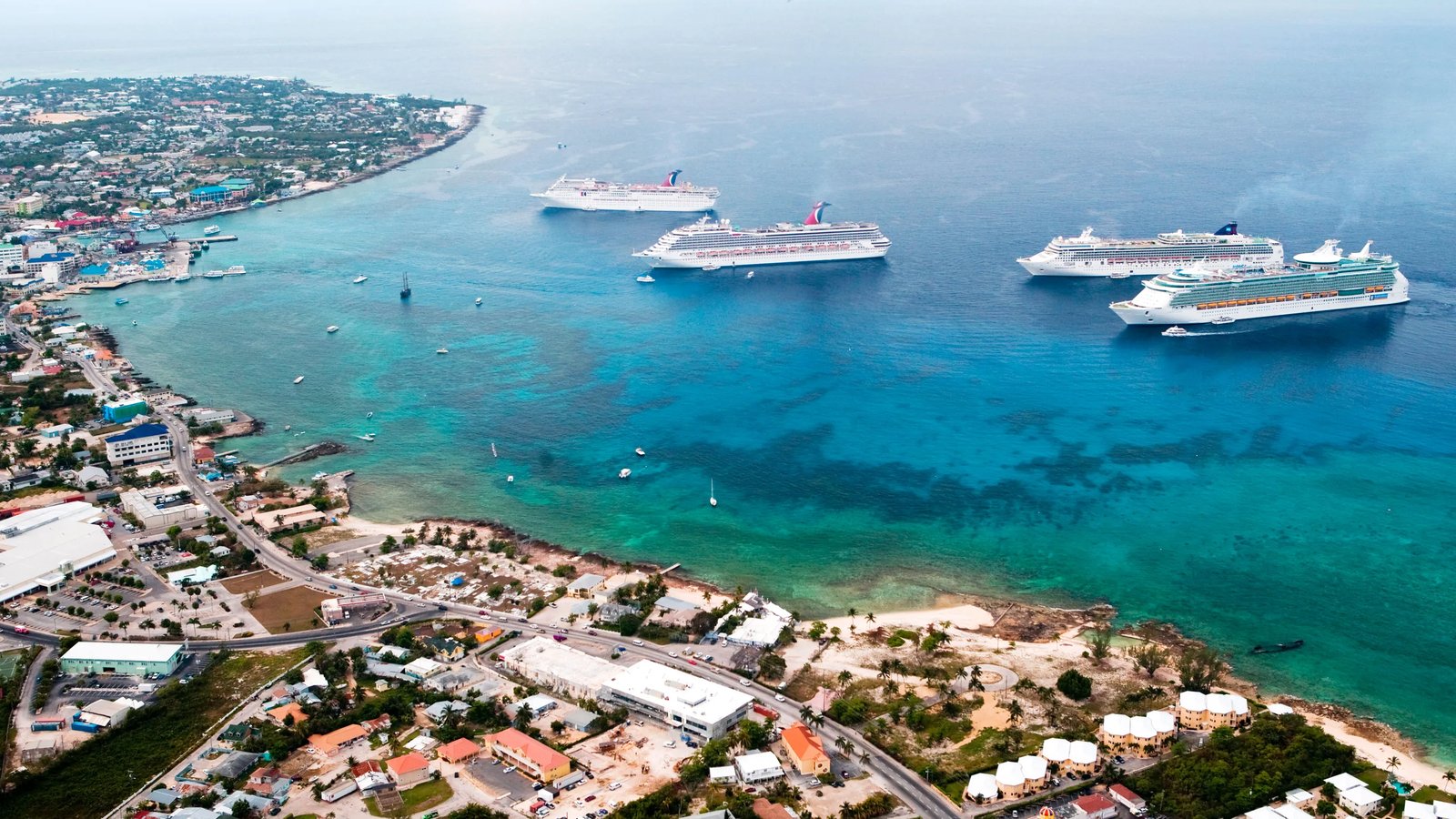
Cayman Islands
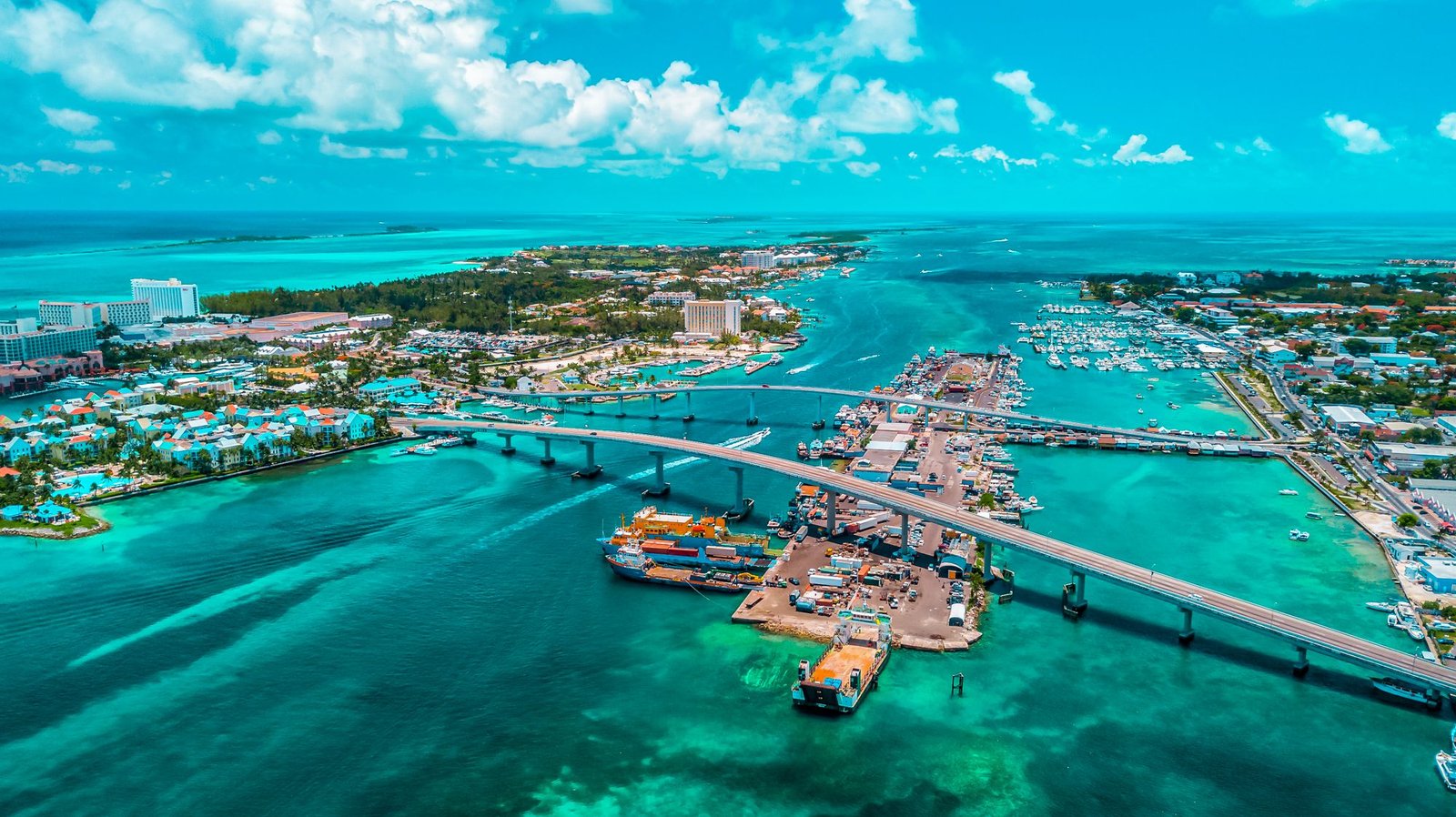
The Bahamas
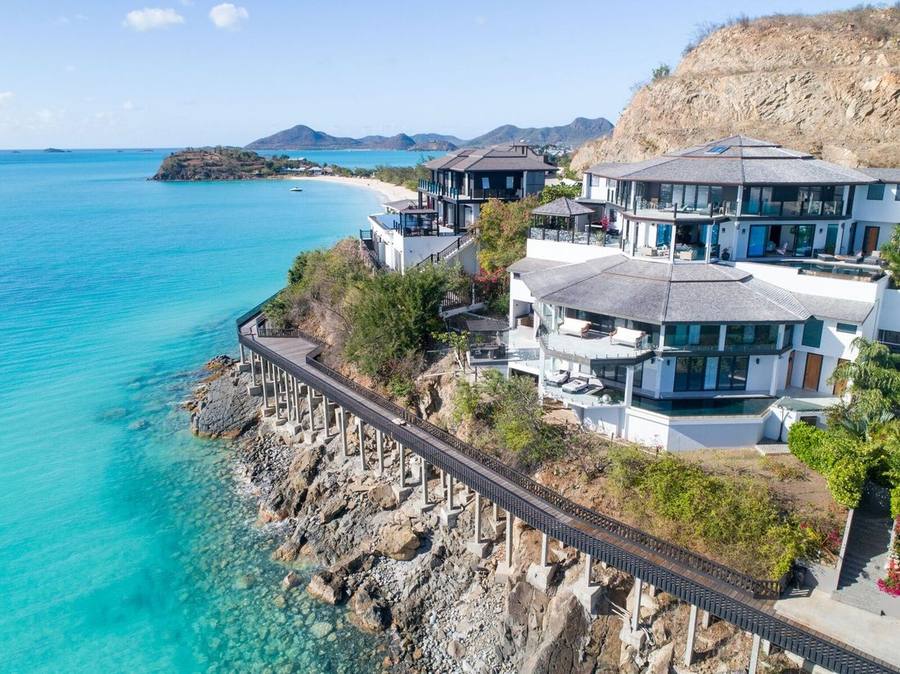
Bermuda
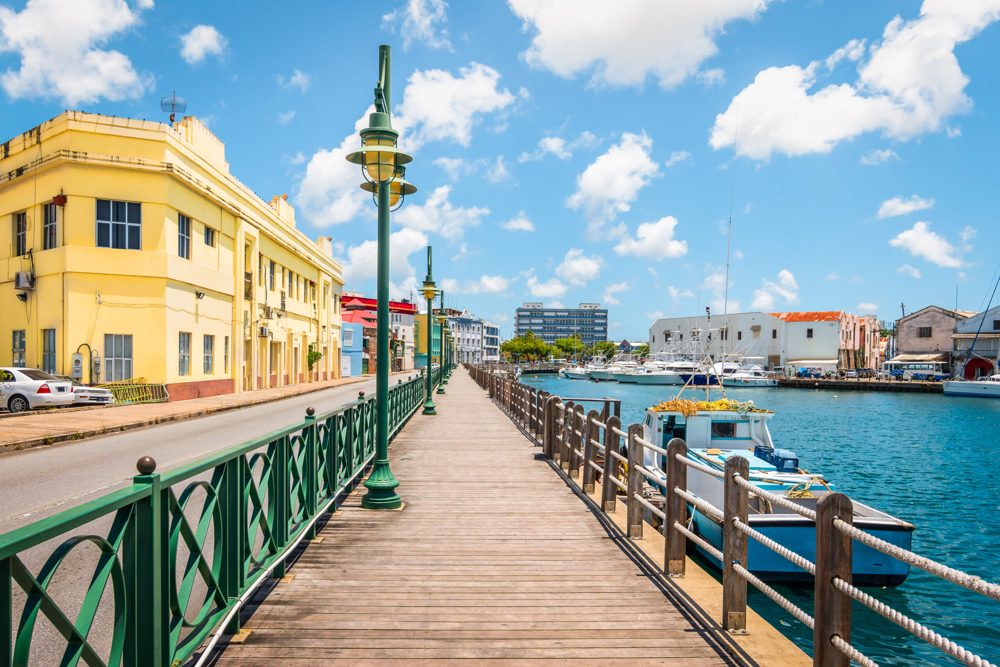
Barbados
Anguilla

Panama
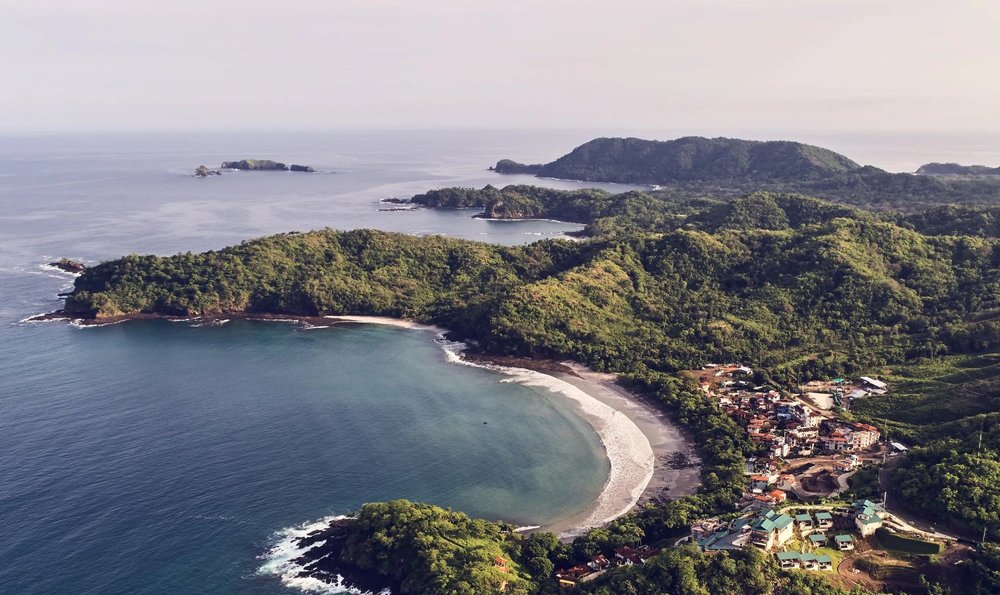
Costa Rica
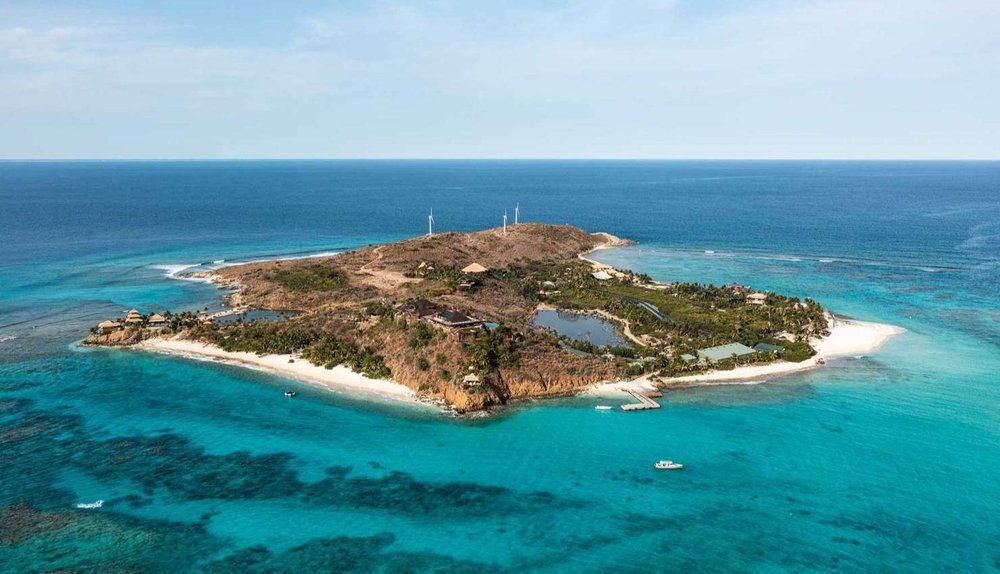
British Virgin Islands
The tax lines above describe each jurisdiction's own system, not an American family's global position — US citizens are taxed by the IRS on worldwide income wherever they live. Figures are indicative and move with government policy and family size.
Choosing a route, in the right order.
I run jurisdiction selection as elimination, built on three questions — and I run it before anyone shows you a building, because the order in which those two conversations happen decides who the plan is really built for. What must the move do for tax — a zero-tax base like the Cayman Islands, The Bahamas or Anguilla, a territorial system like Panama's, or a preferential regime like Puerto Rico's Act 60? How much time will the family honestly spend on-island? And what does daily life need — banking depth, schools, a direct flight home?
Those answers usually resolve the shortlist. Cayman suits families who want the jurisdiction that holds the home to hold the company beneath it; The Bahamas puts Florida within an hour. Costa Rica offers a full-sized country and, in its inversionista, rentista and pensionado categories, the region's most legible immigration system. Bermuda is the prestige address and the most demanding on presence, Barbados trades a zero rate for an extensive treaty network, Anguilla is the discretion play, and the British Virgin Islands sell nothing at all today — tax-neutral, license-led, and in Dan's judgment unlikely to stay that way.
Sequence matters as much as selection. When mobility is the goal, a second citizenship can run first: four to six months, with no residency requirement attached. When the tax bill is the goal, the order reverses — settle where the family will genuinely be resident, then layer the passport on for mobility. Conflating the two decisions is how families buy the wrong instrument at the right price.
Presence is what eliminates most shortlists.
Price is the first question families ask and rarely the one that decides anything. The binding constraint is time. A residency you cannot physically service is a residency you will lose, and a tax residency you cannot evidence is one your home country will not accept. Dan asks for an honest number of weeks before he asks for a budget.
| Route | What the program expects | The practical read |
|---|---|---|
| Bermuda (EIRC) | 90 days a year, maintained for five years, alongside the $2.5M investment | The most demanding on this list — a genuine seasonal life, not an address |
| Puerto Rico (Act 60) | 183+ days, plus a tax home and closer connections on the island | A move, not a paperwork exercise — the IRS audits the shortcuts |
| Anguilla (High-Value Resident) | 45 days a year on-island alongside the $75,000 flat annual tax | Enough time on-island to make the tax home defensible |
| Barbados (SERP) | No minimum stay to keep the permit | The lightest touch — standing without relocation |
| Costa Rica | Time in the country each year while the qualifying investment, income or pension holds | Undemanding, but not optional |
| Caribbean citizenship | None today; a mandatory 30-day requirement is slated under the ECCIRA reforms | The paper-citizenship era is closing — confirm the current date before planning around it |
The Cayman Islands sit slightly apart. Rather than lead with a day count, the 25-year Residency Certificate tests capacity — annual income of CI$120,000 or a CI$400,000 local deposit — alongside CI$1M invested, at least half of it in developed real estate. Whatever the published figure, the advice holds: build the plan around the life the family will actually live, then confirm it clears the requirement. Never the reverse.
The tax angle — especially for US buyers.
If a US passport is anywhere in the family, this section changes entirely. The United States taxes its citizens on worldwide income no matter where they live — one of only two countries on earth that does. Neither a second residency nor a second passport alters that: none of the five Caribbean citizenship countries holds a US income tax treaty, and FATCA follows the person rather than the travel document. Where a jurisdiction on this page is described as having no income tax, that is a true statement about the jurisdiction, not a description of an American family's global tax position.
What moves the number is a genuine change of where you live, and there are only a few honest versions. Puerto Rico's Act 60 is the one that keeps the passport: 4% on qualifying export-services income, and 0% on new Puerto Rico-source capital gains for applications filed by December 31, 2026, with a flat 4% for applicants from 2027 and the program extended through 2055. The Anguilla flat tax moves the tax home instead — US$75,000 a year against zero income, capital-gains and inheritance tax — and for a US citizen it does its full work only alongside renouncing US citizenship, the rare final step Dan asks clients to exhaust every alternative before considering. Territorial systems such as Panama's leave foreign-source income generally outside the net — powerful for non-Americans, a structuring question for everyone else.
Both halves of the move have to hold. Entry is presence; exit is the center-of-life test, where days, ties and timing decide whether the system you are leaving has actually let go. The mechanics sit on the tax residency and relocation page, and Dan runs the analysis alongside your home-country advisors before anything is filed.
Puerto Rico (Act 60)
Anguilla Flat Tax
Territorial Tax, Explained
Rates and thresholds above describe each jurisdiction's own regime. US citizens remain taxed on worldwide income regardless of a second residency or citizenship — only a genuine relocation inside the US system, or expatriation, changes that.
Who each route actually suits.
The principal who wants an institutional base. Fund and insurance executives, founders holding structures offshore. Cayman first at US$1.2M for the 25-year certificate, Bermuda second at US$2.5M. The file is serious; what you buy is order.
The family that wants Florida within an hour. The Bahamas, the North American default for decades, with permanent residency from US$1,000,000 in real estate and accelerated processing for larger investments.
The family that wants a full life rather than a paper address. Barbados asks qualifying property from US$300,000 and no minimum stay; Costa Rica asks US$150,000 under inversionista and a genuine if modest annual presence. Both bring schools, hospitals and direct flights.
The entrepreneur optimizing for speed and cost. Panama, where the Friendly Nations Visa starts at US$200,000 in real estate or a bank deposit and the Qualified Investor Visa at US$300,000, over a dollarized economy and a territorial tax system.
The principal for whom privacy is the luxury. Anguilla — approved real estate from US$750,000 or a development-fund contribution, with zero income, capital-gains and inheritance tax as standing policy rather than a promotional scheme. Families positioning years ahead add the British Virgin Islands, where no program exists to buy and ownership runs through the Non-Belonger Land Holding License.
Two profiles should look elsewhere. Anyone who needs a travel document quickly wants citizenship by investment rather than residency — four to six months against a multi-year path. And any American whose whole thesis is a lower tax bill should read Dan's case for treating a second citizenship as insurance, not a tax play, before spending a dollar.
The application, in practice.
The applications are document-driven rather than adversarial. Every program asks for the same core file: certified identity documents, source-of-funds evidence that stands on its own, police and character references, and proof that the qualifying commitment — property, deposit, income or contribution — is in place and will stay there. Where real estate is the instrument, the purchase has to qualify as well as make sense, so Dan runs the search against the program's requirements from the first viewing rather than after an offer.
His standing advice is to prepare the file the way a private bank prepares an onboarding, because that is effectively what it is. Complete files clear government due diligence on schedule; thin ones invite questions, and questions cost months. Underneath sits the part families discover late — which entity holds the property, where the income lands, how it passes to the next generation — coordinated through his international tax planning and company structuring work alongside island counsel.
Residency vs. citizenship, answered.
What's the difference between residency and citizenship by investment?
Residency grants the right to live in a jurisdiction, and often to be taxed there; citizenship grants nationality and a passport held for life. Residency asks you to turn up and generally costs more, while Caribbean citizenship clears in four to six months with no residency requirement today. Most families end up holding both.
Which of these jurisdictions have no income tax?
The Cayman Islands, The Bahamas, Bermuda, Anguilla and the British Virgin Islands levy no personal income tax. Panama and Costa Rica run territorial or territorial-leaning systems that generally leave foreign-source income outside the net, and Barbados trades on an extensive treaty network rather than a zero rate. None of this changes an American's position: US citizens are taxed on worldwide income wherever they live.
How many days a year do I actually have to spend there?
It varies more than the brochures suggest. Bermuda's Economic Investment Residential Certificate expects 90 days a year for five years; Puerto Rico's Act 60 turns on 183 days plus a tax home and closer connections; Barbados asks for no minimum stay at all; and Anguilla's High-Value Resident program asks 45 days a year on-island. Presence eliminates more shortlists than price does.
Does a second residency lower my US tax bill?
Not by itself. Americans are taxed on worldwide income regardless of where they hold residency or citizenship. The routes that genuinely move the number are a relocation inside the US system — Puerto Rico's Act 60 — or the far larger step of renouncing US citizenship. Dan settles the residency question first, then layers citizenship on for mobility.
Can residency lead to citizenship later?
In some jurisdictions, yes. Costa Rica runs a defined path from temporary to permanent residency and, after further years of lawful residence, naturalization. In the British Virgin Islands the path to Belonger status is measured in decades. Families who need a passport sooner pair a residency base with a Caribbean citizenship rather than waiting.
Which residency program has the lowest entry point?
Costa Rica's inversionista route starts at US$150,000 and Panama's Friendly Nations Visa at US$200,000, with Barbados property qualifying from US$300,000. Cayman, The Bahamas and Bermuda sit in the seven-figure tier. The lowest entry is rarely the right answer — the presence requirement and the tax fit decide more than the headline figure.
Should I pursue residency, citizenship, or both?
Many clients do both — a Caribbean second citizenship for mobility and permanence, paired with a residency base chosen for where the family will genuinely live and be taxed. Dan coordinates the two rather than treating them as separate decisions, and the order usually matters more than the choice.
Map your residency & tax strategy.
Book a private call to find the right base for your family and your capital.
Book a Private Call