The Bahamas
Permanent residency held for life, a tax-neutral jurisdiction, and Florida under an hour away.
About The Bahamas
In brief. The Bahamas grants permanent residence — not citizenship — against a qualifying real-estate investment of $1,000,000 or more, with an accelerated track for larger commitments. Once granted, the status is held for life with no renewal cycle. The jurisdiction levies no personal income tax, no capital-gains tax and no inheritance tax. Its principal market, New Providence, sits roughly fifty minutes’ flight from Miami. The route suits North American families who want a tax-neutral base within an hour of Florida and intend to use it. It does not suit a family whose objective is a lower US tax bill, or anyone who needs a travel document. US citizens are taxed by the United States on worldwide income regardless of residence or a second citizenship.
An archipelago of roughly 700 islands strung between Florida and the wider Caribbean, the Bahamas has been the North American default long enough that families arrive with the decision half made. What is on offer is narrower than most expect. There is no Bahamian citizenship-by-investment program; the country grants permanent residence against a qualifying property, and holds it for life. Mobility, tax base and structure remain separate problems requiring separate instruments.
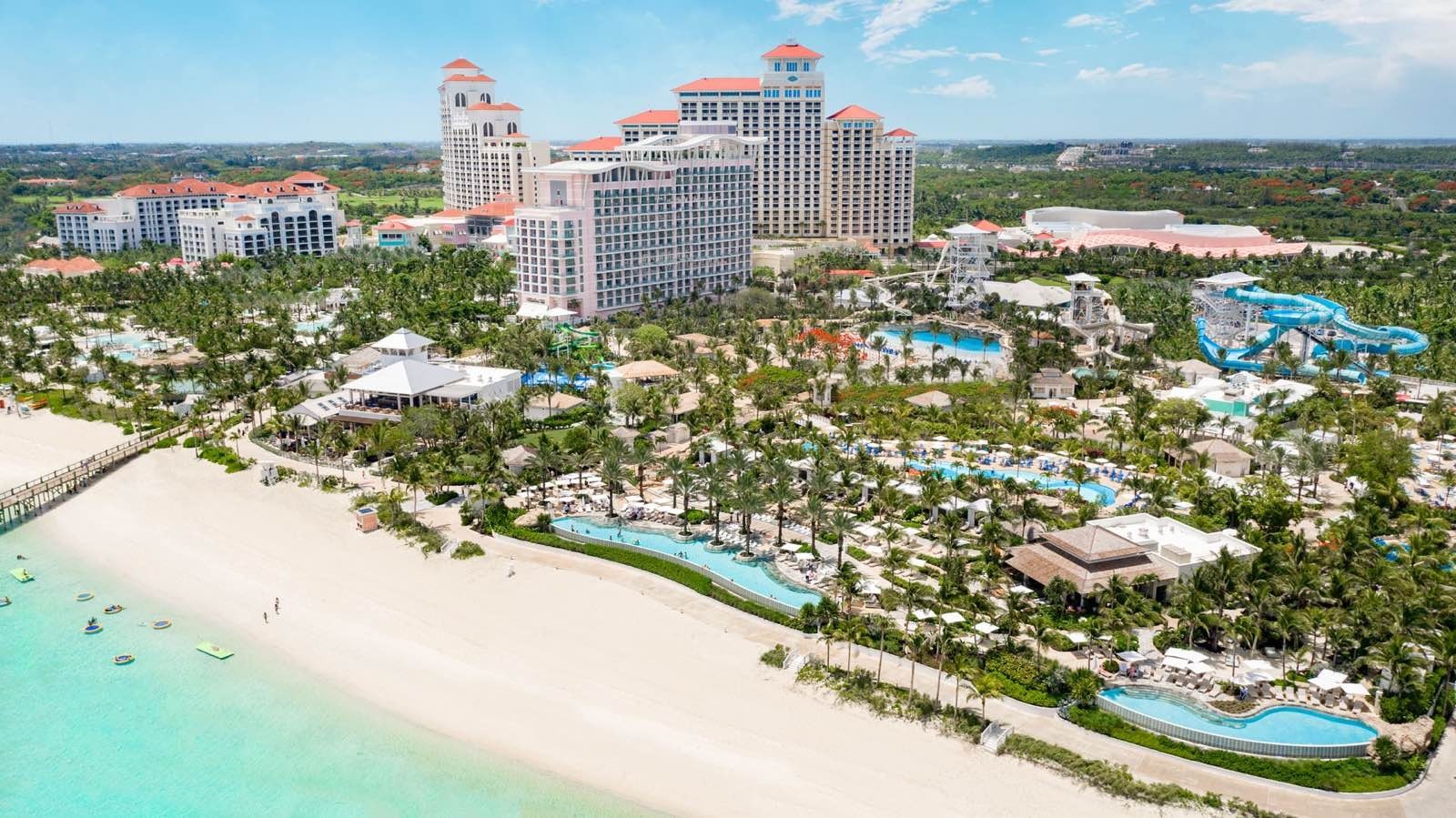
The proposition beneath the residence is the tax profile — no tax on income, capital gains or inheritance, standing policy rather than a promotional incentive, and one reason the country appears among the countries with zero income tax in 2026. The practice places it in the same tax-neutral tier as the Cayman Islands and Anguilla. Cayman is the institutional choice, with the deepest professional bench of the three; Anguilla is the discretion play. The Bahamas trades on scale and proximity: the region’s most liquid luxury property market, an hour from the US mainland.
Who it suits — and who it does not
The route fits principals who will use the home rather than visit it once a year, executives working with Nassau’s established banking, trust and fund sector, and buyers who value liquidity as much as lifestyle. It is the wrong answer for three profiles. A family whose entire thesis is a lower US tax bill should settle that question before spending a dollar here. Anyone who needs a travel document wants citizenship by investment instead — four to six months on a complete file. And anyone looking for a low six-figure entry is in the wrong tier: the Bahamas sits in the seven-figure bracket alongside Cayman and Bermuda. Where privacy matters more than proximity, Anguilla is the better island.
Residency
The Bahamian route is bought with property rather than a contribution, which separates it from every citizenship program in the region. A qualifying real-estate investment of $1,000,000 or more supports an application for permanent residence, with an accelerated track for larger commitments. Because the capital sits in a house rather than a fee, the entry price is recoverable — which is why the property decision carries more weight here than the application does. A qualifying property a family would not otherwise want is an expensive way to buy a residence.
Qualifying, and what the file involves
Acquisitions by non-Bahamians fall under the International Persons Landholding Act: for most single-residence purchases that means registering the transaction rather than seeking prior approval, while larger or undeveloped holdings can require a permit. Which applies is settled before an offer goes in. A Bahamian attorney handles the conveyance, and source-of-funds disclosure is expected rather than exceptional — the file is best prepared to the standard of a private-bank onboarding, because that is effectively what it is. Current government costs and processing times are confirmed in writing at the strategy call, before capital moves.
The tax position — and what it means for an American
For non-American families the position is simple: no tax on income, capital gains or inheritance. What the Bahamas does charge falls on the transaction and the holding — VAT on the conveyance, and an annual real property tax on assessed value. Neither is large next to a US or Canadian bill, and both belong in the model before an offer.
For a US citizen the position is narrower. The United States taxes its citizens on worldwide income regardless of residence or a second citizenship; the Foreign Earned Income Exclusion shelters US $132,900 for 2026 and reaches earned income only — not capital gains, dividends, interest or rent — and The Bahamas holds no US income tax treaty. A Bahamian residence changes a local bill that is already zero and leaves the federal one where it was. The routes that genuinely move an American’s number are a relocation inside the US system — Puerto Rico’s Act 60, on the 183-day standard — or the far larger step of renouncing US citizenship. What the Bahamas buys instead is jurisdictional diversification and a permanent right to live an hour from the mainland; the tax question is priced separately, with international tax planning and the family’s own counsel.
Presence — the most misread part of the route
Permanent residence here is held for life, with no renewal cycle. Its peers are conditional: Anguilla’s High-Value Resident program asks 45 days a year on-island against a flat annual tax of US $75,000, the Cayman Islands residency certificate asks 30 days, and Bermuda’s Economic Investment Residential Certificate expects 90 days a year maintained for five years. The Bahamian position should be read as a warning rather than a feature. A status that asks nothing of the calendar does nothing for it either: residency is permission, while tax residency is arithmetic, decided by presence and centre of life. Under the Common Reporting Standard, a residence claimed with no days and no home behind it reads as an audit flag rather than a plan. A family intending the move to change where it is taxed settles the day count — and a defensible exit from the system it is leaving — before a purchase, not after.
Path to citizenship
There is none by investment. Permanent residence confers no passport, and the Bahamas runs no program that would. Families who want both pair a Bahamian base with a Caribbean second citizenship — most often St. Kitts & Nevis, whose passport reaches approximately 155 destinations (Henley Passport Index, 2026). The two instruments are compared on the residency by investment overview and in second residency versus second citizenship.
- Permanent residence from $1,000,000 in qualifying real estate, held for life
- An accelerated track for larger commitments
- No income, capital-gains or inheritance tax — standing policy, not a promotion
- No renewal cycle; no Bahamian citizenship route
- Roughly fifty minutes’ flight from Miami, with frequent direct lift
The tax lines describe the Bahamian system, not a US family’s global position — US citizens are taxed by the United States on worldwide income wherever they live. Figures are indicative and move with government policy and family size; exact costs are confirmed in consultation.
Frequently asked questions
Does the Bahamas offer citizenship by investment?
No. The Bahamas grants permanent residence against a qualifying property and runs no citizenship-by-investment program. Families who also want a travel document pair the Bahamian base with a Caribbean second citizenship.
How much does Bahamas permanent residency cost?
A qualifying real-estate investment of $1,000,000 or more supports an application, with an accelerated track for larger commitments. Government costs move with policy and family size and are confirmed in writing before capital moves.
Does Bahamian permanent residency expire, and how many days a year does it require?
It does not expire — once granted it is held for life, with no renewal cycle, unlike Anguilla’s 45 days a year, Cayman’s 30, or Bermuda’s 90 days a year for five years. Current conditions are confirmed in writing. What decides tax residency is genuine presence and centre of life, not the certificate.
Does Bahamian residency lower a US tax bill?
Not by itself. The Bahamas levies no income, capital-gains or inheritance tax, but the United States taxes its citizens on worldwide income wherever they live. Only a relocation inside the US system, such as Puerto Rico’s Act 60, or renouncing US citizenship changes the federal number.
What does the Bahamas actually tax?
Not income, capital gains or inheritance. It charges on the transaction and the holding — VAT on the conveyance, and an annual real property tax on assessed value. Both belong in the model before an offer.
Can a foreigner buy property in the Bahamas?
Broadly yes. Acquisitions by non-Bahamians fall under the International Persons Landholding Act, which for most single-residence purchases means registering the transaction rather than seeking prior approval; larger or undeveloped holdings can require a permit.
How does the Bahamas compare with Cayman, Bermuda and Anguilla?
None of the four levies personal income tax — though zero income tax is not zero cost, as the annual charges below show. Cayman asks $1.2 million for a twenty-five-year certificate or $2.4 million for permanence, with 30 days a year; Bermuda’s Economic Investment Residential Certificate asks US $2.5 million and 90 days a year for five years; Anguilla runs a US $75,000 flat annual tax against a US $400,000 property and 45 days. The Bahamas leads on breadth of product, liquidity and proximity to Florida.
Real Estate
Property is the qualifying instrument here, so the purchase carries the residence as well as the family. The market sorts into two tiers. New Providence is the axis it turns on — Nassau, Paradise Island a bridge away, and the gated enclaves of Lyford Cay, Old Fort Bay and Albany to the west, where schools, clubs, marinas and a genuine secondary market mean a well-chosen home can be sold again without waiting for the one buyer who fits. Beyond it lie the Out Islands — Harbour Island, the Exumas, the Abacos — where space and privacy are paid for in thinner infrastructure and a slower exit. The counsel there is consistent: underwrite for use, not resale speed.
A short list, not the market
- Ocean Club Residences, Paradise Island — two-bedroom-plus-den homes of about 290 square metres, from $7,310,000, fully resort-managed
- Ocean Club Penthouses — the top of the same building, from $15,740,000
- Albany — the sports-and-marina community on New Providence’s southwest coast, and the benchmark for the top of the whole-ownership market
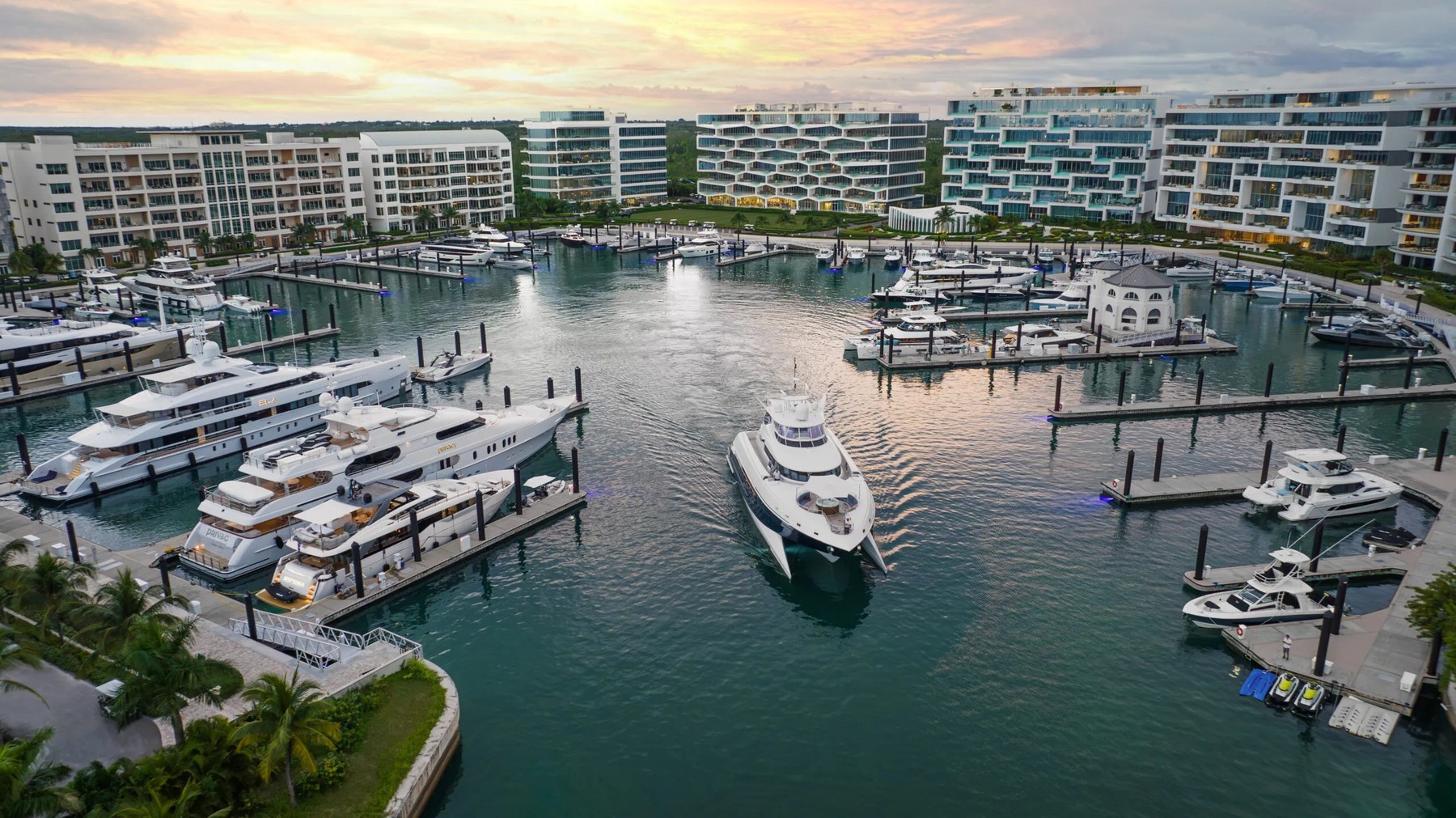
Both Ocean Club positions sit within the historic Paradise Island estate and are sold off-plan, with delivery reported for around 2027 and more recent reporting pointing to 2028. That is an underwriting item rather than a footnote: build status, delivery date and how the deposit is protected are confirmed before any headline is relied on, and the cautions are set out in the independent buyer’s guide to the Ocean Club. Rental income is the figure most often oversold in this market; model it conservatively, for the reasons in why Caribbean rental cashflow is harder than it looks.
The full market read — where to buy, what to pay, and how foreign purchase works — is on the Bahamas real estate guide; current verified inventory sits on the listings marketplace. The property search runs through the practice’s Sotheby’s International Realty affiliation, with the residency file prepared alongside Bahamian counsel; pricing and availability at the branded tier are confirmed at the strategy call.
Current inventory
2 listings in The Bahamas.
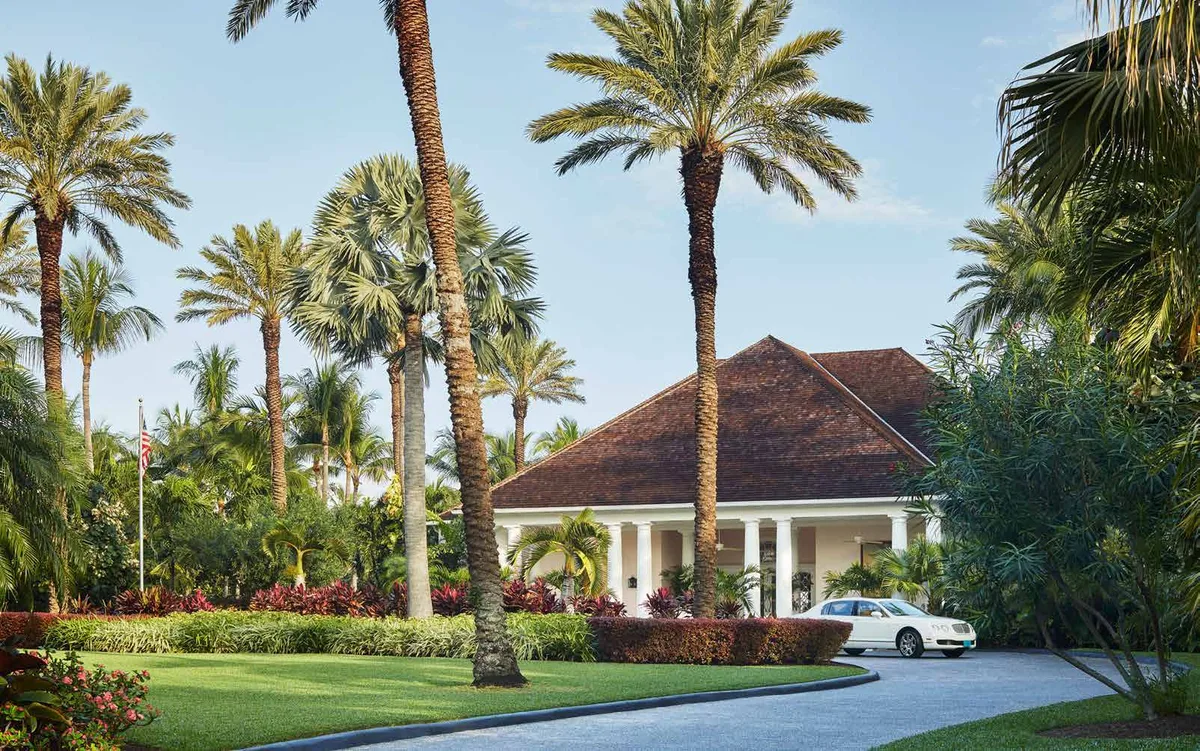
Four Seasons Ocean Club Penthouses, Bahamas
Penthouse residences crowning The Ocean Club, A Four Seasons Resort on Paradise Island — four bedrooms with den and study across 5,262 interior…
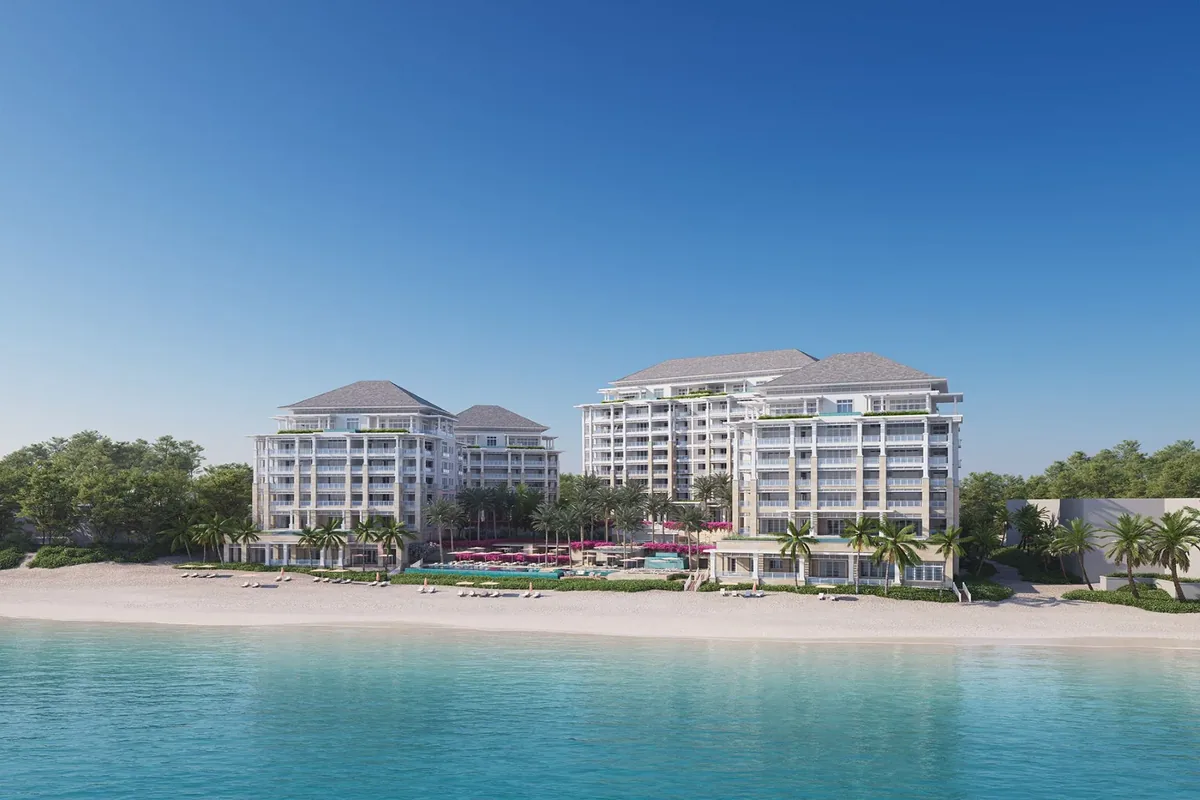
Four Seasons Ocean Club Residences, Bahamas
Two-bedroom-plus-den residences at The Ocean Club, A Four Seasons Resort — 35 storied acres on Paradise Island's five-mile beach, with Four Seasons…
The tax line describes the Bahamian system. US citizens remain taxed on worldwide income wherever they live.
Explore The Bahamas with Dan.
Book a private call to see whether this route fits your family's goals.
Book a Private Call