Antigua & Barbuda Citizenship by Investment
The Caribbean's family program — one $230,000 contribution covers a household of four.
About Antigua & Barbuda
Antigua & Barbuda has run its Citizenship by Investment Program since 2013. Citizenship starts at a US$230,000 National Development Fund contribution — one price for a single applicant or a household of up to four — or US$300,000 into an approved development. Processing runs 12 to 16 months from a complete application, the passport carries visa-free or visa-on-arrival access to approximately 154 destinations (Henley Passport Index, 2026), and new citizens spend 30 days in the country across their first five years. It suits larger families, who get the lowest cost per passport in the Caribbean, and owners who will use the island.
The place
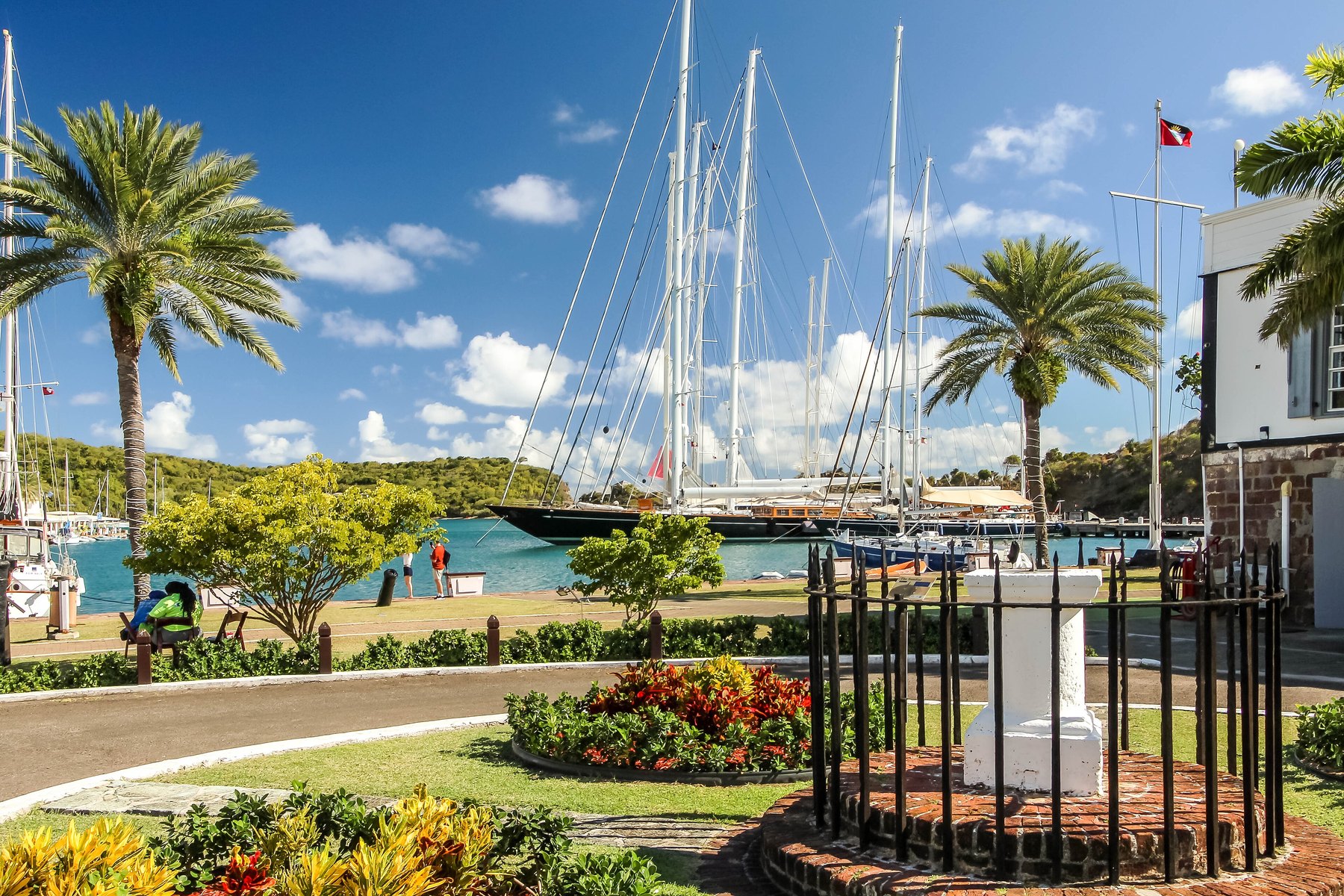
Two islands with the best air links of the five program countries — direct services from the US East Coast, Canada and London. Jolly Harbour anchors the west coast, a working marina community with docks, golf and provisioning; the south holds UNESCO-listed Nelson’s Dockyard and the superyacht berths of Falmouth Harbour. Barbuda, across the channel, is the same country and the same passport on a different island entirely.
Who it suits — and who it does not
One contribution prices a household of up to four, so the cost per passport falls sharply as the household grows, and multi-generational files that price badly elsewhere price well here. It is the wrong program for anyone who needs a passport by a fixed date — Antigua is the second-slowest of the five — or who will not set foot in the country, since the presence obligation runs with the citizenship. The side-by-side sits on the Caribbean program comparison.
Dan’s position on Antigua
Dan’s own second citizenship is Antiguan, granted in 2022 through the contribution route rather than property. His practice has guided 100+ families to citizenship and residency in the past 18 months, with offices in Nevis, St. Kitts, Antigua, St. Lucia and Dominica and an affiliation with Sotheby’s International Realty.
What the passport does
Approximately 154 destinations visa-free or visa-on-arrival (Henley Passport Index, 2026). The more durable benefit is regional: under the Revised Treaty of Basseterre, citizens of the seven OECS protocol states — all five Caribbean CBI countries among them — receive an indefinite-stay stamp on arrival in any of the others, with the right to live and work.
Antigua & Barbuda levies no capital gains or inheritance tax and does not tax the foreign income of non-residents. For an American, that changes nothing: the United States taxes its citizens on worldwide income wherever they live, none of the five Caribbean programs holds a US income tax treaty, and FATCA follows the person rather than the travel document. The tax profile is real; it is not an answer to a US person’s global tax bill. What does apply is optionality, mobility and a permanent legal stake in the region.
Citizenship
Three routes qualify, and the second changes the answer for large households. The headline minimums are below; the full cost stack — government processing, due diligence, legal and passport fees, and what each dependant beyond four adds — is worked through on a strategy call and put in writing before anyone commits.
1. National Development Fund — from US$230,000
A non-refundable contribution to the government’s development fund, and the route most applicants take. US$230,000 covers a main applicant alone or with up to three dependants — the same price either way. No other program in the region prices a family like that.
2. University of the West Indies Fund — from US$260,000
The least-discussed route and the most useful for large families: a minimum family size of six, US$260,000 inclusive of processing fees, and one year of tuition-only study at UWI Five Islands for one family member — the only citizenship option in the region with an education benefit written into it.
3. Approved real estate — from US$300,000
A purchase in a government-approved development, so the capital buys an asset you can use, rent and eventually resell rather than a receipt. The minimum is a flat US$300,000 under the 2024 amendment regulations, regardless of how many buyers stand behind the purchase — the older co-investor pricing no longer exists. Approved property carries a hold before resale — five years on the current schedule, fixed at application. The trade-off is worked in two case studies.
Timeline
The file goes in through an authorized agent and is a due-diligence exercise before it is a financial one. Realistic processing is 12 to 16 months from a complete application, with agent-reported industry data putting the recent average nearer 14.2 months — the second-slowest of the five.
If you need a passport by a date, Antigua is the wrong program; if you are a family of four or more who can wait out a year, nothing else in the region prices this well. What slows a file is thin source-of-funds documentation, undisclosed prior visa refusals and dependants left off at the outset. None of those is disqualifying on its own. Undisclosed, they are.
The 30-day presence requirement
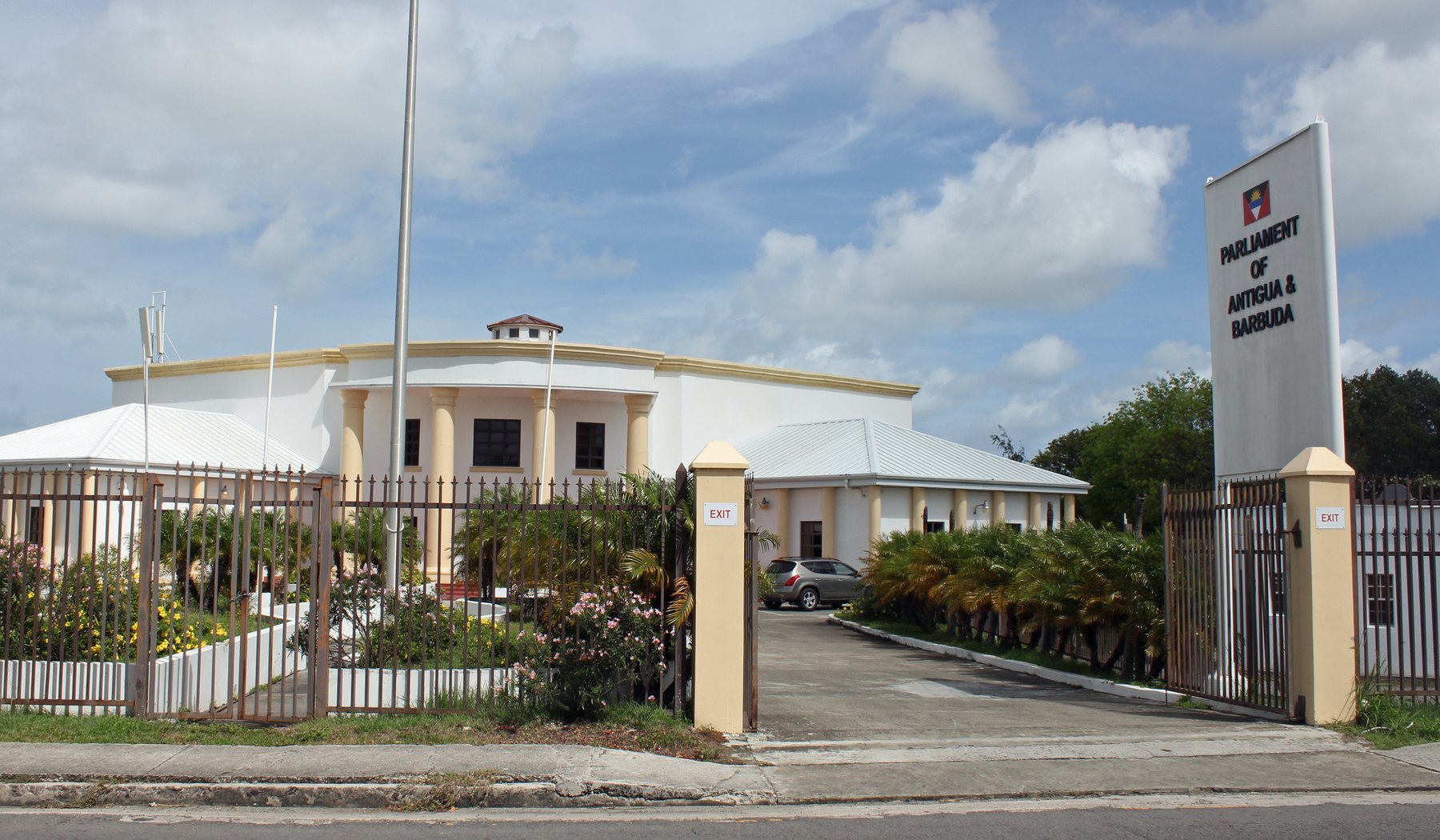
Antigua & Barbuda is the one Caribbean program that already carries a physical-presence obligation: 30 days in the country across the first five years after citizenship is granted, applied administratively while the Citizenship by Investment (Amendment) Bill that would write it into the Act awaits passage. Plan on 30 — six days a year. Applicants also take an Oath of Allegiance.
The risk side of the ledger
Two pressures sit over this program specifically. In December 2025 a US presidential proclamation placed partial entry restrictions on Antigua & Barbuda and Dominica — only those two of the five — effective January 2026. It does not restrict an American’s own travel on a US passport, but it tells you how Washington currently reads the program. In June 2026 the European Commission wrote to all five Caribbean CBI governments demanding a phase-out by 1 June 2028; Antigua’s government has confirmed the letter and calls the revenue irreplaceable without an alternative. No program has actually lost EU access to date — that is a demand, not an action. Buy this citizenship for what it does today, and do not underwrite a decade of visa-free European access as though it were contractual. The audit of all five programs sets out where each stands.
Frequently asked questions
How much does Antigua & Barbuda citizenship cost?
The qualifying minimums are US$230,000 for the National Development Fund contribution, covering a main applicant or a family of up to four; US$260,000 for the University of the West Indies Fund, open to families of six or more and inclusive of processing fees; and a flat US$300,000 for approved real estate. Government, due-diligence, legal and passport fees sit on top and are not published as a standard schedule — Dan sizes them for your file.
Does one contribution really cover four people?
Yes. The US$230,000 contribution covers the main applicant and up to three dependants at a single price, so a family of four pays the same headline figure as a person applying alone. Beyond four there is an incremental charge per dependant, worked out on the call.
What is the University of the West Indies Fund option?
A US$260,000 route inclusive of processing fees, open to families of six or more, which includes one year of tuition-only study at UWI Five Islands for one family member — the only citizenship option in the region with an education benefit built in.
How much real estate do I need to buy?
A flat US$300,000 into an approved development under the 2024 amendment regulations, whether one buyer or several stand behind the purchase. Approved property carries a a hold before resale — five years on the current schedule, fixed at application, and projects often impose tighter conditions than the program does.
Do I have to spend time in Antigua?
Yes. Antigua & Barbuda is the one Caribbean program carrying a physical-presence obligation: 30 days across the first five years after citizenship is granted, plus an Oath of Allegiance. It is applied administratively while the Citizenship by Investment (Amendment) Bill that would write it into the Act awaits passage, so plan on 30. There is no requirement to relocate.
How long does the application take?
Twelve to sixteen months from a complete application is the realistic range; agent-reported industry data puts the recent average nearer 14.2 months, the second-slowest of the five Caribbean programs. Dan gives you the current schedule on the first call, not the marketed one.
Will an Antiguan passport reduce my US taxes?
No. The United States taxes its citizens on worldwide income wherever they live. Antigua & Barbuda levies no capital gains or inheritance tax and does not tax the foreign income of non-residents, but none of the five programs holds a US income tax treaty and FATCA follows the person — so an American’s federal position is unchanged the day the certificate is issued.
Can I include my parents and siblings?
Spouse and dependent children are standard; parents and siblings qualify in many cases subject to the program’s criteria. Age bands change with the schedule in force, so Dan checks every dependant before the file is assembled. Everyone aged 16 and over sits a mandatory due-diligence interview.
Real Estate
Antigua’s buyers arrive with two goals: a home they will genuinely use, and a qualifying purchase that carries the family’s citizenship. Branded resort capital has brought the management and rental programs that make a villa ownable from a distance — the difference between an asset and a parked deposit. Positions the practice represents or advises on:
- Hodges Bay Resort & Spa — from US$300,000. A completed five-star community on Jabberwock Beach, minutes from the airport, where a leasehold income-producing hotel unit meets the citizenship threshold exactly. The straightforward entry for a buyer who wants something already built and operating.
- Coco Beach — roughly US$450,000 to US$2.75 million. Freehold condominiums, townhouses and villas on the calm south-west shore between Darkwood and Ffryes, sold with title to a specific home rather than a share of a pool.
- Jolly Harbour Beachfront Residences — from US$1.2 million. Branded beachfront with a beach club and rental management attached, immediately south of the island’s deepest resale and rental market.
- Barbuda Ocean Club — the legacy tier. A private-club community on the sister island, with no entry-level product and most of it trading privately. Same passport, an entirely different market; the detail sits on the Barbuda guide. Not a qualifying purchase — Barbuda Ocean Club is a lifestyle asset, not a citizenship route; buy it because you want it.
What to weigh before you buy
Approved property carries a five-year resale hold on the current schedule, fixed at application — the middle of the regional range — and a project’s own conditions are often tighter than the program’s. Rental income is where expectations break most often: management splits, service charges and a high-season-only pattern mean the yields quoted in sales decks rarely survive the spreadsheet, and income is underwritten as a bonus rather than the reason to buy. Off-plan adds delivery risk; the same off-plan due-diligence checklist runs before any client wires a deposit.
Buying through Dan
Dan represents these developments directly through St. Kitts & Nevis Sotheby’s International Realty, and walks the sites before clients fly and again with them. The rule for anyone weighing the two routes: buy property you would want anyway, and let the passport be the bonus. His own file went the other way, to the contribution, and he has written up why.
The market itself — neighborhoods, price bands, closing costs and the Non-Citizen Land Holding Licence — is covered on the Antigua & Barbuda real estate guide, and live inventory sits on the current listings.
Current inventory
7 CBI-approved listings in Antigua & Barbuda.
6-Bed Reeds Point Villa with Infinity Pool, Antigua
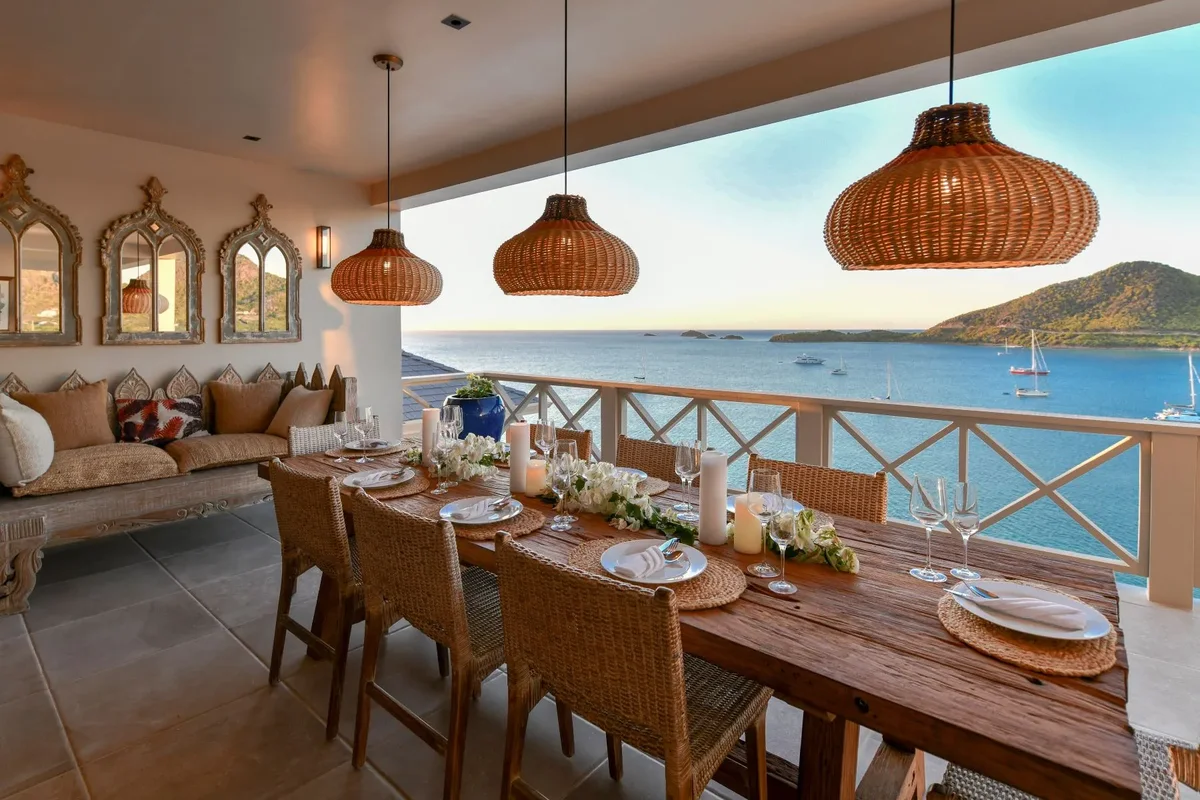
A completed six-bedroom waterfront villa in the Reeds Point enclave of Jolly Harbour, with a west-facing infinity pool, Ward & Co interiors, and a private staircase to calm, swimmable waters.
Branded Beachfront Residences in Antigua
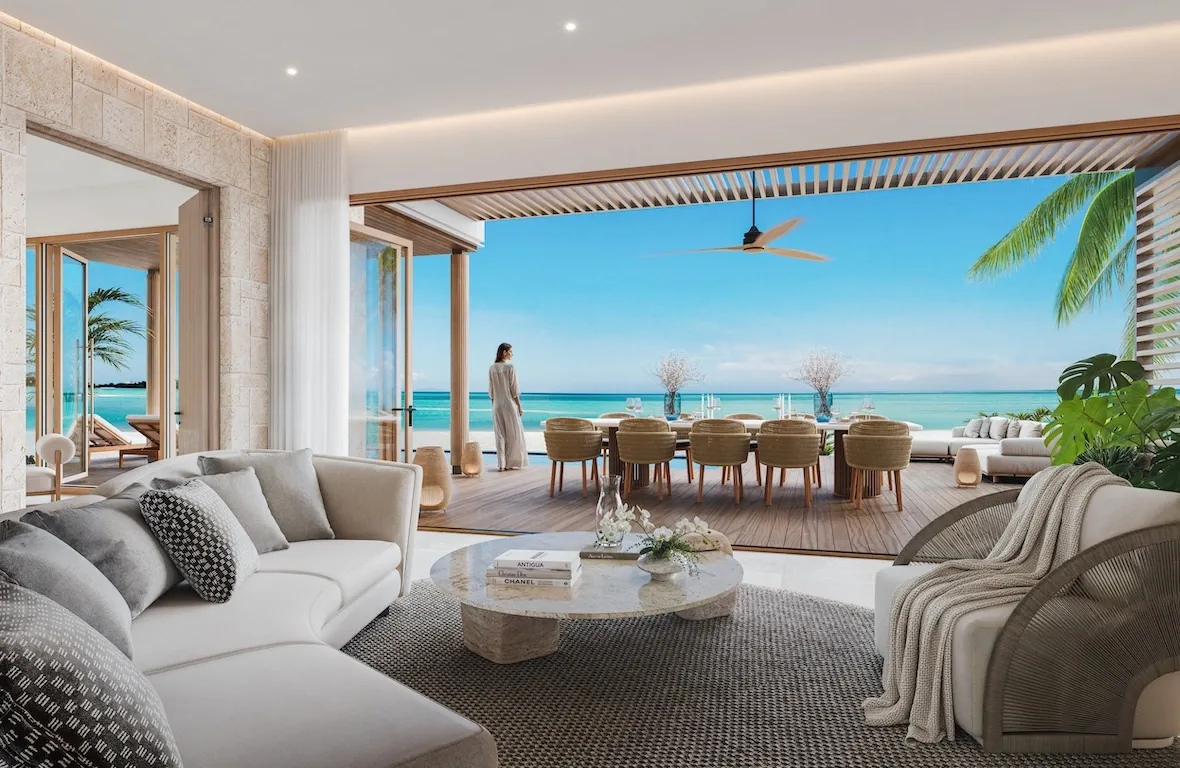
A collection of branded beachfront residences and villas at Jolly Harbour, Antigua, from USD $1,200,000.
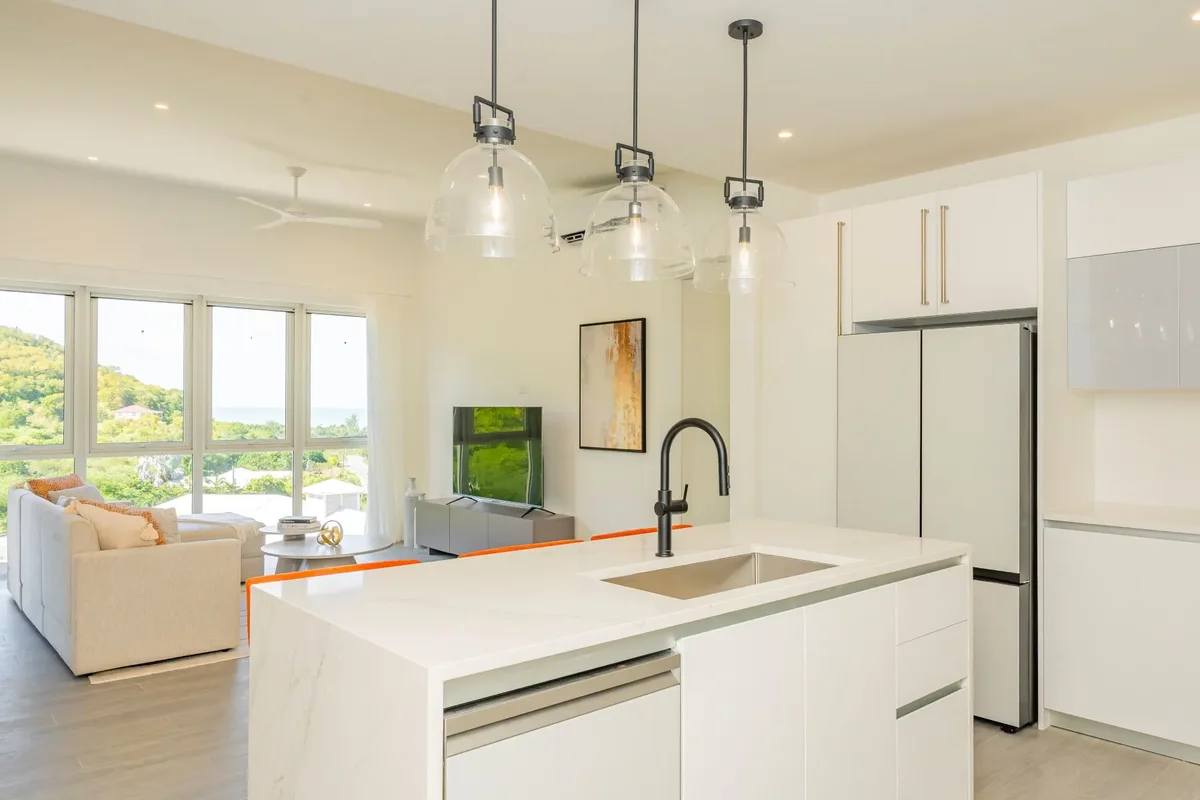
Modern Ocean-View Homes with Antiguan Citizenship
Completed two-bedroom, two-bath freehold residences of 120 square meters in a gated hillside community on Antigua, with west-facing Caribbean Sea…
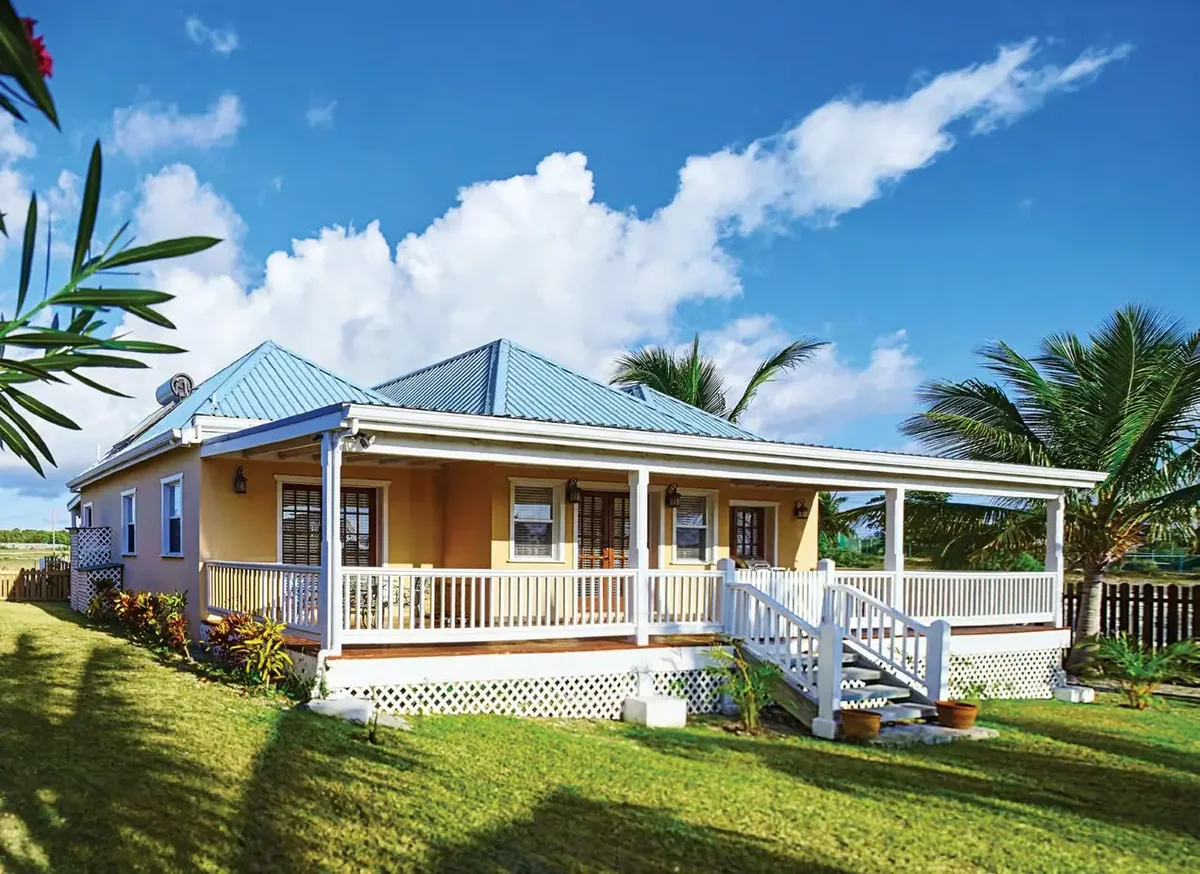
Long Bay Beach Villas, Antigua
Fully furnished two-bedroom villas from US$400,000 within a 25-acre gated community on Antigua's northeast coast at Long Bay Beach.
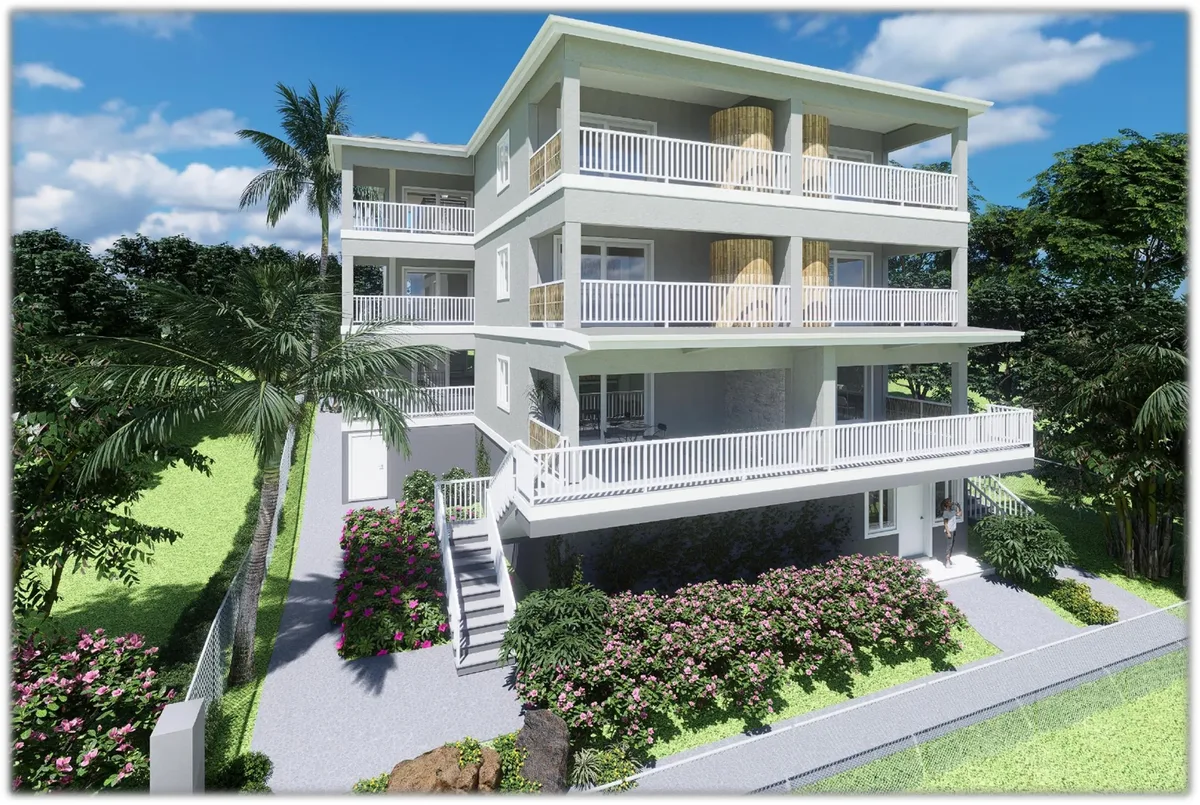
Citizenship-Eligible Gated Community Suite, Antigua
A one-bedroom, one-bath freehold suite of 32 square metres in a gated community near Jolly Harbour, Antigua, offered at US$315,000 with construction in progress.
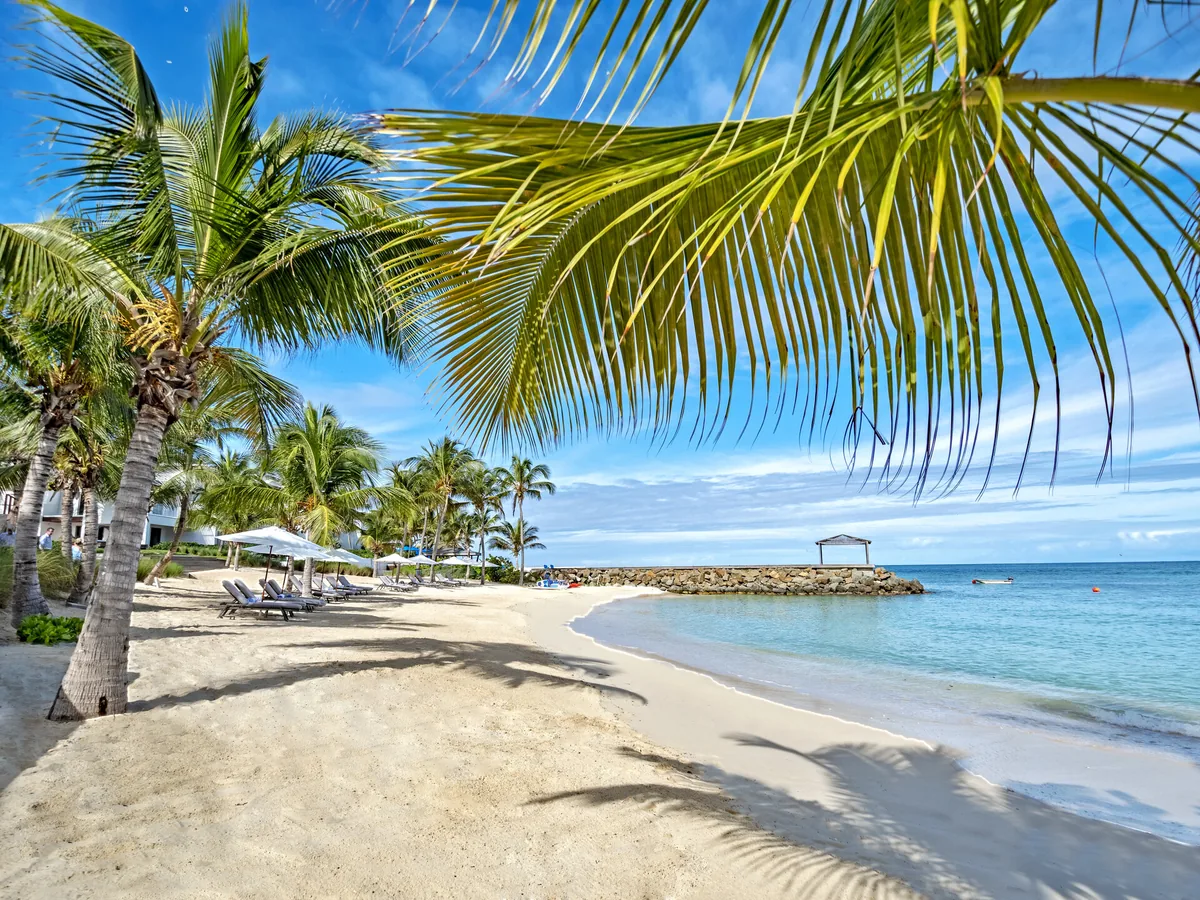
Hodges Bay Resort & Spa
A completed five-star beachfront resort community on Jabberwock Beach, along Antigua's north coast.
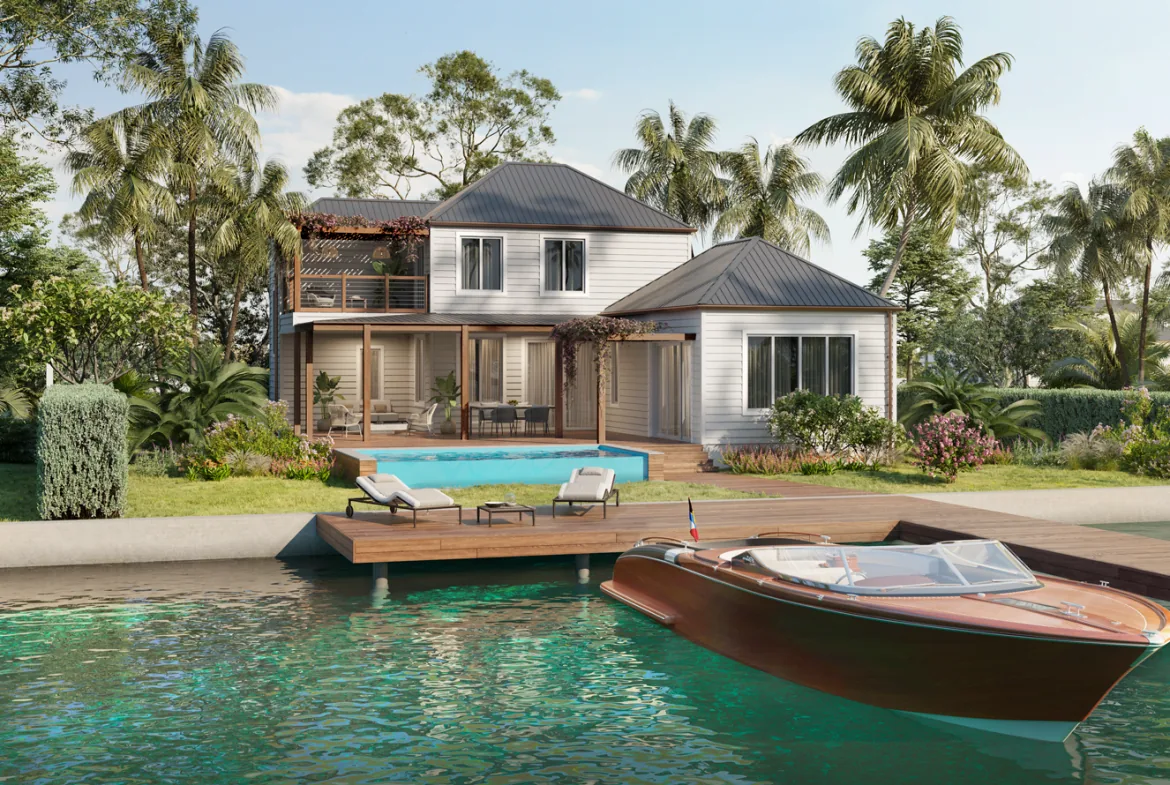
Harbour Island Villa (Fractional Ownership)
A fractional share in a two-bedroom villa on a private island inside Jolly Harbour, Antigua, from US$200,000.
US citizens remain taxed by the United States on worldwide income regardless of a second citizenship — the zero-tax line above describes Antigua, not an American's global tax position. Visa-free count per the Henley Passport Index, 2026.
Is Antigua & Barbuda right for your family?
Book a private call and Dan will map the program — and the right development — to your goals.
Book a Private Call