Nevis Real Estate: A Buyer's Guide to Nevis, West Indies
The Caribbean's most undervalued luxury market — thirty-six square miles in the Federation of St. Kitts & Nevis, anchored by Four Seasons, backed by the world's first citizenship program, and home to the region's strongest asset-protection law.
Nevis, West Indies, in one honest read
One clarification first, because the search results conflate them: this guide covers Nevis in the West Indies — the smaller half of the Federation of St. Kitts & Nevis, near the northern end of the Lesser Antilles — and not the village of the same name in Minnesota. Nevis, Caribbean: thirty-six square miles, one volcanic peak, one road around the outside, and 13,182 people at the 2021-22 census. No high-rises, no cruise pier, and that is policy rather than accident.
Dan lives and works in the Eastern Caribbean and represents Nevis property first-hand through the St. Kitts & Nevis Sotheby's International Realty affiliation, from an office at the Four Seasons on Pinney's Beach. What follows is a working view of the market rather than a brochure summary, and it covers the same ground as his longer guide to the region's most undervalued market.
The case rests on three things competitors rarely mention together. It is genuinely undervalued luxury: a Five-Star anchor in Four Seasons Resort Nevis with a fraction of the supply and price inflation of larger islands. A qualifying purchase can deliver a second passport through the St. Kitts & Nevis Citizenship by Investment program, the oldest in the world. And — the real differentiator — Nevis is a serious offshore-structuring jurisdiction in its own right. Owning here can pair a hard asset, a passport and a structuring domicile in one place.
Visa-free count per the Henley Passport Index, 2026. St. Kitts & Nevis levies no tax on worldwide income, capital gains or inheritance — but the United States taxes its citizens on worldwide income no matter where they live or what second nationality they hold, and none of the five Caribbean citizenship countries has a US income tax treaty. For an American this is a diversification decision, not a tax one: second citizenship for Americans is insurance, not a tax play.
- Thirty-six square miles, one Five-Star anchor and no cruise pier — scarcity here is structural
- CBI-eligible inventory from the US$325,000 approved-development minimum
- Freehold title for foreigners, on English common law with a land registry that works
- The Nevis LLC and Nevis international trust — asset and structure in one jurisdiction
One peak, one road, and why elevation decides everything
Nevis is a single volcanic cone. Nevis Peak rises to roughly 3,232 feet at the center and its slopes run to the sea in every direction, which leaves the genuinely buildable, genuinely desirable coastal land a finite and quite small set of parcels. You cannot manufacture more beachfront on Pinney's Beach, and that constraint underpins values here more than any marketing claim does.
The peak also makes its own weather, and elevation is the variable buyers underweight most. Temperature falls roughly 3 to 5°F per 1,000 feet, which is why the plantation great houses were built between roughly 500 and 1,200 feet. The western, leeward side sits in the peak's rain shadow and is the driest, calmest, most sheltered stretch of the island — why Four Seasons is there and why the market followed. Dan explains the mechanism in his piece on the Nevis microclimate. Ask about elevation on any viewing.
Access is the honest caveat. There are no direct flights from the United States: you arrive via St. Kitts and cross the two-mile channel called The Narrows by ferry, or connect through a regional hub into Vance W. Amory International Airport, where a roughly US$37 million expansion broke ground on 1 July 2026. That friction is part of why the island stays quiet.
Nevis neighborhoods, and where buyers actually look
Nevis is small enough that the useful distinction is not distance but band. There is the leeward west coast, where the beach, the resort and the capital sit; the mid-elevation belt between roughly 500 and 1,200 feet, where the plantation estates were built; and the quieter north and the wetter windward east. Almost every named locality falls into one of those three, and elevation and exposure do more to determine how a house lives than the name on the deed does.
Charlestown. The capital and the practical center — Georgian buildings, a working harbor, the courthouse, the banks, and where every real transaction on this island is eventually processed. Also Alexander Hamilton's birthplace, which surprises most American clients. Close to Pinney's Beach and the Four Seasons: this is where convenience lives.
Pinney's Beach. Roughly three miles of soft sand and calm water on the sheltered western shore facing St. Kitts, and the spine of the island's luxury market. The 350-acre Four Seasons estate has sat on it since 1991, and almost every premium option in Nevis is either inside that estate or a short walk from it. Deepest, most liquid, most expensive — where a lock-and-leave buyer should start.
The names below come up in almost every Nevis conversation. Dan confirms position, elevation, access and title parcel by parcel before an offer goes in, because on an island this size the difference between two addresses is more often a hundred feet of elevation than a postcode.
Cades Bay. A coastal locality buyers ask for by name. What trades tends to be individual houses and land rather than a managed scheme, so the Alien Landholding License route applies and a citizenship purchase generally does not.
Oualie. A named bay raised for the water rather than the architecture. Supply is thin and much of it never reaches a listing site — the kind of search that runs through relationships rather than portals.
Jones Estate. One of the older named estate districts. The "Estate" suffix across Nevis marks land that was once a plantation holding and has since been subdivided, so expect houses and lots rather than branded product, with the license process attached rather than the citizenship one.
Cliffdwellers. A hillside address rather than a beach one, carrying the standard Nevis trade-off: elevation, breeze and outlook against a drive to the sand. Ask what the access road is like in heavy rain before falling for the view.
Montpelier. Plantation-era Nevis — a restored great house or estate property at mid-elevation rather than a modern build. Enormous character, and a maintenance obligation that catches people out; these houses were built for a climate, not for a lock-and-leave owner.
Fern Hill. An elevated name, and elevation is the point. Between roughly 600 and 1,200 feet you get the cooling, the breeze and the long views, at the cost of ten minutes' driving to a beach.
Gingerland. Comes up when buyers want acreage, greenery and a working community rather than a resort perimeter. Expect houses and land rather than managed inventory, and budget the license fee and the time.
Dan's standard advice has not changed: rent for a season on the side of the island you think you want before you buy. Because citizenship is issued by the two-island state, some buyers also pair a Nevis base with an entry-level St. Kitts asset such as this eco-friendly hillside cottage; the larger island is covered in the St. Kitts real estate guide, and current opportunity across both sits on the developments hub and in the listings marketplace.
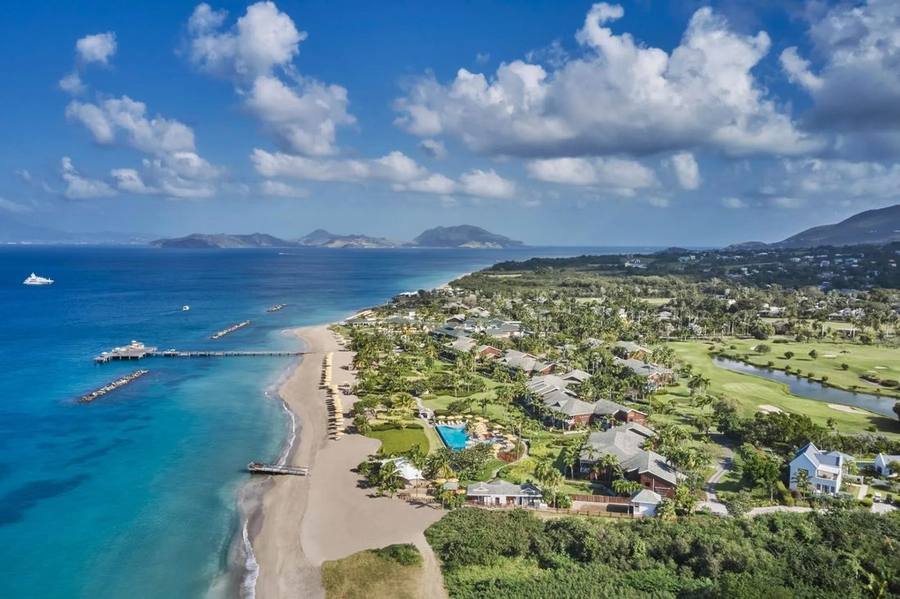
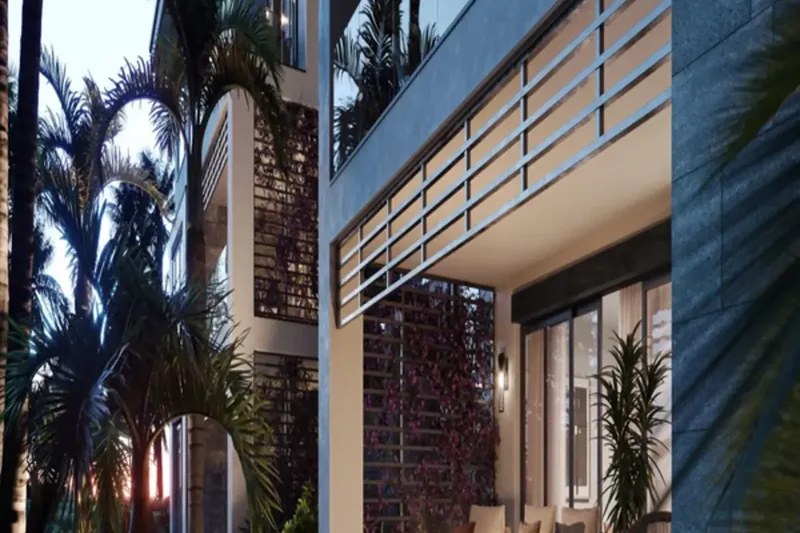
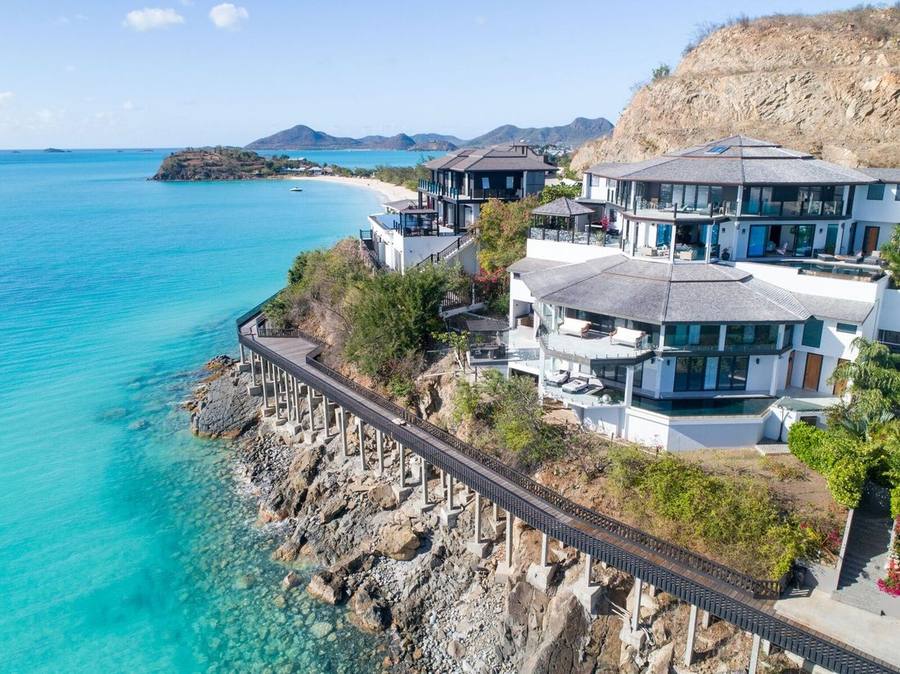
What Nevis island real estate actually costs
Nevis inventory sorts cleanly into bands. Every figure below is drawn from a property Dan currently represents or a project he has written up. There is no MLS here in the sense a North American buyer understands, and a meaningful share of the good inventory never reaches a listing site at all, so treat the table as the shape of the market rather than the whole of it.
| What you are buying | From | Where |
|---|---|---|
| Deeded one-tenth fractional interest, beachfront villa | US$325,000 | Four Seasons fractional villas |
| Two-bedroom beach condo, furnished, 65 sq m | US$325,000 | Nelson Spring Beach Condos |
| One-bedroom designer condo, 70 sq m (collection to US$1,200,000) | US$425,000 | Zen Pinney's Beach condos |
| One-bedroom beachfront apartment, 92 sq m | US$430,000 | Nevis beachfront CBI apartment |
| Two-bedroom beachfront condo (reported to about US$695,000) | US$465,000 | Hamilton Beach Villas |
| Branded penthouse, one to three bedrooms | US$1,400,000 | Nevis Peak Residences |
| Four-bedroom beachfront villa, 365 sq m | US$4,150,000 | Five-Star Beachfront Villas |
| Hillside villa inside the resort estate | US$4,250,000 | Mahogany Hill villa |
| Private estate house on 3.75 acres | US$8,750,000 | Ouje Mango Rif House |
Two things stand out. The accessible end is compressed: US$325,000 buys either a deeded share of a Five-Star beachfront villa or a completed, furnished two-bedroom condo on the same beach, and both clear the citizenship threshold. Then there is the gap between roughly US$465,000 and US$1.4M, where whole-ownership beachfront supply genuinely thins out — the reason a buyer at US$800,000 often ends up choosing between a share of something better and outright ownership of something smaller. The Villas at Pinney's Beach are offered both ways for precisely that reason, and Dan's comparison of Four Seasons Nevis versus Park Hyatt St. Kitts fractional ownership is where that decision usually starts.
For regional context on the entry band, what $300,000 to $400,000 actually buys you in the Caribbean is the honest version of the conversation: St. Kitts & Nevis lowered its approved-development threshold from US$400,000 to US$325,000 effective 25 October 2024, the one price cut anywhere in the region since the 2024 reforms.
The Four Seasons effect on Nevis property
One resort does a disproportionate amount of work here. Four Seasons Resort Nevis has anchored the island's luxury market since 1991 — a 350-acre Five-Star estate on Pinney's Beach with golf, spa, dining and a managed rental program built in, at roughly 189 rooms and suites. It is the only large resort on the island; everything else is a small plantation inn. That single-anchor structure is what makes Nevis legible to a buyer: one benchmark for service, one rental program with a track record, one address that resale demand reliably finds.
Ownership inside the estate breaks into distinct products, mapped on the Four Seasons Nevis community page. Nevis Peak Residences are the branded one-, two- and three-bedroom penthouses from US$1.4M — the one-bedroom unit Dan currently represents is US$1,499,000 across 135 square meters. The Villas at Pinney's Beach are the beachfront villa line, whole and fractional. On the hillside, the completed Mahogany Hill villa sits at US$4,250,000, while the Ouje Mango Rif House on 3.75 private acres tops the estate at US$8,750,000. Whether the brand premium is worth paying is the question most buyers ask second, and Dan answers it from next door in why the Four Seasons premium is worth it.
Just outside the perimeter, the same beach carries whole-ownership alternatives at lower entry: Belmont Gardens, adjacent to the resort, sells furnished one- and two-bedroom homes on a CBI-approved basis, and Hamilton Beach Villas puts a two-bedroom on Pinney's for a fraction of villa money. Borrowing a trophy address without paying trophy prices is one of the few genuine arbitrages left in the region.
Where a Nevis purchase meets the passport
Citizenship is issued by the two-island federation, so a Nevis purchase and a St. Kitts & Nevis passport are the same transaction handled well. The St. Kitts & Nevis program is the world's first, running continuously since 1984. Two routes matter to a property buyer: the Sustainable Island State Contribution from US$250,000 for a main applicant or family of up to four, or approved real estate from US$325,000, with a private single-family dwelling qualifying from US$600,000. Due diligence adds US$10,000 for the main applicant and US$7,500 per dependent aged 16 and over. The Citizenship by Investment Unit's stated window is 120 to 180 days from acknowledgment of a complete application, and the passport reaches approximately 155 destinations visa-free or visa-on-arrival (Henley Passport Index, 2026). No residency is required to obtain or keep it.
Two constraints do the most damage when they surface late. Not every attractive Nevis property is an approved one — the approved-project list narrows the field considerably, and eligibility is confirmed property by property before an offer goes in. And resale on the real-estate route is not permitted until a seven-year hold has run, the longest lock-up of any Caribbean program; price that in from day one rather than treating it as a footnote. If the passport is the only objective, a straight contribution is often simpler and cheaper, the trade-off Dan works through in donation versus real estate, using two case studies. The reasoning that brings American families here specifically sits in why his American clients chose St. Kitts & Nevis.
On tax, the honest version. St. Kitts & Nevis itself levies no personal income tax on worldwide income, no capital gains tax and no inheritance or gift tax, which is genuinely attractive at the jurisdiction level. It is not true of an American's global position: the United States taxes its citizens on worldwide income no matter where they live or what second nationality they hold, and none of the five Caribbean citizenship countries has a US income tax treaty. Liability is driven by where you are tax-resident, not by where you own a house. Owning here can be a component of a plan built around tax residency, and a passport is better understood as one line in a broader asset-allocation plan — not a plan on its own.
Nevis as a structuring jurisdiction
This is where Nevis separates itself from the rest of the branded-residence Caribbean. Nevis maintains its own asset-protection legislation, distinct from St. Kitts and administered on the island. The Nevis International Exempt Trust Ordinance has been in force since 1 May 1994, and it is unusually hard on creditors: before any action can be brought against trust property a creditor must deposit a bond of EC$270,000 — US$100,000 at the Eastern Caribbean dollar's pegged rate — and since a 2015 amendment an existing creditor has one year from the date the cause of action accrued. The Nevis LLC sits alongside it as the operating layer.
Cost is part of the appeal: Nevis typically runs US$15,000 to US$22,000 all-in for a first year and US$5,500 to US$9,000 annually, roughly 20 to 40% cheaper than the Cook Islands, and it sits at UTC-4 so the regulator and the trust bar answer the phone during New York business hours. The honest caveat is that Nevis case law is sparse — formidable on paper, far less tested in court. Dan compares the two in which trust actually stops a lawsuit.
What makes this a property argument rather than a legal aside is that a buyer can hold the asset and the structure in one jurisdiction, with the ministry and the trust bar a short drive from Dan's desk. The offshore trusts and foundations and offshore companies and structuring desks handle the vehicles, international tax planning ties them to your residency, and the broader logic — a passport protects your body while a structure protects your capital — is set out in this piece on trusts, with the full picture on the advisory page. None of it changes an American's US filing obligations, and Dan coordinates it with counsel rather than advising on it himself.
How a foreigner actually buys in Nevis
Nevis is common-law and freehold, and foreigners can own title outright. The step that surprises people is the Alien Landholding License, and it is not optional. Under the federation's Aliens Land Holding Regulation Act the license fee is 10% of the property's value, with approval typically taking around three months. Dan sets out the mechanics, and how the same license compares across the region, in what the Alien Landholding License costs and how long it takes.
The exemption matters most here: buy CBI-approved real estate and you generally do not need the license at all, and the 10% does not apply. Dan has watched buyers budget the full fee against a purchase that was already approved. Be equally skeptical of the opposite claim — that the fee is "waived in most developments." That is not a standing policy; Nevis ran a genuine 90-day waiver in 2020 as a pandemic-era measure and the language has outlived it in marketing copy. The real, ongoing exemption is the citizenship one.
Beyond the license, budget legal fees of 1 to 2.5%, an assurance-fund contribution of roughly 0.2 to 0.5%, stamp duty on transfer, and inside a development the service charges and rental-program terms. Dan slows down before quoting an exact stamp-duty rate: it is vendor-paid and sources he trusts disagree, so it is confirmed deal by deal in underwriting rather than read off a table.
Transactions run on English-style conveyancing through local attorneys — title searches, the license application where it applies, developer paperwork on new-build. Ninety days is a fast Nevis closing; three to six months is normal. Most purchases are cash, because local mortgage lending to non-residents is limited and the terms are unattractive against what buyers are used to at home, the position Dan lays out in can a foreigner get a mortgage on a Caribbean villa. Pricelists, floorplans and underwriting live in the private dataroom, released by appointment.
Risks and trade-offs
Nevis is a small market and that cuts both ways. Supply is constrained by geography and planning policy, which supports values, but a thin market means fewer buyers, fewer comparable sales and longer selling times. Pricing is set by what sellers believe rather than by dense comparable data, so overpriced listings and genuine bargains sit side by side and telling them apart is most of the job. Stacked on top of the seven-year citizenship lock-up, liquidity is the weakest part of the case.
Much of the best inventory is off-plan, so developer diligence matters; Dan runs every project through the same off-plan due-diligence checklist before a client commits. Rental income is real but should be underwritten conservatively once the management split, service charges and your own use are counted — see why Caribbean rental cashflow is harder than it looks. And the citizenship category is under genuine political pressure from Washington and Brussels, which is an argument for buying an asset you would want anyway rather than a passport wrapper.
Further out, the proposed Destiny special sustainability zone — roughly 2,400 acres on the south coast, about a tenth of the island — would change this market most if it clears both the Nevis Island Assembly and the National Assembly. Dan's read is that it sits a decade or more from stabilization: watch it, do not underwrite it. Every guide across the Caribbean real estate portfolio applies the same test — buy the trade-offs you can live with.
Nevis real estate, answered.
Is this guide about Nevis in the West Indies or Nevis, Minnesota?
This guide covers Nevis in the West Indies — the smaller half of the Federation of St. Kitts & Nevis, near the northern end of the Lesser Antilles in the Eastern Caribbean, about thirty-six square miles with a population of 13,182 at the 2021-22 census. It is a different place entirely from the village of Nevis in Minnesota, which search engines often return for the same query. Dan represents Nevis, Caribbean property first-hand through the St. Kitts & Nevis Sotheby's International Realty affiliation.
What does real estate in Nevis, West Indies, actually cost?
On inventory Dan currently represents, entry sits at US$325,000 for either a deeded one-tenth fractional interest in a Four Seasons beachfront villa or a furnished two-bedroom beach condo at Nelson Spring. Turnkey one-bedroom condos and beachfront apartments run US$425,000 to US$430,000, branded penthouses at Nevis Peak Residences start at US$1.4M, whole beachfront and hillside villas sit at US$4.15M to US$4.25M, and a private estate house on 3.75 acres tops the market at US$8.75M.
Can a foreigner buy property in Nevis, and is an Alien Landholding License required?
Yes, foreigners can own freehold title in Nevis. Outside an approved project, the federation's Aliens Land Holding Regulation Act sets a license fee of 10% of the property's value, with approval typically taking around three months. Buying CBI-approved real estate generally exempts you from the license and the 10% fee entirely. Expect local legal fees and government transfer duties on closing, confirmed deal by deal, and note that most international buyers pay cash because local mortgage lending to non-residents is limited.
Which Nevis neighborhoods should a buyer look at first?
Start with the leeward west coast. Charlestown is the capital and the practical center, with the harbor, the courthouse and the banks; Pinney's Beach, roughly three miles of sheltered sand, carries the 350-acre Four Seasons estate and the deepest luxury inventory on the island. Inland, the mid-elevation belt between roughly 500 and 1,200 feet is where the plantation great houses were built, for the cooling and the views. Cades Bay, Oualie, Jones Estate, Cliffdwellers, Montpelier, Fern Hill and Gingerland all come up by name, and Dan confirms position, elevation and access parcel by parcel before an offer goes in.
Which Nevis properties qualify for citizenship, and what is the minimum?
Only projects approved by the federation's Citizenship by Investment Unit qualify. The approved real-estate route starts at US$325,000, lowered from US$400,000 in October 2024, and a private single-family dwelling qualifies from US$600,000. There is also a Sustainable Island State Contribution route from US$250,000 for a main applicant or a family of up to four. Resale on the real-estate route is not permitted until a seven-year hold has run, the longest lock-up of any Caribbean program.
Does buying property in Nevis reduce a US citizen's taxes?
No, not by itself. St. Kitts & Nevis levies no personal income tax on worldwide income, no capital gains tax and no inheritance or gift tax, which is genuinely attractive at the jurisdiction level. But the United States taxes its citizens on worldwide income no matter where they live or what second nationality they hold, and none of the five Caribbean citizenship countries has a US income tax treaty. For an American, a Nevis purchase is a diversification, lifestyle and insurance decision rather than a tax one.
What are the Nevis LLC and Nevis trust, and why do buyers use them?
Nevis maintains its own asset-protection legislation, separate from St. Kitts. The Nevis International Exempt Trust Ordinance has been in force since 1 May 1994 and requires a creditor to deposit a bond of EC$270,000, about US$100,000, before bringing any action against trust property; since a 2015 amendment an existing creditor has one year from the date the cause of action accrued. The Nevis LLC sits alongside it as the operating layer. The practical appeal is holding the asset and the structure in one jurisdiction, with the ministry and the trust bar on the island.
Nevis reading.
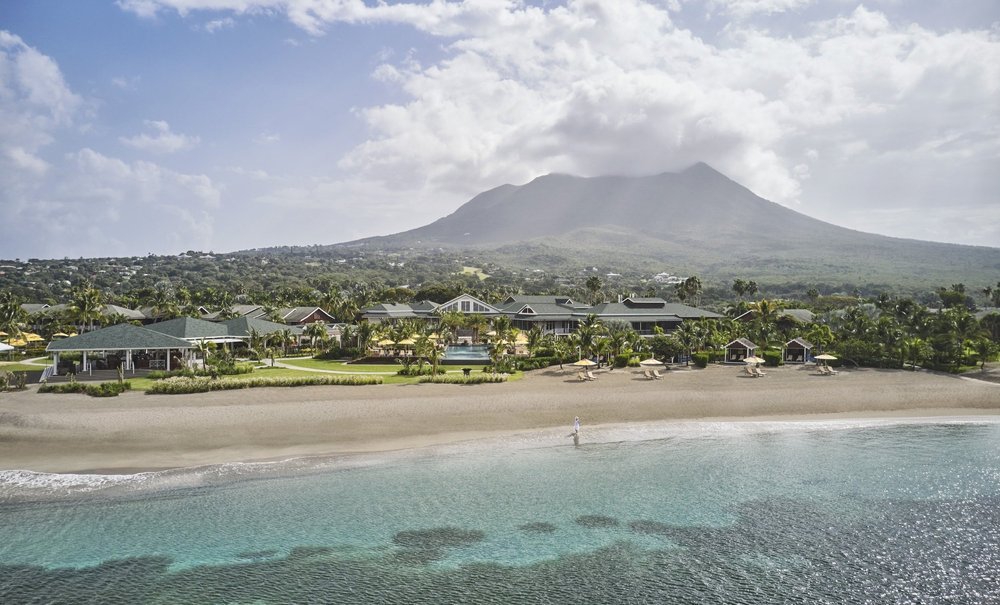
Nevis Real Estate: An Insider's Guide to the Caribbean's Most Undervalued Market
Read →
Second Residency vs. Second Citizenship: Panama and Cyprus Against St. Kitts & Nevis and Grenada
Read →
Four Seasons Nevis vs Park Hyatt St. Kitts: Fractional Ownership Compared
Read →
Inside Destiny: Nevis's Special Sustainability Zone
Read →
Why My American Clients Chose St. Kitts & Nevis for Citizenship and a Plan B
Read →
After Living Next to Four Seasons Nevis, Here's Why the Premium Is Worth It
Read →
Nevis vs Cook Islands: Which Trust Actually Stops a Lawsuit
Read →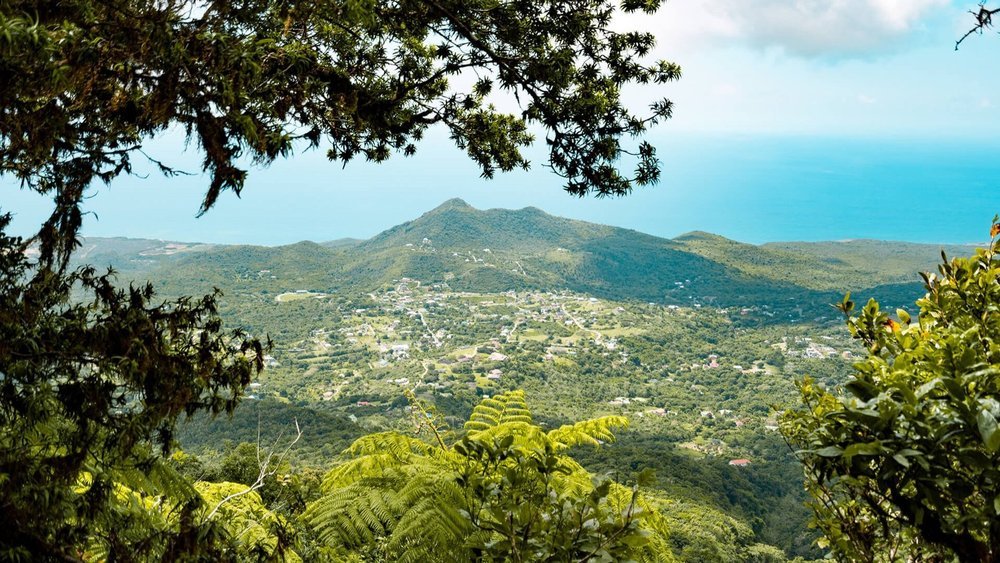
The Coolest Island in the Caribbean—Literally: What Makes Nevis Weather Unique
Read →Thinking about Nevis?
Dan lives and works in the region. Book a call for an honest, first-hand read on the market.
Book a Private Call