Cayman Islands
Residency in a zero-direct-tax financial center — the Caribbean's most institutional address.
About Cayman
The Cayman Islands offer two investor-residence routes: the 25-year Residency Certificate for Persons of Independent Means, from CI$1,000,000 — about US$1.2 million — invested in the islands, at least CI$500,000 of it in developed real estate; and the Certificate of Permanent Residence at CI$2,000,000, roughly US$2.4 million, placed entirely in developed property. A complete file typically runs three to six months. The 25-year certificate asks 30 days a year on-island and carries no right to work. Cayman levies no personal income tax, no capital gains tax, no inheritance tax and no annual property tax — Cayman’s own system, not an American family’s global position. It suits principals who want the jurisdiction holding the home to hold the structure beneath it.
The place
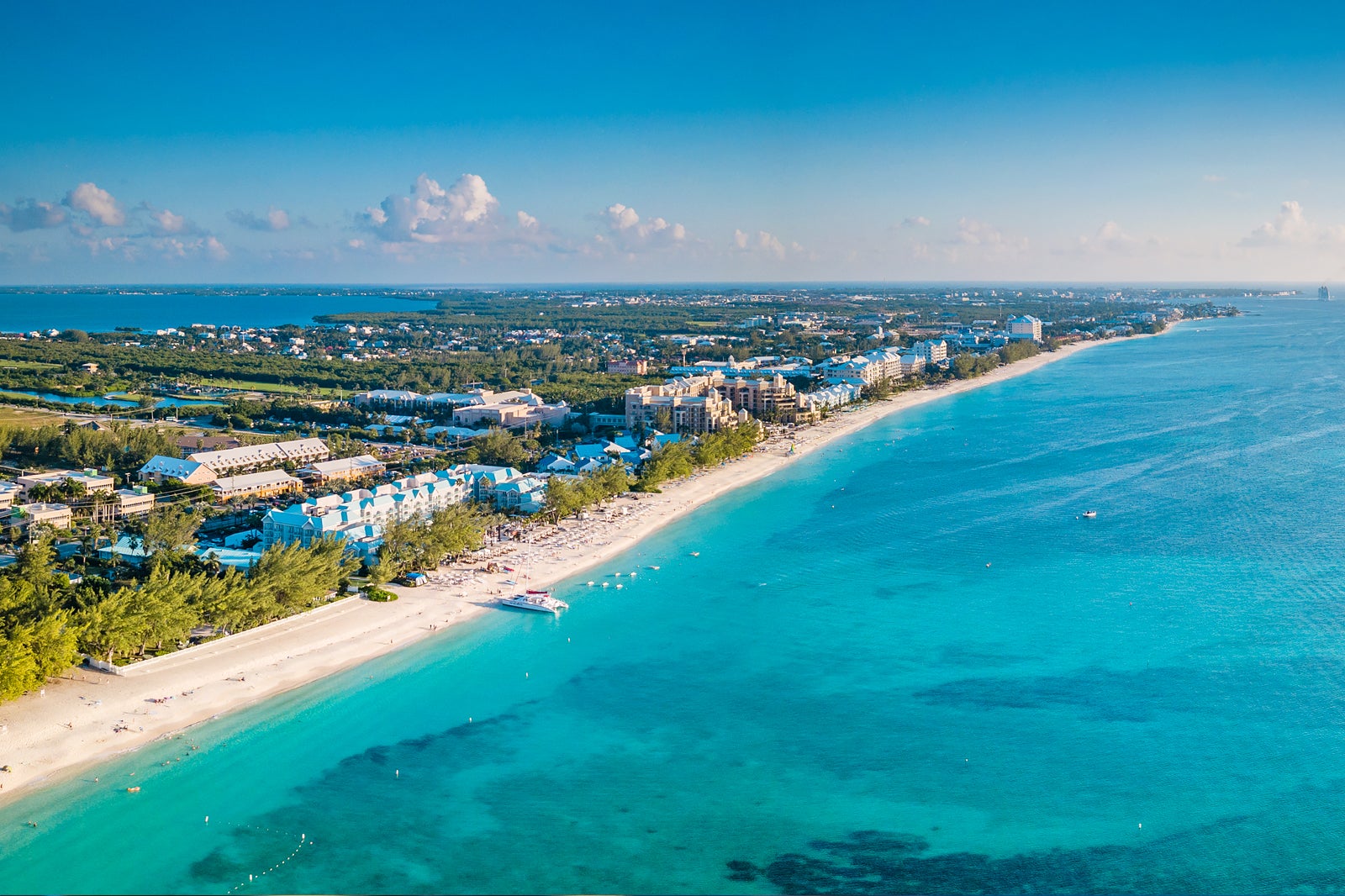
A British Overseas Territory on English common law, with a currency pegged to the US dollar. Cayman is one of the world’s leading offshore financial centres — a top domicile for investment funds, captive insurers and holding companies, with the banks, administrators and law firms clustered around George Town’s harbour. Henley & Partners scored the jurisdiction 74.3 on its 2026 Wealth Mobility Competitiveness Index, fourth-highest in the world. Most families who base a home here knew it professionally first. That is the proposition: the home and the structure beneath it sit in the same jurisdiction.
Who it suits — and who it does not
Cayman suits fund and insurance principals, founders holding structures offshore, and families for whom predictability matters more than yield — buyers who value a clean register and a deep professional bench above acreage or seclusion.
It is the wrong jurisdiction for a family optimising on entry price: Cayman leads the region on cost of living, and its 2026 fee revisions moved against buyers. It is equally wrong for anyone wanting a travel document from the same move: a certificate is the right to live there, not a passport. Families needing mobility hold a Cayman base alongside a Caribbean second citizenship.
Cayman, The Bahamas or Bermuda
The Bahamas starts lower — permanent residency from US$1,000,000 in real estate, with accelerated processing reported in practice above US$1.5 million — and puts Florida under an hour away. Bermuda asks at least US$2.5 million and 90 days a year across five years: the most demanding on presence of the three, and the wrong jurisdiction unless your working life already puts you there. Cayman sits between them, and is the only one charging no annual holding tax. The three-way comparison runs them side by side; the wider map is on the residency by investment overview.
Residency
The 25-year Residency Certificate
The principal route is the Residency Certificate for Persons of Independent Means: CI$1,000,000 invested in the islands — about US$1.2 million — of which at least CI$500,000 must sit in developed real estate, alongside annual income of CI$120,000 or CI$400,000 held on deposit with a Cayman institution. It runs 25 years, is renewable, carries no right to work and asks 30 days a year on-island. A complete file typically runs three to six months.
Watch the currency. Those are Cayman dollars, each worth roughly US$1.20; much of what circulates online quotes them as US dollars and understates the entry cost by a fifth.
The Certificate of Permanent Residence
Above it sits the Certificate of Permanent Residence: CI$2,000,000 — roughly US$2.4 million — placed entirely in developed real estate, with no income test behind it, and a path to work rights. Since Cayman’s immigration reform took effect on 1 May 2026 it is no longer the lifetime grant its name implies: the status runs an initial ten years, with an application in year nine for an indefinite Certificate.
Most families are better served by the 25-year certificate: unless the path to work rights is genuinely needed, the permanent route commits roughly twice the capital, at the higher stamp-duty band, for a status that now runs ten years at a time.
Tax posture, and the American qualification
Cayman is one of roughly sixteen jurisdictions worldwide levying no personal income tax at all, and its version is unusually complete: no income, capital gains, inheritance or annual property tax. Revenue comes from import duties, licensing fees and stamp duty on transfers: standing fiscal policy rather than a promotional incentive, which is why Cayman holds its place among the countries with zero income tax in 2026.
The qualification matters more here than anywhere. The United States taxes its citizens on worldwide income wherever they live, and none of the zeros above changes that: a Cayman certificate is a right to live in the islands, not a release from a federal filing, and FATCA attaches to US-person status rather than to an address. The 2026 Foreign Earned Income Exclusion shelters US$132,900 per person, earned income only — close to irrelevant to a family living on a portfolio. What moves an American’s number is Puerto Rico’s Act 60, inside the US system, or the larger step of renouncing US citizenship — both on the tax residency page, run with international tax planning alongside your own counsel.
Presence, and the path beyond it
Thirty days is modest — Anguilla’s High-Value Resident program asks 45, Bermuda 90 — but it is not zero, and that is the point. Under the Common Reporting Standard, accounts are reported to the jurisdiction where tax residency is claimed, so a certificate with no days and no home behind it reads as an audit flag rather than a plan. Presence eliminates more shortlists than cost does, and the day-count question is settled first.
Neither route is a passport. Naturalisation comes into view only beyond the indefinite Certificate, at the far end of the permanent-residence track — a long horizon, and not the reason to file. Any American whose whole thesis is a lower tax bill should first read the case for treating a second citizenship as insurance rather than a tax play.
At a glance
- 25-year certificate: CI$1,000,000 (about US$1.2M), half of it in developed real estate
- Income test: CI$120,000 a year, or CI$400,000 on deposit locally
- Permanent residence: CI$2,000,000 (about US$2.4M), all in developed property
- 30 days a year; a complete file, three to six months
Fees on grant were revised on 1 May 2026 and are confirmed against the current schedule before filing. The tax lines describe Cayman’s own system; US citizens remain taxed by the United States on worldwide income wherever they live.
Frequently asked questions
Who is Cayman Islands residency best for?
Principals who want an institutional base — fund and insurance executives, founders holding structures offshore, and families for whom predictability matters more than yield. It suits buyers who value a clean title register and a deep professional bench, and who will genuinely spend 30 days a year on-island.
How much must I invest for Cayman residency?
The 25-year Residency Certificate asks CI$1,000,000 — about US$1.2 million — invested in the islands, at least CI$500,000 of it in developed real estate, plus annual income of CI$120,000 or CI$400,000 on deposit with a Cayman institution. The Certificate of Permanent Residence requires CI$2,000,000, roughly US$2.4 million, entirely in developed property. Those are Cayman dollars, each worth roughly US$1.20.
How many days a year must I spend in the Cayman Islands?
Thirty days a year on the 25-year certificate. That is light by regional standards — Anguilla’s High-Value Resident program asks 45 days, Bermuda 90 — but it is not zero. A residence with no days and no home behind it will not carry a tax-residency argument, and reads as an audit flag under the Common Reporting Standard.
Is the Cayman Islands really tax-free?
Cayman levies no personal income tax, no capital gains tax, no inheritance tax and no annual property tax; revenue comes from duties, licensing fees and stamp duty on transfers. That describes Cayman’s own system, not an American family’s global position — US citizens are taxed by the United States on worldwide income wherever they live, and a certificate does not change a federal filing.
What changed on 1 May 2026?
Cayman’s immigration reform revised the fees on grant on both routes, and ended the Certificate of Permanent Residence as a lifetime grant: the status now runs an initial ten years, with an application in year nine for an indefinite Certificate. The investment thresholds were not changed.
Does Cayman residency lead to a passport?
Not directly. Cayman is a British Overseas Territory, and a certificate confers the right to live in the islands rather than a travel document. Naturalisation comes into view only beyond the indefinite Certificate. Families who need mobility on a defined timetable hold a Caribbean second citizenship alongside the Cayman base.
Can a foreigner buy property in Cayman without restriction?
Yes. There is no alien landholding licence — a non-national buys freehold on the same terms as a Caymanian, in US dollars, with a local attorney handling conveyancing. Title is recorded on a government-backed Torrens registry, so what the register shows is what you own.
Is stamp duty the only tax on property?
Effectively, yes. There is no annual property tax; the charge falls once, as stamp duty on the transfer — 7.5% on most transfers, rising to 10% on considerations of CI$2 million or more from 1 January 2026. Over a long hold that compounds meaningfully against markets billing every year on assessed value.
Real Estate
In Cayman the property is the qualifying asset rather than a side transaction: at least half of the 25-year certificate’s investment, and all of the permanent route’s, must sit in developed real estate, so the search is run against the certificate’s requirements from the first viewing.
Buying is straightforward by regional standards. There is no alien landholding licence — a non-national buys freehold on the same terms as a Caymanian, in US dollars, with a local attorney handling conveyancing — and title is recorded on a government-backed Torrens registry, the most transparent system in the region. There is no annual property tax: the government’s take arrives once, as stamp duty on the transfer, at 7.5% on most transfers and 10% on considerations of CI$2 million or more from 1 January 2026.
Where the market sits
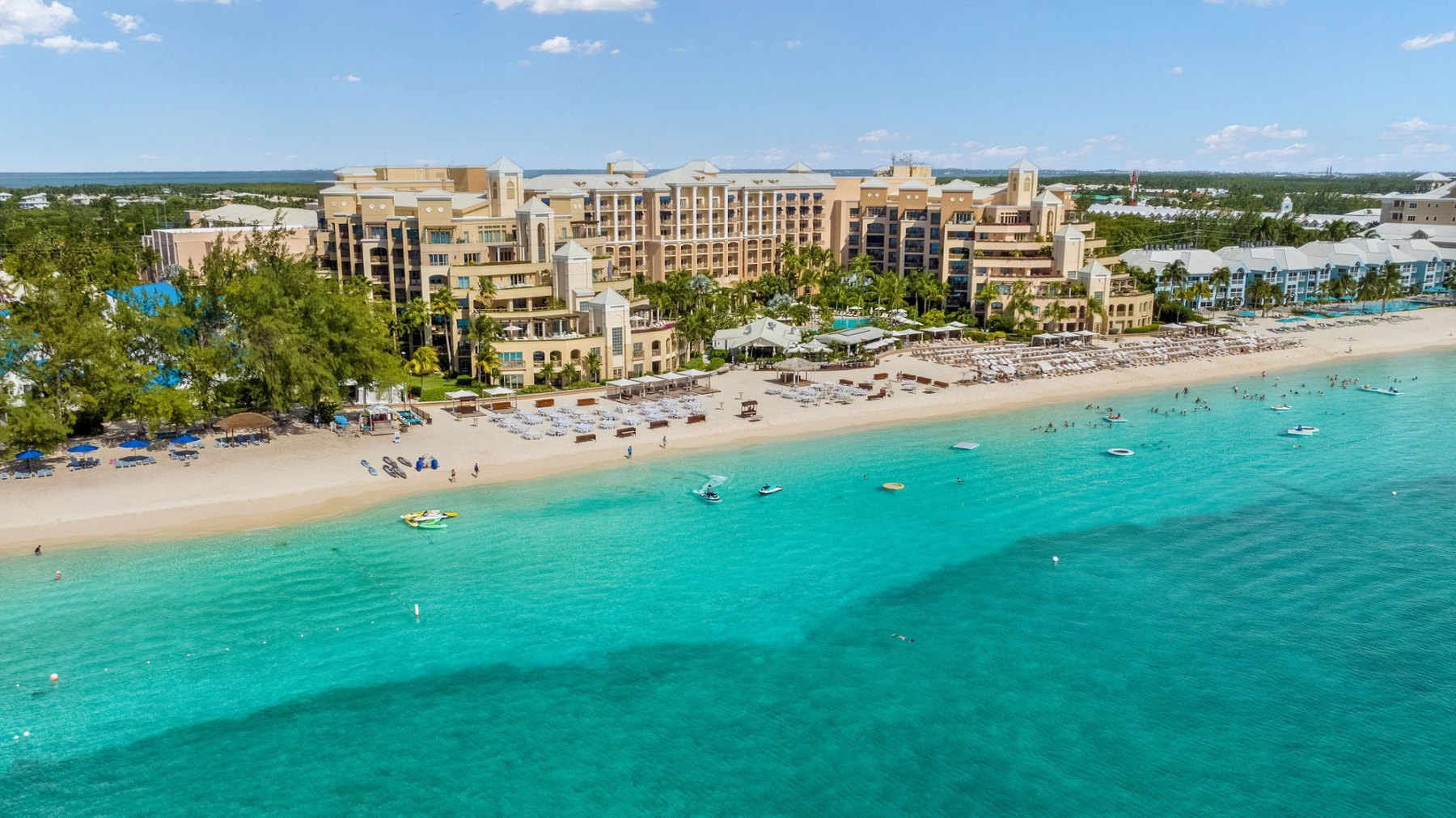
- Seven Mile Beach — the blue-chip corridor and the island’s price benchmark. Branded, resort-serviced condominiums; the island’s most liquid and most rentable inventory, priced accordingly.
- South Sound, Cayman Kai and Rum Point — waterfront and canal houses minutes from George Town, and a dock-and-boat second-home market on the quieter North Side. More house for the money.
- The Eastern districts — East End and North Side, the island’s lowest-density ground, where raw and beachfront land still trades at a fraction of the western corridor. A longer-horizon holding.
Corridor pricing, product type and the mechanics of closing sit on the Cayman Islands real-estate guide; current inventory is on listings. Dan Merriam & Associates works through an affiliation with Sotheby’s International Realty, with offices in Nevis, St. Kitts, Antigua, St. Lucia and Dominica. Which corridor, which tier and whether a given purchase qualifies is settled in the strategy call.
Dan represents property across the Eastern Caribbean. View current listings →
Tax line describes Cayman's own system. US citizens remain taxed by the IRS on worldwide income wherever they live.
Explore the Cayman Islands with Dan.
Book a private call to test the certificate, the property and the structure beneath them against your family's goals.
Book a Private Call