Montserrat Real Estate
The Emerald Isle — British freehold title, at the region's frontier edge.
Why look at Montserrat
- One of the region's simplest freehold titles
- No citizenship or residency requirement to buy — but a non-national needs an Alien Land Holding License, the greater of US$2,500 or 5% of price
- Prices well below Eastern Caribbean averages
- A patient, early-mover frontier hold
Who is buying Montserrat now.
You cannot write honestly about Montserrat without starting with the volcano, and Dan does not. Soufriere Hills erupted in the mid-1990s, buried the capital at Plymouth, and left the southern two-thirds of the island a permanent exclusion zone. Most of the population left. What remains is a functioning, safe northern half where a British Overseas Territory operates normally — government, port, airport, schools and medical services — and where a foreigner can own freehold property for less than almost anywhere else in the Eastern Caribbean. That is the trade, and whether it is a good one depends entirely on the buyer. Dan lays the full case out in his long read on Montserrat, the Caribbean's cheapest freehold and the catch.
The buyers who reach Dan's desk for Montserrat are not the citizenship-first families who dominate the rest of his practice. They are people who want a genuine British-standard base in the Caribbean, in English, under clear registered title, with real privacy and no crowd — and who are comfortable that this is an ultra-niche, illiquid frontier rather than a market they can trade. Some are drawn to the Emerald Isle's Irish heritage and its quiet; some want a plot of green hillside to build on slowly; some simply want a Caribbean address without the price of a fashionable one. What unites them is a long horizon and cash. Dan is candid that Montserrat is the wrong island for anyone who needs liquidity, rental income or a second passport — and the right one for a patient owner who values the asset itself.
Where to buy on the island.
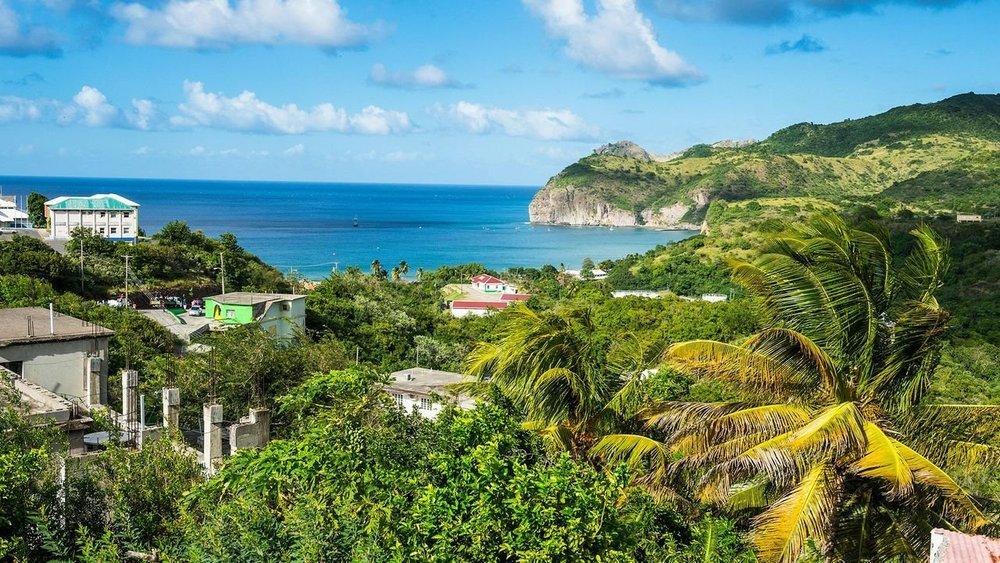
Geography does most of the work here. The southern two-thirds of the island — Plymouth and the land around Soufriere Hills — is the designated exclusion zone and is not open for ownership or occupation; Plymouth itself sits buried under ash, a modern Pompeii viewed only from a distance. Everything a buyer actually considers is in the north, which was never in the danger zone and has been rebuilt over two decades into the working island.
Within that northern half, the product is straightforward: hillside villas with sea views, more modest homes in the northern communities where daily life, the port and the airport now sit, and — the route many international buyers take — land, which is widely available and cheap. The stock is a mix of surviving pre-eruption houses and newer construction. There is no branded-development pipeline, no marina project and no resort enclave of the kind Dan represents on Antigua or Nevis; inventory is individual homes and parcels, and it turns over slowly. Because so little is ever formally listed, Dan works Montserrat privately — the current inventory he tracks sits in the listings marketplace and, for buyers who ask, through the private dataroom rather than a public window.
What you can actually buy.
Four product types, and the honest picture on each. Residential is the mainstay: hillside villas with sea views and simpler homes in the northern communities, priced — because demand is thin, not because the build is worse — at a fraction of an equivalent on Antigua or Nevis. Land is the value play: parcels are plentiful and cheap, though building on a small island is slower and dearer than at home, because materials arrive by boat and the skilled-trade pool is small. Commercial property is limited and tied closely to the island's small economy. And vacation rental deserves a warning rather than a pitch: Montserrat receives a fraction of the visitors its neighbors do and has little tourism infrastructure, so a model that depends on rental income is on the wrong island — Dan is blunt that Caribbean rental cashflow is hard in the best markets, and this is not one of them.
Because the market is thin and every deal is individual, Dan does not quote a headline price band the way he can for an approved development elsewhere — the right number is the one a specific villa or parcel supports, confirmed by a local valuation. What he offers instead is a read on whether a given property is fairly priced for its condition, location and access, and how it compares with the more liquid markets across the Caribbean real estate overview. Buyers weighing a private, low-key island as a base often read it alongside his piece on what owning a private Caribbean island actually involves.
The freehold advantage.
Montserrat's real edge is not the view; it is the paperwork. As a British Overseas Territory it runs on a system modeled on UK common law, and a foreign buyer can hold full freehold title through a Freehold Land Certificate — clear, registered, and conducted entirely in English. That matters more than it sounds. Across much of the region foreign ownership is complicated: St. Kitts and Nevis require an Alien Landholding License, parts of the region offer only long leasehold rather than freehold, and various restrictions apply elsewhere. Montserrat is one of the simplest jurisdictions in the Eastern Caribbean to actually own something in: there is no citizenship or residency requirement to buy. A non-national does need an Alien Land Holding License under the Landholding Control Act — the greater of US$2,500 or 5% of the purchase price, taking four to eight weeks — which is half the 10% Nevis charges, but it is a real cost and it belongs in the offer-stage budget rather than the closing statement.
Two more advantages complete the picture. Property transactions are conducted in US dollars, which removes conversion risk for North American buyers even though the East Caribbean dollar is the everyday circulating currency. And price is the headline: values sit substantially below comparable Eastern Caribbean markets, a function of thin demand rather than poor quality. First-world legal certainty at frontier prices, on a green British-territory island next to Antigua, is a genuinely unusual combination — and the whole reason a patient buyer looks here at all.
Citizenship, tax and the buying process.
Start with what Montserrat is not. It is a British Overseas Territory, not an independent nation, so it runs no citizenship-by-investment program, and buying property does not by itself confer residency. If a second passport is the objective, Dan sends the buyer to one of the five Caribbean CBI countries — the routes he compares in his guide to Caribbean citizenship by investment and, at article length, in his overview of all five programs. Montserrat is a real-estate decision, full stop. On tax, the point is the mirror image: because there is no migration program attached, a purchase here is not a tax-residency move, and Dan treats the tax question separately rather than letting a property purchase imply an answer — where a buyer becomes tax-resident is a decision to plan deliberately, not a by-product of a deed.
The buying process itself is straightforward by regional standards, and Dan runs it in a fixed order. Engage a local solicitor first — non-negotiable; they handle the title search, contract and closing. Verify the title and, critically, the zone: confirm the Freehold Land Certificate and the property's position relative to the exclusion zone and any hazard-level designations. Budget the full stack — legal fees, stamp duty on transfer and any survey costs on top of the purchase price — and confirm insurance availability and cost before committing, because fewer insurers and lenders are comfortable here and most purchases are cash. Finally, take a long view: this is not a market anyone trades. Dan's discipline is the same one he applies everywhere in the region, set out in his note on the challenges of owning property in the Caribbean.
How Montserrat compares.
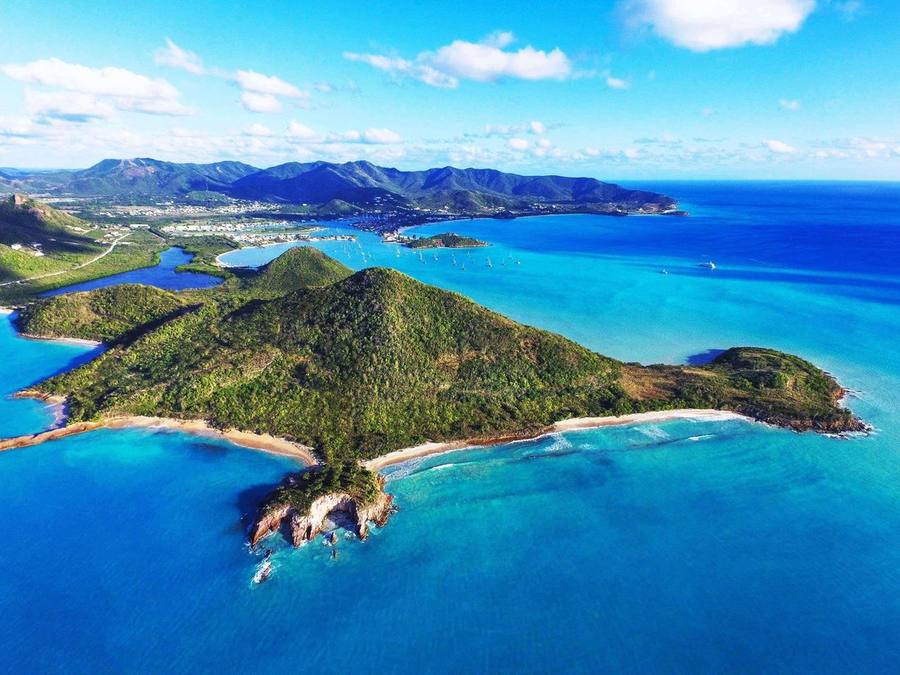
Antigua Real Estate
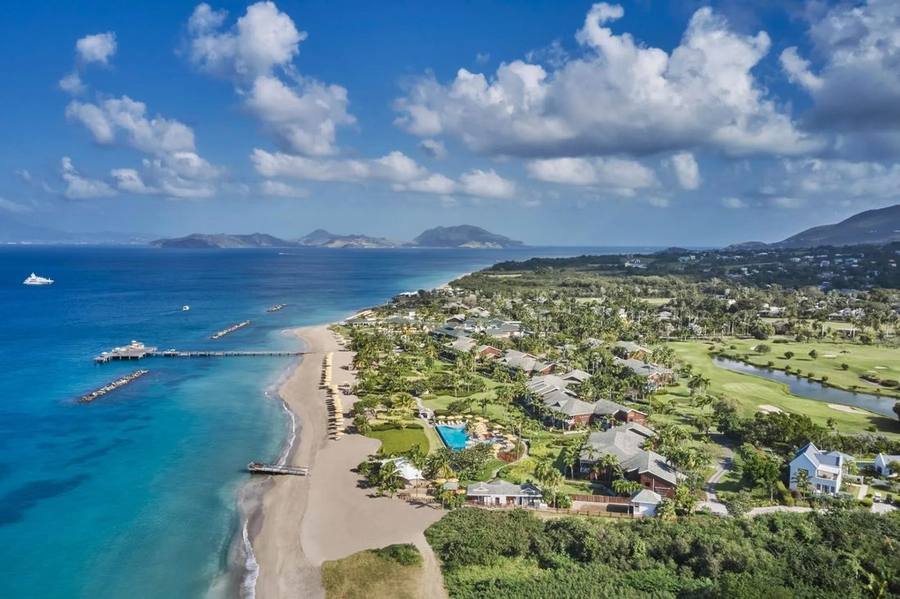
Nevis Real Estate
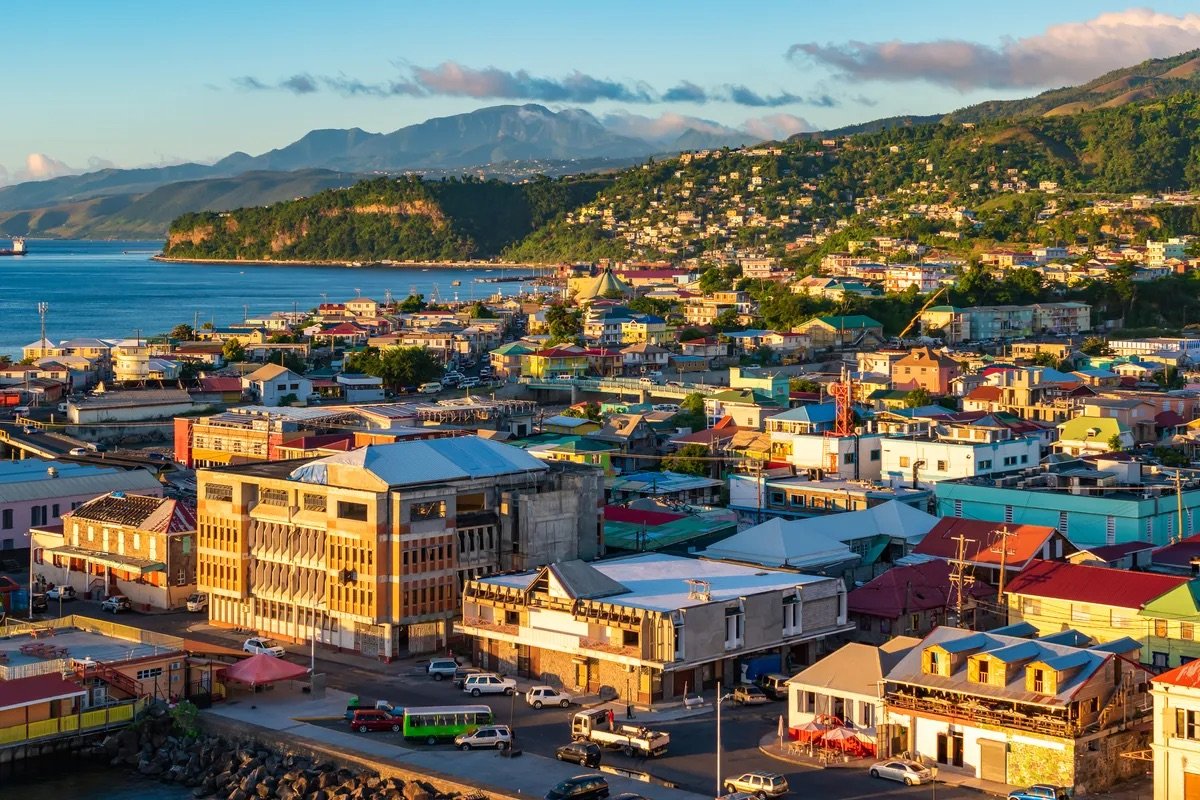
Dominica Real Estate
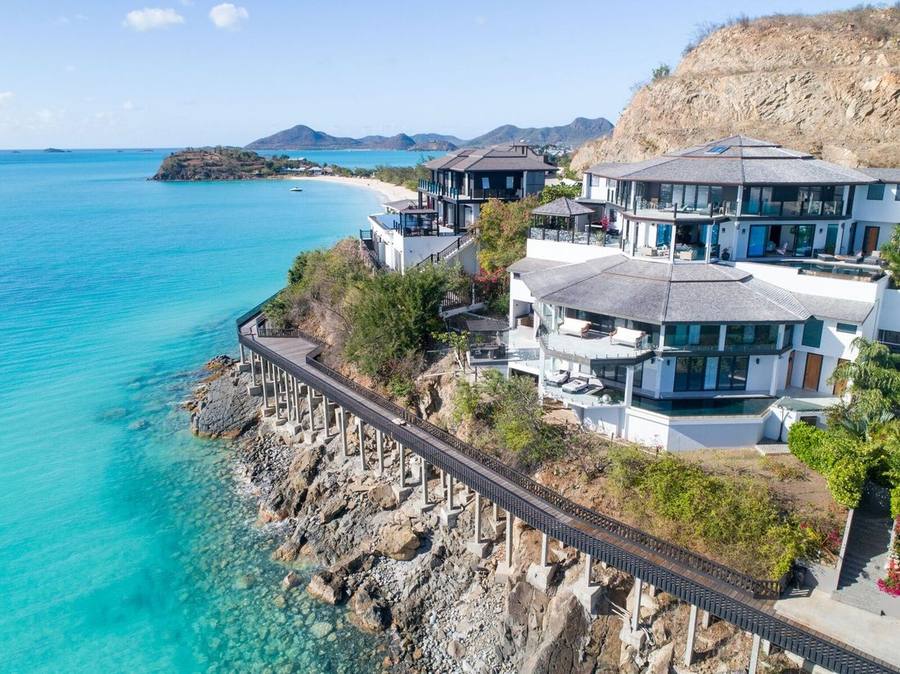
Caribbean Real Estate
Antigua is the practical gateway to Montserrat, so many buyers read the two together. See the wider approved-project inventory on the developments hub and current opportunities in the listings marketplace.
Risks and trade-offs.
Dan will not sell anyone this island without stating the risks plainly. Liquidity is the real constraint — a thin market on the way in is a thin market on the way out, with few buyers, few comparable sales, and a sale that can take a long time at a price the seller may not control. In Dan's view this is a larger risk than the volcanic one. Insurance and financing are harder, since fewer lenders and insurers are comfortable here; expect a cash purchase and check insurance availability and cost before committing. Volcanic risk is low but not zero — activity has been minimal for well over a decade and Soufriere Hills is continuously monitored by the Montserrat Volcano Observatory, one of the better-instrumented operations anywhere, but it remains an active volcano, and anyone claiming the risk is nil is not being straight. And the population is small, around five thousand, which means limited services, amenities, flights and a very small social world — the whole appeal for some buyers, and claustrophobic within a year for others. Montserrat is a conviction hold for someone who values a private British-territory base and clear freehold title, not a trade.
Montserrat real estate, answered.
Can foreigners buy property in Montserrat?
Yes, with unusually little friction. As a British Overseas Territory, Montserrat lets foreign buyers hold full freehold title through Freehold Land Certificates, with no citizenship or residency requirement to buy. A non-national does need an Alien Land Holding License under the Landholding Control Act, costing the greater of US$2,500 or 5% of the purchase price and taking four to eight weeks — half the 10% Nevis charges, but budget it at offer stage. A local solicitor handles the license, the title search and closing.
Does buying in Montserrat give you citizenship or residency?
No. Montserrat is a British Overseas Territory, not an independent nation, so it runs no citizenship-by-investment program, and owning property does not by itself grant residency. Buyers who want a second passport should look at one of the five Caribbean CBI countries instead.
Why is Montserrat real estate priced below its neighbors?
Thin demand rather than poor quality. The Soufriere Hills eruption cut the population sharply and deterred buyers for years, and the island still receives few visitors. Limited competition keeps prices low, and the same thinness makes selling slow.
Is it safe to own property in Montserrat given the volcano?
The northern half, where people live and where property trades, was never in the danger zone and is considered safe. The southern exclusion zone remains closed. Soufriere Hills has shown only low-level unrest for well over a decade and is continuously monitored by the Montserrat Volcano Observatory, but it remains an active volcano, so the risk is bounded rather than nil.
What currency are Montserrat property transactions in?
Property is transacted in US dollars, which removes conversion risk for North American buyers, even though the East Caribbean dollar is the everyday circulating currency.
What are the main risks of buying in Montserrat?
Liquidity is the largest - a thin market is slow to sell into, at a price you may not control. Financing and insurance are harder, so expect a cash purchase. The volcano is a monitored, low-level risk, and the population is small, which means limited services and amenities. Dan frames Montserrat as a patient hold, not a trade.
Montserrat reading.
Montserrat Real Estate: The Caribbean's Cheapest Freehold, and the Catch
Read →
Buying Property in the Caribbean as a Foreigner
Read →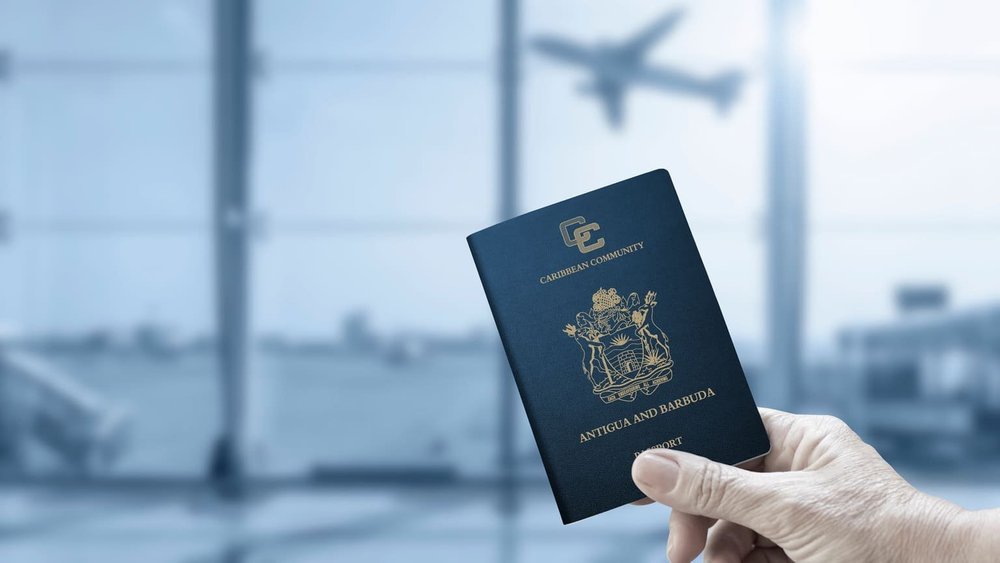
Caribbean Citizenship by Investment: All Five Programs Compared
Read →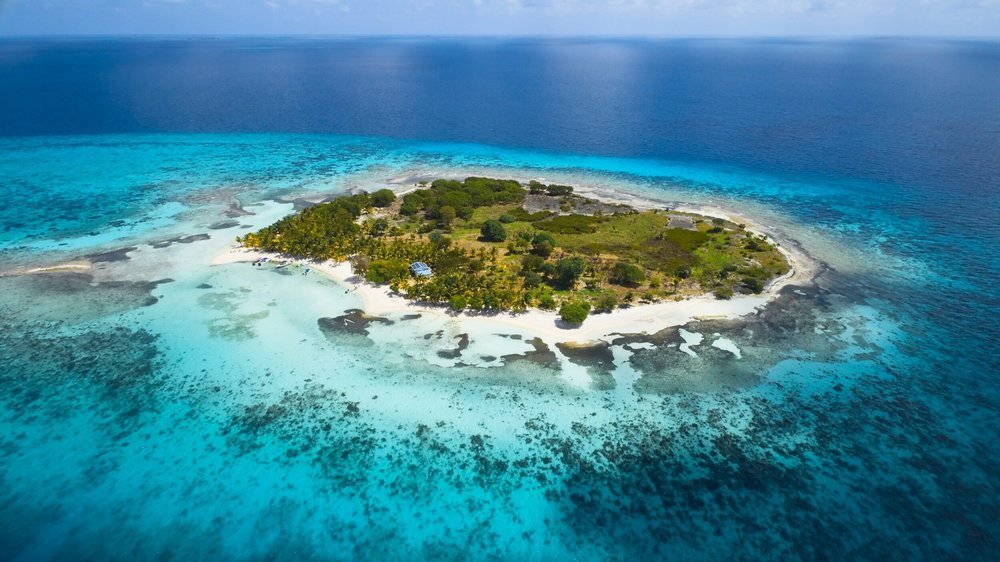
Caribbean Islands for Sale: What Owning One Actually Involves
Read →
Why Caribbean Rental Cashflow Is Harder Than It Looks
Read →
The Challenges of Owning Property in the Caribbean
Read →Thinking about Montserrat?
Dan lives and works in the region. Book a call for an honest, first-hand read on a market few advisors will price straight.
Book a Private Call