Compare Caribbean Citizenship & Residency Programs
Sixteen routes in two tables: what each one costs, how long it ties your capital up, how fast files are actually closing, and how many days a year it wants you on the ground. These are the published thresholds — what stacks on top is set out under each table.
Five countries in the Eastern Caribbean sell citizenship. Eleven other jurisdictions sell a place to live, a tax base, or clean title on a house. They are not competing products, and most first-call confusion comes from comparing a passport to a residency certificate as though the two answered the same question. Every figure below matches the program page it links to; where a government publishes no schedule, the cell says so rather than guessing.
The five citizenship programs
Cheapest way in on the top line. Open any tile for the full schedule.
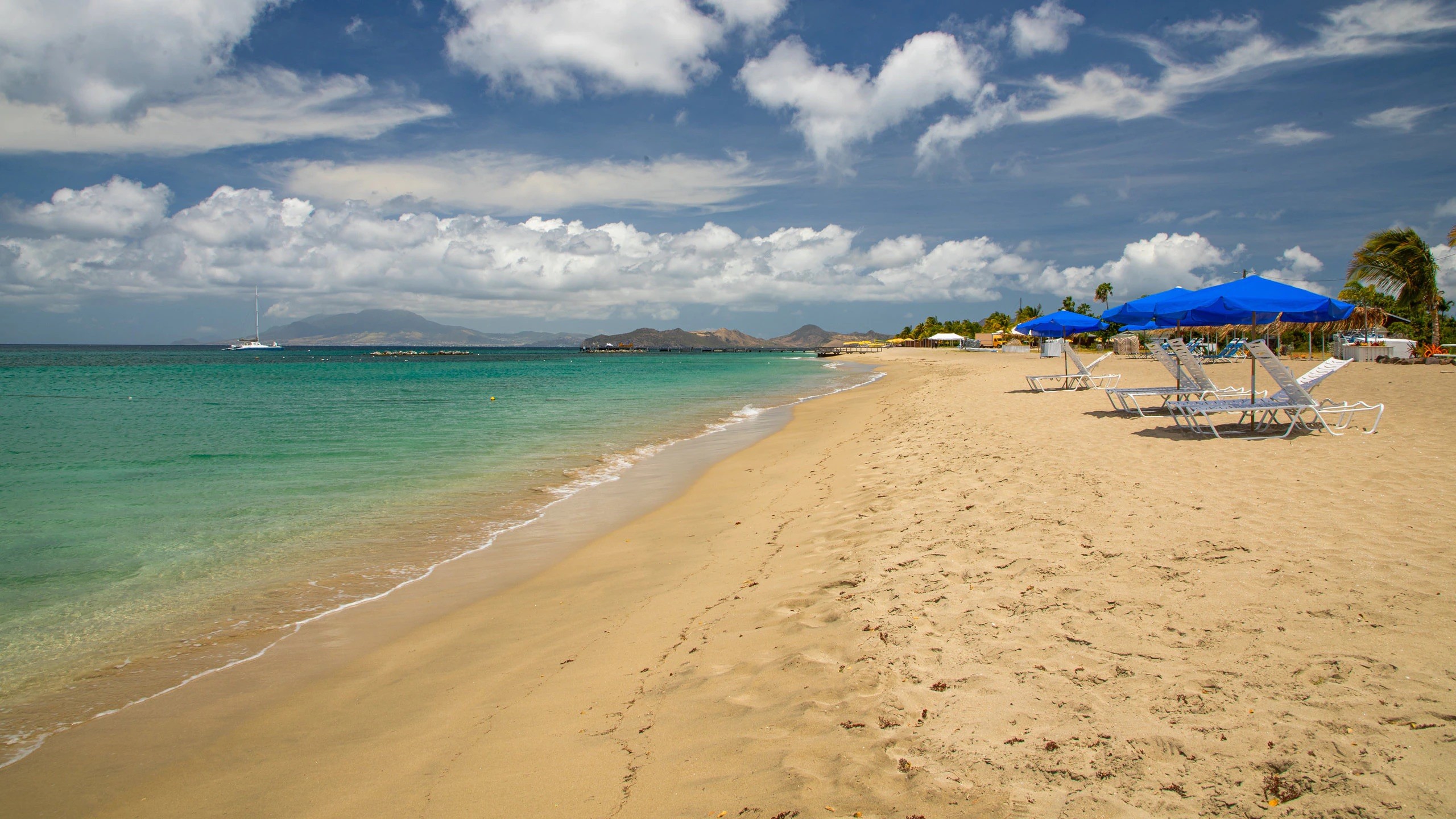
St. Kitts & Nevis
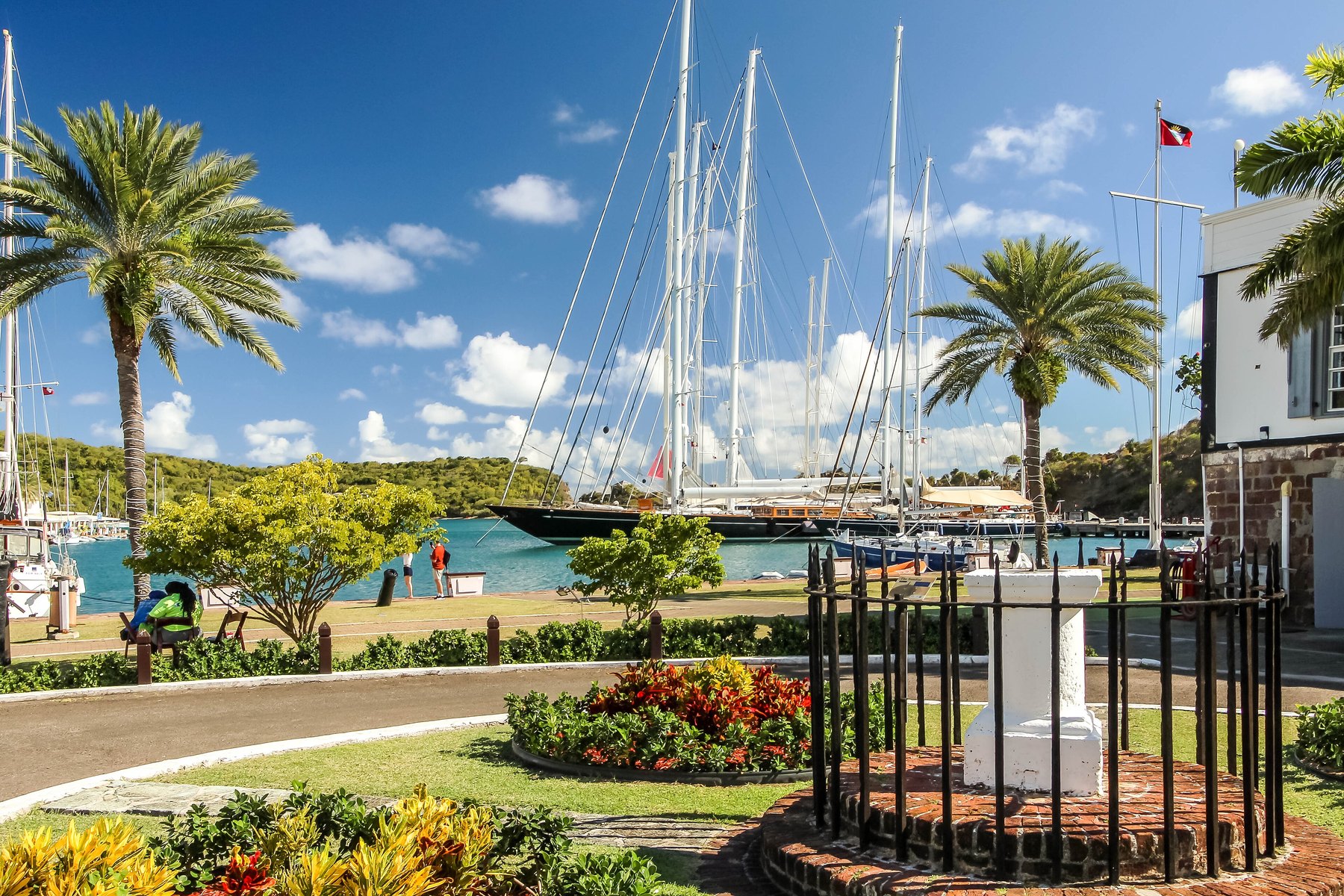
Antigua & Barbuda
Grenada
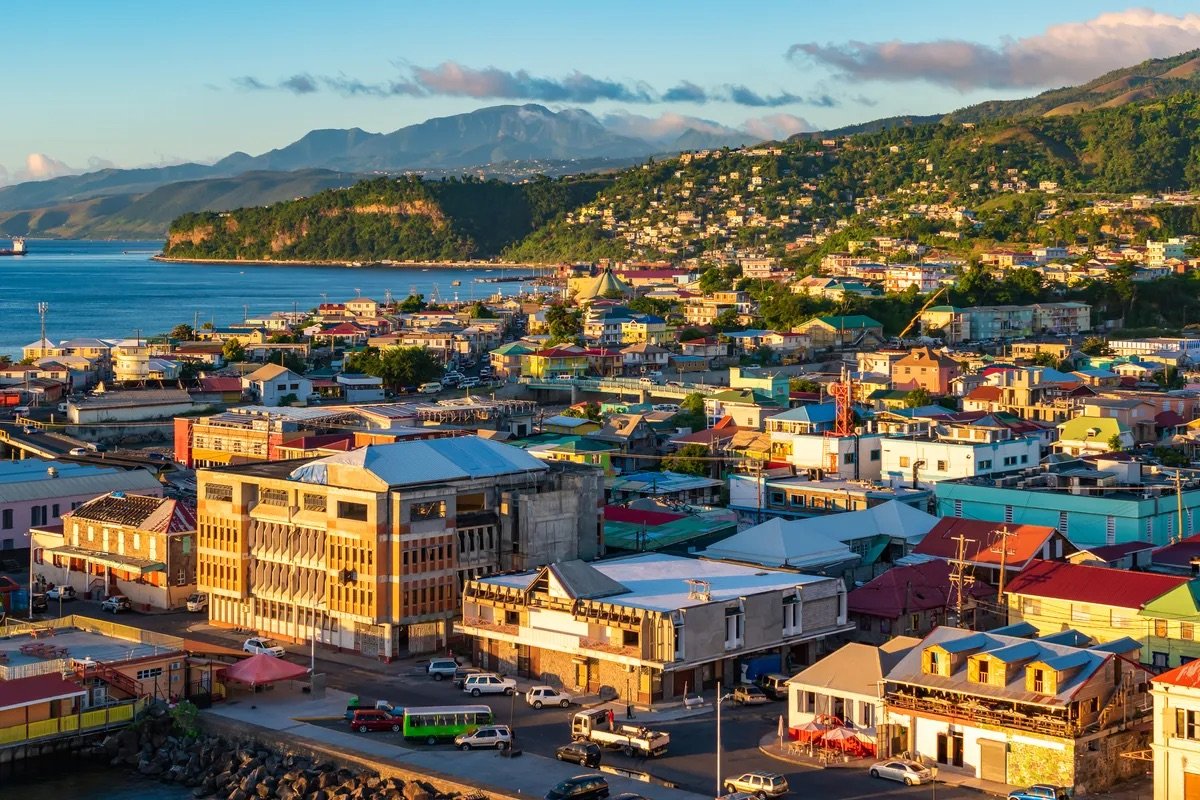
Dominica
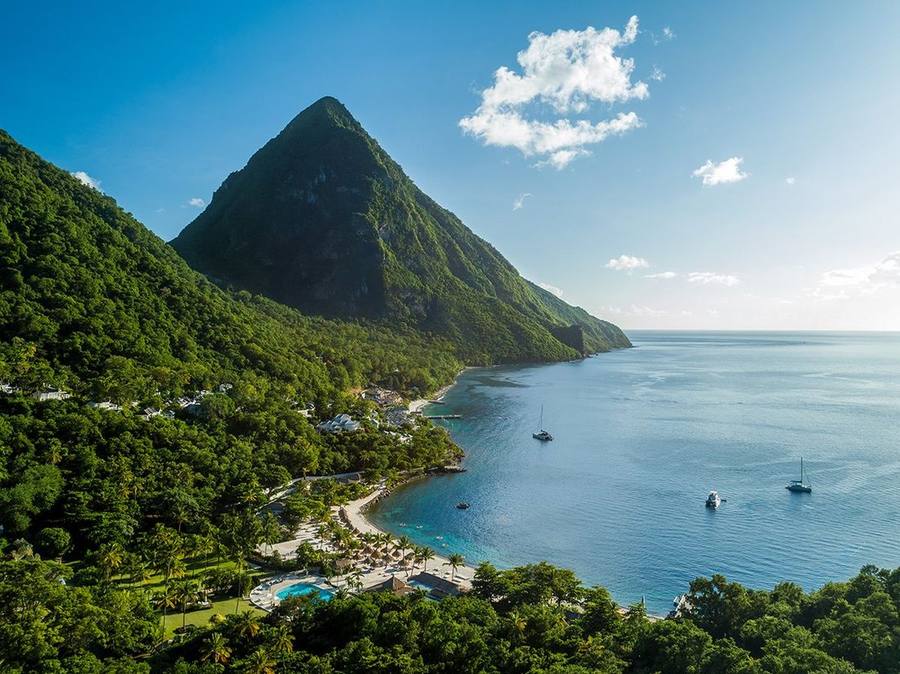
St. Lucia
Contribution and real-estate figures are government thresholds rather than the cost of a file, and each matches the table below. Destination counts are visa-free or visa-on-arrival access per the Henley Passport Index, 2026, quoted per country rather than blended.
Eleven residency and tax-base jurisdictions
These sell a place to live, a tax base, or clean title on a house. Not one sells a passport.
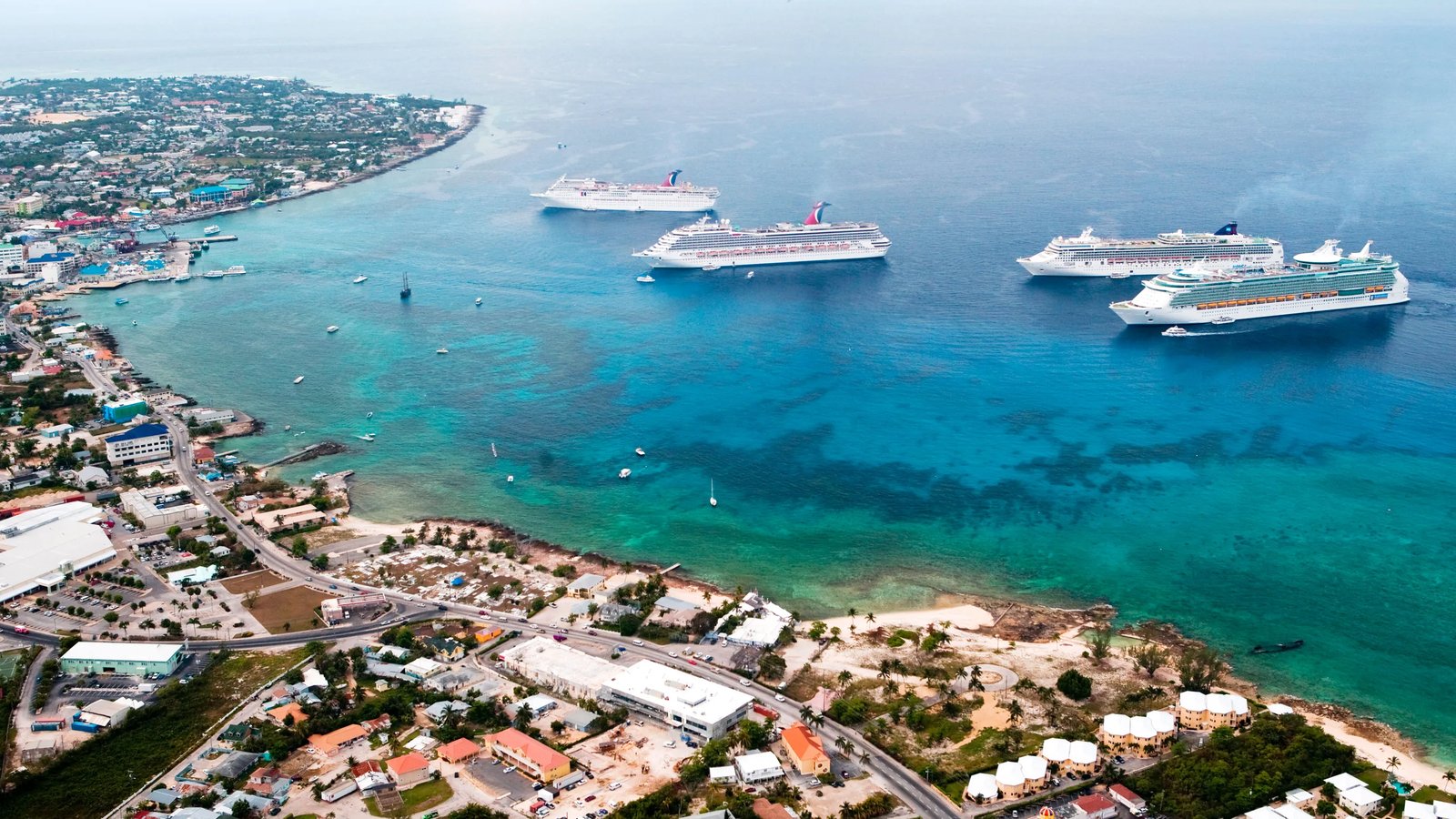
Cayman Islands
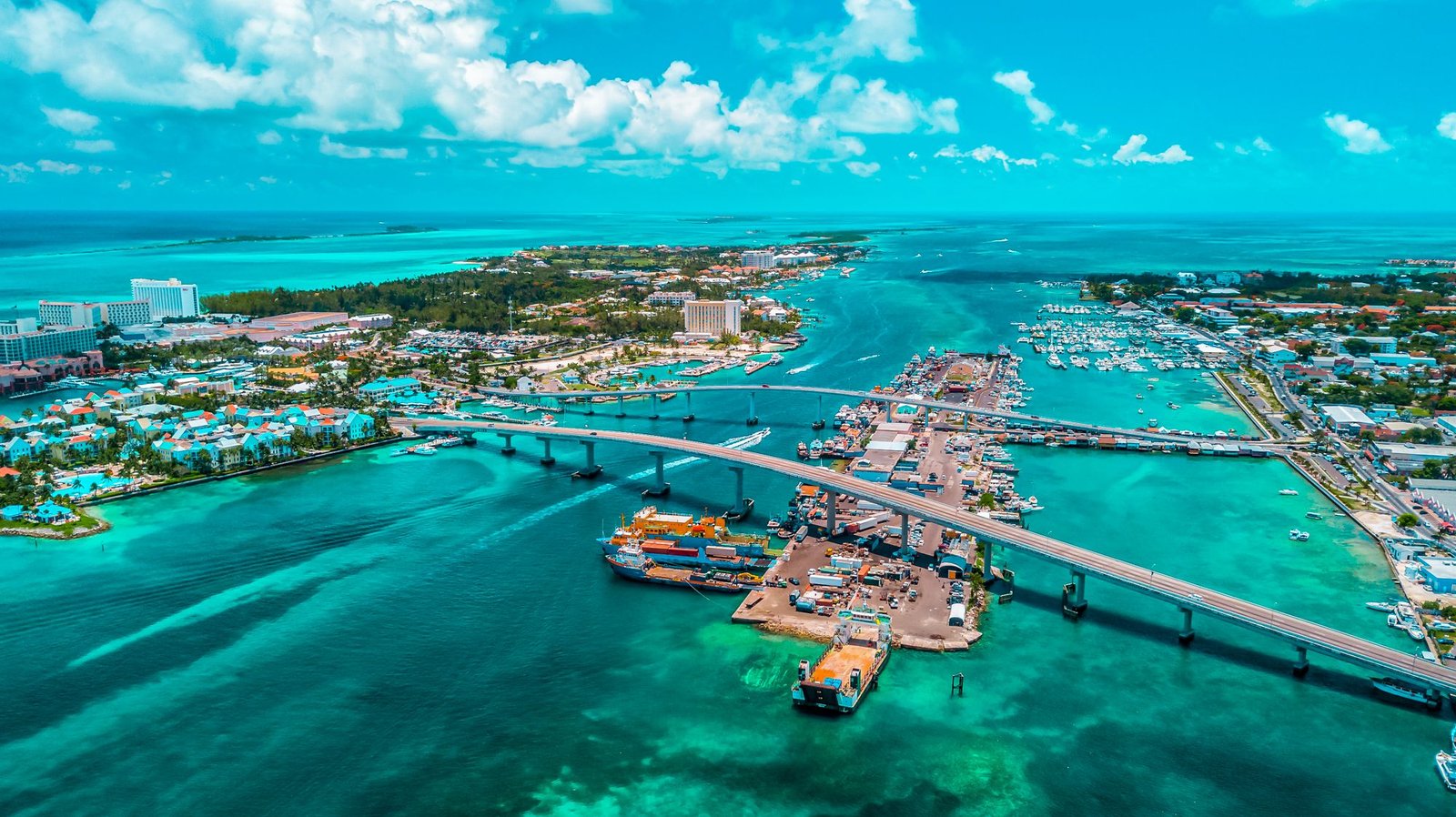
The Bahamas
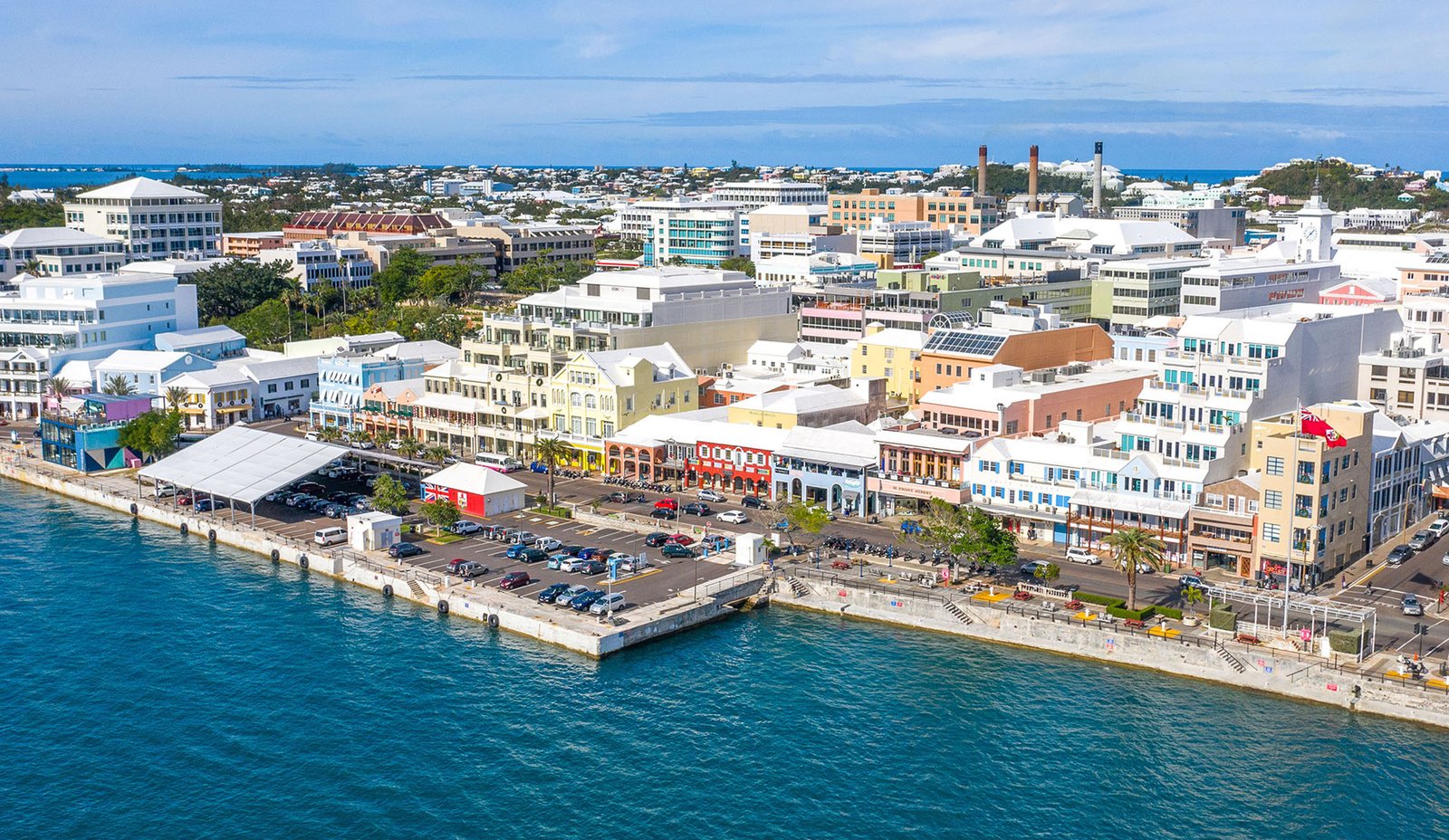
Bermuda
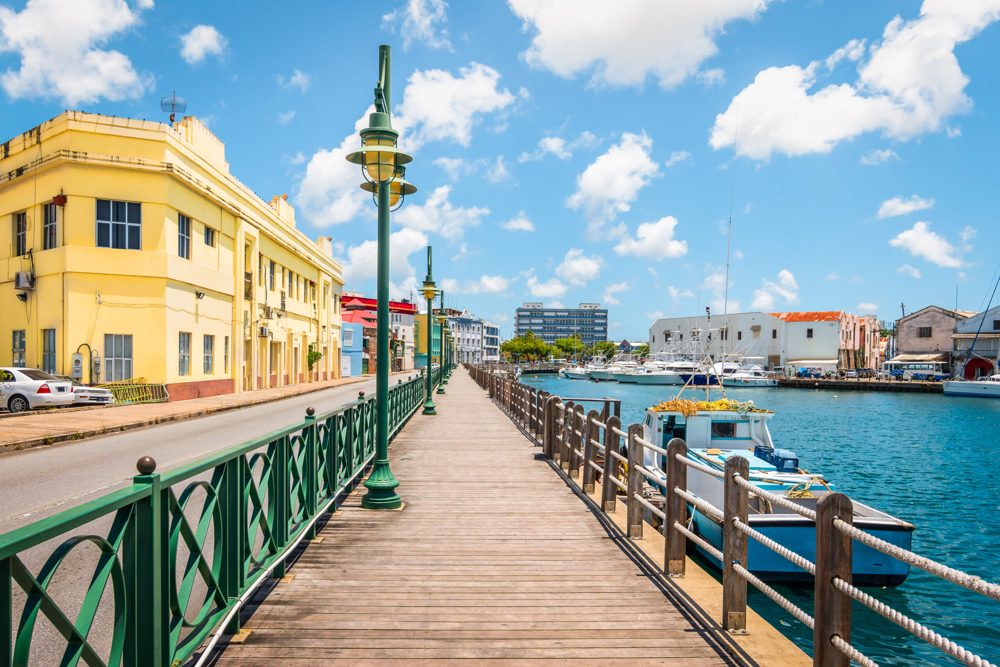
Barbados
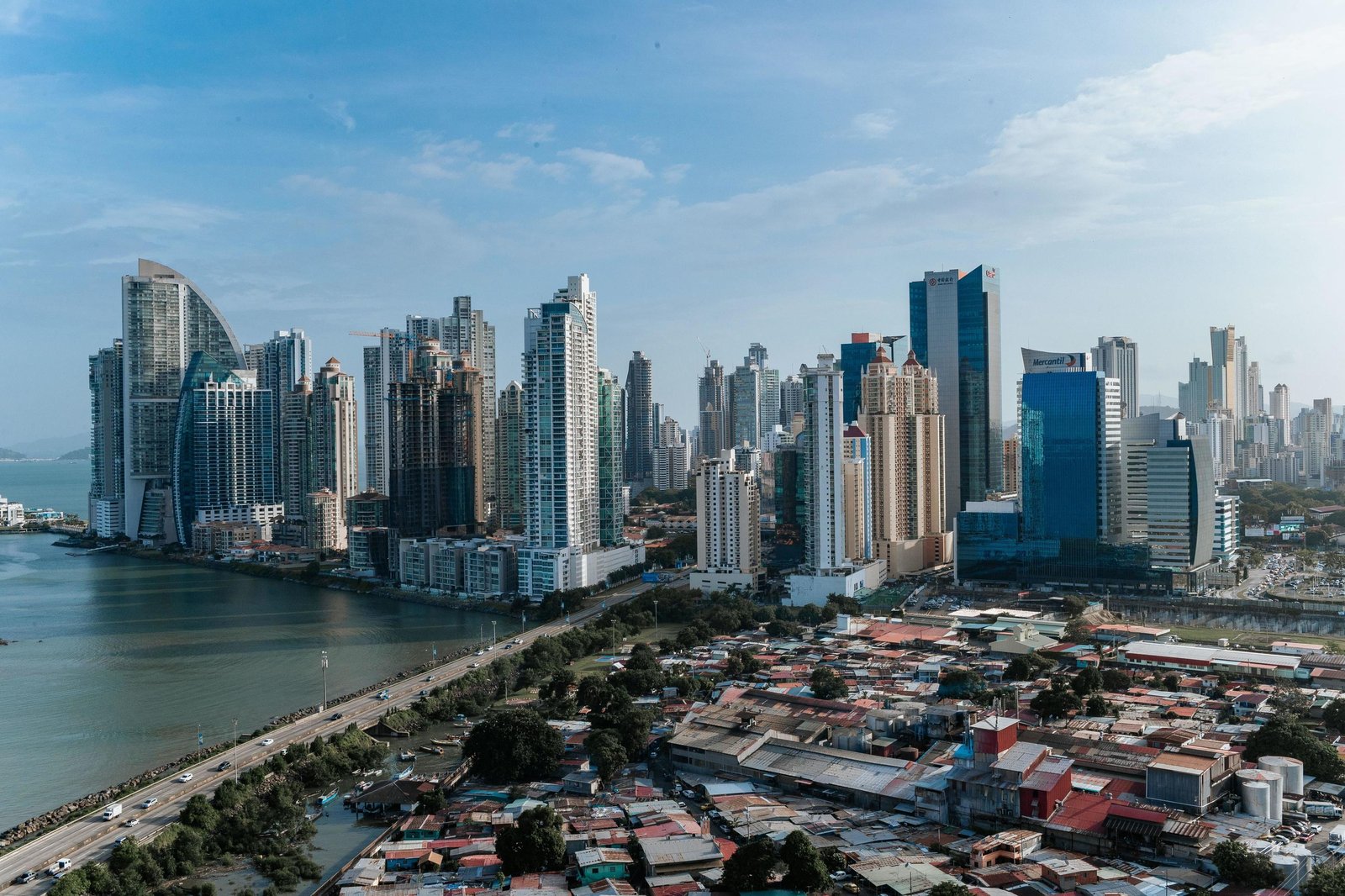
Panama
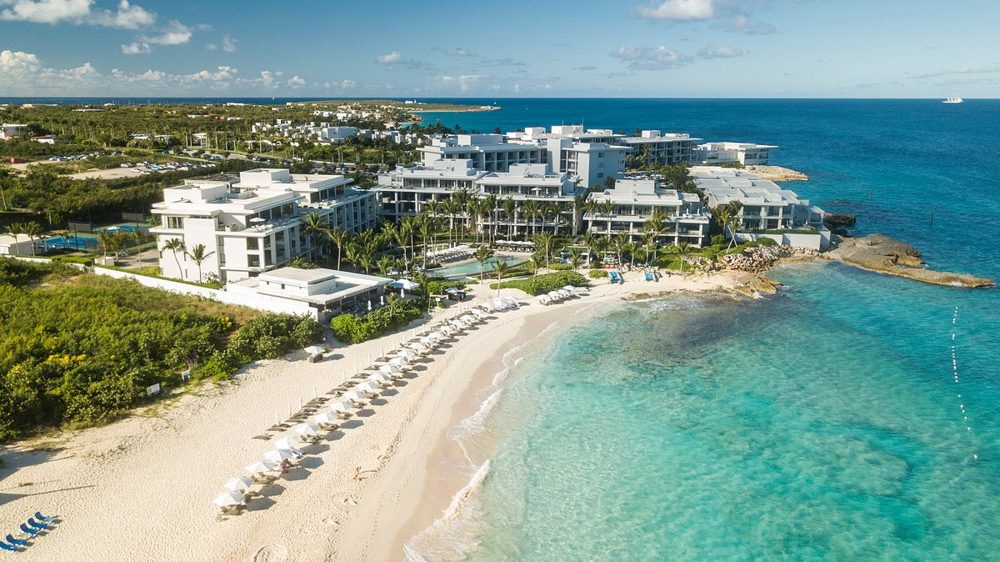
Anguilla
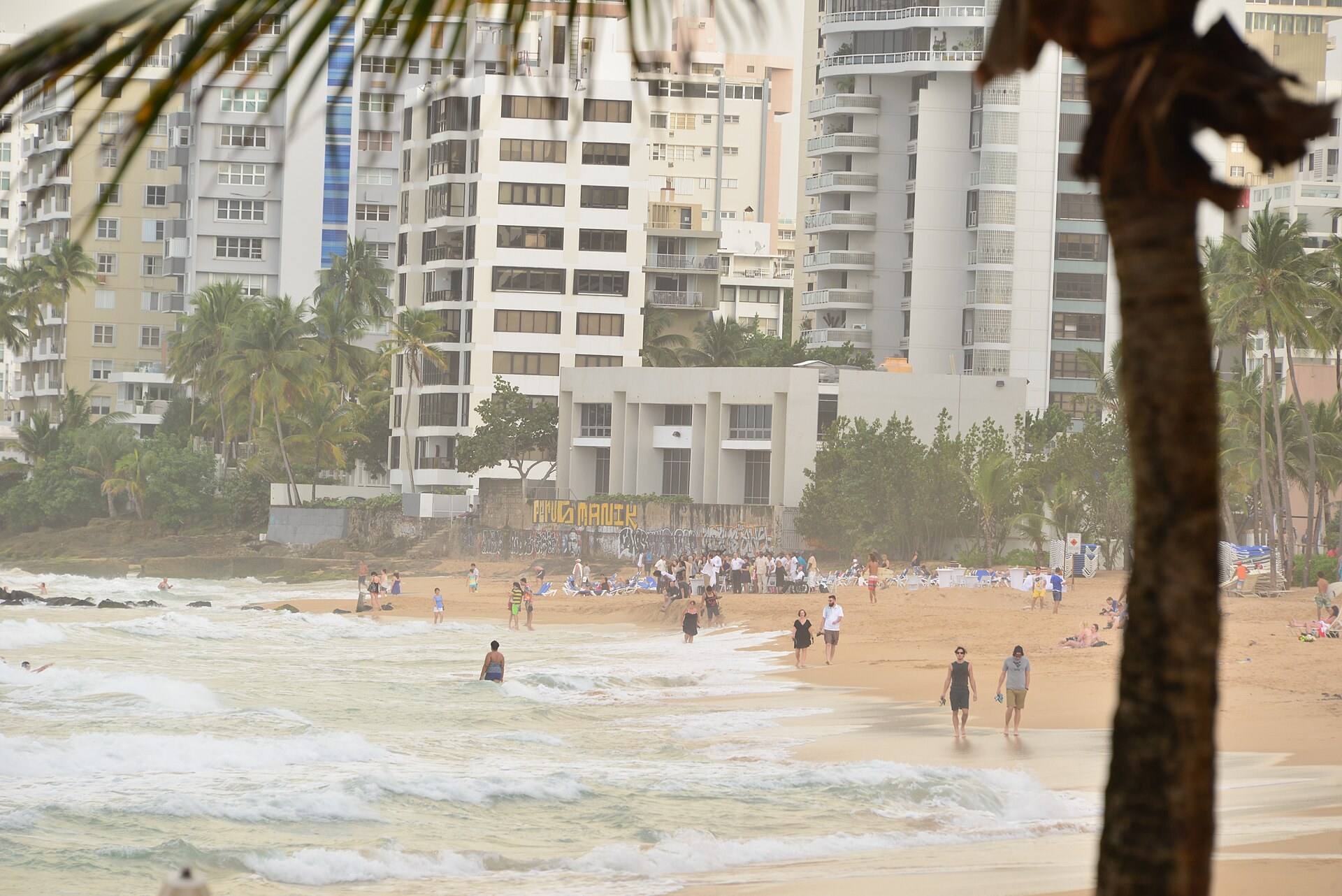
Puerto Rico
Turks & Caicos
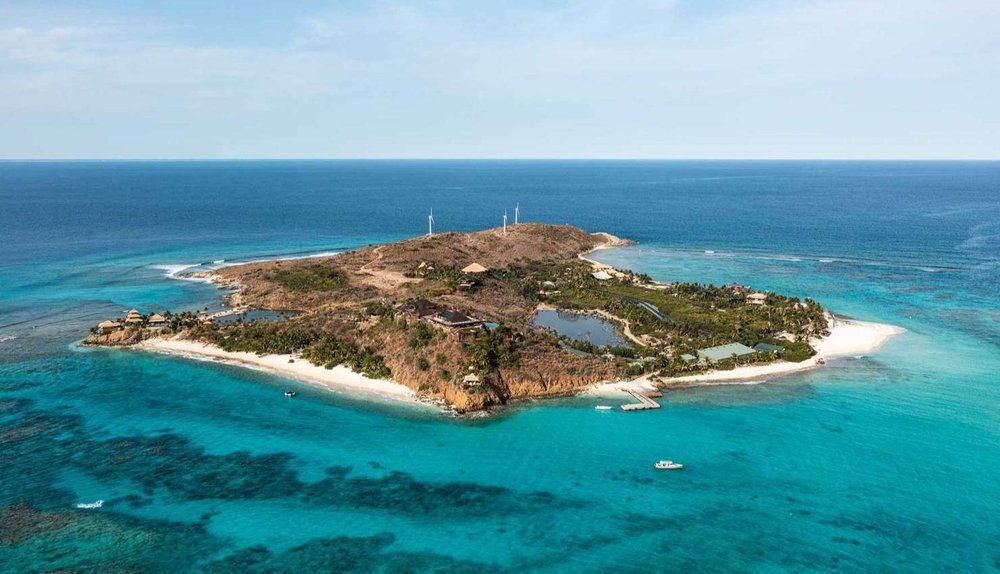
British Virgin Islands
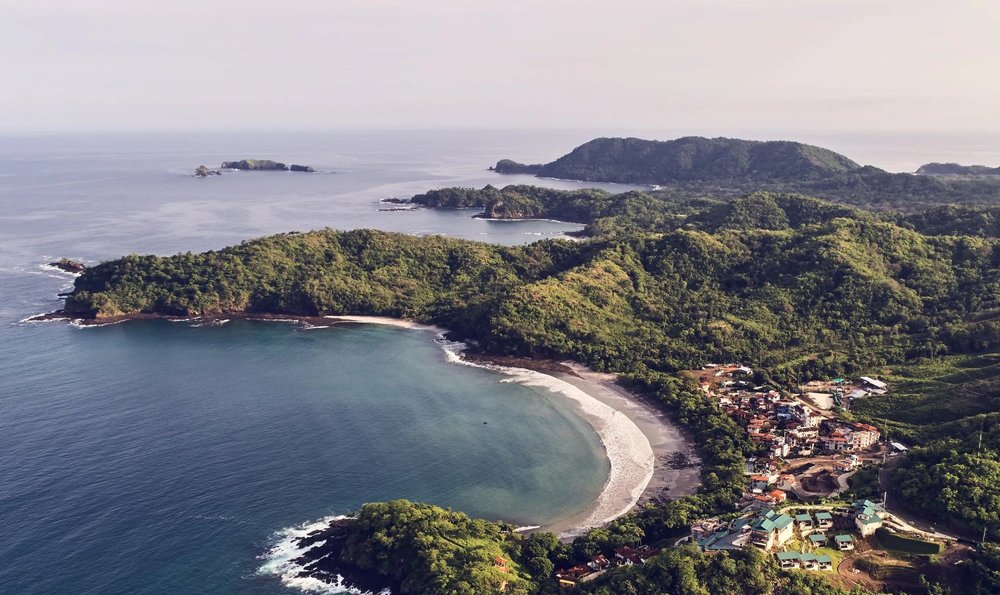
Costa Rica
Montserrat
None of the eleven confers a passport, and every figure here matches the residency table below. The tax lines describe each jurisdiction’s own system: US citizens remain taxed by the United States on worldwide income regardless of a second citizenship — none of the five Caribbean programs has a US income tax treaty.
The sixteen side by side
Cost, hold, realistic timeline, days on the ground and tax — in two tables.
What it costs, and how long the money is locked up
| Program | Cheapest way in | Family of four | Approved real estate | Hold before resale |
|---|---|---|---|---|
| St. Kitts & Nevis | US$250,000 Sustainable Island State Contribution — covers up to four | ≈US$274,600 on the current published schedule, including the 2026 biometric enrolment fee; this route carries no post-approval government fee | From US$325,000 for an approved developer share; US$600,000 for a private home | 7 years — the longest in the region |
| Antigua & Barbuda | US$230,000 National Development Fund — the same price for one applicant or four | US$230,000, plus US$10,000–$20,000+ government processing; about US$15,000 for each dependent beyond four | A flat US$300,000, however many buyers stand behind the purchase | Fixed at application and written into the purchase documents |
| Grenada | US$235,000 National Transformation Fund — main applicant and up to three dependents | US$235,000 — the same figure a single applicant pays | US$350,000 sole, or US$270,000 per share on a qualifying joint purchase totalling US$540,000+; a separate non-refundable US$50,000 contribution puts the real floor at US$320,000 | 5 years |
| Dominica | US$200,000 Economic Diversification Fund, single applicant — the lowest headline entry of the five | US$250,000 contribution; US$263,500 once due-diligence and interview fees are added for two adults and two children under 16 | From US$200,000, plus government fees from US$75,000 for a single applicant — the family schedule runs higher | 3 years — the shortest in the region |
| St. Lucia | US$240,000 National Economic Fund — single applicant or up to three dependants | US$240,000; a fifth family member prices above the threshold | US$300,000 approved property · US$300,000 National Action Bond plus a fixed US$50,000 non-refundable fee · enterprise project from US$250,000 | 5 years on property; the bond redeems at five |
What it asks of you, and what the passport does
| Program | Realistic timeline | Time on the island | Local tax | Visa-free | Best for |
|---|---|---|---|---|---|
| St. Kitts & Nevis | Stated window 120–180 days; agent-reported average about 5.1 months, the fastest of the five | None today | No personal income tax on worldwide income, no capital gains tax, no inheritance or gift tax | ~155 destinations | The most respected passport of the five and the quickest file — if a seven-year lock-up is acceptable |
| Antigua & Barbuda | 12–16 months; agent-reported average nearer 14.2 months, the second slowest | 30 days across the first five years, applied administratively; the 2026 amendment bill that would write it into the Act was presented in July 2026 and is not enacted | No tax on worldwide income, capital gains or inheritance | ~154 destinations | Households of four or more — one contribution covers up to four at a single price |
| Grenada | Published at 4–6 months; agent-reported averages nearer seven | None — no visit required before citizenship or after | No tax on worldwide income, capital gains or inheritance | ~147 destinations | The region’s only US E-2 treaty, subject to a three-year domicile condition, plus visa-free China since 2015 |
| Dominica | Marketed at 4–6 months; agent-reported average about 9.3 months | None | No tax on worldwide income, capital gains or inheritance | ~145 destinations | The lowest entry price and the shortest hold, with credible eco-luxury inventory behind it |
| St. Lucia | Statutory target 90 days; agent-reported average about 18 months, the slowest of the five, with cases past two years | No pre-application residency and no obligation to relocate | No tax on worldwide income, capital gains or inheritance | ~145 destinations | Route flexibility — four ways in, including the region’s only quasi-refundable bond |
Visa-free and visa-on-arrival counts per the Henley Passport Index, 2026, quoted per country rather than blended — the five passports genuinely differ. Program schedules current for 2026 and confirmed against each unit’s own table before a file opens. The tax column describes each jurisdiction’s own system: US citizens remain taxed by the United States on worldwide income regardless of a second citizenship, and none of the five has a US income tax treaty.
What the tables leave out
Read every number above as a floor. Due diligence is charged per person and by age, not per family: St. Kitts & Nevis runs US$10,000 for the main applicant and US$7,500 for each dependent aged 16 and over, and Dominica roughly US$7,500 and US$4,000 on the same split, plus a US$1,000 interview fee for every applicant of 16 or over. Antigua publishes no standard due-diligence schedule at all. A household with two teenagers therefore costs materially more than one with two toddlers at the identical contribution.
Government processing is separate and behaves differently by route. On the St. Kitts real-estate route it lands post-approval at US$25,000 for the main applicant, US$15,000 for a spouse and US$10,000 to US$15,000 per dependent by age; on the contribution route it does not exist. That is the most common costing error in the market: the US$327,500-plus totals circulating for a St. Kitts family of four bolt the real-estate schedule onto a donation file, roughly US$60,000 of fees that do not apply.
Legal and authorized-agent fees are the third layer, and no government publishes a schedule for them — your law firm and licensed agent set them, not the citizenship unit. Real-estate routes carry a fourth the donation routes never do: developer deposits, closing costs, landholding licenses, and the cost of running a house for the length of the hold. The mechanics sit on the costs, timelines and due diligence page and the trade itself on donation versus real estate; the all-in figure for a specific file is confirmed in writing before anything is signed.
How to choose
Three fields settle it: how many people are on the file, how long you can leave the money alone, and whether you would still want the property if the passport were taken out of the deal.
Family size decides more than price does, because two of the five charge the same figure for one person as for four — Antigua at US$230,000 and Grenada at US$235,000 both cover a household of up to four, while Dominica moves from US$200,000 to US$250,000 between a single applicant and a family. Lock-up decides the rest, and it is the column buyers skip: Dominica releases the asset after three years, Grenada and St. Lucia after five, St. Kitts & Nevis after seven, a full market cycle. A donation is spent the day it clears; approved real estate leaves you holding an asset, but only one worth owning on its own merits. A qualifying property nobody would otherwise want is an expensive way to buy a passport, which is why the property is underwritten before the threshold is checked. Where the practice represents a development directly, that is disclosed.
Then the objective, and almost nothing here does two of the three well. If it is mobility, only the citizenship tab is relevant: a residency certificate is permission to live somewhere, not a travel document. Cayman, The Bahamas, Bermuda, Anguilla, Turks & Caicos and the British Virgin Islands run no citizenship program at all, and Barbados never has — Prime Minister Mia Amor Mottley has said publicly that Barbadian citizenship will never be sold.
If it is a tax base, the citizenship tab is close to irrelevant. Caribbean citizenship carries no residency requirement, so on its own it creates tax residency nowhere; that is decided by presence and center of life, which is why the day-count column exists — ninety days a year in Bermuda eliminates more shortlists than the US$2.5 million does. And “no tax on worldwide income” is not “no tax”: only St. Kitts & Nevis and Antigua & Barbuda levy no personal income tax on residents at all, while Dominica taxes residents at up to 35%, St. Lucia up to 30% and Grenada up to 28%. That touches nobody who never becomes resident, but a family actually moving should know the rate first.
If it is somewhere to live, residency usually wins, and on price too: Costa Rica’s inversionista route at US$150,000 and Panama’s Friendly Nations Visa at US$200,000 sit at or below every citizenship program here. Citizenship wins on speed, permanence and inheritance — it passes to the next generation and cannot lapse for want of days on the ground. The wider maps sit on the residency by investment overview and the citizenship by investment hub. All five citizenship countries are also protocol states under the Revised Treaty of Basseterre, so a citizen of any one can land in any of the other six and receive an indefinite-stay stamp with the right to live and work.
Why a US citizen’s calculus is different
The United States taxes its citizens on worldwide income wherever they live — one of only two countries on earth that does. None of the five Caribbean citizenship programs holds a US income tax treaty, and FATCA attaches to US-person status rather than to the passport you present. The zero-tax column describes each jurisdiction’s own system and changes nothing about a federal filing.
That is not an argument against a second citizenship, only for buying one as insurance and optionality rather than as a tax play — the case set out in second citizenship for Americans is insurance, not a tax play and across the American buyer’s page. Two facts belong beside it: none of the five participates in the US Visa Waiver Program, so these passports do not shorten anyone’s route into the United States, and Grenada’s E-2 treaty, the one genuine immigration lever in the region, is worth nothing to someone who already holds US citizenship.
The single route here that moves an American’s number is Puerto Rico’s Act 60, because it works inside the US system rather than around it, with no expatriation at all; the rates, deadlines and residency tests sit in the residency tab of the table above. It reaches only gains arising after the move, which is why timing a liquidity event badly wastes the exercise. Above Act 60 there is only renunciation, and the exit is the harder half. The expatriation tax reaches only a covered expatriate: net worth of US$2 million or more, average annual net US income tax above US$211,000 over the prior five years on the 2026 threshold, or an inability to certify five years of clean filings on Form 8854. A family that leaves while keeping the American house also meets FIRPTA withholding on the eventual sale. All of it belongs in an international tax plan settled before a move date is fixed.
What is moving underneath all of this
Three pressures are live, and any advisor quoting the tables above as fixed for a decade is overselling. A regional regulator, the Eastern Caribbean Citizenship by Investment Regulatory Authority, was created by treaty in September 2025 and is being phased in from headquarters in Grenada; St. Kitts & Nevis passed enabling legislation first, in October 2025. The 30-day post-citizenship presence standard moving through that framework has already slipped past its original target, which is why the presence column separates what is in force from what is proposed. From Washington, a December 2025 proclamation placed partial entry restrictions on Antigua & Barbuda and Dominica — those two of the five and no others — suspending immigrant visas and several nonimmigrant categories for their nationals from January 2026, with visitor-visa validity cut from ten years to three months. From Brussels, the European Commission wrote to all five governments on 25 June 2026 demanding a phase-out by 1 June 2028; no program has lost EU access, and that remains a demand rather than an action. Budget the dollars without assuming the mobility map holds for ten years. What the new regulator changes and the objective audit of every Caribbean program go further than a comparison table can.
Confirming a unit before an offer
Approved lists are not static, so eligibility is confirmed unit by unit before an offer is written — the practice is based in the Eastern Caribbean and walks the inventory rather than forwarding a brochure. Current stock sits in the listings marketplace and across the approved developments, with the market-by-market read on the Caribbean real estate overview.
What to settle before you compare prices
- The honest number of weeks a year your family will actually be on the ground
- Every person going on the file, including dependents over 16 and parents
- The date you would need the capital back — that picks the hold, and the hold picks the country
- Whether you want an asset at the end or would rather the spend simply be gone
- Your exit from the tax system you are leaving, planned in parallel with the entry
- Whether the requirement is mobility, a tax base or a place to live — because almost nothing here does two of the three well
Program rules, fees and thresholds change, and every figure above is a published threshold rather than a quote for your family. The current position is confirmed against each citizenship or immigration unit’s own schedule, and alongside your own cross-border counsel, before anything is signed.
Frequently asked questions
Which Caribbean citizenship program is cheapest?
For a single applicant, Dominica at US$200,000 through the Economic Diversification Fund. For a family of four the ranking changes: Antigua & Barbuda at US$230,000 and Grenada at US$235,000 both cover a household of up to four at one price, against US$250,000 in Dominica and US$240,000 in St. Lucia.
Which program is fastest?
St. Kitts & Nevis. Its stated window is 120 to 180 days and agent-reported data puts the average around 5.1 months. Grenada is typically 4 to 6 months from a complete application. At the other end St. Lucia averages about 18 months and Antigua & Barbuda 12 to 16, with an industry average nearer 14.2. Where the marketed and the real timelines differ, this page shows both.
How long do I have to hold the real estate?
Three years in Dominica, five in Grenada and St. Lucia, seven in St. Kitts & Nevis — the longest in the region. Antigua fixes its holding period at application and writes it into the purchase documents. Seven years is a market cycle, and a thin resale market can extend it in practice.
Do any of these programs require me to live there?
Only Antigua & Barbuda, and only lightly: 30 days across the first five years after citizenship is granted, applied administratively while the 2026 amendment bill awaits passage. The other four ask nothing today. Residency routes are different — Bermuda asks 90 days a year for five years, Anguilla’s High Value Resident program 45, Cayman 30, and Barbados none at all.
Will any of this lower my US tax bill?
Not by itself. The United States taxes its citizens on worldwide income wherever they live, and none of the five Caribbean citizenship programs has a US income tax treaty. The zero-tax lines describe each jurisdiction’s own system, not an American’s global position. The one route here that changes a federal number is Puerto Rico’s Act 60; above that there is only renunciation.
Residency or citizenship — which do I actually need?
Citizenship if you need a travel document, permanence, or something that passes to your children. Residency if you need a place to live, a defensible tax base or clean title on an asset. No residency route here confers a passport, and citizenship on its own creates tax residency nowhere. A common answer is both, sequenced rather than collected.
Is Grenada really US$270,000?
Only on a qualifying joint purchase. US$270,000 is a per-share minimum where the total purchase reaches US$540,000 or more under S.R.O. 15 of 2024; a sole buyer needs US$350,000. A separate non-refundable US$50,000 government contribution for a family of up to four sits on top of either, putting the realistic real-estate floor at US$320,000.
What is not included in the prices on this page?
Due diligence charged per applicant and by age, government processing where the route carries it, and legal and authorised-agent fees, which no government publishes because your law firm and licensed agent set them. On the real-estate routes add developer deposits, closing costs, landholding licences where they apply, and the cost of running the property for the length of the hold.
Who this page is for
Families weighing a passport against a residency and unsure which question they are answering
Buyers quoted a headline price who want to know what stacks on top of it
Americans testing whether any of this changes a federal filing — and what does
Anyone who needs the capital back on a date and has not checked the holding periods
Send me two numbers and I’ll cut the list.
Your family size, and the date you would need the capital back. With those two figures I can tell you which two or three of these sixteen routes are worth your time and which are a waste of it — usually in one call, before anyone starts assembling a file.