Dominica Citizenship by Investment
The region's lowest entry point, its shortest real-estate hold — and its most credible eco-luxury asset.
About Dominica
Dominica — the Nature Island, and not the Dominican Republic — has run a citizenship-by-investment program since 1993, the second-oldest in the world. Qualifying starts at US$200,000, either as a contribution to the Economic Diversification Fund or into a government-approved development. The passport carries visa-free or visa-on-arrival access to approximately 145 destinations (Henley Passport Index, 2026). Marketed at four to six months, files average closer to 9.3. It suits families wanting the region’s lowest entry point and shortest real-estate hold, and not buying against a deadline.
Dan acquired his own second citizenship in 2022, has guided more than 100 families through citizenship and residency in the past 18 months, and keeps offices across the Eastern Caribbean — including one on Dominica, at Secret Bay in Portsmouth.
The island
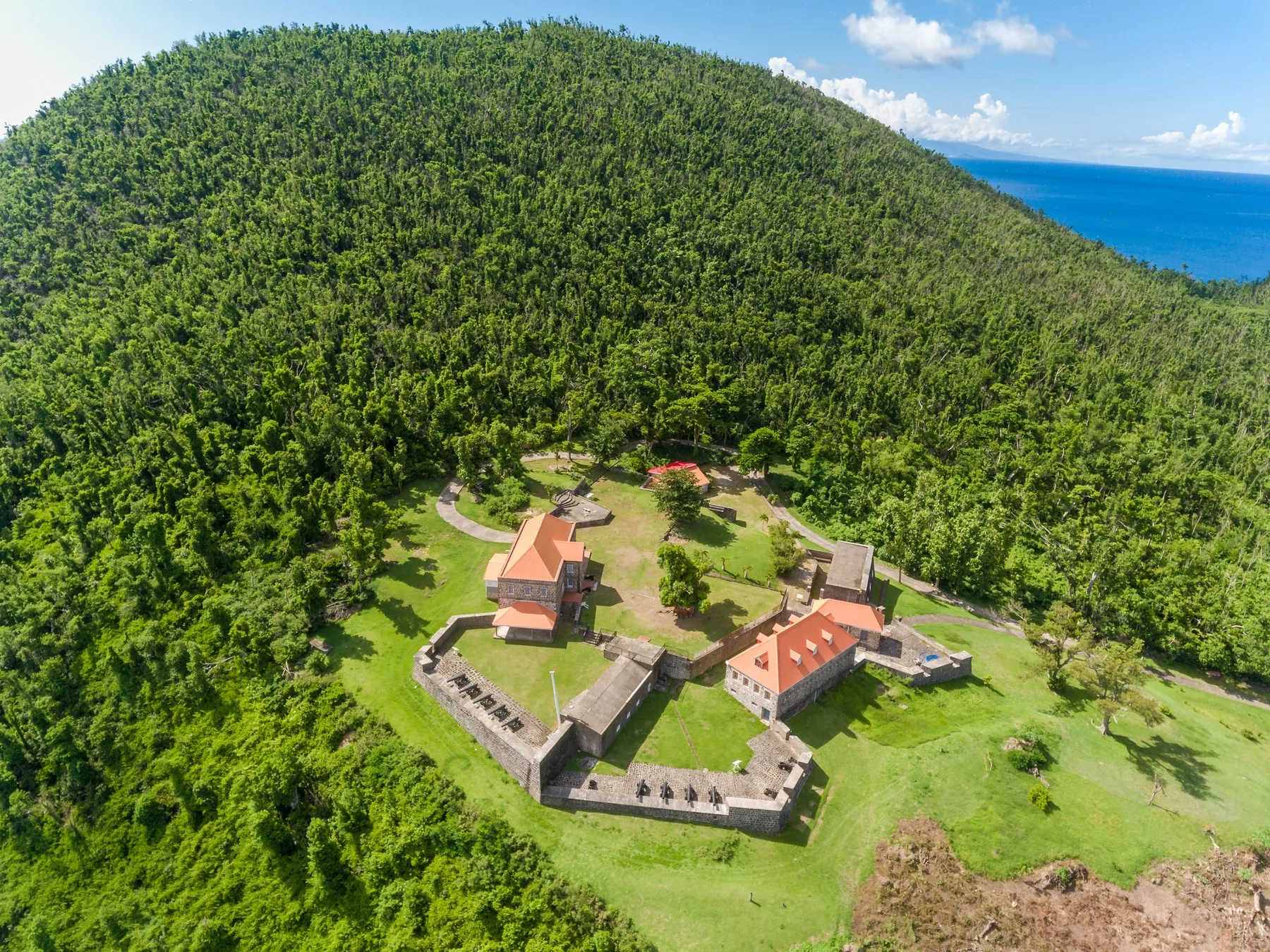
Dominica sits between Guadeloupe and Martinique: English-speaking, mountainous, volcanic, and barely developed by Caribbean standards. The eco-luxury positioning is policy rather than marketing — no cruise terminal shaping the skyline, no race to line the coast with towers, and geothermal investment behind an ambition to be the region’s first carbon-negative country. That restraint is why a six-star resort commands world-class rates on an island most buyers still cannot place on a map. Stay-over arrivals set a record in 2025, up 18 percent.
Access is the constraint and the swing factor. Every arrival routes through a neighboring hub today. The international airport at Wesley — a 3,000-metre, widebody-capable runway funded substantially by citizenship receipts — is under construction and targeted for 2027. Air access sets small-island property values, which makes that runway the largest single variable in the Dominica case, in both directions.
Who it suits
- Families solving for the lowest credible entry price in the region — the fund covers up to four people at US$250,000
- Buyers who want an asset rather than a donation, on the region’s shortest hold: three years, or five on a sale to another applicant
- Americans buying optionality — a permanent right to live and work across the Eastern Caribbean — rather than a tax outcome
- Anyone comfortable with an early-stage market, a thin resale pool, and an airport that has not landed yet
The honest verdict. Dominica is the cheapest way into a credible program and the least liquid asset of the five. If there is any chance you need out in three years, take the fund. If you want the property, underwrite it as something you would own with no passport attached.
Mobility, honestly stated
Approximately 145 destinations visa-free or visa-on-arrival (Henley Passport Index, 2026) — level with St. Lucia and the lowest of the five, against 155 for St. Kitts & Nevis. Two exceptions matter, and both are raised before anyone commits: the United Kingdom revoked Dominica’s visa-free access on 19 July 2023, and a December 2025 US proclamation placed Dominica under partial entry restrictions effective January 2026, cutting visitor-visa validity for its nationals from ten years to three months. Neither restricts an American’s own travel on a US passport.
The offsetting advantage is structural. All five CBI countries are OECS protocol states, so a citizen of one can land in another and receive an indefinite-stay stamp with the right to live and work. Dominica goes further: on 1 October 2025 it joined Barbados, Belize and St Vincent & the Grenadines in full CARICOM free movement — enter, live, work, no permits. It is the only CBI country in that group, which makes its passport the broadest Caribbean settlement right available by investment.
Citizenship
Economic Diversification Fund
Approved real estate
Both minimums sit at the US$200,000 regional price floor the five governments agreed in 2024, effective 1 July that year; Dominica’s fund contribution doubled from US$100,000 on that date. Due diligence, the mandatory interview for every applicant aged 16 and over, certificate and passport charges, and legal and agent fees sit on top of both. The full cost stack and the per-dependent schedule are confirmed on a strategy call.
The process, and how long it really takes
Strategy call
Goals, family size, and whether the fund or an approved property fits better.
Engage and prepare
An authorized agent is appointed and your due-diligence file is assembled — source of funds first.
Invest and submit
You complete the qualifying investment; the file is lodged and background checks run.
Interview and approval
Every applicant aged 16 and over sits the mandatory interview. On approval, citizenship is confirmed and passports issue for the family.
Four to six months is the marketed range; the agent-reported average is about 9.3 months — the middle of the five programs, slower than Grenada or St. Kitts & Nevis, faster than Antigua & Barbuda or St. Lucia. Budget for the second number. What slows a file is almost never the government: incomplete source-of-funds documentation, undisclosed prior visa refusals, dependents left off the file. None of those is disqualifying on its own. Undisclosed, they are.
The honest risks
Dominica rewards patience and punishes the buyer who needs an exit. Liquidity: a thin resale market with few comparable sales, and largely a cash one, since local mortgage lending to non-residents is limited and slow. Reputation: a 60 Minutes investigation exposed weaknesses in the program’s due diligence, after which vetting tightened substantially alongside EU and OECD bodies; the UK and US measures are the residue. Policy drift: a 30-day post-citizenship residency requirement has been working through all five programs under the regional regulator, ECCIRA, and has slipped past its original mid-2026 target. Climate: Hurricane Maria hit the island directly in 2017, and mountainous terrain adds landslide and flood exposure; rebuilding has been to a higher resilience standard, but construction and insurance terms are verified property by property.
None of that is a reason not to apply. It is a reason to size the position honestly. The myths that do not survive the current rules are set out in the Caribbean citizenship myths worth unlearning.
The tax position, stated plainly
US citizens remain taxed by the United States on worldwide income regardless of a second citizenship, and none of the five Caribbean programs has a US income tax treaty; FATCA follows the person, not the travel document. Dominica levies no capital gains or inheritance tax and does not tax the foreign income of non-residents, and its 2026/27 budget announced an end to tax on worldwide income with a flat 10 percent on Dominica-source income from 1 January 2027 — announced, not yet enacted, and none of it changes a US person’s federal filing. The detail is in Dominica’s move to territorial tax; the framing for American buyers is in insurance, not a tax play.
Frequently asked questions
What does Dominica citizenship cost?
The Economic Diversification Fund is US$200,000 for a single applicant and US$250,000 for a family of up to four. Approved real estate starts at US$200,000 for the property plus government fees, which begin at US$75,000 for a single applicant. Due diligence, interview, certificate, legal and agent charges sit on top of both, and the per-dependent schedule is where family files diverge. Dan prices the full stack line by line on the call.
Is Dominica the same as the Dominican Republic?
No, and the confusion is constant. Dominica is a small English-speaking island nation in the Eastern Caribbean between Guadeloupe and Martinique. The Dominican Republic is a much larger Spanish-speaking country sharing Hispaniola with Haiti, hundreds of miles away.
How long does a Dominica application actually take?
Longer than the marketed four to six months. Agent-reported data puts the average around 9.3 months — the middle of the five programs, slower than Grenada or St. Kitts & Nevis and faster than Antigua & Barbuda or St. Lucia. Budget for the better part of a year and treat anything quicker as upside.
How many countries can I visit on a Dominica passport?
Approximately 145 destinations visa-free or visa-on-arrival (Henley Passport Index, 2026). The United Kingdom is the notable exception, having revoked Dominica’s visa-free access effective 19 July 2023, and a December 2025 US proclamation placed Dominica under partial entry restrictions effective January 2026.
Does a Dominica passport reduce my US taxes?
No. US citizens remain taxed by the United States on worldwide income regardless of a second citizenship, and none of the five Caribbean programs has a US income tax treaty. FATCA follows the person, not the travel document. Dominica’s own treatment of foreign income is a fact about the jurisdiction and changes nothing about a US person’s federal filing.
Do I have to live in Dominica?
No. There is no physical-presence requirement to obtain or keep Dominica citizenship today. A 30-day post-citizenship residency rule has been working through all five programs under the regional ECCIRA framework and has already slipped past its original mid-2026 target, so Dan confirms the current position before anyone plans around either answer.
How soon can I sell an approved property?
Three years from the grant of citizenship, or five if you sell on to another citizenship applicant — the shortest lock-up of the five Caribbean programs. Resale is a thin market with few comparable sales, so Dan underwrites the entry price on the assumption that you may hold longer than the minimum.
Real estate or the fund — which is better?
It depends on what you are solving for. The fund is cheaper, simpler and non-refundable, and there is no asset at the end of it. Approved real estate costs more once government fees are counted, but leaves you something you can use, rent through a managed program and resell after the hold. Dan maps the trade-off against your family size and horizon.
Real Estate
Dominica’s approved list is deliberately short — four projects — and one leads it. The wider market, including the off-market land most buyers eventually ask about, sits on the Dominica real estate market guide.
Secret Bay
Waterfront Residences
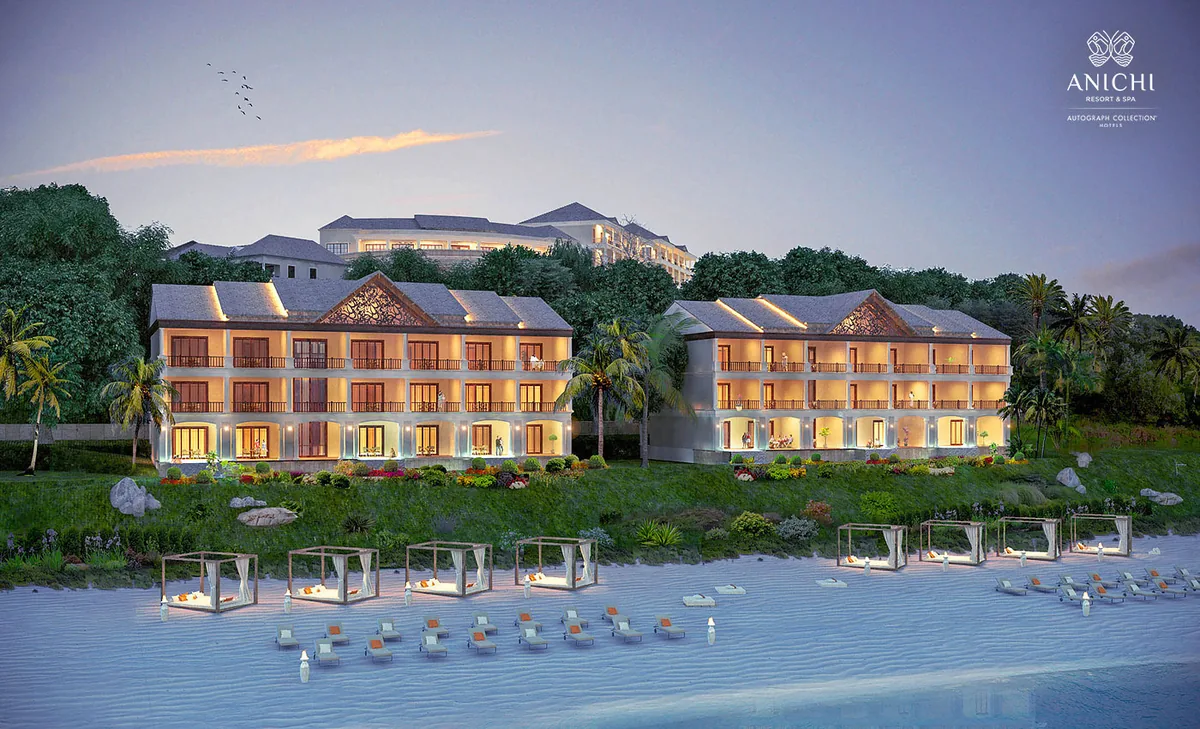
Anichi Resort & Spa
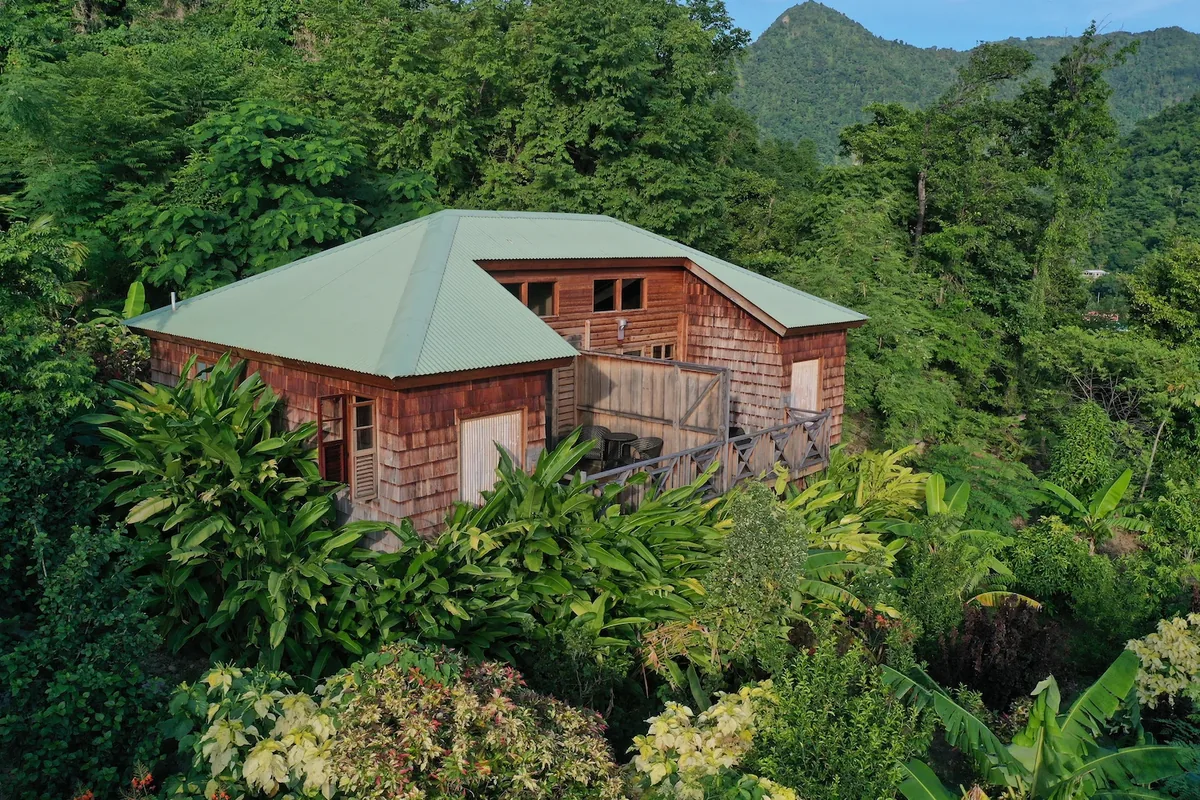
Jungle Bay Resort
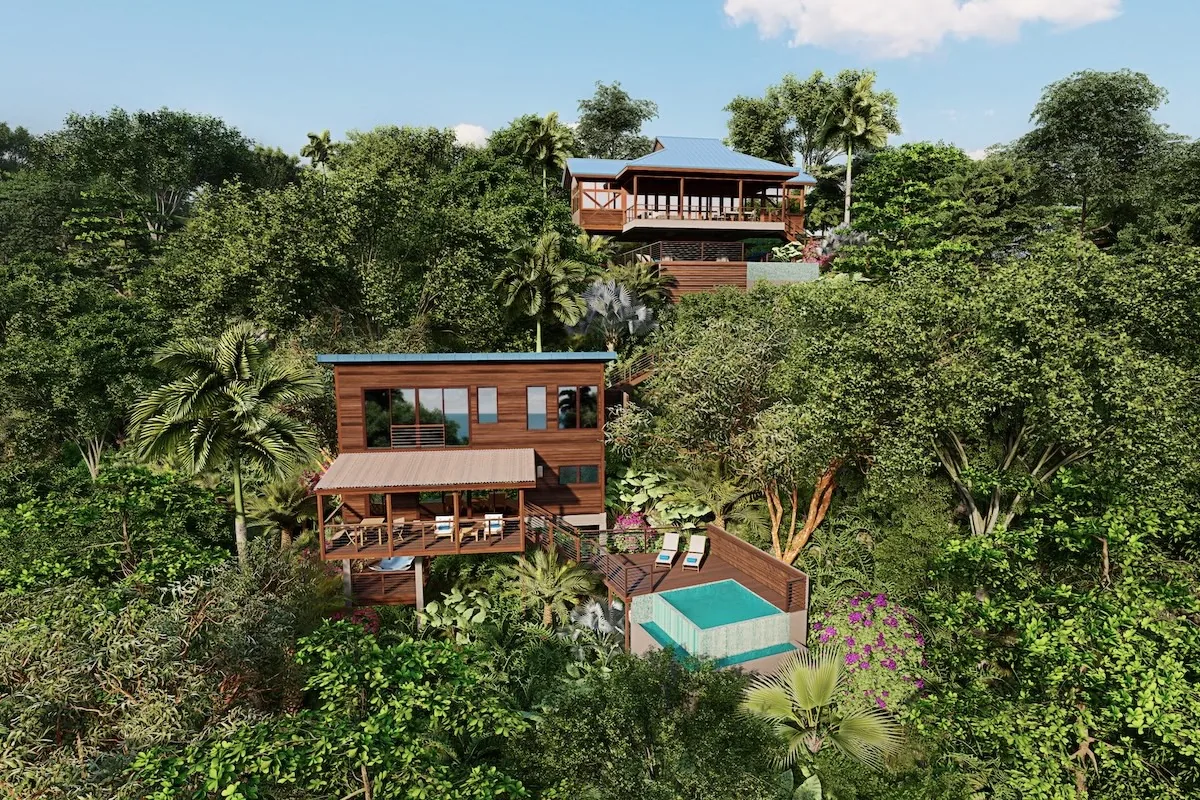
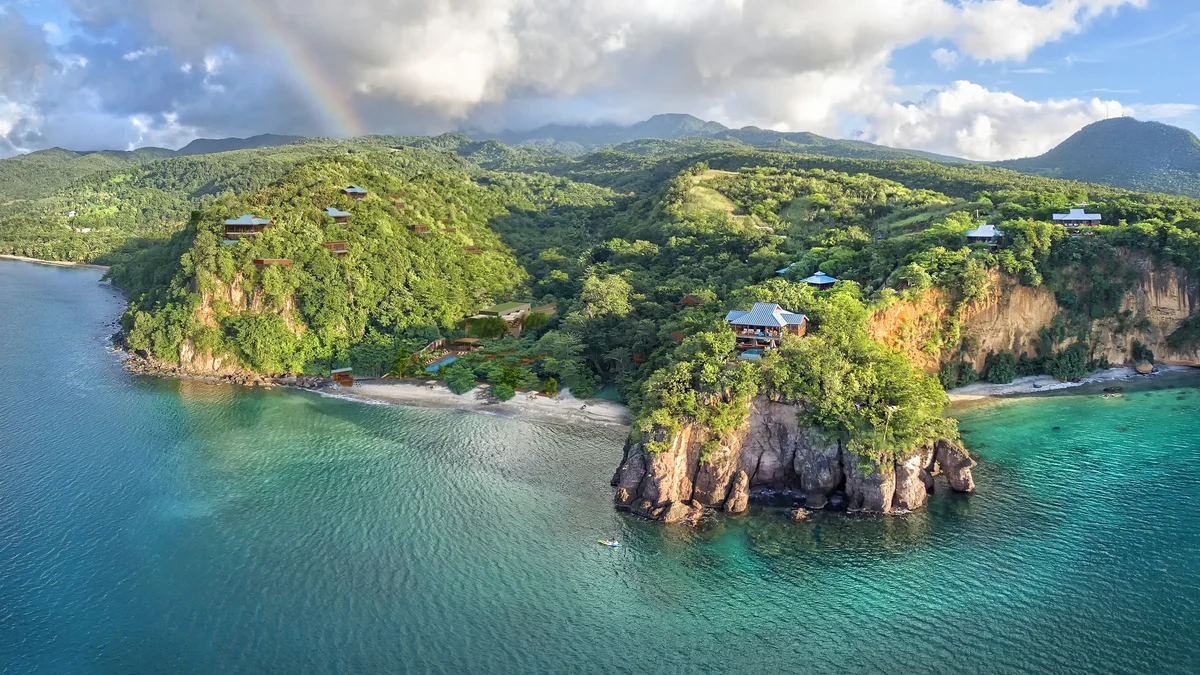
Secret Bay is the anchor: a Relais & Châteaux, six-star all-villa resort on the rainforest cliffs near Portsmouth, open since 2011. It holds Two Michelin Keys, has been named the Caribbean’s number-one resort hotel four times in five years, and has paid cash distributions to investors since 2019. It is the only approved project on the island with a proven rental track record. Entry runs in tiers: fractional and share interests from US$208,000; a 128 sq m one-bedroom in the completed Residences at Secret Bay at US$220,000; and the freehold Waterfront Residences — the resort’s first villas built at the water’s edge rather than on the clifftop — from US$1.4M for an 85 sq m one-bedroom to US$4.5M for a multi-villa estate, resort-managed with 10–24 weeks of personal use a year.
Two other approved projects hold the entry level. Anichi Resort & Spa, a Marriott Autograph Collection property on a 12-acre beachfront site on Picard Beach near Portsmouth, offers a completed, freehold, income-producing 50 sq m one-bedroom suite at US$220,000. In the south, overlooking the Scotts Head Marine Reserve, Jungle Bay Resort offers completed freehold one-bedrooms of 37 sq m from US$200,000 — the lowest-priced approved unit on the island. Every tier here is citizenship-eligible.
How the practice works a Dominica file. The asset is underwritten on its own merits before the passport is counted, and a unit’s standing is checked against the current approved list before an offer is written — the list is not static, and projects are occasionally paused as policy moves. The entry price is set on the assumption that you may hold past the three-year minimum. Every approved unit the practice tracks, alongside off-market land, sits in the listings marketplace.
Current inventory
8 CBI-approved listings in Dominica.
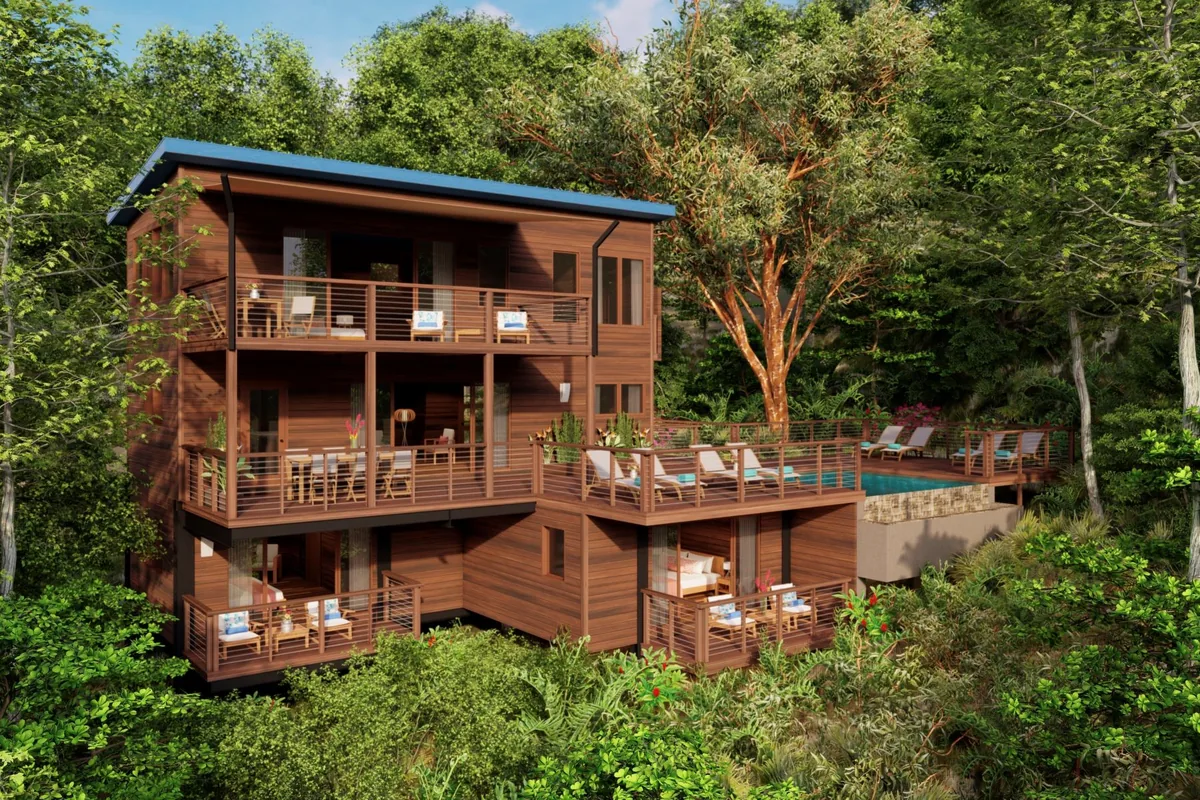
Residences at Secret Bay — Cliffside Kampesh II, Dominica
A three-bedroom cliffside villa at the Residences at Secret Bay, above Tibay Beach near Portsmouth, Dominica.
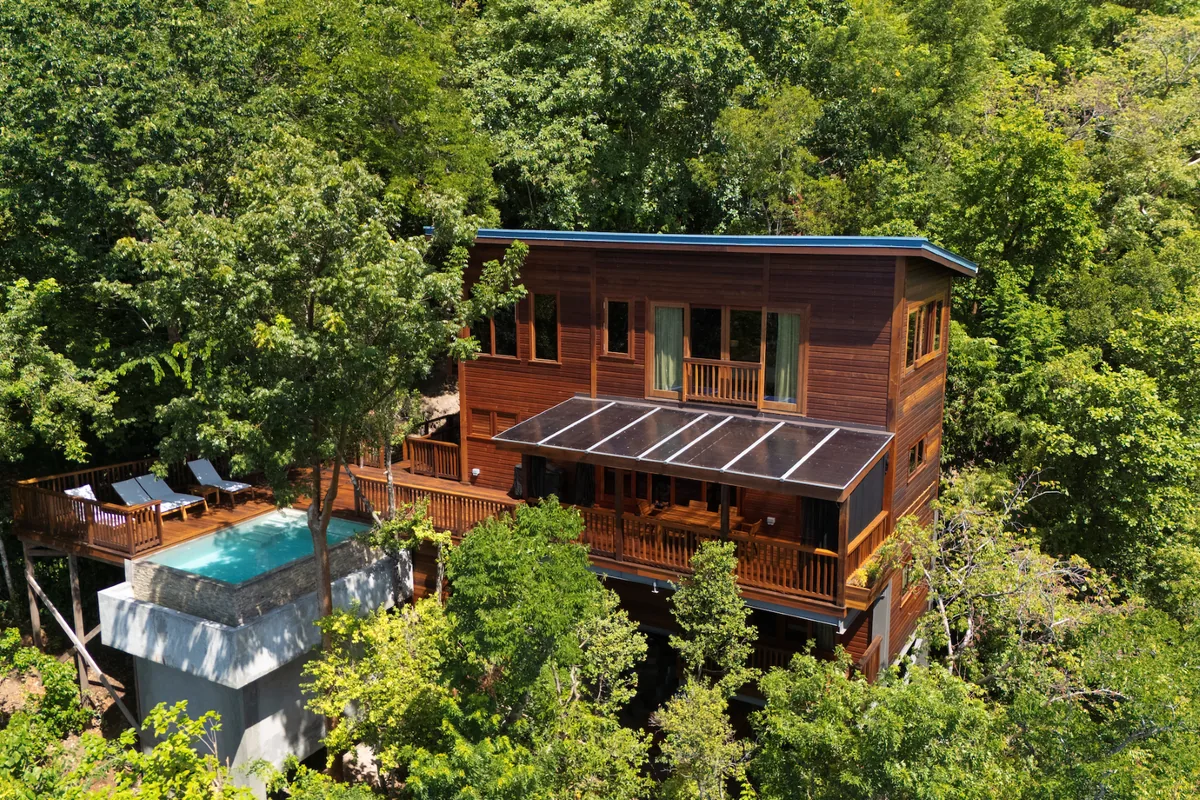
Residences at Secret Bay — Cliffside Ti-Fey II, Dominica
A two-bedroom cliffside villa at the Residences at Secret Bay, on Dominica's north-west coast.
Waterfront Residences at Secret Bay, Dominica
Secret Bay's Waterfront Residences are one-bedroom clifftop villas of 85 sq.m above the Caribbean Sea near Portsmouth, offered freehold from…
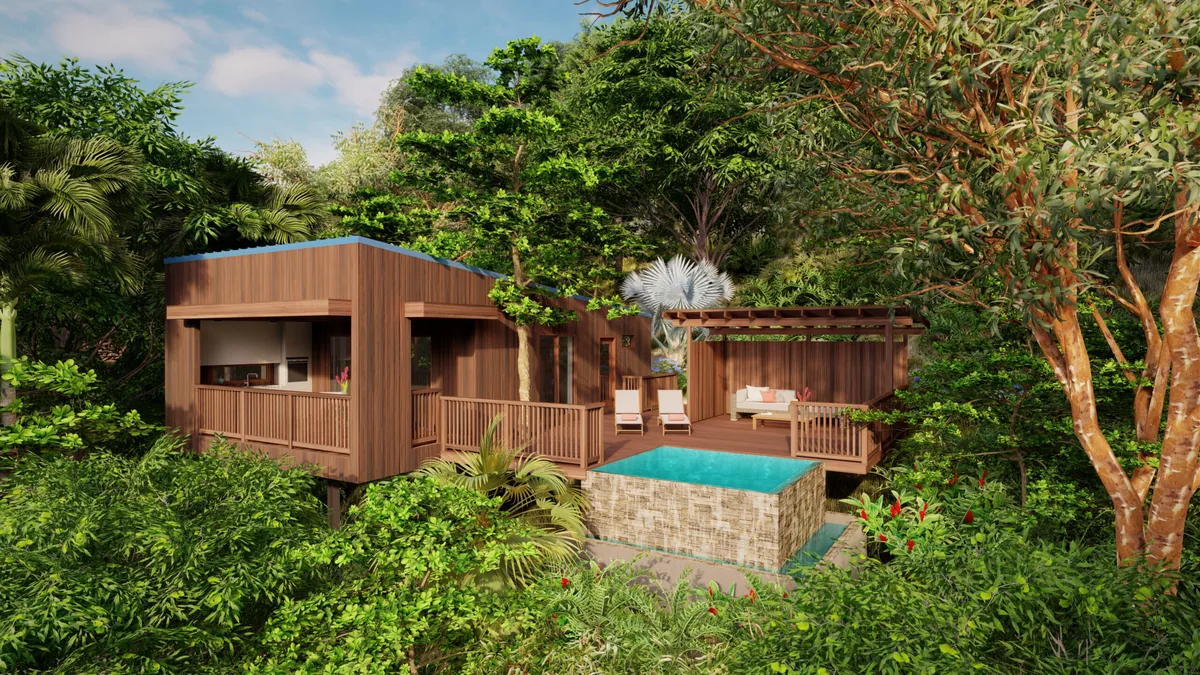
Residences at Secret Bay — Mapou Waterfront Villa IV, Dominica
A one-bedroom waterfront villa at the Residences at Secret Bay, Dominica — the accessible entry into a Relais & Châteaux community.
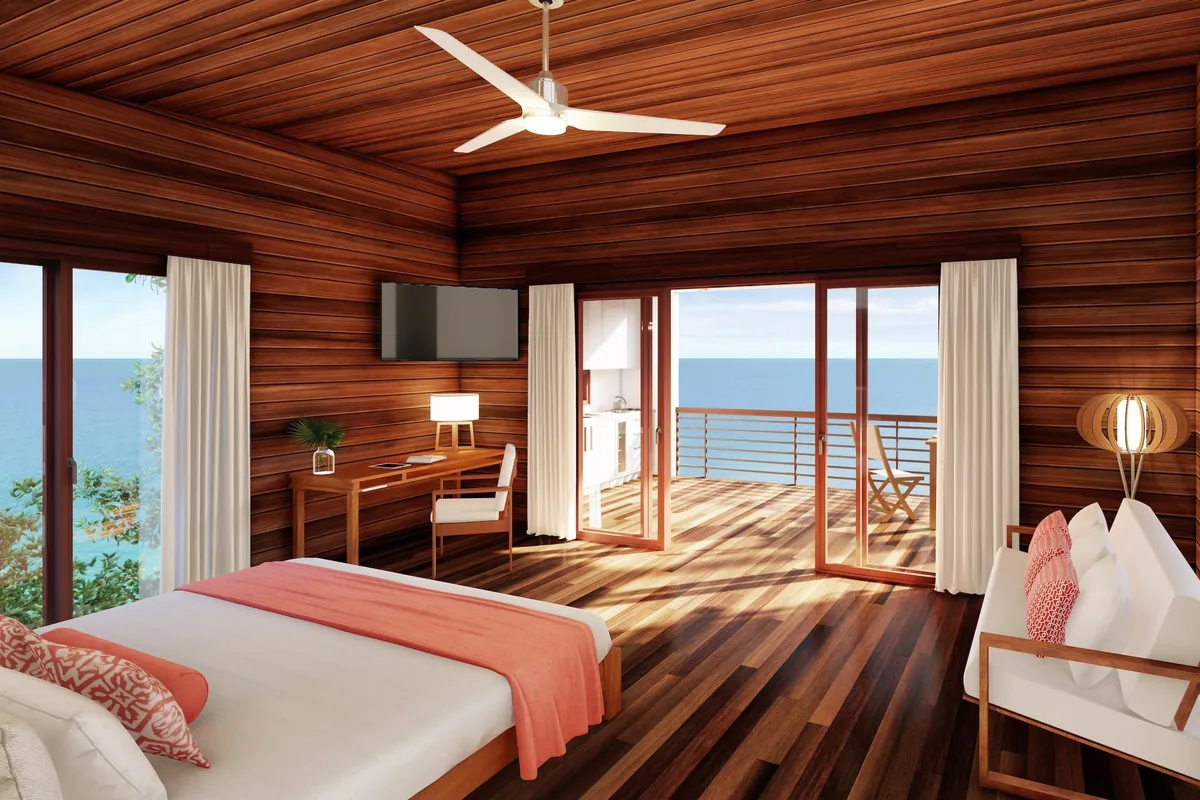
Residences at Secret Bay — Mapou Fractional Ownership, Dominica
Fractional ownership of a Mapou waterfront villa at the Residences at Secret Bay, Dominica — 4 weeks of use a year.
Anichi Resort & Spa
A completed, income-producing hotel unit at Anichi Resort & Spa, a Marriott Autograph Collection resort on Picard Beach in Portsmouth, Dominica.
Residences at Secret Bay
A completed one-bedroom, one-bath hotel residence of 128 square metres at Secret Bay, the clifftop resort near Tibay on Dominica's northwest coast.
Jungle Bay Resort
A completed one-bedroom hotel unit at Jungle Bay Resort on Dominica's southern coast at Soufriere, held freehold and income-producing.
Visa-free count per the Henley Passport Index, 2026. US citizens remain taxed by the United States on worldwide income regardless of a second citizenship — none of the five Caribbean programs has a US income tax treaty.
Is Dominica right for your family?
Book a private call and Dan will price your file line by line — and map the right route and development to your goals.
Book a Private Call