Harbour Island Villa (Fractional Ownership)
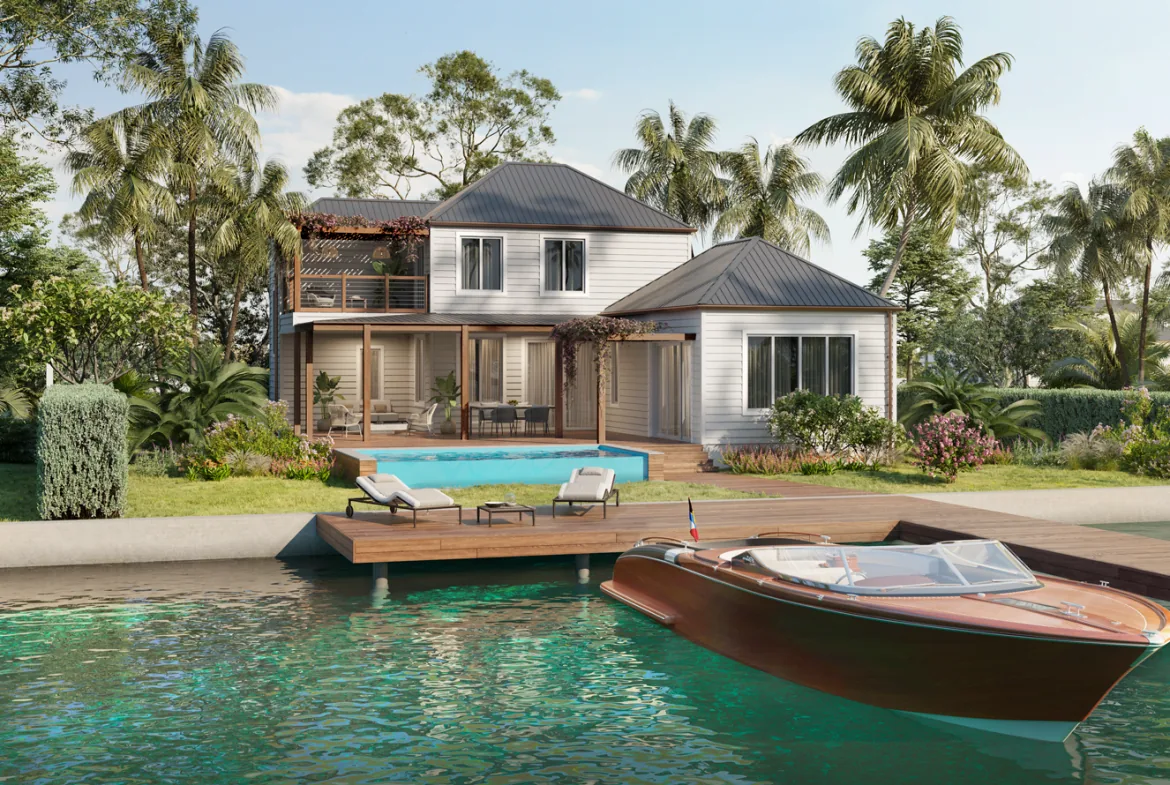
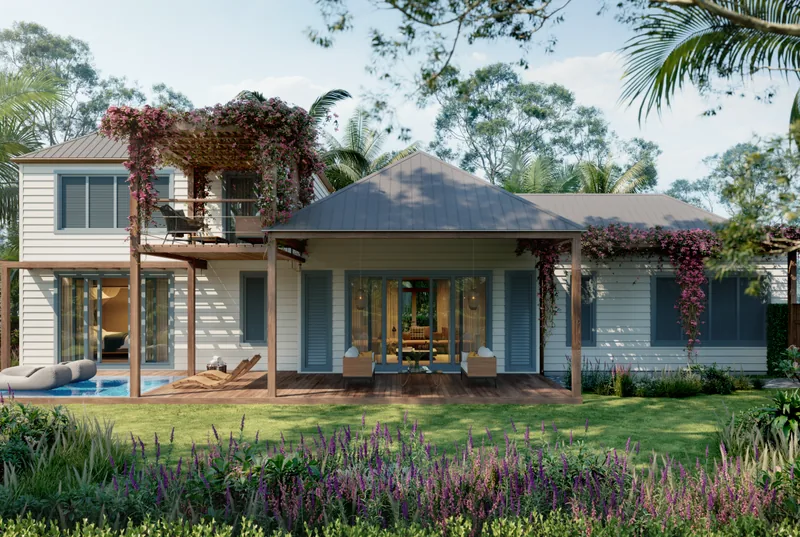
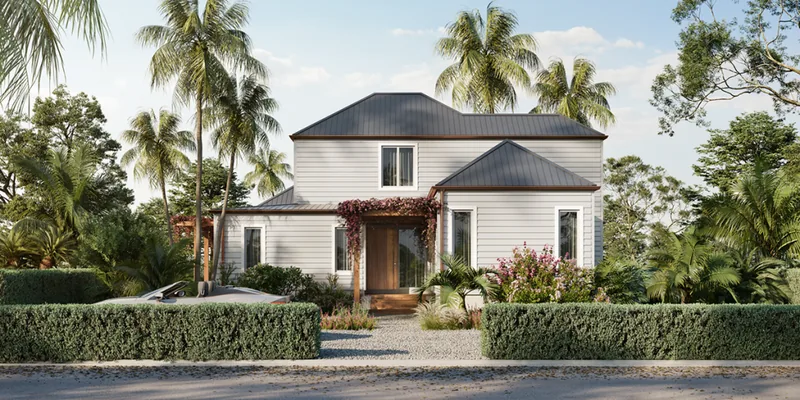
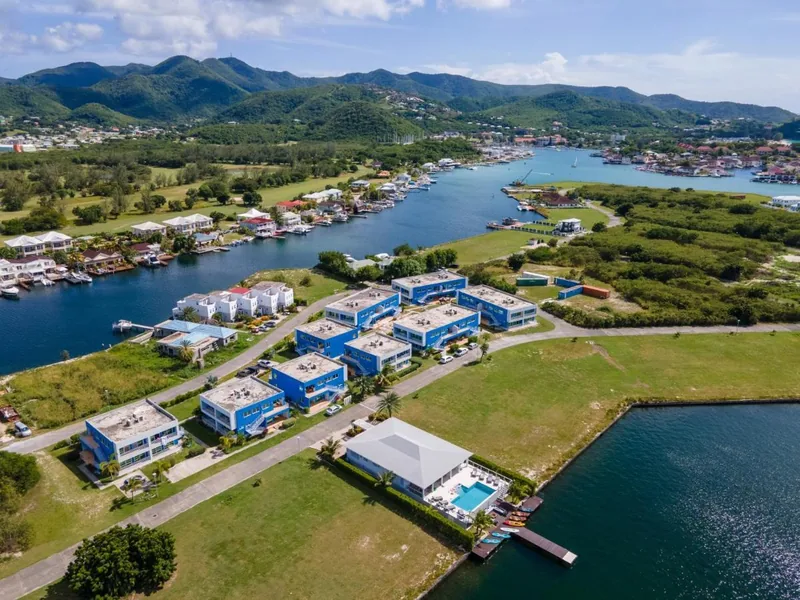
This is a share in a two-bedroom villa at Jolly Harbour, on Antigua's west coast: a defined fraction of the house, a block of weeks each year, and a managed letting arrangement for the weeks you don't take. The scheme is under construction, so the images are developer renderings, not photographs. It suits someone who wants several weeks a year in the Caribbean without running a property from another time zone. I act for you here, not the developer.
What you actually own
A share is sold as an interest in the villa itself, fully furnished and fully managed, rather than as a right-to-use holiday product. The terms that decide what it is worth attach to a specific unit, so get them in writing before a deposit moves:
- The exact fraction, and whether title is a deeded co-ownership interest or shares in a company that owns the villa — the two behave differently on tax, inheritance and resale.
- How many weeks the share carries, and how high season rotates.
- What happens when a co-owner stops paying, and whether the rest of you can be assessed for the shortfall.
- Transfer rules: rights of first refusal, manager approval of your buyer, and the fee charged on a sale.
- Whether the furniture replacement reserve sits inside the service charge or is billed on top.
My general notes on the model are on the fractional ownership page.
What it costs to buy and hold
Buying costs are stamp duty, legal and closing fees, and — for a non-citizen buying outside the citizenship route — an alien landholding licence, usually the largest single line. Purchases made through the citizenship-by-investment real-estate route are generally exempt, so which route you take moves your closing costs materially.
Annually you pay your fraction of the whole villa's running costs: management, insurance, pool and garden, utilities, security and the reserve fund, with your share of property tax on top. I want that budget line by line, and the actual assessment for a comparable villa in the scheme, before you commit. If a developer cannot produce a service-charge budget, that is itself an answer.
This property qualifies for the Antigua & Barbuda Citizenship by Investment program.
More in Antigua & Barbuda.
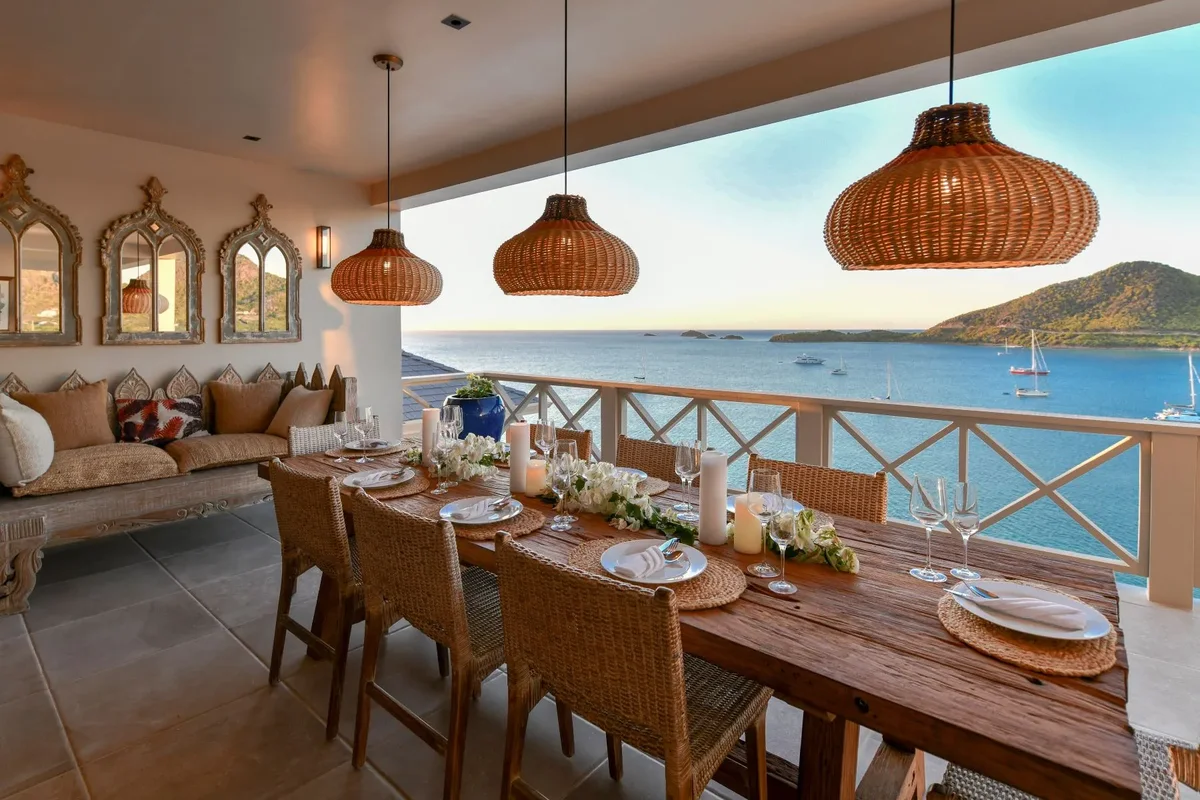
6-Bed Reeds Point Villa with Infinity Pool, Antigua
A completed six-bedroom waterfront villa in the Reeds Point enclave of Jolly Harbour, with a west-facing infinity pool, Ward & Co interiors, and a private staircase to calm, swimmable waters.
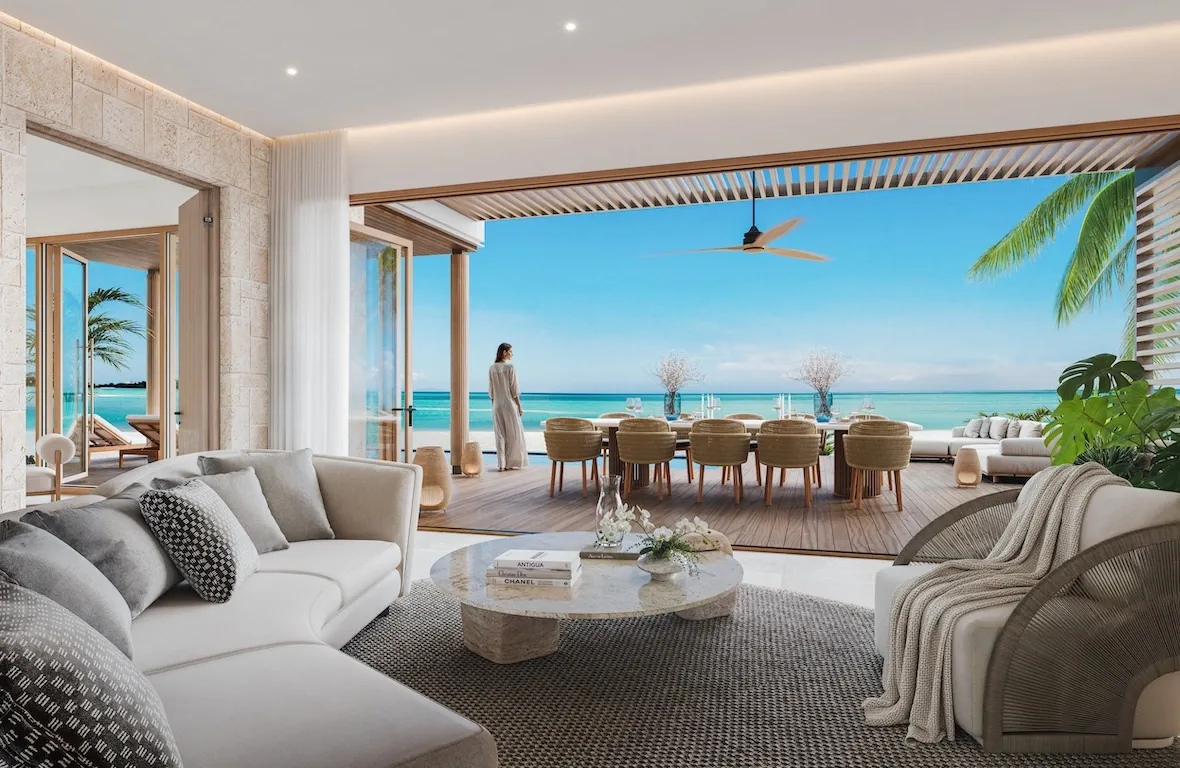
Branded Beachfront Residences in Antigua
A collection of branded beachfront residences and villas at Jolly Harbour, Antigua, from USD $1,200,000.
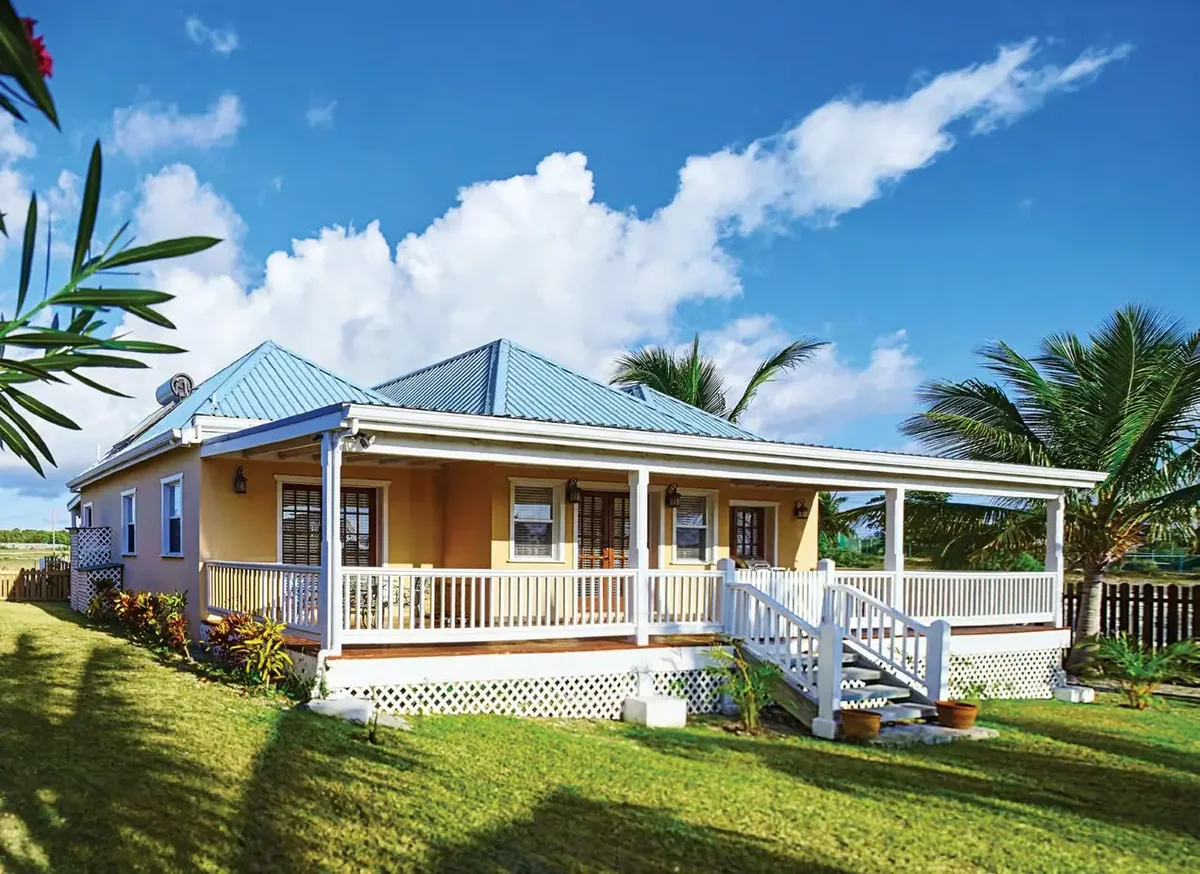
Long Bay Beach Villas, Antigua
Fully furnished two-bedroom villas from US$400,000 within a 25-acre gated community on Antigua's northeast coast at Long Bay Beach.
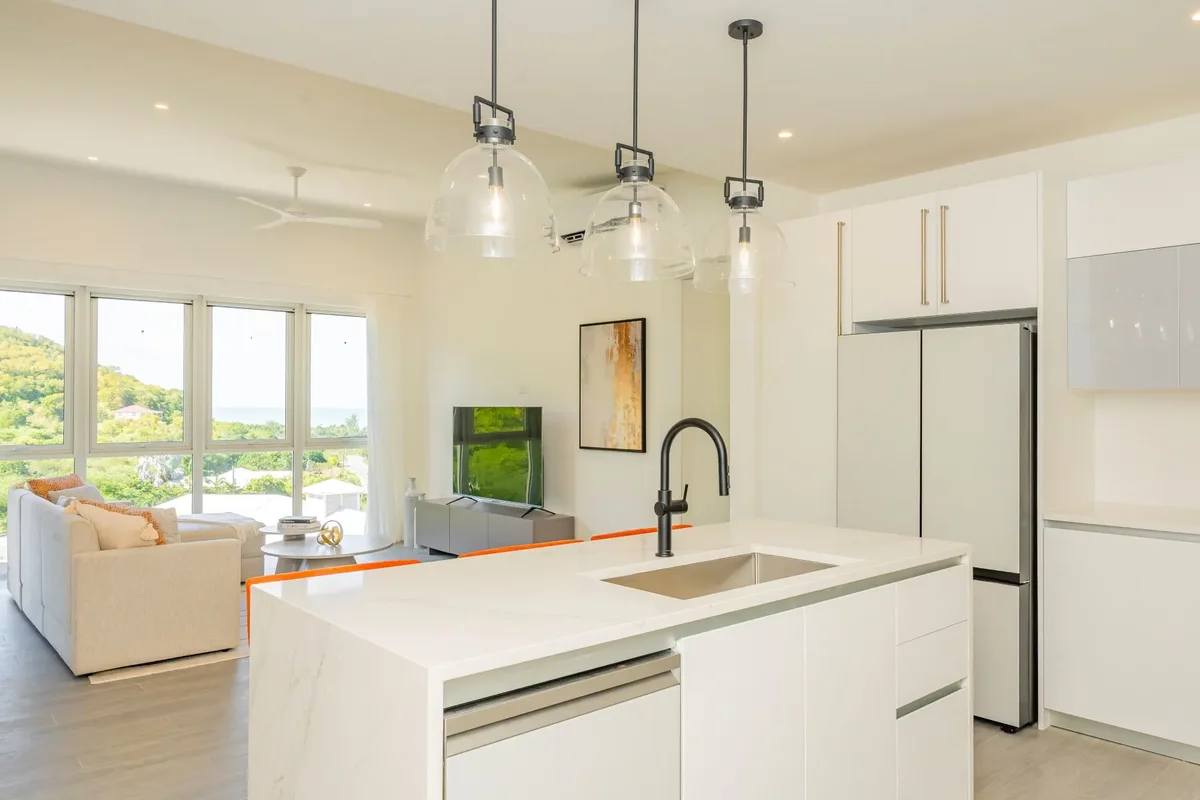
Modern Ocean-View Homes with Antiguan Citizenship
Completed two-bedroom, two-bath freehold residences of 120 square meters in a gated hillside community on Antigua, with west-facing Caribbean Sea…
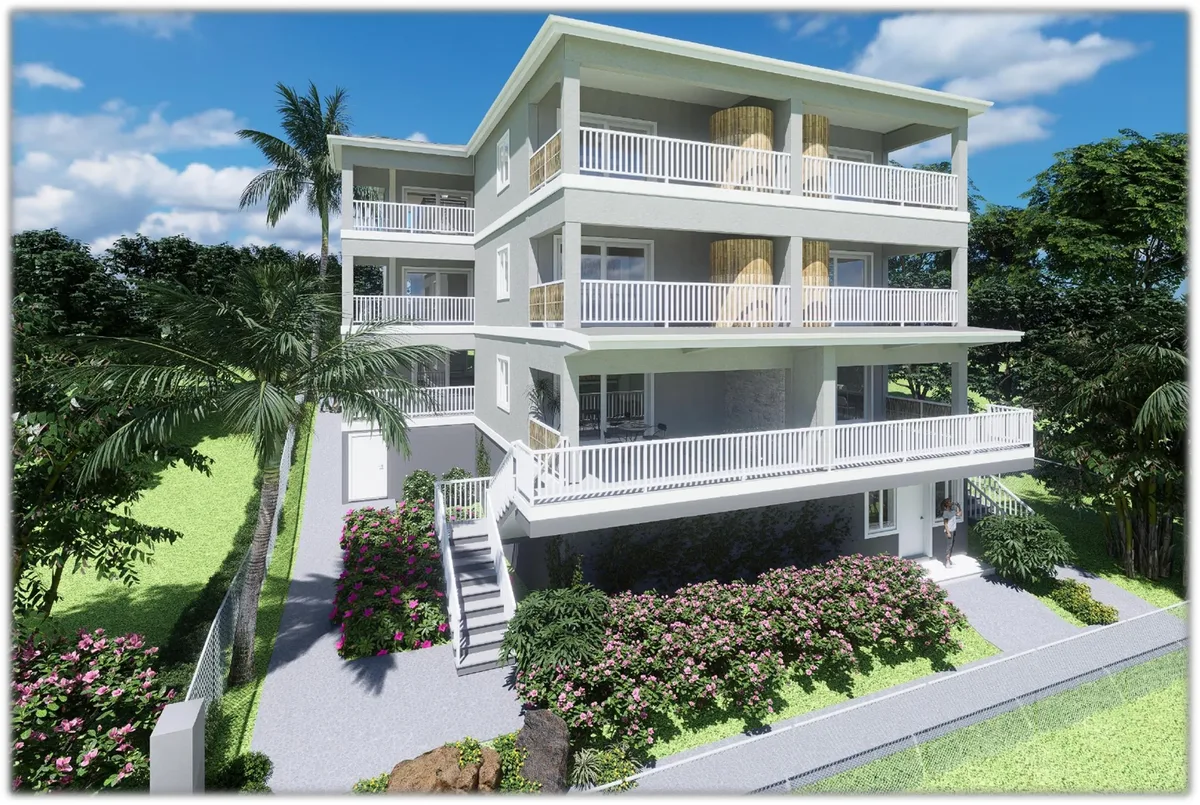
Citizenship-Eligible Gated Community Suite, Antigua
A one-bedroom, one-bath freehold suite of 32 square metres in a gated community near Jolly Harbour, Antigua, offered at US$315,000 with construction in progress.
Hodges Bay Resort & Spa
A completed five-star beachfront resort community on Jabberwock Beach, along Antigua's north coast.
Interested in Harbour Island Villa (Fractional Ownership)?
Book a private call with Dan to explore availability, ownership options and eligibility.
Book a Private CallDan Merriam & Associates acts for the buyer. Our advice is independent, not contingent on any sale, and we hold no brokerage or developer mandate.
Frequently asked questions
What does it cost to hold each year?
You pay your fraction of the whole villa's running costs — management, insurance, pool and garden, utilities, security and the reserve fund — plus your share of property tax. Ask for the operating budget line by line, and check whether the furniture replacement cycle sits inside the service charge or is billed on top when it falls due.
Can I let it out when I'm not using it?
Yes — the weeks you don't take are let through the manager. Before you model any income, establish what comes off the gross before your split: management commission, booking-channel fees, cleaning and linen, card costs, and whether routine maintenance is charged against rental revenue rather than the service charge. Confirm the sales tax applied to short-term accommodation, and remember that the best weeks are the ones you will want for yourself.
Does a US$200,000 share qualify for Antigua and Barbuda citizenship?
Not on its own: the real-estate route requires a minimum US$300,000 investment in an approved project, and approval attaches to specific units rather than to a development in general. Government fees sit on top of the property price — US$10,000 processing for a single applicant or US$20,000 for a family of up to four, plus due diligence from US$8,500 for the main applicant and US$300 per passport. Settle the qualification question in writing with the developer, and where necessary the Citizenship by Investment Unit, before any reservation fee is paid.
What is the catch?
Resale is thinner than for a whole house — fewer buyers understand fractions, lenders rarely finance them, and exit costs in Antigua fall more heavily on the seller. If you buy through the citizenship route the property cannot be resold for five years unless the proceeds go into another officially approved Antiguan property, and you must spend at least five days in the country within the first five years after citizenship is granted. And if you are American, a second passport does not reduce your tax bill: US citizens are taxed on worldwide income regardless of how many other citizenships they hold.