Barbuda Ocean Club
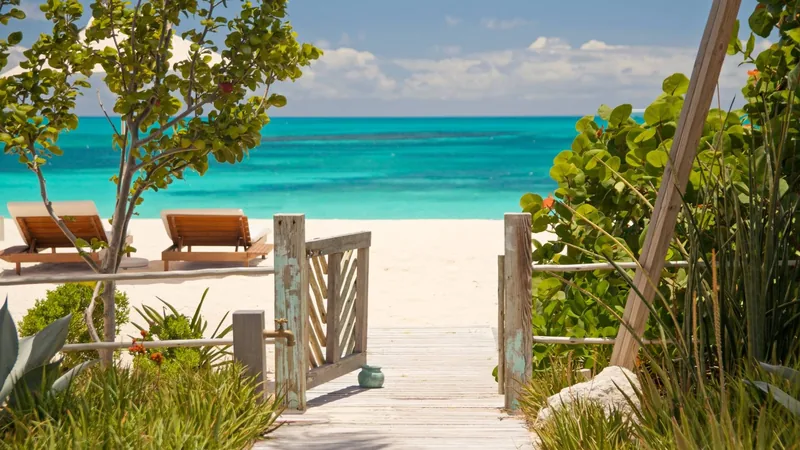
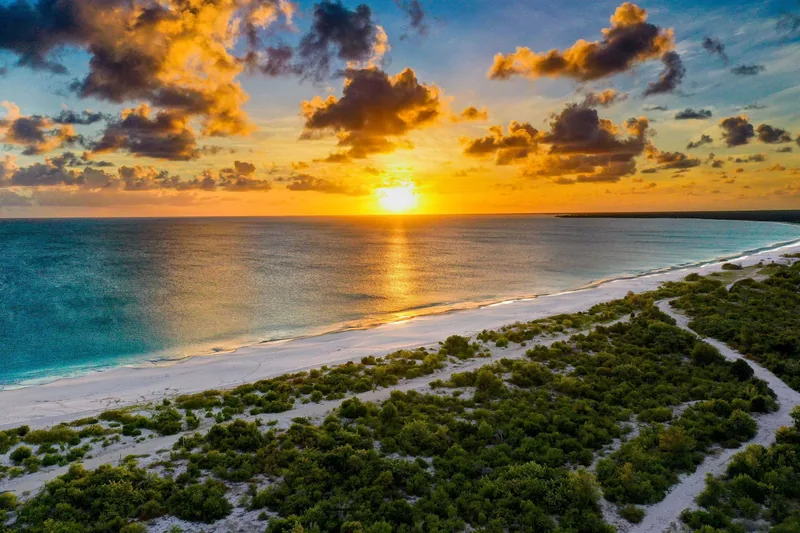
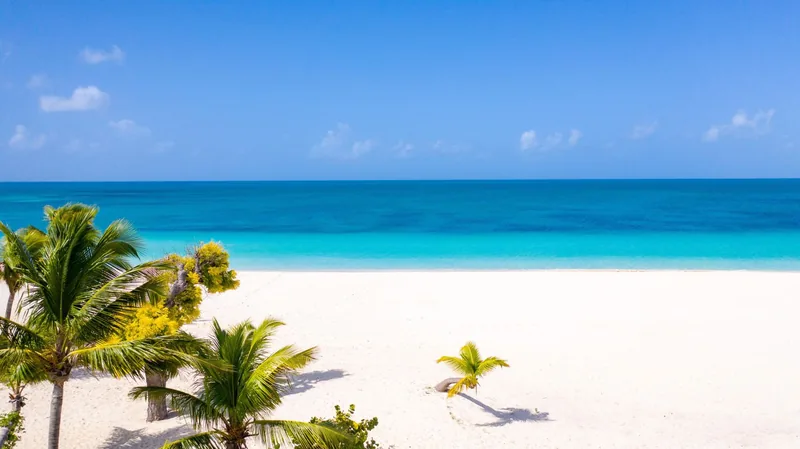
An ultra-private Discovery Land community on 164 acres of Barbuda's pristine coast.
Barbuda Ocean Club is the Caribbean project of Discovery Land Company — the developer behind some of the most sought-after private residential clubs in North America. That pedigree, on one of the last untouched coastlines in the region, is the whole pitch. If you are looking here, you want to know what the Discovery model actually delivers, what it costs to be part of it, and how the frontier reality of Barbuda squares with the polished brand. This is my honest read.
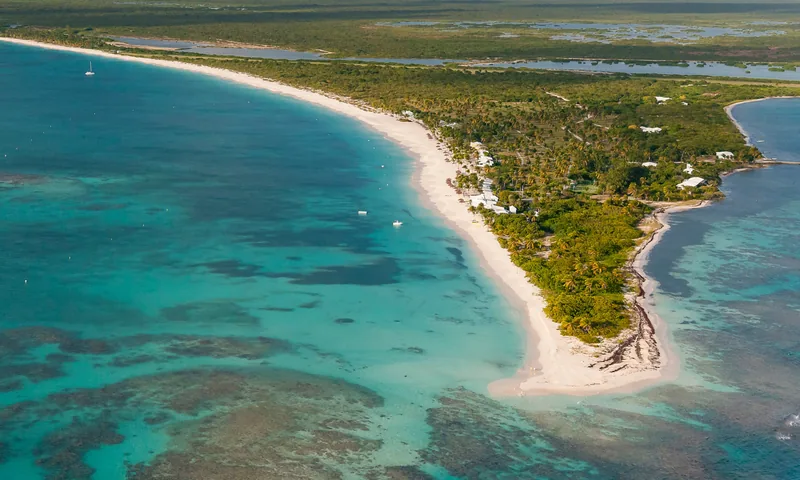
The community sits on 164 acres of Barbuda's coast and comprises fewer than 100 residences, spanning turnkey homes of two to six bedrooms and homesites on lots reported from about half an acre to 1.5 acres. Because Barbuda is part of Antigua & Barbuda, a qualifying purchase can intersect the country's citizenship-by-investment program. It is a top-tier, community-and-lifestyle play on a frontier island — you are buying into the Discovery ecosystem as much as a house.
One point of housekeeping before anything else, because buyers get it wrong constantly: this is a different project from the separate Nobu-branded Beach Club on Barbuda. Same island, same ultra-luxury tier, entirely different developer, community model and economics. If Barbuda is where you want to be, compare the two deliberately rather than treating them as interchangeable.
What the Discovery model actually means
This is the crux, so let me explain it plainly, because it is different from a normal resort purchase.
Discovery Land builds private, members-oriented residential clubs — think a gated community where the amenities (restaurants, comfort stations, outdoor pursuits, kids' programming, concierge and a distinctive service culture) are the product as much as the homes. Owners buy into a lifestyle and a community, typically with a club membership and its associated fees, not just a plot of land. Done well it creates an intensely loyal owner base and a genuinely differentiated experience, and Discovery's North American clubs are proof the model works.
For a buyer that has two implications. The upside is a turnkey, high-service, like-minded community where much is taken care of. The caution is that you are committing to an ecosystem with ongoing membership and running costs, and the value depends heavily on the community reaching critical mass and the service culture being delivered on a remote island. Understand the full cost of belonging — not just the home price — before you commit.
Why Barbuda, and the honest cautions
Barbuda is one of the last genuinely undeveloped coastlines in the Caribbean — a low coral island of empty pink-sand beaches, a tiny population and almost no infrastructure. That scarcity is the appeal: a blank canvas for a trophy private club. But undeveloped carries real, specific risks the brochure will not dwell on, and I would rather you heard them from me first.
- Minimal infrastructure. Services and the surrounding community are limited and still being built out. Confirm what exists today versus what is rendered.
- Land tenure and environmental sensitivity. Barbuda has a distinctive communal land tradition and has been the subject of genuine legal and environmental debate over large-scale development. Understand the tenure and consenting position for any specific parcel, with independent local legal advice.
- Hurricane exposure. Barbuda took a direct hit from Hurricane Irma in 2017. Build standards, insurance and resilience matter more here than almost anywhere.
- Homesite versus turnkey. A homesite is a construction project on a remote island — a very different undertaking from a finished home. Know which one you are taking on.
None of this makes Barbuda Ocean Club a poor buy. It makes it a patient, eyes-open one — underwrite the frontier reality alongside the polished brand.
Citizenship by investment
Barbuda is part of Antigua & Barbuda, which runs one of the region's strongest citizenship-by-investment programs — a contribution route that uniquely covers a family of four, and strong visa-free travel. At Barbuda Ocean Club price points you would be well above the US$300,000 real-estate minimum, so if a passport is a genuine objective, check whether a straight government contribution secures it far more cheaply and lets the property decision stand on its own merits. I set the two routes side by side in donation versus real estate, and the five-program overview covers the wider field.
How it compares
Within Antigua & Barbuda this is the members-club, ultra-private, frontier play: you buy into a community, a service culture and an ongoing membership that happens to include a home. Set it against the trophy Barbuda Beachfront Residences and Rosewood Barbuda on the same island, where what you are buying is a branded house or a substantial piece of land rather than a membership. Over on Antigua the market is a different animal again — established, rentable resort product and marina communities rather than frontier land. The Barbuda market guide and Antigua market guide set the context.
Who it suits
It suits a well-capitalised buyer who genuinely wants the Discovery members-club lifestyle — turnkey, high-service, like-minded community — on one of the Caribbean's last untouched coasts, is comfortable with membership costs and frontier diligence, and takes a long view.
It suits poorly a buyer who wants a standalone home without a club ecosystem, needs established infrastructure now, is uneasy with land-tenure or environmental complexity, or wants a passport for which a contribution would be far cheaper.
Before you commit
The diligence that matters here: the full cost of belonging (home price plus membership and running costs), turnkey versus homesite, the true all-in including remote construction and insurance, the specific parcel's land tenure and consenting position, what infrastructure genuinely exists today, delivery and resilience, and whether the citizenship angle is even the efficient passport route.
That is the independent, on-your-side read I give buyers — and on Barbuda it is essential rather than optional.
Key takeaways
- Discovery Land Company's ultra-private enclave on 164 acres of Barbuda's pristine coast.
- Fewer than 100 residences — turnkey homes (2–6 bed) and homesites (~0.5–1.5 acre lots).
- You buy into a members-club community and lifestyle, with membership and running costs — not just a home.
- Frontier risks are real: minimal infrastructure, land-tenure and environmental sensitivity, hurricane exposure, remote construction.
- Part of the Antigua & Barbuda CBI program, but at these prices a government contribution is usually the cheaper passport route.
- Distinct from the separate Nobu Beach Club on Barbuda — compare the community models directly.
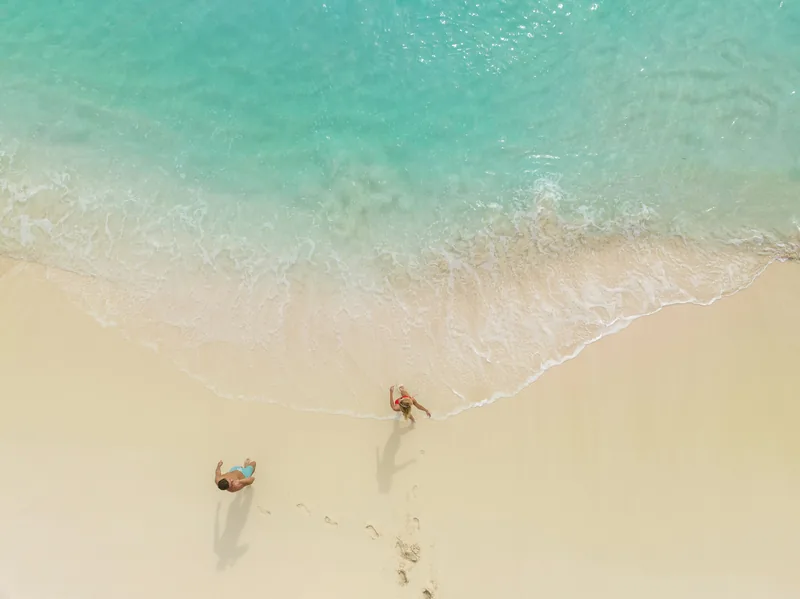
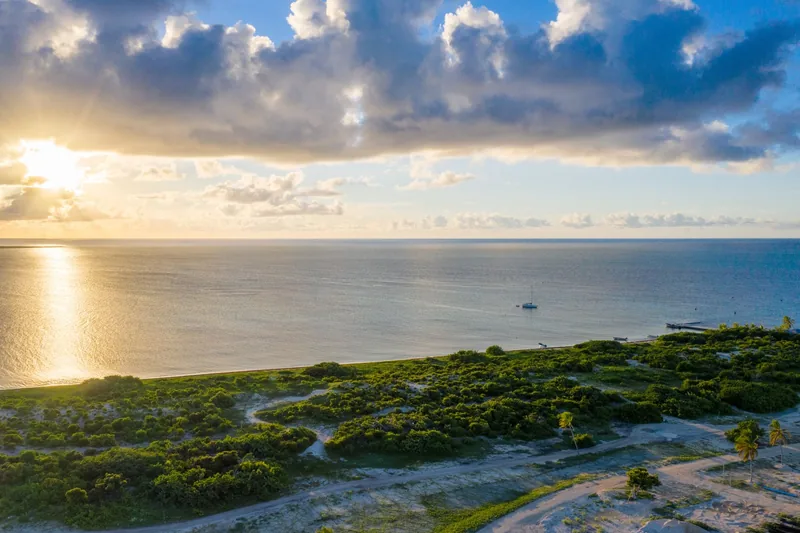
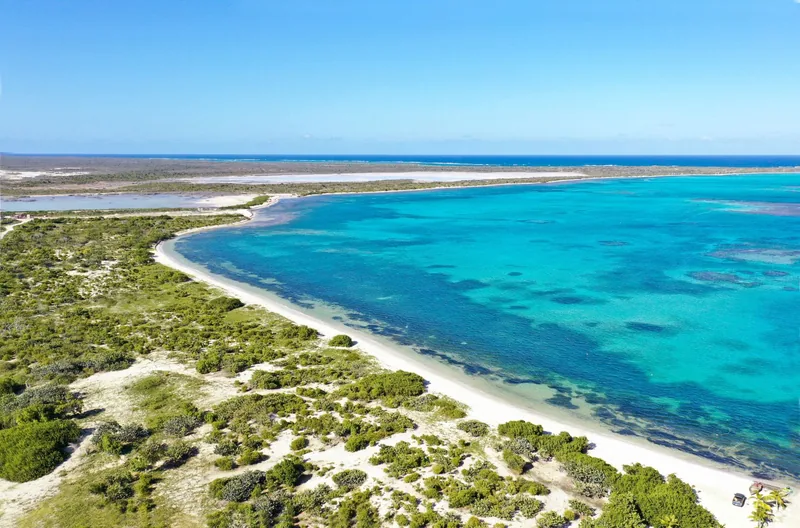
Barbuda Ocean Club is Discovery Land Company's private club community on Barbuda — the flat, low, largely empty sister island north of Antigua, and a genuinely different place from the one your flight lands on. It sits in two pieces on the south of the island. Coco Point occupies 164 acres along a two-mile arc of beach, on the ground where Coco Point Lodge stood until Hurricane Irma took it in 2017. Palmetto Point, further west, is the bigger half: over 800 acres, seven miles of beachfront and the 18-hole Tom Fazio course. Discovery describes the combined holding as over 900 acres. The club opened in 2023.
Here is the thing buyers get wrong, and it is not a small thing. People arrive assuming this is a Caribbean resort-residence purchase of the familiar kind — buy the freehold, put it on the resort's rental program, collect an Antigua and Barbuda passport on the way through. As far as I can establish, none of those three things is true here. Land tenure on Barbuda is a live legal question that the Privy Council, Parliament and an ongoing land adjudication are still working through. It is a members-only club, not a rental pool. And no Barbuda project appears on the Citizenship by Investment Unit's published list of approved developments. That does not make Barbuda Ocean Club a bad buy — for the right buyer it is an exceptional one — but it makes it a different buy from the one most people think they are making, and I would rather you knew that on the first phone call than the fourth.
What you are actually buying at Barbuda Ocean Club
Every Discovery Land community works the same way, and Barbuda Ocean Club is no exception: the club is private, and the only route in is to own a home inside it. Mike Meldman has been explicit about it — in order to be a member, you have to be a property owner. So when you price a house here, you are not really pricing a house. You are pricing admission to a club, and the house is the receipt.
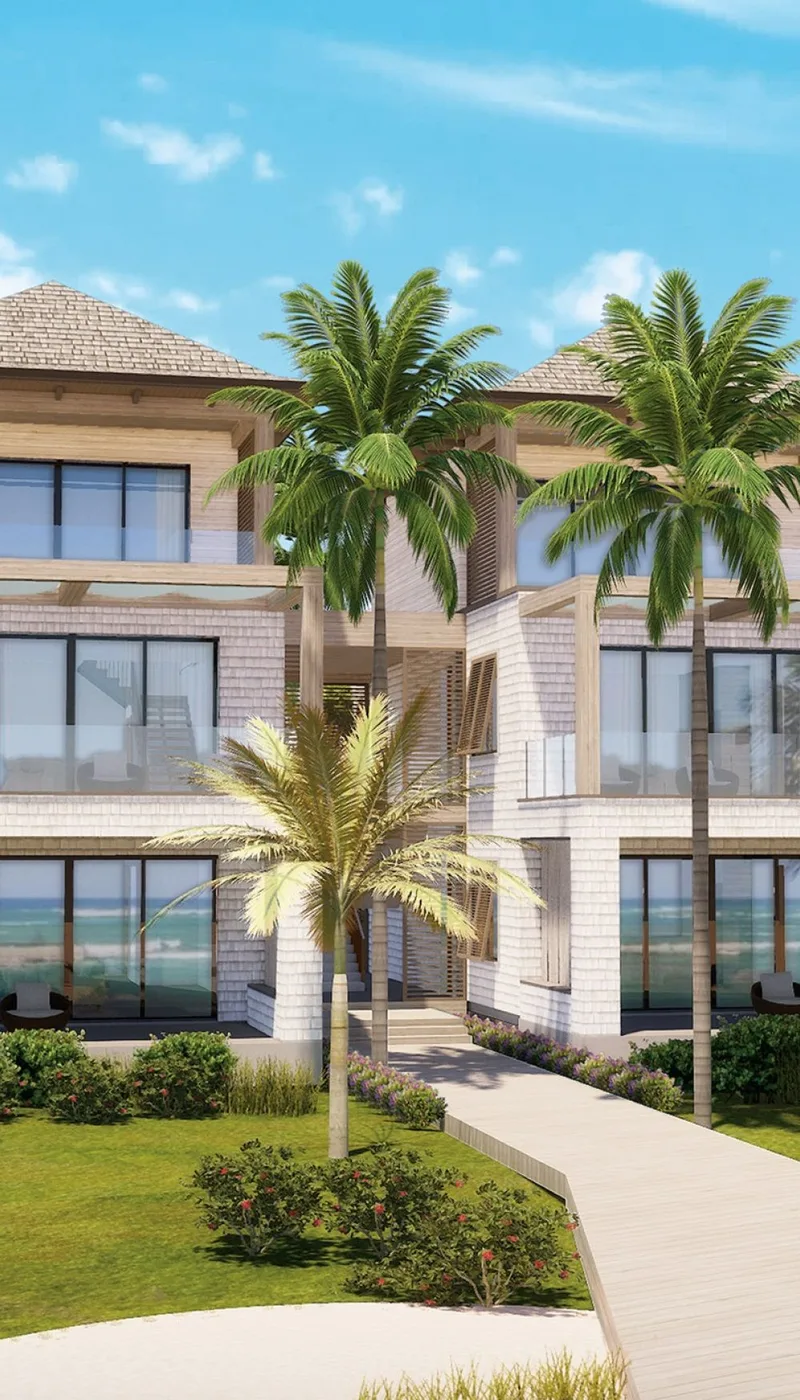
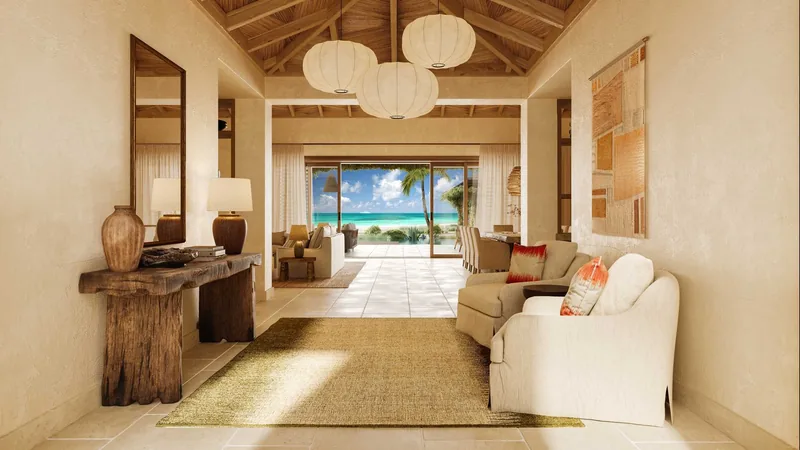
The physical product is straightforward enough. The developer's own figure for Coco Point is fewer than 100 residences across those 164 acres. Developer-designed plans run 3,500 to 7,500 square feet with three to seven bedrooms; the original Coco Point release was marketed as lots of roughly half an acre to an acre and a half, with 80 to 125 feet of frontage. Beyond that come custom homesites, turnkey casitas, waterfront cottages, golf villas and beachfront estates, plus the Fazio course, beach clubs and Discovery's Outdoor Pursuits program.
The land underneath is the part that matters. Barbuda has never worked like Antigua. Land there was held in common by Barbudans, and that arrangement was codified in the Barbuda Land Act 2007 before being amended in 2016 and 2017 to unwind it. In June 2022 the Privy Council ruled against Barbudan communal proprietary rights, treating the land as the Crown's with Barbudans as custodians or tenants rather than owners. In 2023 Parliament passed a Registered Land (Amendment) Bill bringing Barbuda land into the Registered Land Act framework and creating a route for Barbudans to register a claim. The formal adjudication of who holds what followed: the Order of intention was published in Gazette No 43 dated 4 October 2023, Sir Clare Roberts was gazetted as Adjudication Officer in Gazette No 47 dated 22 August 2024, and claims began to be taken from 28 August 2024. It is still running.
Underneath the development itself is a 99-year government lease to PLH — Peace, Love and Happiness, the John Paul DeJoria-backed entity behind the project — reported at US$150,000 a year across roughly 800 acres. In 2020 the project's own president told The Intercept the residences were being leased, not sold. I represent buyers, not developers, so I will put this plainly: do not accept a verbal answer. Ask for the instrument, the unexpired term, what happens at expiry, whether it is registered, and whether it is assignable without the developer's consent. If your lawyer cannot show you a registered title or a registered lease with a stated remaining term, you do not yet have the thing you think you are buying.
The honest carrying costs, and why they arrive late
Discovery does not publish prices, initiation fees or annual dues for Barbuda. That is house style rather than evasion — it is how the company operates everywhere — but the practical effect is that the full carrying-cost picture reaches you deep into a sales process, which is the worst possible moment to be surprised. Across the Discovery portfolio, Forbes reported homes costing anywhere from US$3 million to US$50 million. That tells you the shape of the market, not the price of any particular lot at Coco Point.
The transaction costs in Antigua and Barbuda, by contrast, are knowable in advance:
- Stamp duty on a conveyance runs 2.5% to the buyer and 7.5% to the seller.
- Non-Citizen Land Holding Licence. Foreign buyers need one, and one local firm puts the wait at around three months. The fee is quoted at 5% of the property value by some sources and 7% by others — on a seven-figure purchase that spread is real money, so get it confirmed in writing before you budget, and confirm specifically whether a leasehold interest on Barbuda triggers it at all.
- Legal fees of roughly 1% to 2% of the transaction.
- Annual property tax in Antigua and Barbuda typically falls between 0.1% and 0.5% of assessed value.
- Insurance. I have seen no reliable published benchmark for hurricane and earthquake cover on Barbuda, so get a live quote before you commit rather than a rule of thumb. On a low, flat, exposed island where Irma destroyed 90 per cent of the structures in 2017, this is not the line to economise on.
Then come the numbers nobody publishes: club initiation, annual dues, community assessments, and the cost of actually building on a remote island where materials and trades route through Antigua. Ask, in writing and early, for the dues schedule, the assessment history, whether dues are capped or index-linked, whether a homesite carries a construction deadline, and what design review involves. A build-by covenant with a penalty attached is a cost, even though it never appears on a cost sheet.
Rental and usage: this is not an income property
Barbuda Ocean Club is members-only. Its own marketing addresses member families and private residences; I can find no public room inventory and no way to book a stay to have a look around, which is worth knowing before you plan a scouting trip. That exclusivity is the product — it is the reason the beaches stay empty and the reason people pay what they pay.
It also has a direct financial consequence. There is no resort rental machine to hand your keys to. A members-only club with no public inventory is structurally the opposite of a yield play, and I would treat any rental income in your model as zero until someone shows you the covenant that permits otherwise. Get it from the documents, not from a salesperson. If short-let income is part of why you are buying, that single clause should probably decide which project you choose.
What you do get is the Discovery operating model, which is genuinely good at what it does: the Outdoor Pursuits program, beach clubs, and the signature comfort stations on the golf course — the Frigate Bar sits on the beach between holes 9 and 10. It is designed for owners who use their homes with family for weeks at a time, not for owners who visit twice a year and rent the rest. Buy it on that basis or don't buy it.
Barbuda Ocean Club versus The Beach Club and Nobu
The obvious alternative is on the same island. The Beach Club, Barbuda occupies 400 acres and two miles of beach on Barbuda's southwest shore, founded by Robert De Niro, James Packer and Daniel Shamoon. Its Nobu Beach Inn — 17 individual villas holding 36 bedrooms, with a beach club, oceanfront pool, spa, two tennis courts and two padel courts — is due for completion in late 2026. Nobu itself has had a restaurant on Princess Diana Beach since 2020.
The useful contrast is that The Beach Club publishes numbers and Barbuda Ocean Club does not. Its 25 Nobu Beach Inn Residences are 5,000 to 6,000 square feet, four or five bedrooms, on one-acre beachfront sites, from US$12 million, with an optional rental program run by the resort. Its 23 Beach Club Villa lots are one acre each with 150 feet of beach frontage, from US$7 million. Seven Beach Club Estate parcels run six acres with up to 480 feet of shoreline, from US$15 million.
So the choice is reasonably clean. Barbuda Ocean Club offers scale, championship golf, a mature club operating culture and a much larger amenity footprint — and asks you to buy on private terms with no published pricing and no rental route. The Beach Club is smaller, hotel-anchored, brand-led, priced in public, and gives you an income option. Both sit on the same island, under the same tenure question, exposed to the same weather and the same legal history. The difference is liquidity and income, not geography.
The risks I would raise before you sign anything
Citizenship does not come with the house. Antigua and Barbuda runs a real citizenship by investment program, but it works through a published list of approved developments. When I checked that list in August 2026 it ran to 29 projects, every one of them on Antigua — Jolly Harbour, Willoughby Bay, St Mary's and so on. No Barbuda project appeared. The real-estate route requires a minimum US$300,000 in an approved project held for five years; the alternatives are US$230,000 to the National Development Fund or US$260,000 to the University of the West Indies fund, plus government processing fees of US$10,000 for a single applicant and US$20,000 for a family of up to four, and five days spent in the country within the first five years. The passport carried 154 visa-free destinations on the Henley 2026 index. If you want the house and the citizenship, plan on two separate transactions. And if you are a US citizen or green card holder, understand that a second passport changes nothing about your tax position — the United States taxes its citizens on worldwide income wherever they live, and renouncing is the only exit.
Live litigation and a Ramsar wetland. Roughly 700 of the project's approximately 800 acres sit inside Codrington Lagoon National Park, a wetland of international importance under the Ramsar Convention since 2005. The Global Legal Action Network filed a Ramsar complaint in December 2020 and a fuller submission in March 2022. Two Barbudans, John Mussington and Jackie Frank, won a Privy Council ruling in February 2024 granting them standing to challenge the environmental legality of the island's new airport — the first Caribbean judgment to apply the Escazú Agreement — and their full High Court hearing took place on 1 June 2026. The Barbuda Council has also publicly opposed land clearing at Katel Hill. None of that invalidates a properly registered interest. All of it bears on permitting timelines, build-out certainty and how you feel about the story attached to your address.
Build-out is not settled. Published figures do not agree. The lease scope has been reported as a 150-room hotel and 450 residential units, while the developer's own Coco Point figure is fewer than 100 residences. Ask for the current approved master plan and the phasing, because the difference between a 100-home enclave and a several-hundred-unit resort is the difference between two entirely different products.
Exit liquidity. This is a members-only club on a small island with a very narrow buyer pool. Your eventual purchaser has to want that specific life, accept the same tenure, and pass the same club process. Price your exit assumptions conservatively, and ask what the club's transfer rules and resale restrictions actually say.
Operator dependency and weather. The value here is inseparable from Discovery continuing to run it to the standard that justifies the price, and from an island that Irma flattened in 2017. Neither is a reason to walk away. Both are reasons to read the documents properly, insure honestly, and buy for use rather than for return. If you want more on the island itself before you get that far, I have written about what Barbuda is actually like separately.
Frequently asked questions
Do you actually own the land at Barbuda Ocean Club, or is it a long lease?
Settle this with documents, not conversation. Barbuda has never had ordinary freehold. Land was held communally by Barbudans, codified in the Barbuda Land Act 2007 and then amended in 2016 and 2017 to unwind that. In June 2022 the Privy Council ruled against Barbudan communal proprietary rights, treating the land as the Crown's with Barbudans as custodians rather than owners. In 2023 Parliament passed a Registered Land (Amendment) Bill bringing Barbuda into the Registered Land Act framework, and the adjudication that followed began with an Order gazetted on 4 October 2023, an Adjudication Officer gazetted on 22 August 2024, and claims taken from 28 August 2024. It is still running. The development itself sits under a 99-year government lease to PLH, reported at US$150,000 a year. In 2020 the project's own president told The Intercept the residences were being leased, not sold. Ask for the instrument, the unexpired term, the position at expiry, and whether it is registered and assignable. I would not let a client sign without those four answers in writing.
Does buying at Barbuda Ocean Club qualify me for Antigua and Barbuda citizenship?
Not on the evidence available. The Citizenship by Investment Unit publishes its list of approved development projects, and when I checked it in August 2026 it listed 29 developments, all of them on Antigua. No Barbuda project was on it. The real-estate route requires at least US$300,000 in an approved project, held for five years, with government processing fees of US$10,000 for a single applicant and US$20,000 for a family of up to four, and five days in the country within the first five years. The alternatives are US$230,000 to the National Development Fund or US$260,000 to the UWI fund. The passport carried 154 visa-free destinations on the Henley 2026 index. Treat the house and the citizenship as two separate transactions. If you are American, note that a second passport does not change your tax position: the United States taxes its citizens on worldwide income regardless of where they live, and renunciation is the only way out of that.
What does a home at Barbuda Ocean Club cost?
Discovery does not publish prices for Barbuda and I will not guess at one. Across the Discovery portfolio, Forbes reported homes costing anywhere from US$3 million to US$50 million, which describes the market rather than any particular lot. What is published for Barbuda is the product: developer-designed plans of 3,500 to 7,500 square feet with three to seven bedrooms, and an original Coco Point release marketed as lots of roughly half an acre to an acre and a half with 80 to 125 feet of frontage. For a published benchmark on the same island, The Beach Club lists villa lots from US$7 million, turnkey Nobu residences from US$12 million and six-acre estate parcels from US$15 million.
Can I rent my Barbuda Ocean Club home out when I am not there?
Assume not until the documents say otherwise. The club is members-only, with no public room inventory I could find, so there is no resort rental program to place your home into. Ask for the rental and use covenants in the actual purchase documents before you underwrite a single night of income. By contrast, the Nobu residences at The Beach Club are explicitly sold with an optional rental program run by the resort. If income is part of your reason for buying, that difference should drive the decision rather than the finishes.
What are the real closing and annual costs of buying on Barbuda?
On the purchase side: stamp duty of 2.5% to the buyer and 7.5% to the seller; a Non-Citizen Land Holding Licence for foreign buyers, quoted at 5% of value by some sources and 7% by others, with one local firm putting the wait at around three months; and legal fees of roughly 1% to 2%. Annually: property tax typically between 0.1% and 0.5% of assessed value, plus hurricane and earthquake insurance, which you should price with a live quote rather than a percentage rule of thumb. On top of all that sit club initiation, annual dues and community assessments, none of which Barbuda Ocean Club publishes. Get those three in writing before you are emotionally committed, not after.
How do you actually get to Barbuda Ocean Club?
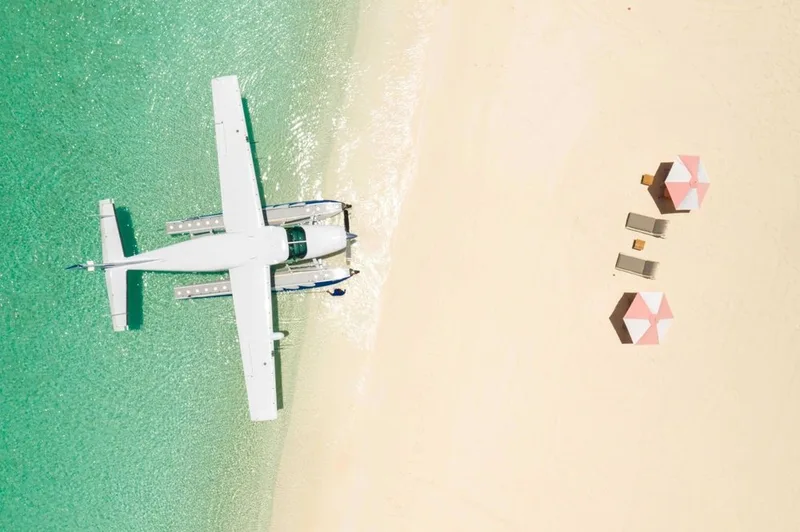
Considerably better than it used to be. Burton-Nibbs International Airport opened on Barbuda on 3 October 2024 with a 6,100-foot runway, replacing the 1,640-foot strip at Codrington, and it handled 99 flights in its first two months. It has a fixed base operator terminal operated by PLH, the developer entity behind Barbuda Ocean Club, which tells you something about who the airport was built for. From Antigua the Barbuda Express ferry takes about an hour and a half. Helicopter transfers are available; I have not found a published flight time I would stand behind. Worth knowing that the new airport is itself the subject of live litigation over its environmental approvals.
Should the legal and environmental controversy on Barbuda worry me as a buyer?
Yes, in a measured way, and you should hear it from your adviser rather than from a headline after you have signed. Around 700 of the project's roughly 800 acres lie within Codrington Lagoon National Park, a Ramsar wetland of international importance designated in 2005. The Global Legal Action Network filed a Ramsar complaint in December 2020 and a fuller submission in March 2022. John Mussington and Jackie Frank won a Privy Council ruling in February 2024 granting them standing to challenge the airport's environmental legality, the first Caribbean judgment to apply the Escazu Agreement, and their full High Court hearing took place on 1 June 2026. The Barbuda Council has also publicly opposed land clearing at Katel Hill. None of this voids a properly registered interest, but it is relevant to permitting, to build-out certainty, and to whether you are comfortable with the wider story.
Dan advises buyers independently across this community — on which product, ownership structure and price actually fit your goals.
Book a Private Call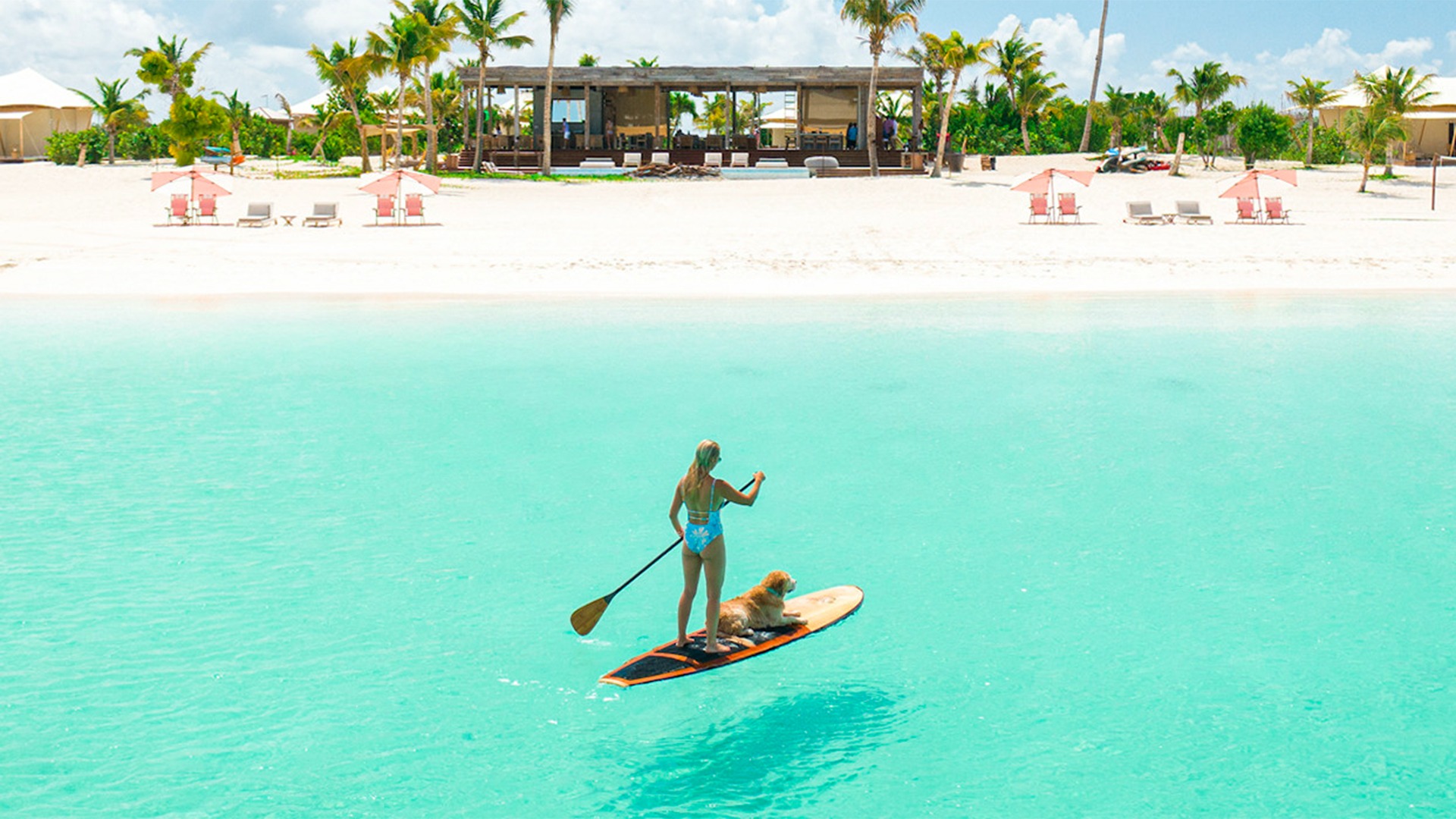
2 listings at Barbuda Ocean Club.
Barbuda Ocean Club — Coco Point Casitas
Casitas on Gravenor's Bay inside Discovery Land Company's 900-acre private club community spanning Coco Point and Palmetto Point — three- and…
Barbuda Beach Residences
Residences at a celebrity-backed branded beach resort on one of Barbuda's legendary pink-sand beaches — barefoot five-star living, held quietly…
Explore Barbuda Ocean Club with Dan.
Book a private call to see current availability, ownership structure and pricing.
Book a Private CallDan Merriam & Associates acts for the buyer. Our advice is independent, not contingent on any sale, and we hold no brokerage or developer mandate.