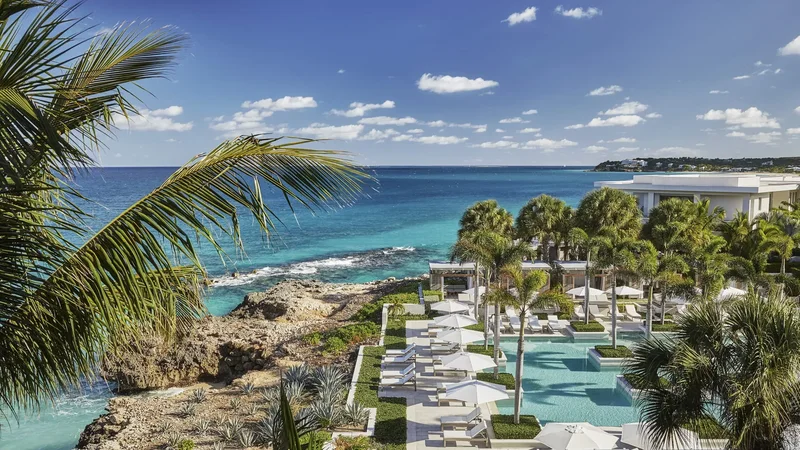
Anguilla does not advertise itself, which is much of the appeal. A low-lying coral island a short hop north of St. Maarten, it is a British Overseas Territory with no high-rise hotels, no casinos and no cruise terminal — just a run of white-sand bays, led by Meads Bay and Cove Bay, that is arguably the finest in the region. Development is deliberately sparse, and the island intends to keep it that way.
It is also genuinely tax-neutral: no personal income tax, no capital-gains tax and no inheritance tax, funded through duties and fees instead. That describes Anguilla's system and not an American family's global position — US citizens are taxed on worldwide income wherever they live, which is why the flat-tax section below matters more here than the zeros do. A British legal framework sits over the whole arrangement.
Dan places Anguilla in the same tax-neutral tier as the Cayman Islands and The Bahamas, but it plays a different role. Cayman is the institutional choice, with the region's deepest financial-services bench; The Bahamas trades on scale and proximity to Florida. Anguilla is the discretion play — the island for families who made their money conspicuously and would prefer to enjoy it quietly.
The real-estate route — starting at US $750,000
Anguilla's residence-by-investment program offers two ways in, and the real-estate route is where most conversations begin. It starts at US $750,000 — a qualifying purchase of approved property at or above that level, which is where the island's villa market trades. The figure buys an asset rather than a receipt: the family owns the villa, uses it and lets beachfront scarcity do the work of holding value.
The purchase itself must qualify, so Dan runs the search against the program's requirements from the first viewing. The application is document-driven rather than adversarial — due diligence on identity and source of funds through the territory's residency unit, qualifying dependents included, physical-presence expectations modest — and the file is prepared with the care of a private-banking onboarding, because that is effectively what it is.
The contribution route
The second way in asks for capital rather than property — a one-time contribution to the territory's development fund at the current published figure, rising with family size. It is the simpler instrument — the money is spent rather than invested, and what it buys is the residence right alone. The exact level is confirmed during your consultation, as government policy and family size move the figure.
Both routes lead to the same place — the right to reside in Anguilla indefinitely. Neither hands you a passport: residency is a right to live, not a travel document, which is why many of Dan's clients pair it with a Caribbean second citizenship, most often St. Kitts & Nevis, and let each instrument do its own job. The contribution route suits families who want that standing settled before committing to a property.
The High-Value Resident program, in detail
For families who want Anguilla to be their tax home rather than simply an address, the territory operates a separate High-Value Resident program. The terms are three: a flat annual tax of US $75,000, a qualifying property of US $400,000 or more, and a minimum presence requirement of 45 days a year on the island. Because Anguilla levies no income, capital-gains, wealth or inheritance tax, nothing is ever computed against earnings — the flat fee is the entire predictable cost of tax residency in a British Overseas Territory.
The property requirement is built to share the load: a purchase at the residence-by-investment level clears the US $400,000 mark comfortably, so the same villa can carry both arrangements. The harder work sits off-island — a clean exit from your current tax system, where days, ties and timing decide whether the new residence actually holds. Dan runs both sides alongside island counsel and your home-country advisors.
The arithmetic rewards substantial, mobile income — the higher it runs, the harder a fixed fee is to argue with; where earnings are modest or anchored to one country, the fee can cost more than it saves, and Dan says so early. US citizens, taxed on worldwide income wherever they live, get the flat tax's full effect only alongside the far larger step of renouncing US citizenship. The full mechanics — and the regional comparison — sit in Dan's flat-tax deep-dive.
Getting there — and why the extra leg helps
There is no long-haul runway on Anguilla, and that is not an oversight. Most families fly into St. Maarten's international hub and cross the channel by ferry or a short connecting flight; private aviation lands on the island directly. The crossing is brief, scenic and mildly inconvenient — and that mild inconvenience is the island's velvet rope.
Dan tells clients to treat the transfer as the moment the trip changes pace. The same friction that rules out cruise crowds and day-trippers is what keeps Meads Bay quiet in high season. The cost is measured in minutes; what it buys is first-rank beaches with almost nobody on them.
Who Anguilla suits — and who it does not
Anguilla suits principals for whom privacy is the luxury: families consolidating around a tax-neutral base, founders between ventures, and American buyers weighing the far larger step of renouncing U.S. citizenship, for whom a settled, tax-neutral home matters more than a glamorous one. It also suits buyers who simply want the region's best beach in front of the house and feel no absence where the nightlife should be.
It is the wrong island for anyone who needs deep on-island private-banking infrastructure or a nonstop long-haul flight home each week. The Cayman Islands answer those needs better; The Bahamas puts you under an hour from Florida. Dan's practice is to say so plainly — these jurisdictions are complements, not rivals, and for some families the right answer is two of them.
The property market, briefly
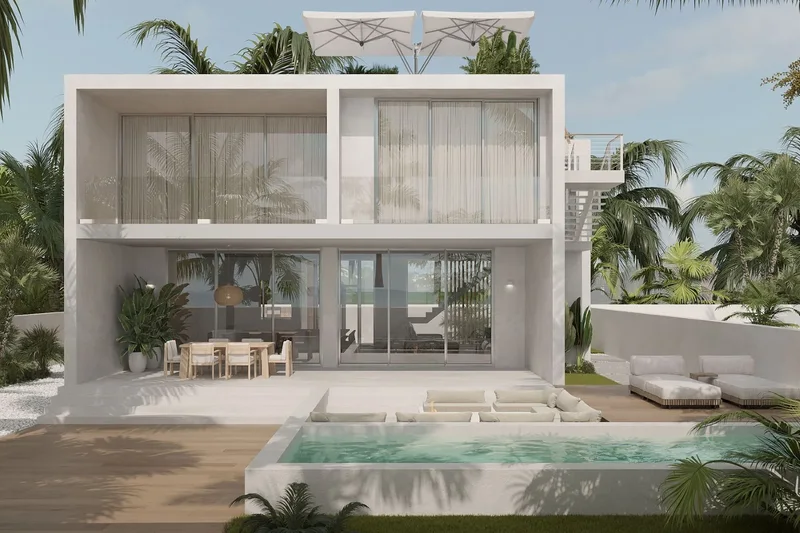
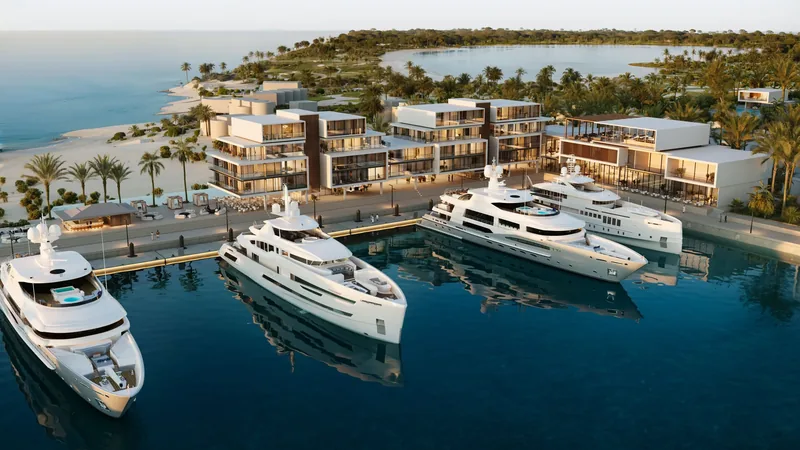
The villa market is thin by design — limited inventory, low turnover and pricing set by beachfront scarcity rather than volume. Branded product is led by the Four Seasons estate on the island's west end; boutique villas cluster near Cove Bay; and newer residences are emerging around the island's harbours. A selection of current Anguilla listings appears below.
How Dan approaches Anguilla
Dan's role is to hold the whole thread: the property search and negotiation through his Sotheby's International Realty affiliation, the residency or High-Value Resident application alongside island counsel, and the cross-border structure that determines what the move is worth after tax. He has been a client himself — he acquired his own second citizenship in 2022 — and he runs files the way he wanted his own run.
If Anguilla is on your shortlist, or should be, the first step is a private call to test it against Cayman, The Bahamas and the flat-tax route — quietly, and with numbers.
Key advantages
- No income, capital-gains or inheritance tax — standing policy, not a scheme
- British Overseas Territory legal framework and stability
- Approved real estate from US $750,000 or a development-fund contribution
- High-Value Resident flat tax of US $75,000 per year with a US $400,000 qualifying property
- Low-density, ultra-private luxury at Meads Bay, Cove Bay and the west end
- An arrival pattern that quietly filters the crowds
Figures are indicative and change with government policy and family size — exact costs are confirmed during your consultation.
Frequently asked questions
Who is Anguilla best for?
Families and principals who want a tax-neutral base with genuine privacy — and who do not need a second passport from the same move. Many of Dan's Anguilla clients pair the island's residency with a Caribbean second citizenship held alongside it.
Does Anguilla residency give me a passport?
No — this is a residency route, not citizenship. Anguilla is a British Overseas Territory, and residency confers the right to live there rather than a travel document. It pairs powerfully with a Caribbean second citizenship.
How much does Anguilla residency by investment cost?
The real-estate route starts at US $750,000 of approved property. The contribution route is a one-time, low-six-figure donation to the territory's development fund; the exact level depends on government policy and family size and is confirmed during consultation.
How is the High-Value Resident program different from residency by investment?
Residency by investment secures the right to live in Anguilla — through approved real estate starting at US $750,000, or a contribution to the territory's development fund. The High-Value Resident program anchors tax residency itself: a flat annual tax of US $75,000 with a qualifying property of US $400,000 or more — the full mechanics are in Dan's flat-tax deep-dive.
How do I actually get to Anguilla?
Most families fly into St. Maarten's international hub and cross by ferry or a short connecting flight; private aviation can land on the island directly. Dan treats the extra leg as a feature — it is a large part of why the island stays quiet.
Is there really no income tax in Anguilla?
Anguilla levies no personal income tax, no capital-gains tax and no inheritance tax; revenue is raised instead through duties, fees and property-related charges. That tax-neutral footing is long-standing policy rather than a promotional scheme.
Can Dan coordinate the whole move?
Yes. Dan coordinates the property purchase, the residency application and the cross-border structuring beneath it — one advisor, one strategy.
Current Anguilla listings.
Explore Anguilla with Dan.
Book a private call to see whether the island — or its flat tax — fits your family's goals.
Book a Private Call